Flexar Launches in Singapore with 200 Vehicles, Abandons BlueSG’s All-Electric Model
The new car-sharing service, born from BlueSG’s strategic pause, introduces petrol cars and an asset-light model to cut costs and expand reach.
SINGAPORE —
Key facts
- Flexar launched on May 4, 2026, with over 200 vehicles and about 100 pickup and drop-off points across Singapore.
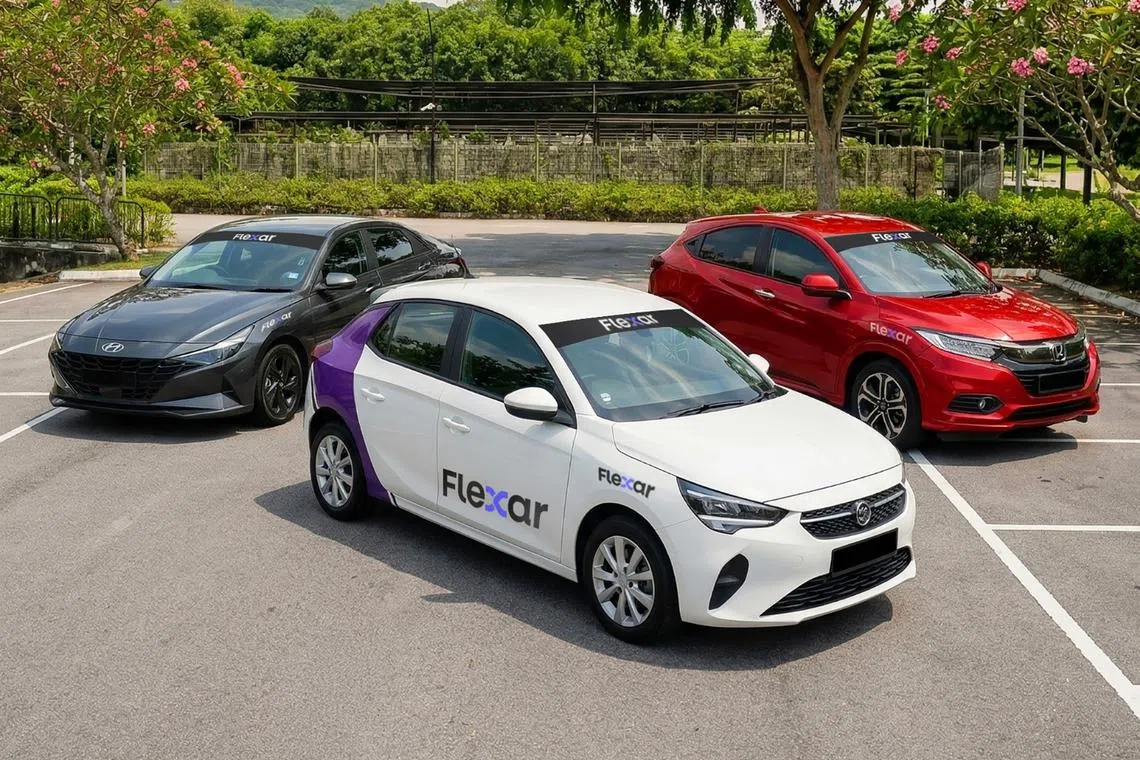
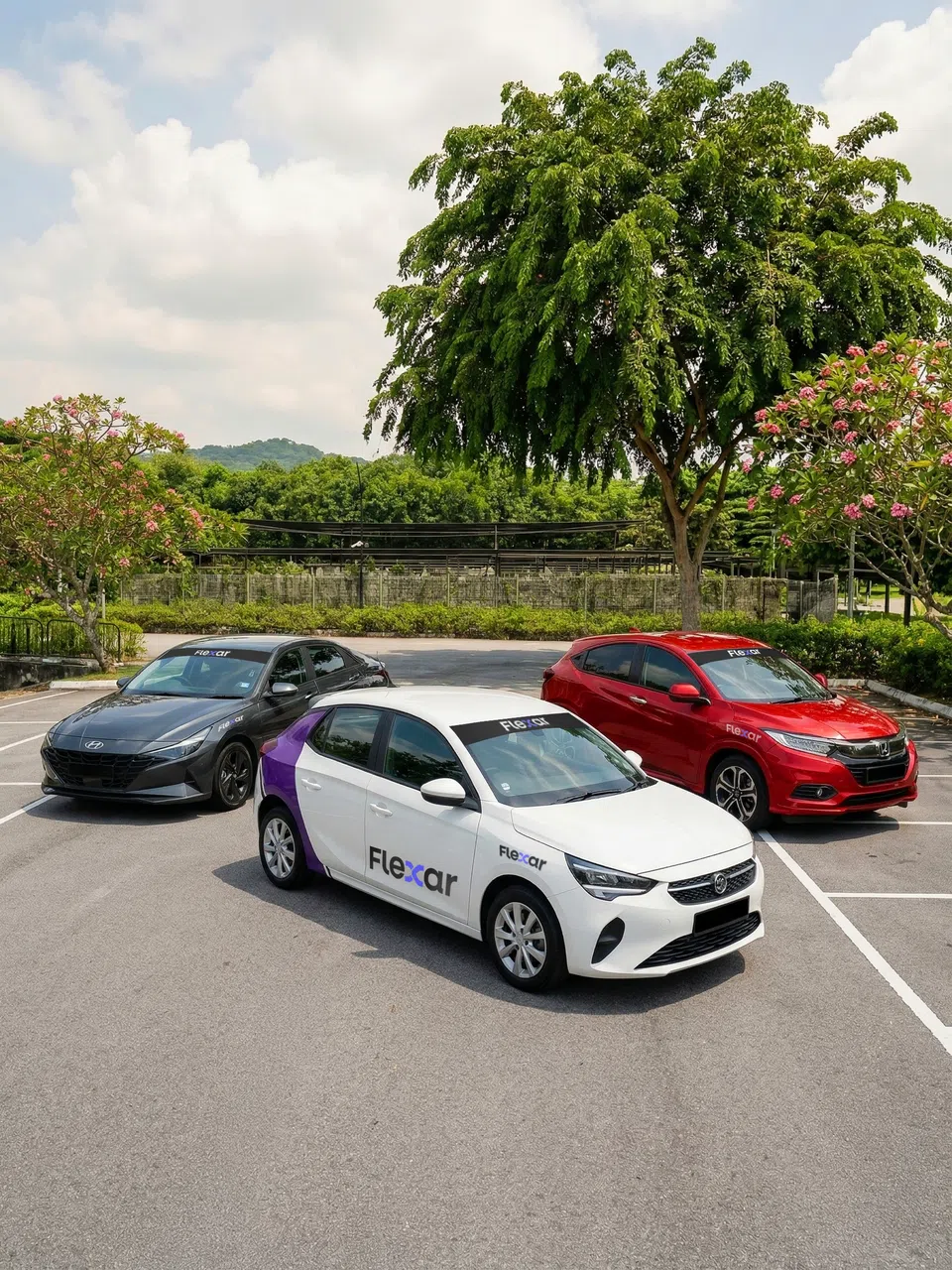
- The fleet includes both electric and petrol cars, such as Hyundai Avante, Honda Fit, Toyota Sienta, and Opel Corsa-e.
- Nearly 10,000 users registered during a two-week beta phase before the official launch.
- Flexar has eliminated membership fees and security deposits, using Singpass for user verification.
- A temporary fuel surcharge, reviewed weekly based on global oil prices, is applied to trips.
- New users can redeem a $10 welcome voucher for two weeks, with weekly launch promotions throughout May.
- CEO Fon Supannakul said the service was built on user feedback and insights from BlueSG’s challenges.
A New Car-Sharing Service Replaces BlueSG
Flexar, the rebranded successor to BlueSG, officially launched in Singapore on May 4, 2026, offering point-to-point car-sharing with a fleet of more than 200 vehicles and about 100 stations. The service replaces BlueSG’s earlier offering but retains the same model: users can pick up a car at one location and drop it off at another. The launch follows a “strategic pause” of BlueSG, during which the company laid off staff, disposed of old electric vehicles, and revamped its app and fleet. Flexar now operates under an “asset-light” model, relying on third-party fleet management providers to supply vehicles, a shift aimed at reducing capital intensity and speeding up deployment.
Petrol Cars Join the Fleet for Greater Flexibility
Unlike BlueSG, which operated only electric vehicles, Flexar’s fleet includes both internal combustion engine and electric cars. The company cited the need for operational flexibility to expand beyond the constraints of Singapore’s electric vehicle charging infrastructure. The current vehicle lineup includes models such as the Hyundai Avante, Honda Fit, Toyota Sienta, and the electric Opel Corsa-e. This mix offers smaller cars for short trips and larger vehicles for families or groups, catering to a wider range of users.
Pricing and Promotions Aim to Attract Users
Flexar charges on a per-minute block pricing model with no membership fees or security deposits. Users must be at least 18 years old, hold a valid driving licence, and complete verification through Singpass. Payments can be made via credit or debit cards, as well as mobile wallets such as Apple Pay and Google Pay. To stimulate user acquisition, the company is offering a $10 welcome voucher for new users for two weeks, along with weekly launch promotions throughout May. Users who completed trips during the beta phase will receive additional vouchers, including extra incentives for top feedback contributors. However, a temporary fuel surcharge, reviewed weekly based on global oil market conditions, is applied to trips, shielding Flexar from commodity volatility.
Stations Spread Across Residential and Commercial Hubs
Pickup and drop-off points are located mainly in residential areas in the central, northern, north-eastern and eastern parts of Singapore, including towns such as Punggol, Sengkang, Hougang, Tampines, Ang Mo Kio and Toa Payoh. Most stations are at Housing Board blocks, with additional locations at hotels like lyf Bugis and Amara Singapore, healthcare facilities such as Tan Tock Seng Hospital and Raffles Hospital, and shopping and community spaces like Katong Shopping Centre and Jalan Besar Sport Centre. The company plans to add more vehicles and stations on a monthly basis, aiming for an islandwide network that can support thousands of vehicles at full scale.
Lessons from BlueSG’s Challenges Shape the New Service
Flexar CEO Fon Supannakul acknowledged the difficulties of BlueSG’s prior iteration, noting that the redesign was shaped by a “head start in understanding the complexities and challenges of shared mobility.” The company stated that the new service draws on “insights from the strategic pause of BlueSG,” with an intelligent fleet system and parking optimisation to improve vehicle availability. Supannakul emphasized that having access to a car is becoming more important than ownership as urban needs change. “We built this platform listening to user feedback,” she said. “Having the advantage of hindsight combined with a headstart in understanding the complexities and challenges of shared mobility, helped shape a brand-new service built for greater reliability, transparency and convenience.”
Outlook: Scaling Up While Managing Costs
Flexar’s asset-light model and mixed fleet are designed to lower costs and speed up expansion, but the company must navigate fuel price volatility and competition from other mobility services. The temporary fuel surcharge, tied to global oil conditions, may affect user demand if prices rise sharply. With nearly 10,000 registrations in just two weeks of beta testing, initial interest is strong. However, the long-term success of Flexar will depend on its ability to scale the network, maintain vehicle availability, and keep pricing competitive while transitioning from a fully electric to a mixed fleet.
The bottom line
- Flexar launched on May 4, 2026, replacing BlueSG with a fleet of over 200 vehicles, including both petrol and electric cars.
- The service uses an asset-light model, relying on third-party fleet providers to reduce capital costs.
- Nearly 10,000 users registered during a two-week beta phase, indicating strong initial demand.
- Pricing is per-minute with no membership fees, but a weekly-reviewed fuel surcharge passes oil costs to users.
- Stations are concentrated in residential and commercial hubs across central, northern, north-eastern, and eastern Singapore.
- CEO Fon Supannakul cited user feedback and lessons from BlueSG as key to the redesigned service.



Singapore's Thomson-East Coast Line hit by signalling fault after Alstom tests; weekend service cuts planned for 2026

Metal Beam Crashes Through Yishun HDB Roof During Dismantling Works; No Injuries

Jason Holder's Four-Wicket Haul Propels Gujarat Titans to Four-Wicket Win Over Punjab Kings