Hantavirus outbreak on Atlantic cruise ship kills three, sickens at least three others
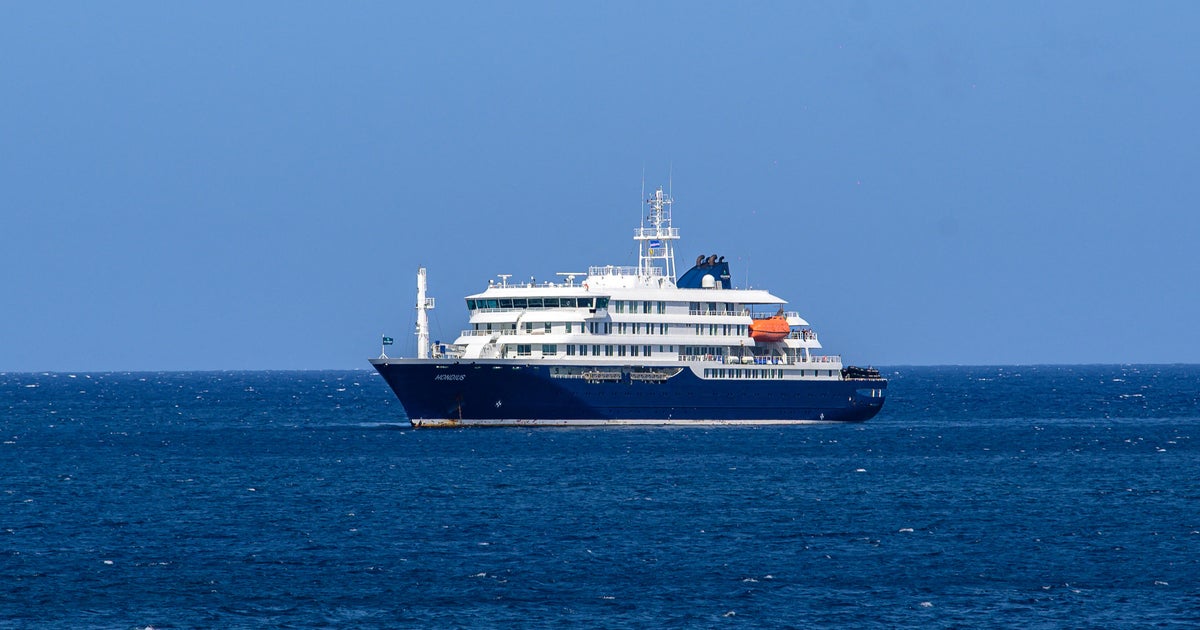
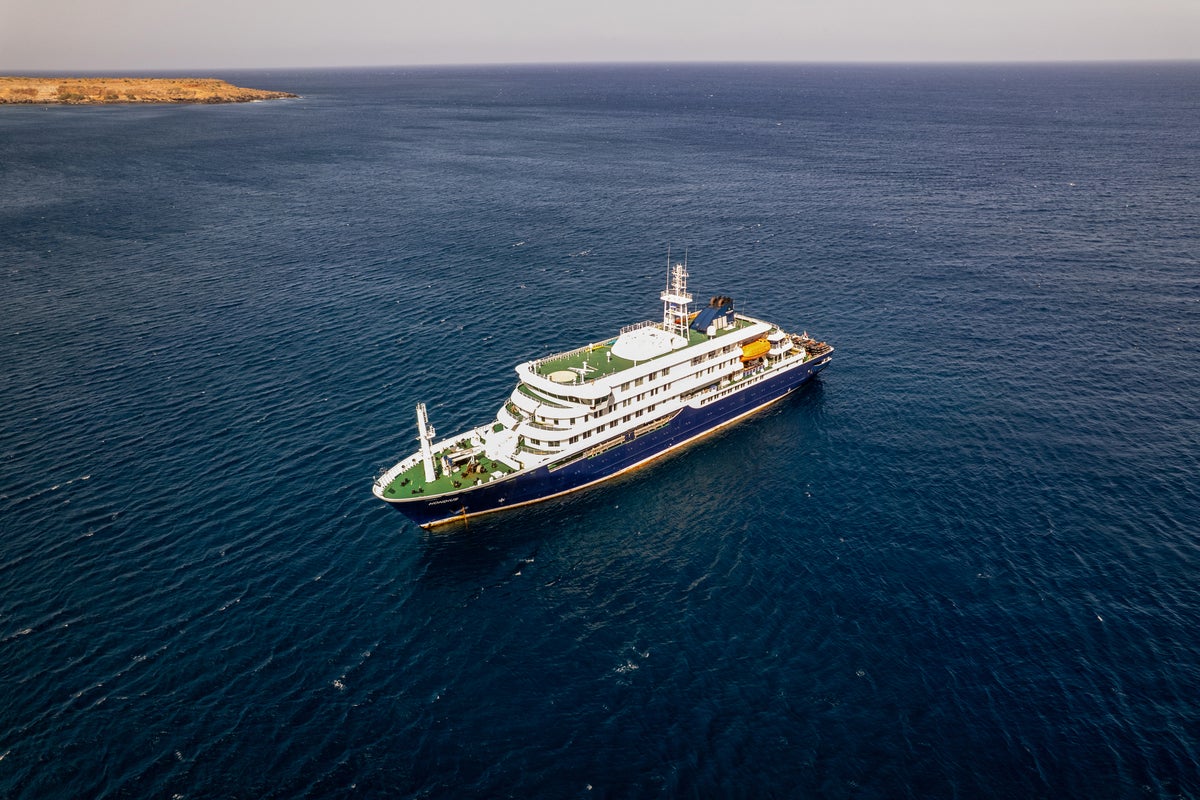
A Dutch-flagged polar cruise vessel, the MV Hondius, is anchored off Cape Verde after a suspected hantavirus cluster left three passengers dead and a British national in intensive care in South Africa.
SINGAPORE —
Key facts
- Three passengers died: a 70-year-old Dutch man, his 69-year-old wife, and a German national.
- A 69-year-old British man is in intensive care in Johannesburg after testing positive for hantavirus.
- The MV Hondius has 88 passengers and 61 crew on board, including 17 Americans, 19 from the UK, and 13 from Spain.
- The ship departed Ushuaia, Argentina, on March 20 and was due to arrive in Cape Verde on May 4.
- The first victim died on April 11; his body was removed at Saint Helena on April 25.
- The Dutch woman collapsed at Johannesburg airport and died at a nearby hospital.
- The German victim died on board on May 2; his body remains on the ship.
- Cape Verde authorities have not allowed anyone to disembark, citing no risk to people on land.
A lethal voyage across the South Atlantic
A suspected outbreak of hantavirus on the MV Hondius, a Dutch-flagged polar cruise ship, has killed three passengers and left at least three others seriously ill, the World Health Organization and South Africa's Department of Health confirmed on Sunday. The vessel, carrying 88 passengers and 61 crew, is now anchored off the coast of Cape Verde, an island nation off West Africa, where local authorities have refused permission to dock. The first victim, a 70-year-old Dutch man, died on board on April 11 after presenting with fever, headache, abdominal pain and diarrhea. His body was removed nearly two weeks later at the British territory of Saint Helena, some 1,200 miles (1,900 kilometers) off the African coast. His 69-year-old wife was evacuated to South Africa at the same time but collapsed at Johannesburg's airport and died at a nearby hospital.
A second death and a critical evacuation
The ship then sailed to Ascension Island, another isolated Atlantic outpost about 800 miles (1,300 kilometers) north of Saint Helena, where a sick British man was taken off and evacuated to South Africa on April 27. He later tested positive for hantavirus and is now in intensive care in a Johannesburg hospital, kept in isolation. A third passenger, a German national, died on board on Saturday, May 2; his body remains on the ship. The ship's operator, Oceanwide Expeditions, stated that only the British man's case has been confirmed as hantavirus so far; the three deaths are still under investigation. The Dutch foreign ministry said it was "busy looking at the possibilities to medically evacuate a few people from the ship," coordinating with local authorities.
Passengers and crew in limbo off Cape Verde
The MV Hondius carries 88 passengers — including one who has died — and 61 crew members, two of whom are sick. The passengers include 17 Americans, 19 from the United Kingdom, and 13 from Spain, among other nationalities. The three deceased passengers were from the Netherlands and Germany. Cape Verdean health officials said Monday that the situation is under control and there is no risk to people on land, but they will not let the vessel dock at the port of the capital, Praia. The ship is considering sailing to Las Palmas or Tenerife for disembarkation.
Timeline of a polar cruise turned tragic
The MV Hondius departed Ushuaia in southern Argentina on March 20 for a weekslong polar cruise that included visits to Antarctica, the Falkland Islands, and other isolated stops. It was ultimately headed to Spain's Canary Islands on the other side of the Atlantic. The first passenger fell ill and died on April 11. The ship made its way to Saint Helena, then Ascension Island, and finally to Cape Verde, where it arrived on May 4. The South African health department said the ship had left Argentina around three weeks before the outbreak was reported. The MarineTraffic global shipping website identified the vessel as docked in Praia on Sunday night.
Hantavirus: a rare but severe rodent-borne disease
Hantaviruses are a family of viruses spread mainly by contact with the urine or feces of infected rodents like rats and mice. They are found throughout the world. The virus gained attention after the late actor Gene Hackman's wife, Betsy Arakawa, died from hantavirus infection in New Mexico last year; Hackman himself died around a week later from heart disease. Hantavirus causes two serious syndromes, according to the U.S. Centers for Disease Control and Prevention: hantavirus pulmonary syndrome, a severe lung infection, and hemorrhagic fever with renal syndrome, which affects the kidneys. While rare, the WHO said hantavirus infections can be spread between people. There is no specific treatment or cure, but early medical attention can increase the chance of survival.
WHO investigation and global response
The World Health Organization said it is aware of and supporting a public health event involving a cruise vessel sailing in the Atlantic Ocean. "Detailed investigations are ongoing, including further laboratory testing, and epidemiological investigations. Medical care and support are being provided to passengers and crew. Sequencing of the virus is also ongoing," the organization stated. The WHO's regional director for Europe, Dr Hans Henri P. Kluge, said Monday: "The risk to the wider public remains low. There is no need for panic or travel restrictions." South Africa's Department of Health is working with the WHO to evacuate two other passengers with symptoms from the ship.
Uncertainty ahead for the stranded vessel
The MV Hondius remains anchored off Cape Verde with no clear timeline for disembarkation. The Dutch company that operates the ship said local authorities were assisting but had not allowed anyone to go ashore. The ship is considering sailing to Las Palmas or Tenerife, but no decision has been made. The three deaths are not yet confirmed to be hantavirus, as only the British man in South Africa has tested positive. The WHO is conducting further laboratory testing and virus sequencing. The situation underscores the challenges of managing a rare infectious disease outbreak in a remote maritime setting, where medical evacuation is complex and quarantine measures are stringent.
The bottom line
- Three passengers have died and at least three others are ill in a suspected hantavirus outbreak on the MV Hondius cruise ship in the Atlantic.
- Only one case (a British man in intensive care in South Africa) has been confirmed as hantavirus; the deaths remain under investigation.
- The ship, with 149 people on board including 17 Americans, is anchored off Cape Verde and has been denied permission to dock.
- Hantavirus is a rare rodent-borne disease with no specific treatment; early medical care is critical for survival.
- The WHO says the risk to the wider public is low and no travel restrictions are needed.
- The outbreak has disrupted a polar cruise that began in Argentina on March 20 and was scheduled to end in the Canary Islands.



Lakers' 3-0 series lead evaporates as Rockets force Game 6 with stifling defense
Hantavirus Suspected in Three Deaths on Dutch Cruise Ship Off West Africa

Reading Singapore Airlines Ultra-long Routes