Johor Regent Urges Fast-Track Approval for Rail Integration as RTS Link Nears 2027 Launch
With the 4km shuttle service set to open on Jan 1, 2027, Johor's royal leader calls for urgent development of a complementary transit system to handle surging cross-border traffic.
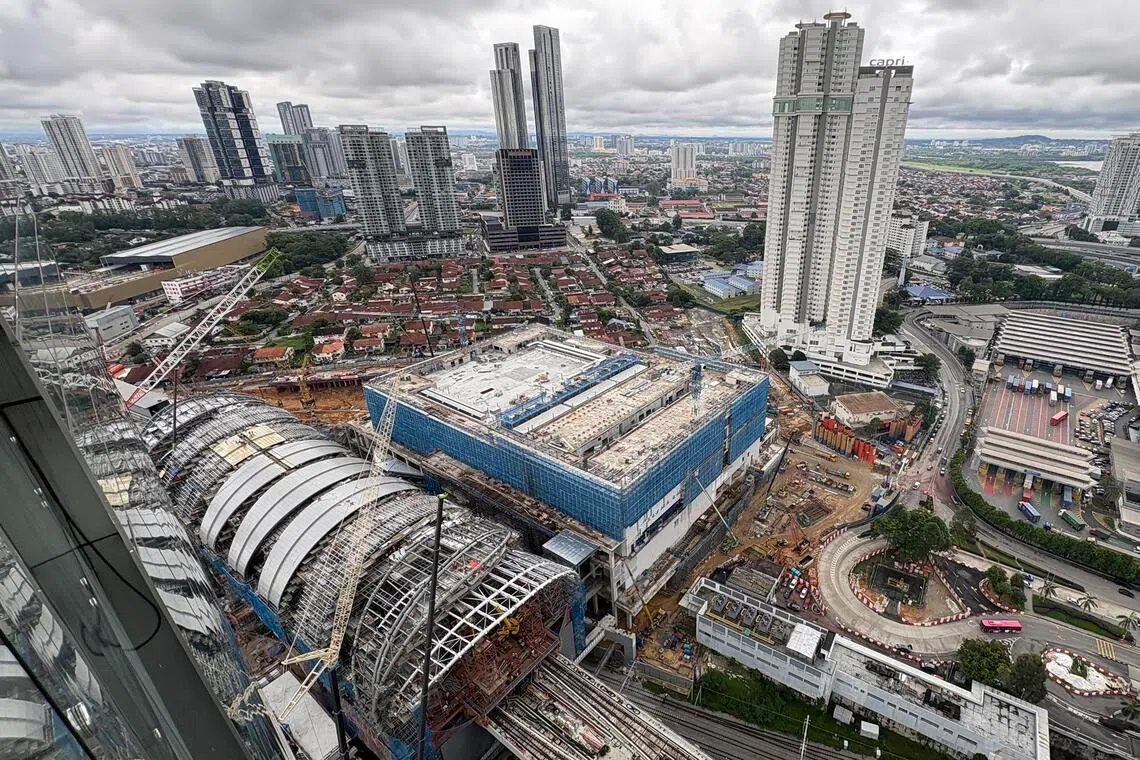
SINGAPORE —
Key facts
- RTS Link is a 4km shuttle connecting Bukit Chagar (Johor Bahru) to Woodlands (Singapore), costing RM5.24 billion (S$1.69 billion).
- Operations are scheduled to begin on January 1, 2027.
- Peak capacity: 10,000 passengers per hour each way; projected daily ridership: 40,000.
- The Causeway is used daily by 350,000 people, making it one of the world's busiest border crossings.
- Johor Regent Tunku Mahkota Ismail called for expedited federal approval of a rail transit system to integrate with the RTS Link.
- IT engineer C. Ravin walks 20 minutes across the Causeway each morning to avoid bus waits of up to an hour.
- Malcolm Owens, an Australian public transport expert, recommends a light metro people mover (APM) over Autonomous Rapid Transit (ART) for Johor Bahru.
- APM systems can handle 10,000–30,000 persons per hour per direction, while ART can only manage 3,000–5,000.
A Daily Ordeal on the Causeway
Every morning before sunrise, IT engineer C. Ravin begins his 20-minute walk across the Causeway from Johor Bahru to Singapore. For the 35-year-old, this is a tactical choice — the only way to gain an extra hour of sleep and avoid what he calls the “bus lottery” that governs life for thousands of cross-border commuters. “Unless I wake up as early as 4am to reach the Sultan Iskandar Customs, Immigration and Quarantine Complex before 6am, I will still face waiting times of up to 30 to 40 minutes,” Mr Ravin told StarMetro. “So I would rather get some extra sleep, arrive at 6.30am and walk across the Causeway, which takes about 15 to 20 minutes.” He noted that the walk is manageable early in the morning but becomes tricky when it rains.
The RTS Link: A Third Land Crossing
The RM5.24 billion (S$1.69 billion) Rapid Transit System (RTS) Link is a 4km shuttle service connecting Bukit Chagar in Johor Bahru to Woodlands in Singapore. Scheduled to begin operations on January 1, 2027, it will become the third land crossing between Malaysia and Singapore. With a peak capacity of 10,000 passengers per hour each way and a projected daily ridership of 40,000, the RTS Link aims to significantly reduce the severe congestion that plagues the Causeway, one of the busiest border crossings in the world, used daily by 350,000 people.
Johor Regent Demands Urgent Rail Integration
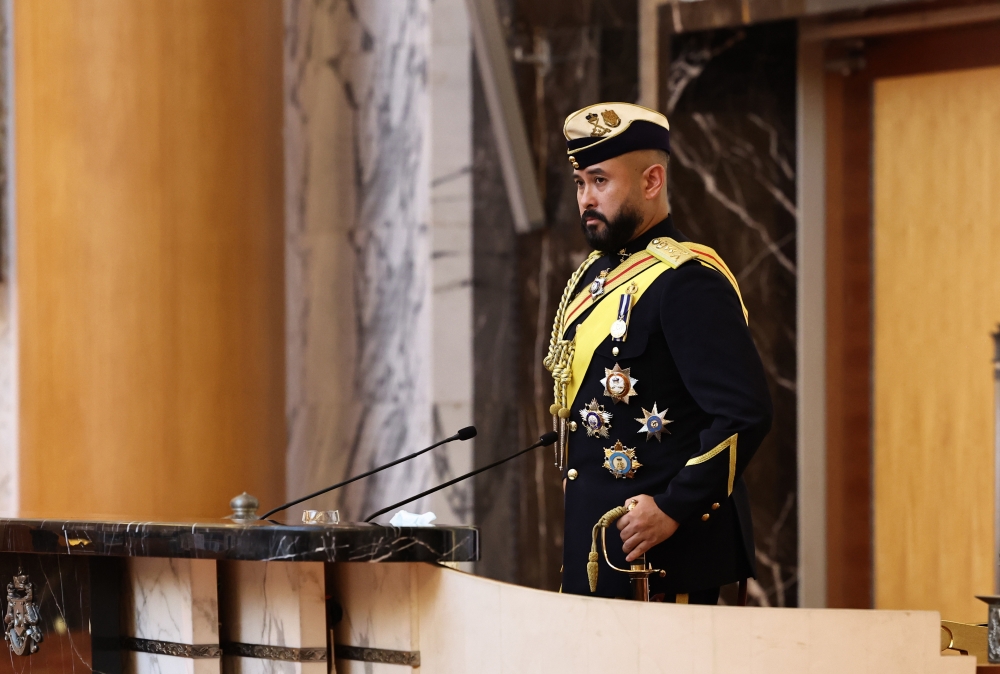
On April 30, Johor Regent Tunku Mahkota Ismail called on the federal government to expedite approval for a rail transit system that will integrate with the RTS Link. Speaking at the Johor state legislative assembly’s new session at the Sultan Ismail Building in Kota Iskandar, he stressed the urgent need to ensure that Johor is prepared to handle the increased movement of people. “I hope that all necessary considerations and approvals can be expedited to ensure that the public transport system in Johor is truly capable of supporting economic growth and the well-being of Johoreans,” he said.
Affordability Concerns for Daily Commuters
While Mr Ravin’s return journey to Johor Bahru is less rushed, allowing him to take a bus for S$2.60, he emphasized that affordability remains the primary concern for daily commuters. “I hope the price of RTS Link tickets will not be too high compared with bus fares, otherwise, people may stick to buses, or like me, continue walking,” he said. He also called for a complete overhaul of traffic management near the Sultan Iskandar Customs, Immigration and Quarantine Complex and RTS Link’s Bukit Chagar Station, including designated lanes for buses, private vehicles and e-hailing services, as well as park-and-ride facilities to prevent local gridlock.
Expert Backs Light Metro Over Autonomous Transit
Malcolm Owens, an Australian public transport expert with four decades of experience designing and operating metro systems in Asia, has weighed in on the ideal solution for Johor Bahru. He stated that a light metro people mover (APM), similar to the Light Rail Transit (LRT), is the best option for a rapidly growing mid-size city. Owens argued that other systems, such as the Autonomous Rapid Transit (ART), while potentially cheaper upfront, are not cost-effective and would not cope with the projected traffic and passenger increases. APMs can handle loads of 10,000 to 30,000 persons per hour per direction, whereas ART can only manage 3,000 to 5,000. APMs are already used across the Causeway in Singapore on its Sengkang and Bukit Panjang LRT lines, as well as in more than 50 cities globally.
Reshaping Johor Bahru’s Commercial Landscape
The RTS Link is poised to transform Johor Bahru’s commercial landscape, with policymakers and industry leaders calling for urgent, coordinated action to ensure the city captures its full economic potential. The integration of a complementary rail system, as urged by the Johor Regent, is seen as critical to managing the anticipated surge in cross-border movement and to fostering stronger Malaysia-Singapore ties. The RTS Link is expected to transform the commute for the 350,000 daily Causeway users, but its success hinges on affordable pricing and seamless connectivity with local transport networks.
The Road Ahead: Testing and Preparations
With the RTS Link now entering its final, critical testing phase, commuters like Mr Ravin are hopeful that the era of pre-dawn hikes and three-hour traffic crawls is finally nearing its end. However, significant challenges remain: ensuring ticket prices are competitive with bus fares, overhauling traffic management around key stations, and securing federal approval for an integrated rail system. The Johor Regent’s call for expedited action underscores the urgency of preparing the state for the increased mobility that the RTS Link will bring. As the January 1, 2027, launch date approaches, all eyes are on whether policymakers can deliver the seamless connectivity that Johoreans desperately need.
The bottom line
- The RTS Link is a 4km shuttle service costing RM5.24 billion, set to open on Jan 1, 2027, connecting Bukit Chagar to Woodlands.
- It will have a peak capacity of 10,000 passengers per hour each way and a projected daily ridership of 40,000.
- Johor Regent Tunku Mahkota Ismail has urged the federal government to fast-track approval for an integrated rail transit system.
- Daily commuters like C. Ravin walk across the Causeway to avoid long bus waits, and they worry about RTS Link ticket affordability.
- Public transport expert Malcolm Owens recommends a light metro APM over ART for Johor Bahru, citing higher capacity and cost-effectiveness.
- The RTS Link is expected to transform the commute for 350,000 daily Causeway users and reshape Johor Bahru’s economy.




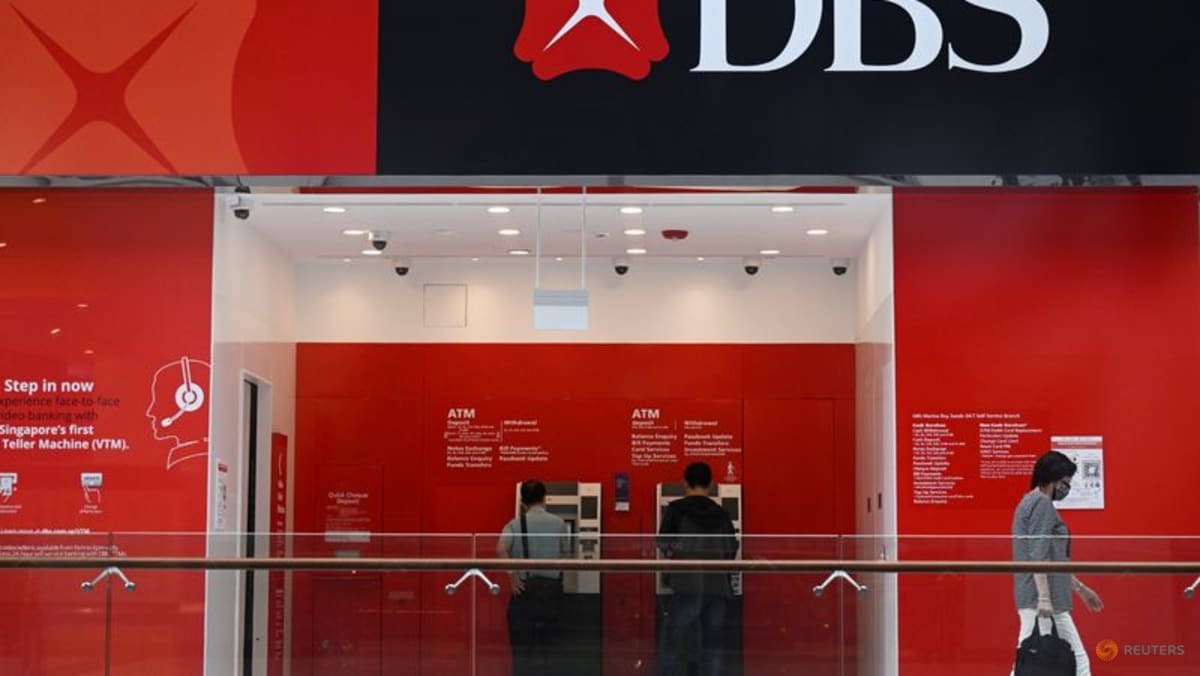
DBS posts 1% rise in Q1 net profit to S$2.93 billion, beating forecasts on record wealth fees
JLL cuts 1% of Singapore workforce in global restructuring
Knicks Crush Hawks 140-89 in Historic Playoff Rout, Set Record 47-Point Halftime Lead