Malaysia accelerates biodiesel mandate to B15 from June, targets B50 within three years
With monthly fuel subsidies exceeding $1.8 billion, the government turns to palm-oil-based blends to stabilise diesel costs and reduce import dependence.
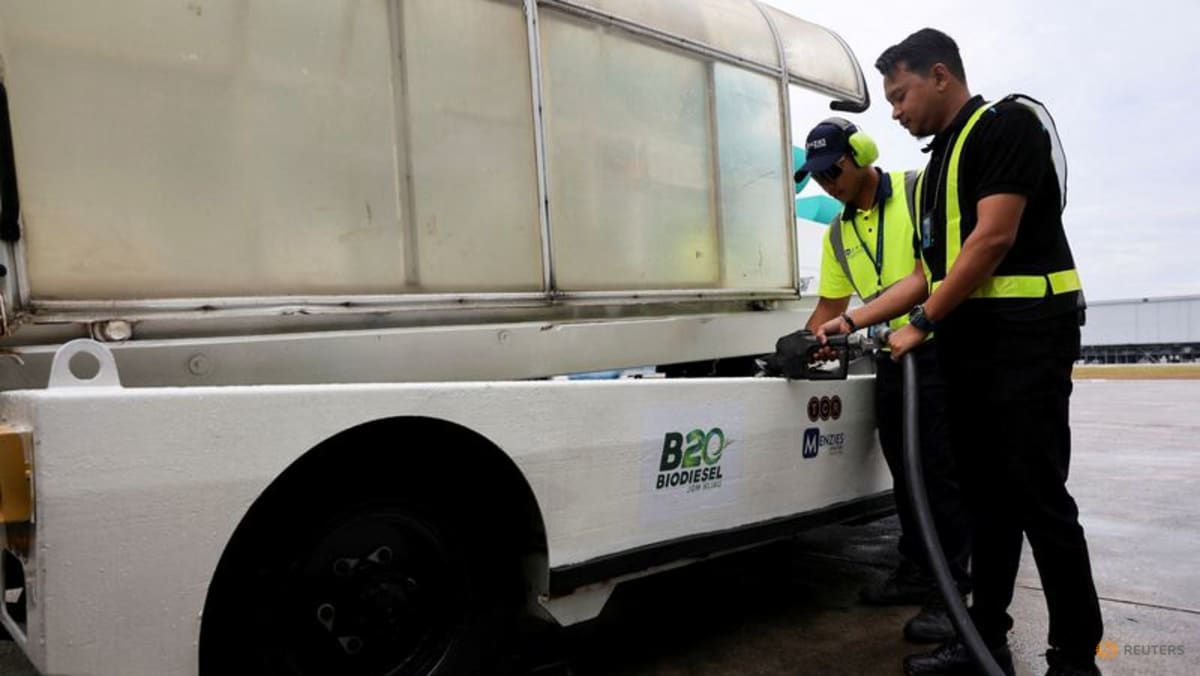
SINGAPORE —
Key facts
- Malaysia spends over US$1.8 billion monthly on fuel subsidies.
- B15 biodiesel (15% palm oil, 85% petroleum diesel) becomes mandatory from June 1.
- 19 biodiesel plants, mostly using rubber waste, have a combined monthly capacity of 1.5 million litres.
- Upgrading terminals to B30 requires about 600 million ringgit (US$151 million).
- Deputy Prime Minister Ahmad Zahid Hamidi announced the phased rollout on May 4.
- About one million diesel vehicle owners are affected by the transition.
A costly subsidy burden forces a fuel shift
Malaysia is spending more than US$1.8 billion each month to keep fuel prices artificially low, a drain on public finances that has become unsustainable amid global supply disruptions and rising energy costs. The government is now accelerating the adoption of biodiesel — a blend of palm oil and conventional diesel — as a cheaper, domestically produced alternative. Biofuels have become more attractive because they are now cheaper than regular diesel, thanks to supply chain shocks linked to tensions in the Middle East. With the world's second-largest palm oil industry, Malaysia sees an opportunity to turn a strategic commodity into a tool for energy price stability.
B15 mandate from June 1, with a path to B50
Deputy Prime Minister Datuk Seri Dr Ahmad Zahid Hamidi announced on May 4 that the government will require all diesel sold to contain 15% palm oil — known as B15 — starting June 1. The mandate will be enforced through 19 designated biodiesel production plants. “It will start with B15 and gradually increase to B20. Subsequently, within the next two to three years, it may go up to B50,” Ahmad Zahid said. He described the phased approach as necessary to ensure that crude palm oil prices do not push production costs too high.
Infrastructure upgrades needed for higher blends
Malaysia currently operates 34 biodiesel blending depots, most of which were designed for the existing B10 blend — 10% palm oil. Moving to higher blends requires substantial investment. Sang Yew Ngin, undersecretary at the Malaysian Plantation and Commodities Ministry’s Biomass and Biofuel Division, said upgrading the terminals and infrastructure to meet a B30 mandate would cost about 600 million ringgit (US$151 million). “The first thing we need to do is to upgrade all those infrastructures. Upgrading infrastructure is not a day’s job. It might take one or two years to complete and also involves high capital expenditure,” he said.
Scale of the transition: one million diesel vehicles
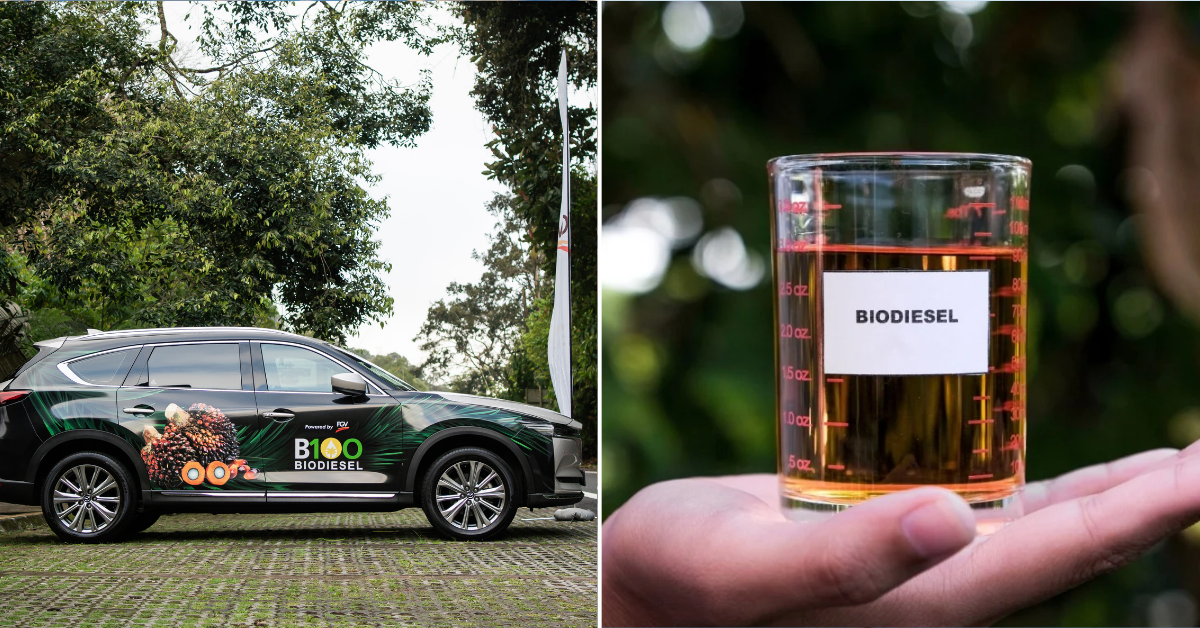
About one million diesel vehicle owners in Malaysia — including users of pick-up trucks, vans, buses and SUVs — will be affected by the transition. The government has already tested biodiesel in real-world driving conditions, including in SUVs operated by FGV Holdings Berhad on Malaysian roads. Ahmad Zahid said large-scale production is expected to reduce operating costs and, in turn, lower overall fuel prices. He noted that biodiesel has already undergone capability testing and has strong potential to stabilise and reduce diesel prices over the long term.
How biodiesel is made from palm oil
Biodiesel in Malaysia is produced from processed and refined palm oil through a controlled industrial process, not simply from used cooking oil. The journey begins with sustainably harvested palm fruits, which are refined into fuel-grade biodiesel. The by-products — about 35% of the sludge from crude palm oil production — are also used to produce biofuel and Jet A1 fuel. “We will utilise sludge or by-products from CPO production, where about 35% of the sludge will be fully used to produce biofuel as well as Jet A1 fuel,” Ahmad Zahid said. The initiative was presented to the National Economic Action Council (MTEN) on April 19 and has received in-principle approval.
Outlook: a multiyear transition with global implications
The move to higher biodiesel blends is part of a broader strategy to reduce Malaysia’s reliance on imported fossil fuels and to stabilise domestic fuel prices. But the transition will take time. The government is proceeding in phases to allow infrastructure upgrades and to avoid sudden spikes in crude palm oil prices that could undermine the economics of biodiesel. Ahmad Zahid said the government will coordinate with relevant bodies and companies to ensure production costs remain low once synergy is achieved among the 19 plants. If successful, Malaysia’s biodiesel programme could serve as a model for other palm-oil-producing nations facing similar subsidy pressures.
The bottom line
- Malaysia’s B15 mandate takes effect June 1, with plans to reach B50 within three years.
- Monthly fuel subsidies exceeding US$1.8 billion are the primary driver of the policy.
- Upgrading blending infrastructure to B30 will cost about 600 million ringgit (US$151 million).
- The 19 designated plants currently have a combined monthly capacity of 1.5 million litres.
- About one million diesel vehicle owners will be affected by the transition.
- By-products from palm oil production will also be used to make Jet A1 fuel.




Singapore's Thomson-East Coast Line hit by signalling fault after Alstom tests; weekend service cuts planned for 2026

Metal Beam Crashes Through Yishun HDB Roof During Dismantling Works; No Injuries

Jason Holder's Four-Wicket Haul Propels Gujarat Titans to Four-Wicket Win Over Punjab Kings