Alaska Megatsunami: A 500-Metre Wave and the Climate Change Warning
A colossal landslide generated the second-tallest wave ever recorded, highlighting the growing threat from retreating glaciers.
SINGAPORE —
Key facts
- A 64 million cubic metre rockslide plunged into an Alaskan fjord last summer.
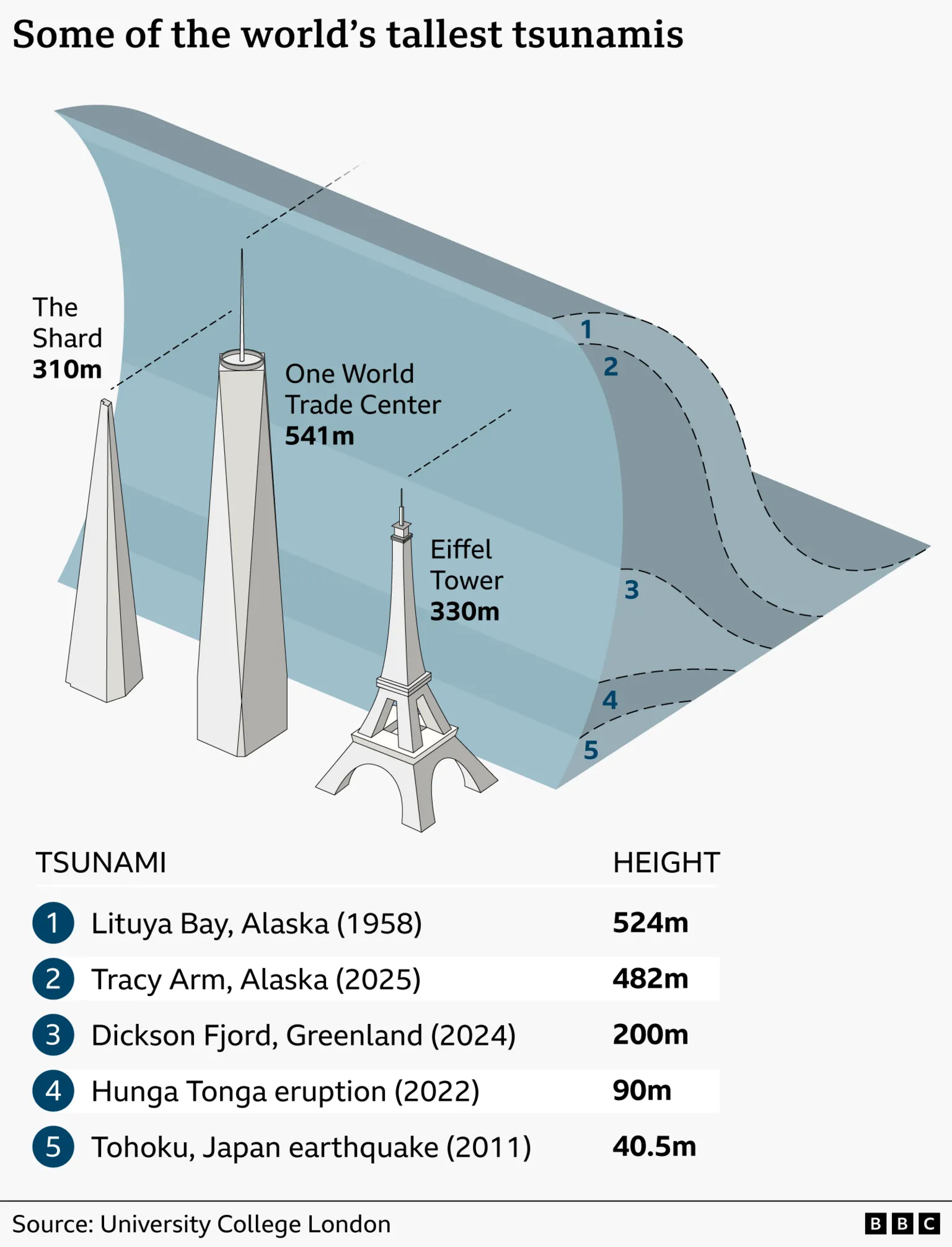
- The event generated a megatsunami nearly 500 metres tall.
- This wave is the second tallest megatsunami ever recorded.
- The largest recorded megatsunami occurred in the 1950s, exceeding 500 metres.
- Dr. Bretwood Higman described the event as a 'close call' for nearby cruise ships.
- Scientists link increased megatsunami risk to climate change and melting glaciers.
- Alaska's geography, with steep mountains and narrow fjords, heightens its vulnerability.
A Colossal Wave Roars Through Alaskan Fjord
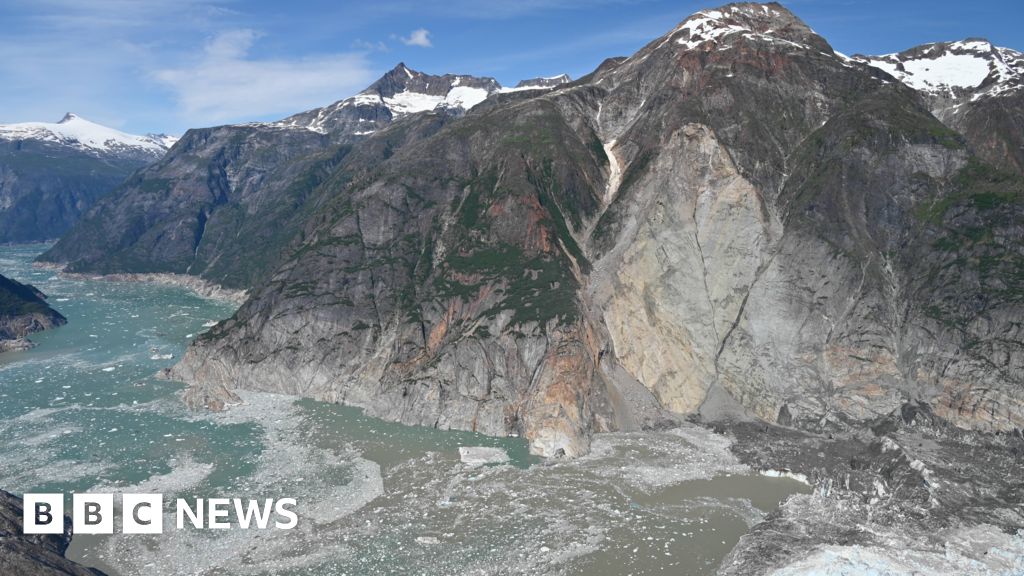
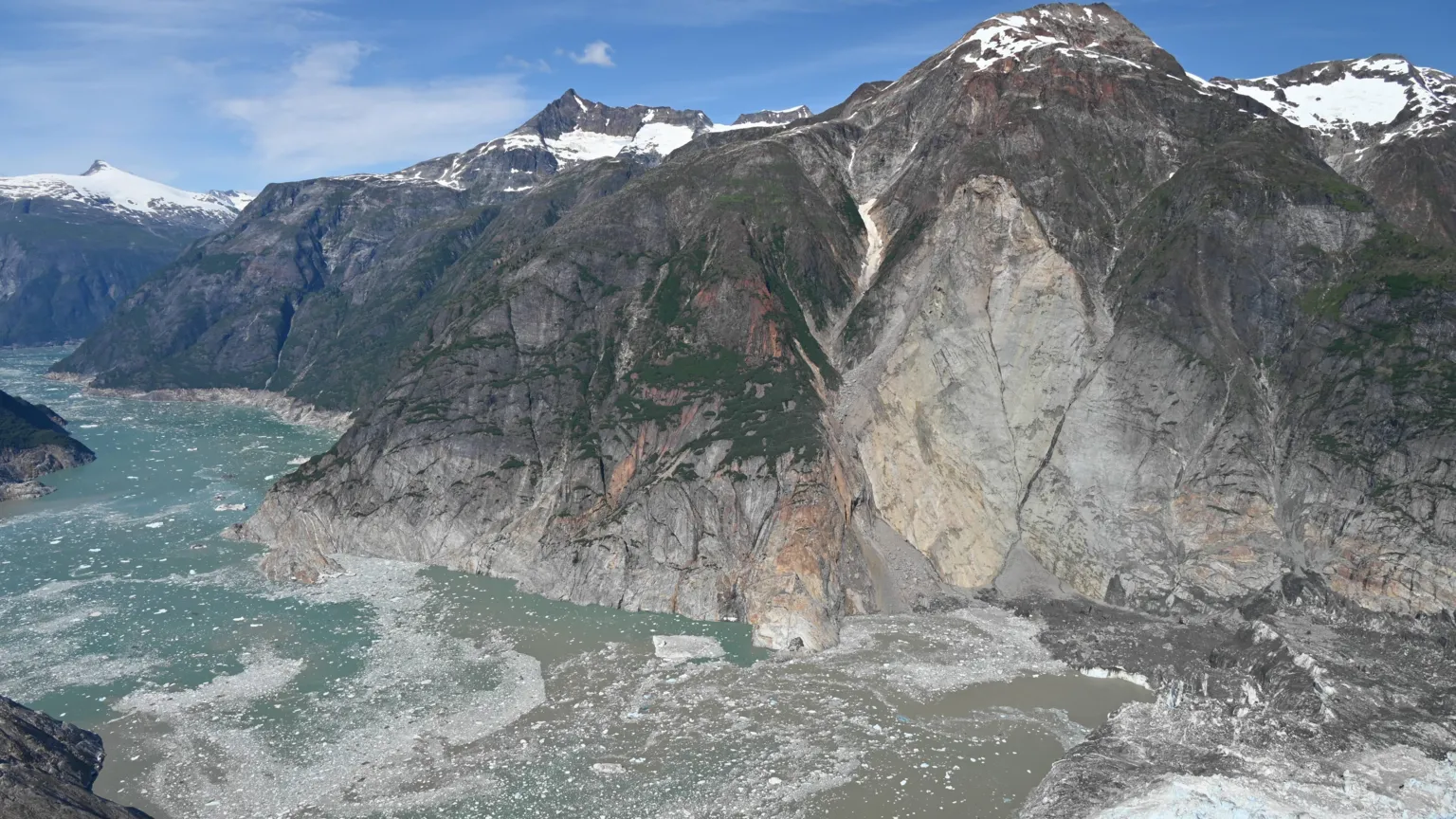
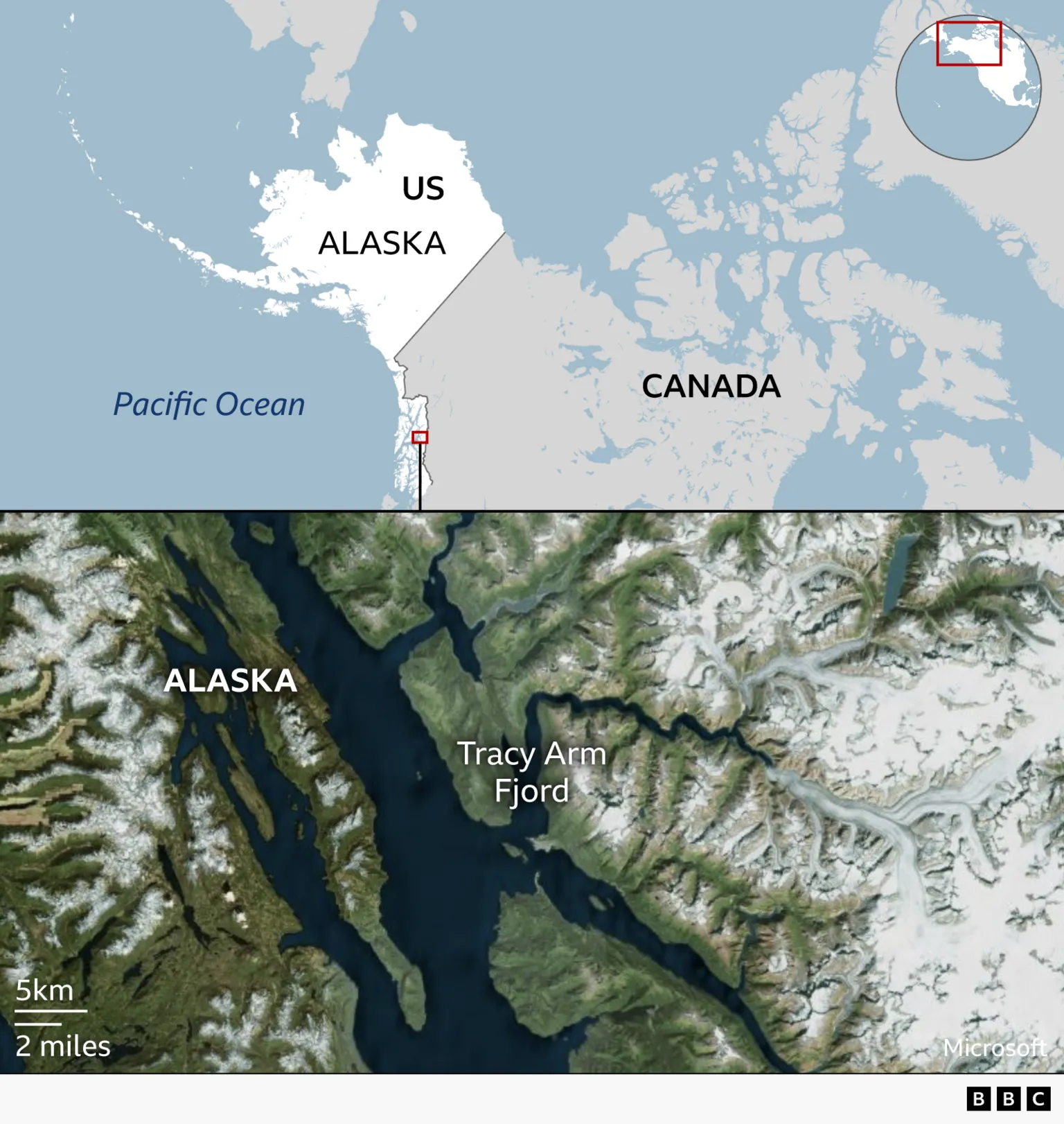
A colossal wave, nearly 500 metres high, surged through a remote Alaskan fjord last summer, an event now revealed by new research to be the second tallest 'megatsunami' ever recorded. The immense wave, generated by a massive landslide, swept through Tracy Arm Fjord in southeast Alaska, leaving a trail of destruction. While the event itself went largely unreported at the time, scientific analysis has since unveiled its scale and the underlying causes, serving as a stark reminder of geological hazards amplified by a changing climate. The sheer volume of material involved was staggering: an estimated 64 million cubic metres of rock, a mass comparable to 24 Great Pyramids, plunged into the water in less than a minute. This catastrophic event created a gargantuan wave, dwarfing many of the world's tallest structures and underscoring the raw power of natural forces. Researchers noted that the timing of the event, occurring in the early hours of the morning, likely prevented tourist cruise ships from being caught in the path of the destructive wave. This near-miss has amplified concerns among scientists about future risks.
A Geologist's Account of Devastation
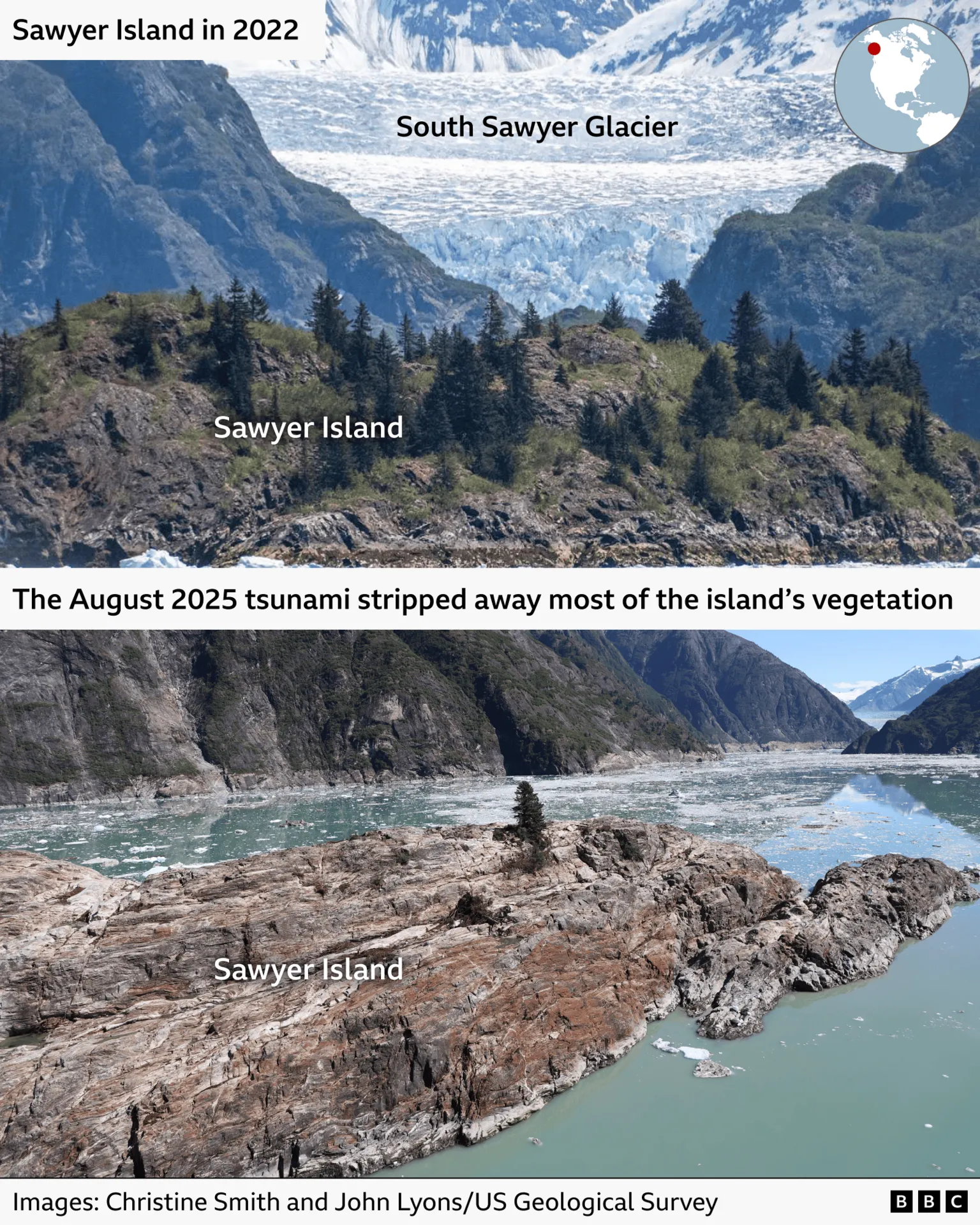
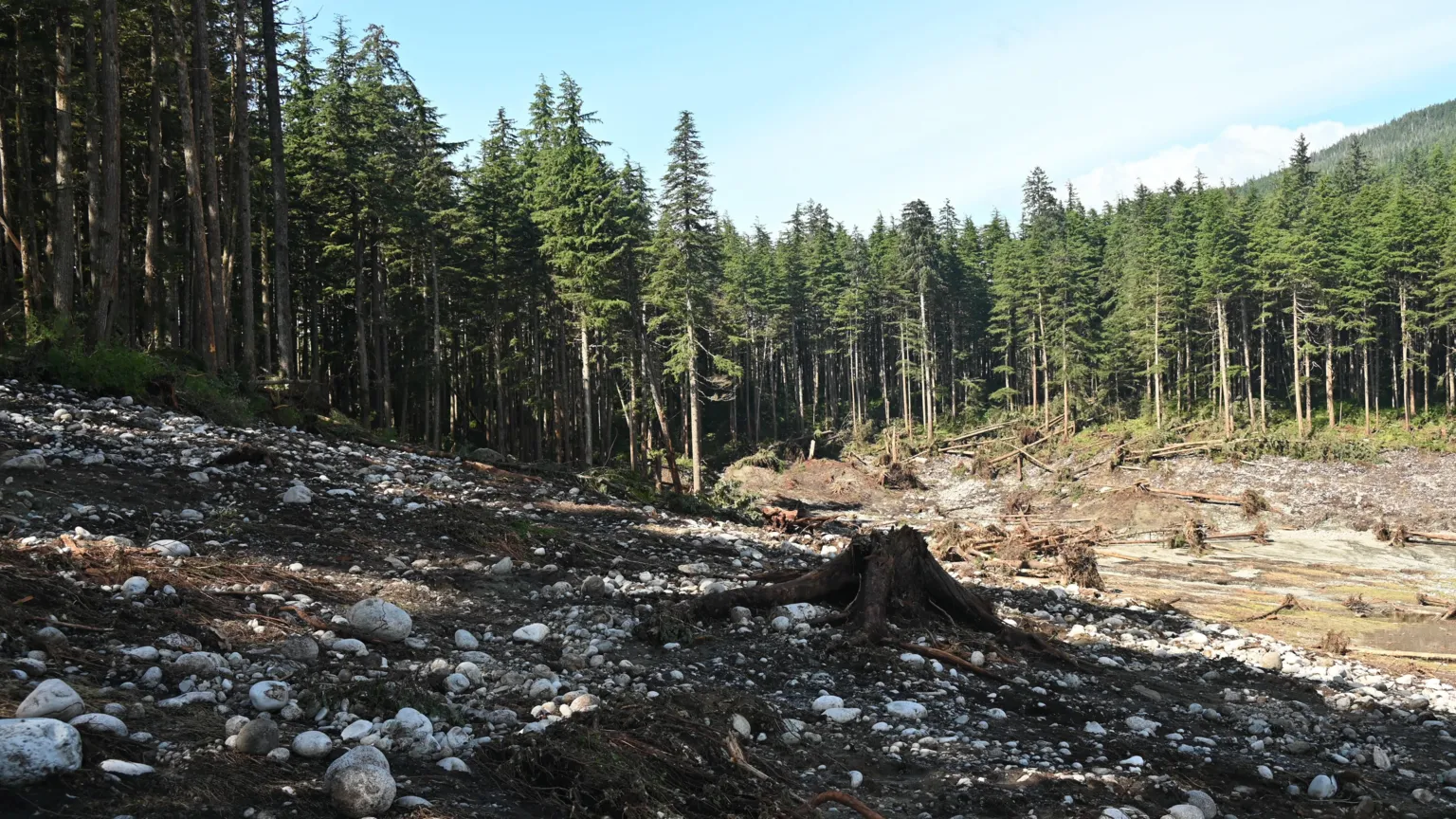
Dr. Bretwood Higman, an Alaskan geologist, witnessed the aftermath firsthand, describing the scene at Tracy Arm Fjord as a "close call." Weeks after the megatsunami, he observed significant damage, including trees torn from mountainsides and hurled into the water, alongside vast expanses of rock stripped bare of soil and vegetation. "We know that there were people that were very nearly in the wrong place," Dr. Higman stated, expressing deep concern for future events. "I'm quite terrified that we're not going to be so lucky in the future." His observations paint a vivid picture of the destructive power unleashed, highlighting the potential for catastrophic consequences when such events occur in populated or frequently visited areas.
Understanding Megatsunamis Versus Traditional Tsunamis
Scientists distinguish these colossal waves, termed megatsunamis, from tsunamis typically generated in the open ocean. While open-ocean tsunamis are usually triggered by underwater earthquakes or volcanic activity and can travel thousands of miles, megatsunamis result from massive landslides, either earthquake-induced or from unstable rock, impacting bodies of water. The 2011 Japan tsunami, a prime example of an earthquake-generated wave, caused widespread devastation across vast distances. Megatsunamis, by contrast, are often more localized but possess an immense initial height due to the direct displacement of water by a large volume of falling material. The largest megatsunami on record occurred in the 1950s, exceeding the 500-metre height of the recent Alaskan event.
Climate Change as a Growing Factor
A critical element highlighted by this event is the increasing risk posed by melting glaciers, a direct consequence of climate change. As global temperatures rise, glaciers and ice sheets retreat, destabilizing mountainsides and increasing the likelihood of rockfalls into fjords and lakes. This phenomenon is particularly concerning for regions like Alaska, which is inherently vulnerable due to its dramatic topography. The state features steep mountainsides, deep, narrow fjords, and a history of seismic activity, creating a perfect storm of conditions for megatsunami formation. Scientists are increasingly linking the frequency and intensity of such geological events to the warming climate, suggesting that the risk of future megatsunamis is on the rise.
Alaska's Vulnerability and Future Risks
Alaska's unique geography makes it a hotspot for megatsunami activity. The combination of sheer mountain slopes that rise directly from the water, coupled with the intricate network of fjords, means that any significant landslide has the potential to generate a massive wave. Furthermore, the region's susceptibility to earthquakes adds another layer of risk, as seismic activity can dislodge unstable rock formations. The retreat of glaciers, exacerbated by climate change, further weakens these slopes, making them more prone to collapse. This recent event serves as a potent warning, emphasizing the need for enhanced monitoring and a deeper understanding of the complex interplay between geological instability and a warming planet.
The bottom line
- A 500-metre megatsunami in Alaska, the second largest ever recorded, was triggered by a massive landslide.
- The event serves as a stark warning about the potential for giant waves when large volumes of rock fall into water.
- Scientists attribute the increasing risk of such events to climate change-driven glacier melt destabilizing mountains.
- Alaska's steep fjords and seismic activity make it particularly susceptible to megatsunamis.
- The timing of the recent Alaskan megatsunami narrowly avoided disaster for cruise ship passengers.
- The largest recorded megatsunami occurred in the 1950s, exceeding 500 metres in height.

Single Ticket Wins S$12.8 Million Toto Jackpot in Singapore Cascade Draw

Trump Warns Iran Will Be 'Blown Off the Face of the Earth' as Strait of Hormuz Crisis Escalates

Sheng Siong Raises Profit 12.6% as Analysts Lift Targets on Store Expansion Runway