Malaysia Seeks Clarity as Norway Halts Naval Missile Supply
Kuala Lumpur faces potential cancellation of a 2018 deal for advanced anti-ship weapons, jeopardizing its naval modernization.
SINGAPORE —
Key facts
- Malaysia signed a deal with Kongsberg for Naval Strike Missiles in 2018.
- The missiles were intended for six new Littoral Combat Ships.
- Reports suggest Norway is reneging on defense export approval for the NSM.
- Malaysian Defense Minister Mohamed Khaled Nordin is seeking clarification from Norway.
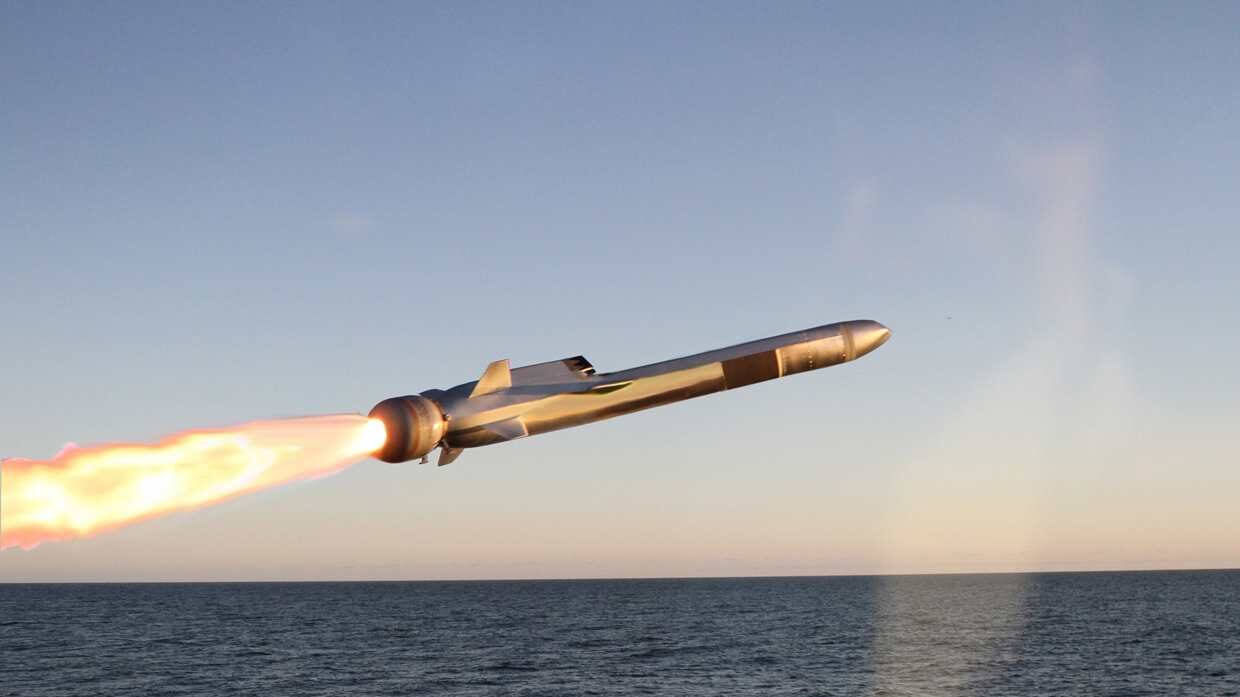
- The NSM has a range exceeding 300km and weighs 407kg.
- The LCS project has already faced significant delays.
Naval Deal Faces Uncertain Future
Malaysia is seeking urgent diplomatic engagement with Norway over a critical defense procurement that appears to be faltering. Reports have surfaced suggesting Oslo is poised to cancel a long-standing deal for Naval Strike Missiles (NSM), a development that could significantly impact Kuala Lumpur's naval capabilities and its ongoing modernization program. The Malaysian Ministry of Defense has stated its intention to use diplomatic channels to obtain further clarifications and chart a path forward. Defense Minister Mohamed Khaled Nordin publicly acknowledged the reports, noting that the procurement is reportedly facing supply issues and a potential reversal from the Norwegian government. He emphasized that Malaysia is committed to ensuring its defense readiness remains uncompromised while also preserving positive bilateral relations with Norway. The specifics of any potential financial recourse or the exploration of alternative weapons systems were not immediately detailed. This potential cancellation represents a fresh setback for Malaysia's ambitious Littoral Combat Ship (LCS) program. The program has been plagued by years of delays, and the navy's lead ship, LCS 1 Maharaja Lela, has only recently commenced sea trials. The absence of a primary anti-ship missile capability would leave a critical void in the fleet's operational capacity.
The Naval Strike Missile at a Glance
The Naval Strike Missile (NSM) is a sophisticated weapon system designed for both air and land-based target destruction. According to manufacturer Kongsberg's specifications, the missile boasts a range extending beyond 300 kilometers (approximately 186 miles). Its design prioritizes high survivability, engineered to overcome a wide array of enemy defensive measures, both soft and hard kill systems. Each NSM unit carries a substantial payload, weighing 407 kilograms (just under 900 pounds). The weapon is also capable of achieving high supersonic speeds during its flight, contributing to its effectiveness and elusiveness against countermeasures. These attributes make it a formidable asset for naval forces seeking advanced anti-ship and land-attack capabilities. The 2018 agreement between Malaysia and Kongsberg stipulated the supply of an undisclosed quantity of these advanced missiles. They were earmarked to arm a fleet of six new Royal Malaysian Navy Littoral Combat Ships, intended to form the backbone of the nation's maritime defense.
Norway's Shifting Export Policy
halt in the NSM supply to Malaysia is understood to stem from a new Norwegian policy. This directive is said to prohibit defense exports to countries outside of NATO, with exceptions made only for very close allies. Such a policy shift, if applied to the Malaysian deal, would explain Oslo's apparent change of heart regarding the 2018 agreement. While specific details regarding the Norwegian government's internal deliberations have not been disclosed, the implications for international defense partnerships are significant. The move underscores the complexities and potential volatility inherent in global arms trade, where geopolitical considerations and evolving national policies can rapidly alter established commercial relationships. Both the Norwegian Ministry of Foreign Affairs and the Ministry of Defense, along with Kongsberg, have not yet provided official comment on the unfolding situation, leaving Malaysian officials and observers awaiting a definitive statement from the Norwegian side.
A Troubled LCS Program
The potential loss of the Naval Strike Missile deal casts a long shadow over Malaysia's Littoral Combat Ship (LCS) project, a program that has already been mired in controversy and delays. The initial plan envisioned six advanced warships, intended to significantly enhance the Royal Malaysian Navy's operational reach and capabilities. However, the project has faced numerous setbacks since its inception, leading to substantial cost overruns and extended timelines. LCS 1 Maharaja Lela, the lead vessel in the class, has only recently begun its sea trials, a milestone that arrived after years of protracted development. The absence of a crucial anti-ship missile system like the NSM would fundamentally undermine the combat effectiveness of these vessels, even as they finally begin to enter the water. This situation leaves the navy in a precarious position, needing to re-evaluate its armament strategy at a critical juncture. The commitment to national defense readiness remains a stated priority for the Malaysian Ministry of Defense. However, the ongoing challenges with the LCS program, now compounded by the potential withdrawal of the NSM, raise serious questions about the timeline and ultimate success of the navy's fleet renewal efforts.
Diplomatic and Defense Implications
Malaysia's recourse to diplomatic channels signifies a measured approach to resolving the impasse with Norway. The nation aims to secure further explanations and collaboratively identify the most suitable path forward, prioritizing its national interests. This diplomatic strategy underscores the importance of maintaining constructive dialogue even when faced with challenging circumstances in international defense cooperation. The situation also highlights the strategic importance of the NSM. With a range exceeding 300 kilometers and capabilities designed to counter advanced defenses, it represents a significant technological asset. Its potential unavailability forces a strategic reassessment for the Royal Malaysian Navy, potentially necessitating a search for alternative missile systems that can fulfill a similar role. As Malaysia awaits clarification from Norway, the defense establishment will be closely monitoring the diplomatic exchanges. The outcome will not only determine the immediate future of the LCS armament but also influence broader perceptions of Norway's reliability as a defense partner and the stability of international arms agreements.
The bottom line
- Norway is reportedly halting the supply of Naval Strike Missiles (NSM) to Malaysia, citing a new export policy.
- Malaysia signed a deal for the NSM in 2018 to equip six Littoral Combat Ships, a project already facing delays.
- Defense Minister Mohamed Khaled Nordin is pursuing diplomatic channels to clarify the situation with Norway.
- The NSM is a long-range, high-survivability anti-ship missile manufactured by Kongsberg.
- The potential cancellation jeopardizes the combat readiness of Malaysia's new Littoral Combat Ships.
- Norway's stance may stem from a policy restricting exports to non-NATO nations, excluding close allies.


Singapore COE premiums hit new highs as Category A crosses S$124,790

Metal Beam Crashes Through HDB Roof in Yishun During Dismantling Works

Micron Surpasses $700 Billion Market Cap as AI-Driven Memory Shortage Fuels Rally