Singapore PM Vows to Protect Every Worker as AI Reshapes Economy
Lawrence Wong tells May Day Rally that while some jobs will disappear, the government will ensure no worker is left behind through expanded training committees and a new Tripartite Jobs Council.
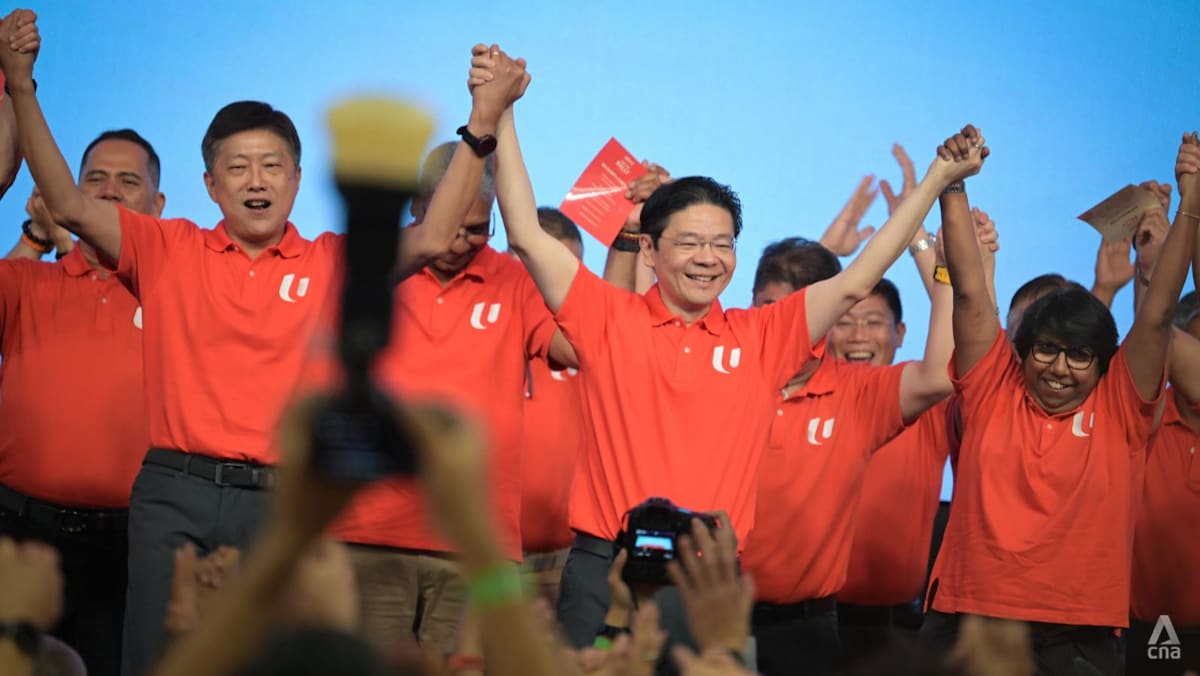
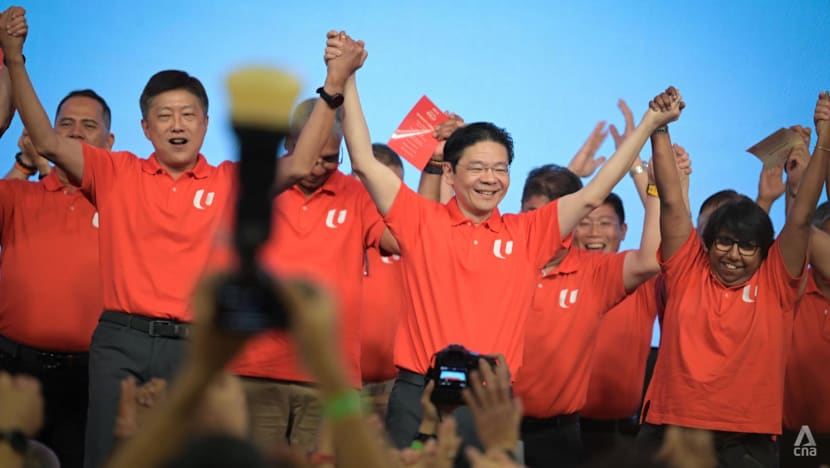
SINGAPORE —
Key facts
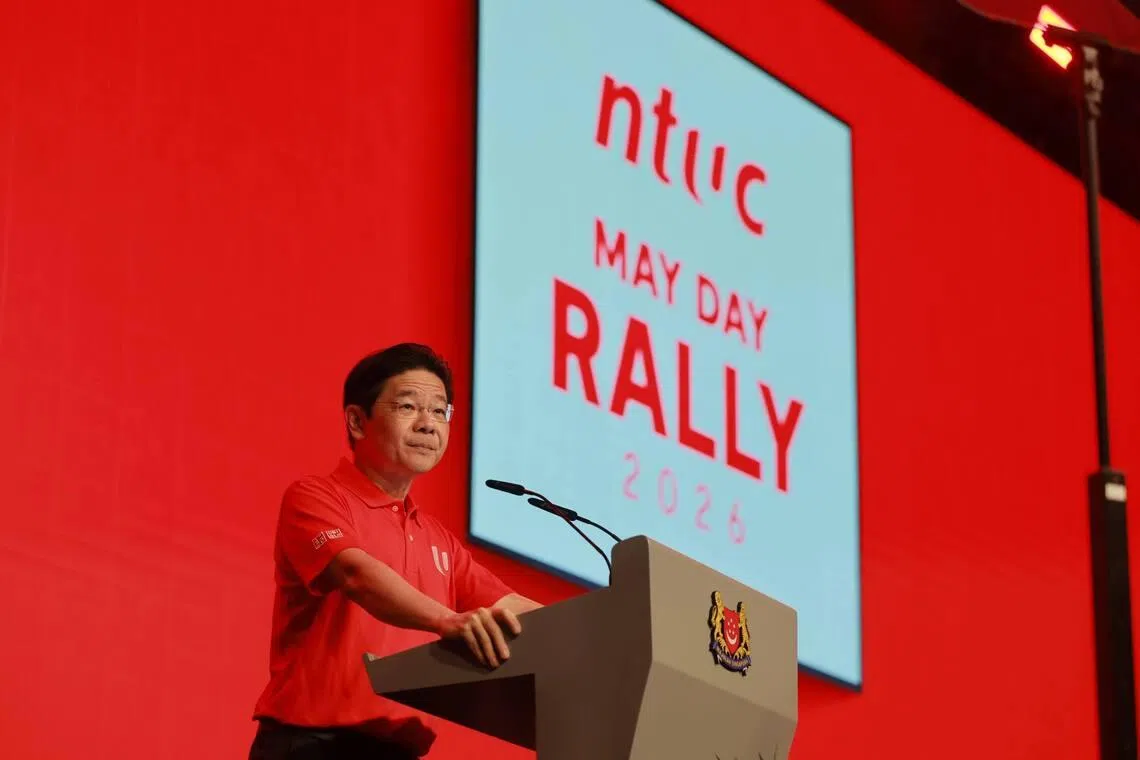
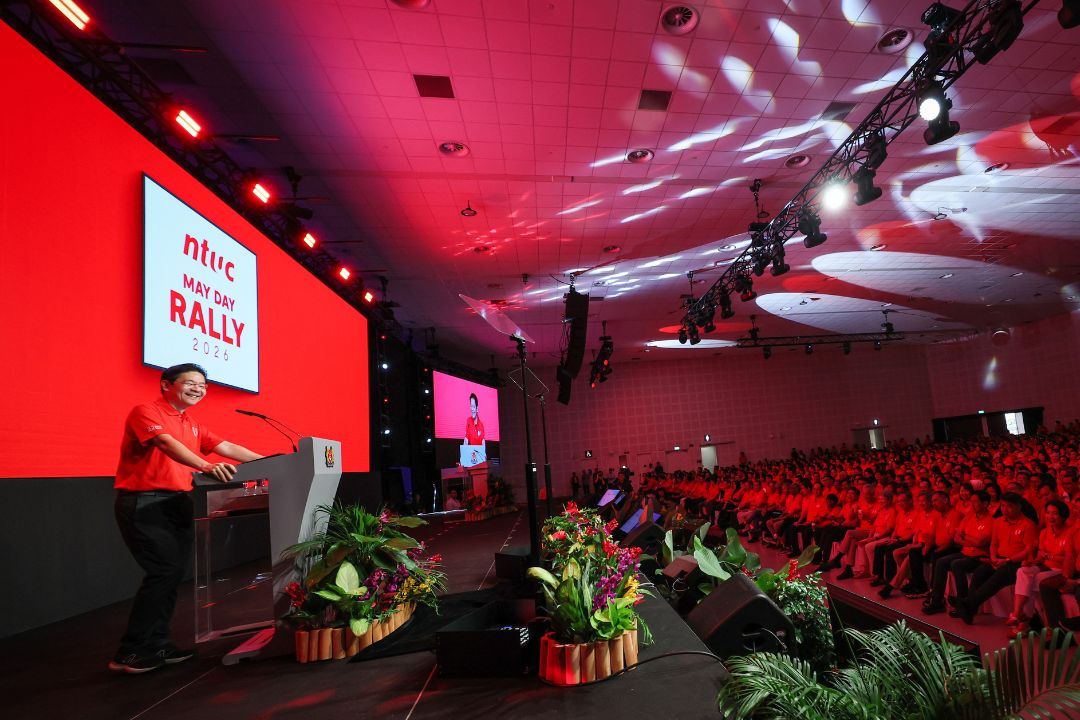
- PM Lawrence Wong spoke at the May Day Rally on May 1, 2026, at Downtown East.
- More than 1,600 union leaders and tripartite partners attended the rally.
- Over 3,800 company training committees (CTCs) have been formed since February 2019.
- CTCs can apply for grants covering up to 70% of qualifying costs for business transformation or training.
- Grants have supported more than 900 projects as of 2026.
- The Tripartite Jobs Council was announced on April 30, 2026.
- The Strait of Hormuz has been closed for over two months, causing supply disruptions.
A Pledge of Protection Amid Disruption
Prime Minister Lawrence Wong delivered a stark but reassuring message at Singapore’s May Day Rally on Friday: the government cannot shield every job from the forces of artificial intelligence, but it will protect every worker. Speaking to more than 1,600 union leaders and tripartite partners at Downtown East, Wong acknowledged the “massive” impact of AI on industries, warning that jobs will change and some will disappear at a pace faster than anything the nation has seen before. “I cannot promise that there will be no disruption,” he said. “But this I can promise you: as our economy transforms, we will create new and better jobs. We may not be able to protect every job. But we will protect every worker. Because in Singapore, every worker matters.”
AI as the Defining Technology of Our Time
Wong described AI as the “defining technology of our time,” noting that its impact on workplaces will far exceed previous waves of technological transformation. He illustrated the scale of change by pointing out that tasks once requiring entire teams can now be executed by a single person using AI agents. “These go far beyond simple chatbots. They don’t just answer your questions. They can plan and execute complex tasks from start to finish, all on their own,” he said. Drawing a parallel to his own entry into the workforce in the mid-1990s, when Excel was just gaining traction, Wong noted that while data entry clerk jobs shrank, demand for accountants and analysts who could leverage the tool grew. “AI is far more powerful than spreadsheets. So the impact on our workplaces will be much greater,” he added.
Expanding Company Training Committees
To help workers navigate the AI transition, the government plans to scale up company training committees (CTCs) across sectors. These committees, first proposed by the National Trades Union Congress (NTUC) in February 2019, bring together a company’s management and union representatives to identify the skills employees need as businesses evolve and to plan training and job changes. More than 3,800 CTCs have been formed to date. CTCs can apply for grants that cover up to 70% of qualifying costs related to business transformation or training. As of 2026, these grants have supported over 900 projects. Wong emphasized that because the CTC model has delivered concrete results, the government can take it further, noting that with AI, there is no one-size-fits-all solution. “But together, unions and employers can drive AI adoption for stronger growth and better jobs for our workers,” he said.
A New Tripartite Jobs Council
Wong also announced the formation of the Tripartite Jobs Council, established by the government, NTUC, and the Singapore National Employers Federation. The council, unveiled the day before the rally, is designed to pool resources, coordinate efforts, and guide the AI transition. Its mandate is to ensure that the national push for AI “will always benefit workers,” Wong said. The council will work alongside existing initiatives such as SkillsFuture, which is being bolstered, and the merger of Workforce Singapore and SkillsFuture Singapore into a new entity. Wong stressed that the government will provide the tools, pathways, and support, but called on Singaporeans to step forward. “Do not let anxiety or uncertainty hold you back from learning and using AI,” he urged.
Geopolitical Storm Compounds Economic Pressures
Beyond AI, Wong addressed a separate, more immediate crisis: the closure of the Strait of Hormuz for over two months due to heightened tensions in the Middle East. Iran has closed the strait, and the US has imposed blockades on Iranian ports, leading to a tense standoff with no clear resolution. The impact is already being felt across Asia, with fuel shortages, flight cuts, and factory delays. Wong warned that disruptions will extend beyond energy to fertiliser, food, and other essential inputs. Even when the strait reopens, recovery will take months because ports and energy infrastructure have been damaged, shipping lanes need mine clearance, and confidence must be restored. “So we should not expect this crisis to be over anytime soon,” he said, adding that global inflation will rise and some economies may slip into recession. Singapore’s growth will slow and inflation will rise, putting real pressure on businesses, workers, and households.
Solidarity as Singapore’s Answer
Wong framed the twin challenges of AI and geopolitical instability as tests of Singapore’s tripartite model. He recalled that when he spoke at last year’s rally, he warned of a gathering storm. “When the storm came, we did not hide. We did not retreat. Companies did not simply cut costs and abandon workers. Unions did not resist change. Instead, we did what Singaporeans have always done. We worked together. We adapted. We came through stronger,” he said. He credited this solidarity with saving jobs, raising real incomes, and delivering a stronger-than-expected economic performance. But he cautioned that there is no time to rest. “The first storm has not passed fully. And already, another storm is upon us – and this one is more severe.”
A Promise That Every Worker Matters
Wong’s address balanced realism with reassurance. He acknowledged that many Singaporeans are anxious about AI, asking whether it will replace jobs, make it harder to keep up, or diminish opportunities for the next generation. “These concerns are real,” he said. But he pointed to Singapore’s history of navigating major technological transitions, from the spreadsheet revolution to the current AI wave. The government’s deliberate steps—expanding CTCs, creating the Tripartite Jobs Council, and investing in SkillsFuture—are designed to ensure that the benefits of AI are shared broadly. Yet Wong made clear that protection does not mean stasis. “We may not be able to protect every job. But we will protect every worker,” he reiterated, a line that captured the rally’s central message: in Singapore, every worker matters.
The bottom line
- PM Lawrence Wong pledged to protect every worker, not every job, as AI disrupts industries.
- Over 3,800 company training committees have been formed to help workers reskill.
- Grants covering up to 70% of training costs have supported more than 900 projects.
- A new Tripartite Jobs Council will coordinate the AI transition and ensure benefits reach workers.
- The closure of the Strait of Hormuz for over two months is causing supply disruptions and will slow Singapore’s growth.
- Singapore’s tripartite model of government, unions, and employers is being leveraged to navigate both AI and geopolitical crises.



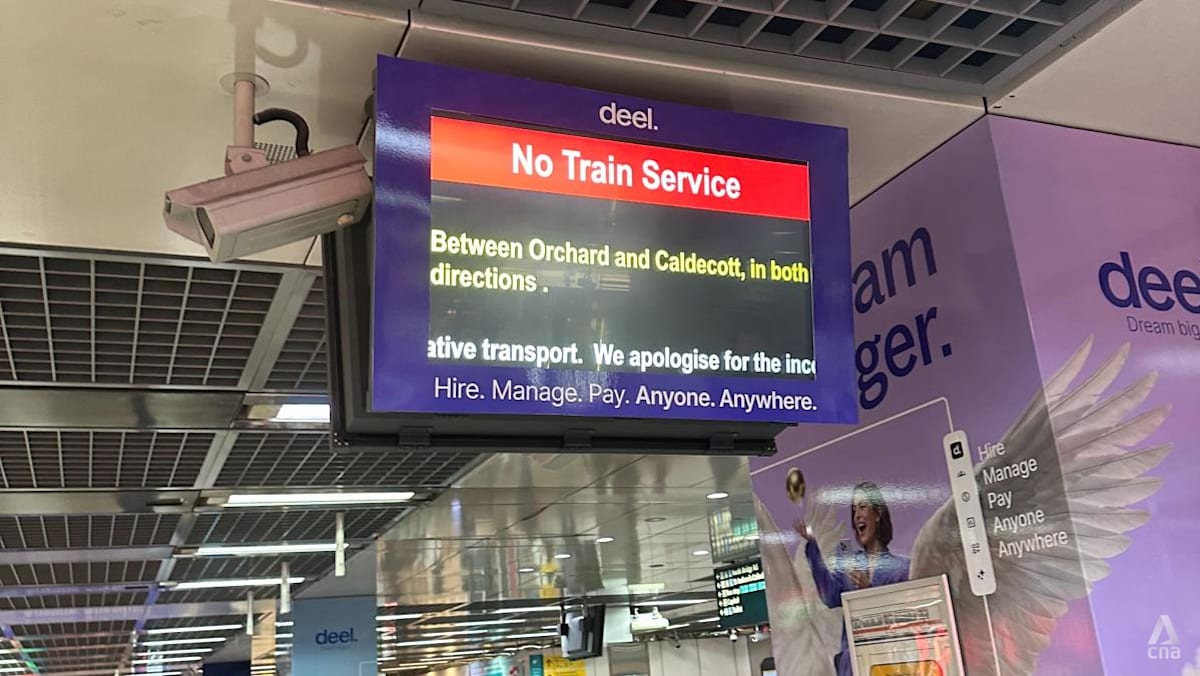
Singapore's Thomson-East Coast Line hit by signalling fault after Alstom tests; weekend service cuts planned for 2026

Metal Beam Crashes Through Yishun HDB Roof During Dismantling Works; No Injuries

Jason Holder's Four-Wicket Haul Propels Gujarat Titans to Four-Wicket Win Over Punjab Kings