Saudi Arabia, Kuwait Restore US Military Access After Hormuz Dispute
Gulf allies relented after initially blocking US forces following an operation to secure vital shipping lanes.
SINGAPORE —
Key facts
- Saudi Arabia and Kuwait have lifted restrictions on US military access.
- The restrictions were imposed after the launch of a US operation to reopen the Strait of Hormuz.
- Donald Trump halted 'Project Freedom' due to Saudi Arabia withholding support.
- The US operation aimed to ensure the free flow of shipping through the Strait of Hormuz.
- The dispute involved US military use of Saudi and Kuwaiti bases and airspace.
- The restrictions have now been reversed, restoring access for US forces.
Gulf Allies Restore Crucial Military Access
Saudi Arabia and Kuwait have reversed a significant decision, lifting restrictions that had previously blocked the United States military's use of their bases and airspace. This move comes after a period of tension that emerged following the initiation of a US-led operation aimed at reopening the vital Strait of Hormuz. The initial imposition of these barriers by the Gulf allies had created a substantial hurdle for American military operations in the region. The reversal signals a de-escalation of the dispute and a restoration of previously established security cooperation. This development is critical for regional stability and the broader geopolitical landscape, particularly concerning maritime security in one of the world's most critical shipping chokepoints.
The Genesis of the Hormuz Standoff
The dispute's origins lie in the US launch of an operation designed to ensure the unimpeded flow of shipping through the Strait of Hormuz. This vital waterway has been a focal point for international maritime traffic and a potential flashpoint for regional conflict. In response to this US action, Saudi Arabia and Kuwait initially chose to deny the American military access to their strategic bases and airspace. This decision directly impacted the operational capabilities of US forces in the vicinity. The withholding of support by Saudi Arabia was a key factor that led to the halting of a specific US initiative, referred to as 'Project Freedom,' underscoring the direct consequences of the diplomatic friction.
Project Freedom Halted Amidst Diplomatic Snag
The ramifications of Saudi Arabia's stance were significant, leading directly to the suspension of 'Project Freedom.' This initiative, spearheaded by Donald Trump, was apparently shelved due to the lack of crucial support from Riyadh, specifically the denial of essential airspace access. Sources indicate that the decision to halt the project was a direct consequence of the Saudis refusing to grant the necessary permissions for US military operations. This created an untenable situation for the project's continuation. The subsequent lifting of these restrictions by both Saudi Arabia and Kuwait suggests a resolution to the underlying issues that prompted the initial denial of access.
Strategic Importance of the Strait of Hormuz
The Strait of Hormuz, a narrow waterway connecting the Persian Gulf to the open ocean, is of paramount strategic and economic importance. It serves as a critical transit point for a significant portion of the world's oil supply. Ensuring the free flow of shipping through this chokepoint is a consistent priority for global powers and regional actors alike. Any disruption or threat to this passage carries substantial implications for international energy markets and global trade. The US operation, and the subsequent diplomatic maneuvering, highlight the persistent efforts to maintain security and stability in this highly sensitive maritime zone.
Restoration of Access and Future Implications
The decision by Saudi Arabia and Kuwait to restore access for the US military marks a significant turning point in the recent diplomatic standoff. It effectively removes the immediate obstacles that had complicated American operational planning in the region. This resolution is likely to be viewed as a positive development for regional security architecture and the broader US strategy in the Middle East. It reaffirms the importance of bilateral military cooperation between the US and its Gulf partners. Moving forward, the focus will be on maintaining the stability of the Strait of Hormuz and ensuring that such diplomatic disputes do not impede critical security operations in the future.
The bottom line
- Saudi Arabia and Kuwait have reinstated access for US military bases and airspace.
- The restrictions were a direct response to a US operation in the Strait of Hormuz.
- Donald Trump's 'Project Freedom' was halted due to Saudi Arabia's refusal of support.
- The Strait of Hormuz is a vital global shipping lane for oil and trade.
- The lifting of restrictions resolves a recent diplomatic and operational challenge for the US in the region.

Louis Vuitton Wins S$510,000 in Singapore Counterfeit Case
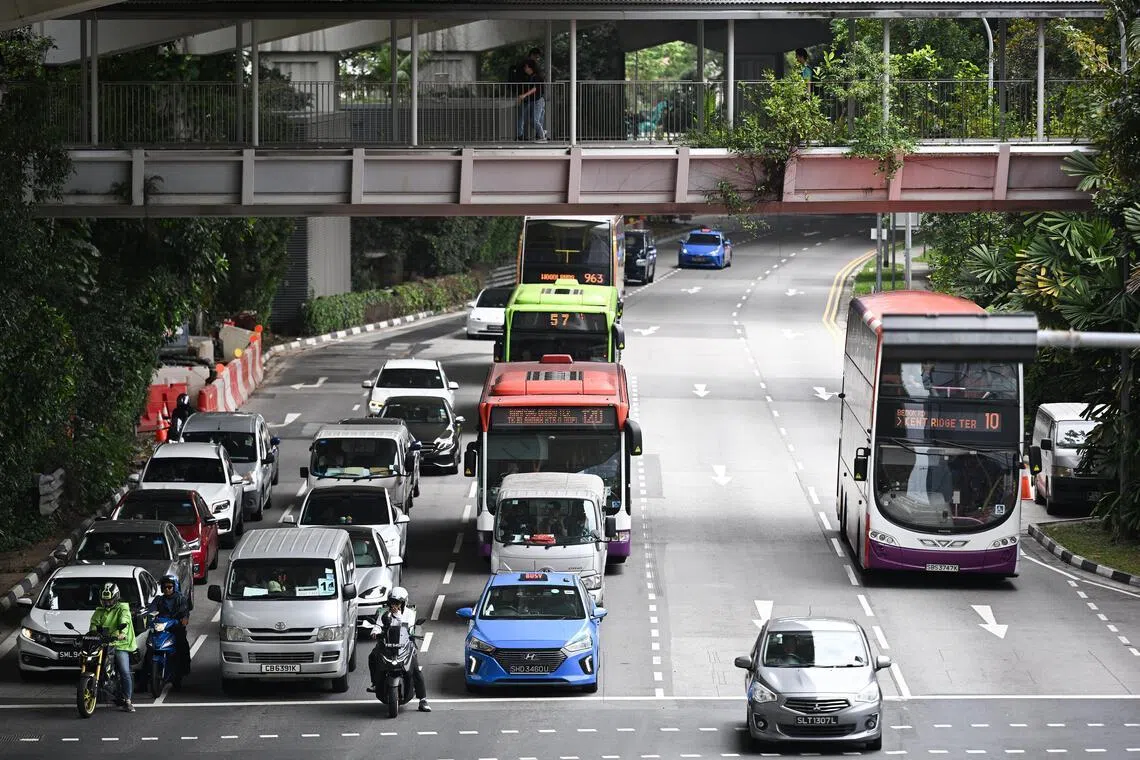
Singapore COE premiums hit new highs as Category A crosses S$124,790
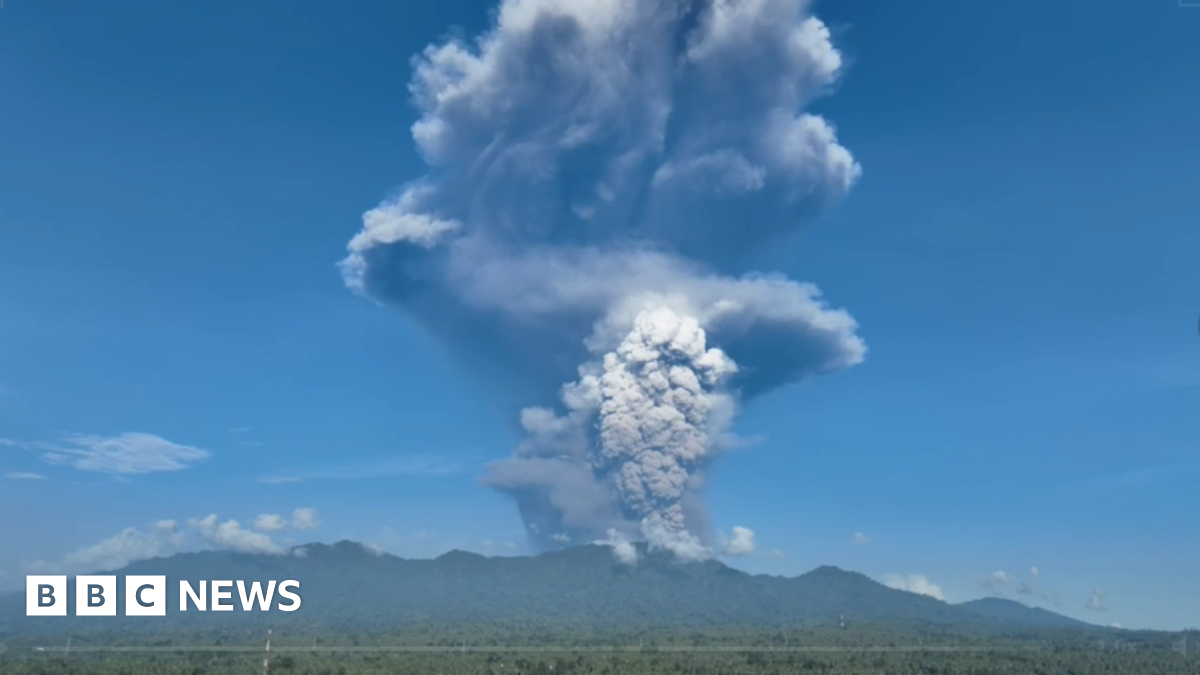
Mount Dukono Eruption Kills Three Hikers, Including Two Singaporeans