SG Alert Public Testing Confirms Digital Mandate for Emergency Preparedness
The Singapore Civil Defence Force launches island-wide tests on May 10, activating a new mass alert system accessible to all mobile users regardless of internet connection.
SINGAPORE —
Key facts
- The Singapore Civil Defence Force (SCDF) will test SG Alert on Sunday, May 10, at 12pm.
- The system will notify mobile users on Singtel's network, including foreign visitors and those using Gomo, Zero1, VIVIFI, and ZYM Mobile networks.
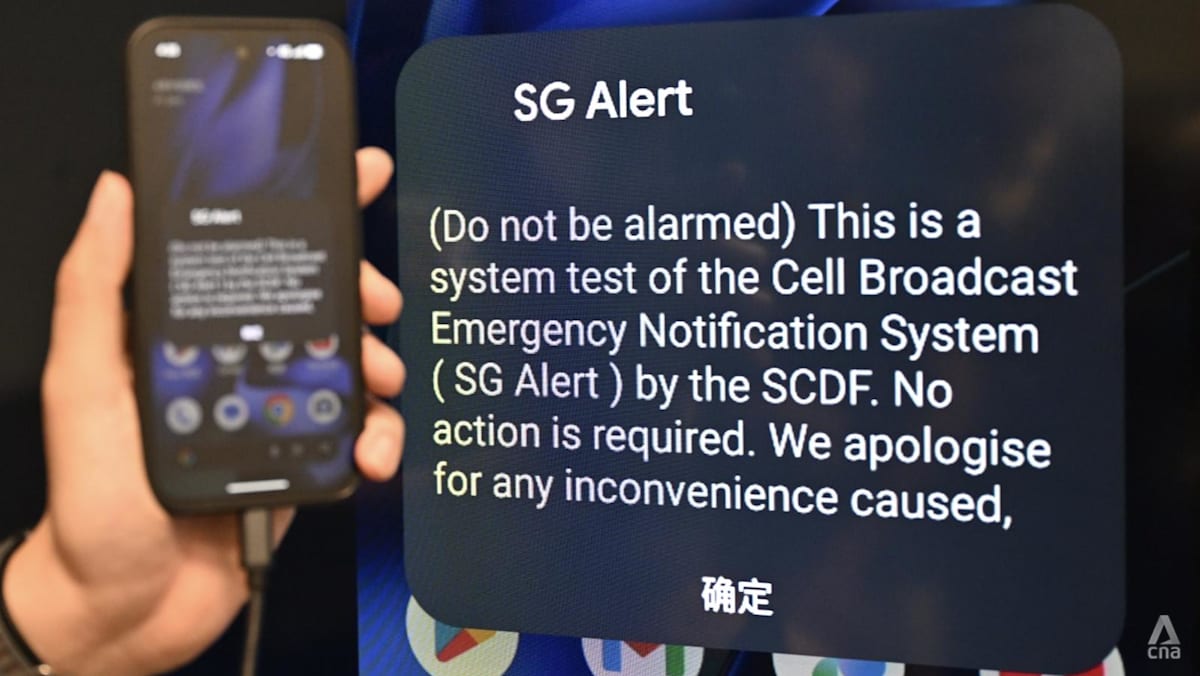
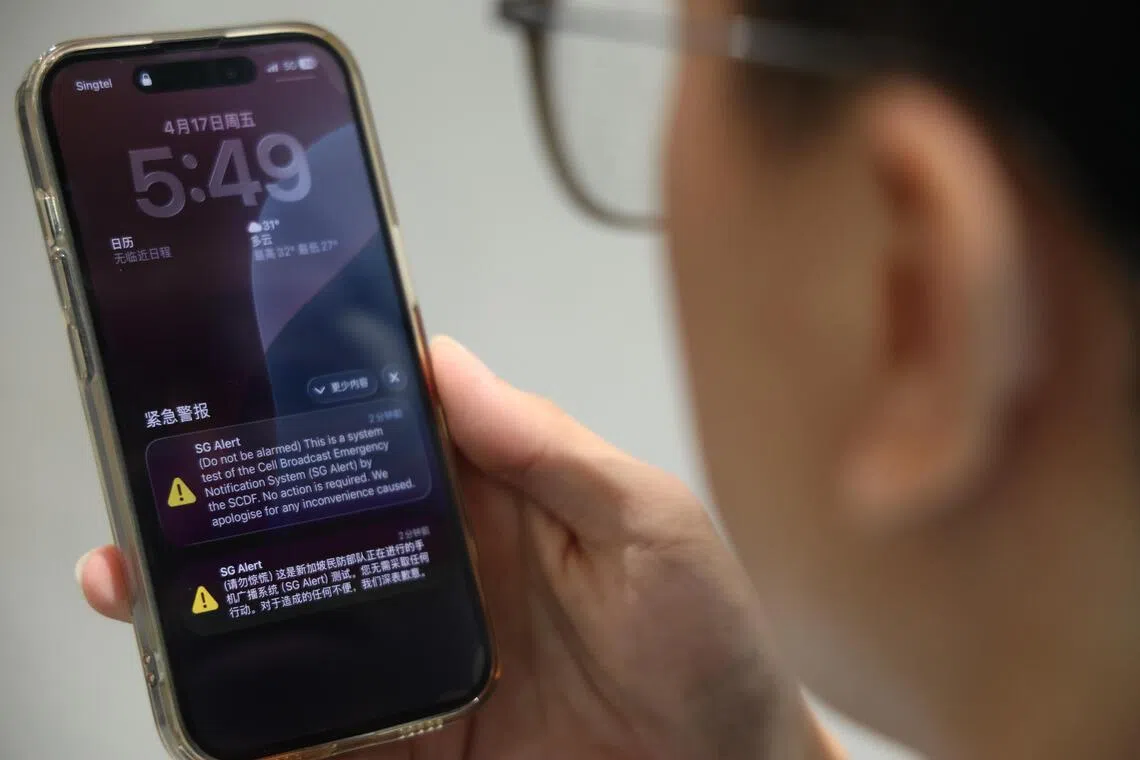
- Alerts will appear as a pop-up notification with a unique tone, lasting up to 10 seconds, overriding silent modes.
- Support requires Apple iOS 26.4 or later, or Android OS 12 and above, with the latest Google Play update from February 2026.
- Rollout plans dictate StarHub users receive alerts by the end of 2026, followed by M1 and SIMBA by mid-2027.
- No app download or account registration is needed to receive the emergency alert.
Island-Wide Test Activates New Emergency Alert System
On Sunday, May 10, the Singapore Civil Defence Force (SCDF) will conduct an island-wide public test of SG Alert, the nation's new mass emergency notification system. The test, scheduled for noon, will see mobile phones connected to the Singtel network receiving simulated alerts, marking the first public activation of the comprehensive system. SG Alert is engineered to rapidly communicate during major crises—whether stemming from chemical spills, terror incidents, or significant fires—allowing authorities to guide the public to immediate protective actions. The test aims to ensure that the populace can be quickly and reliably alerted when timely action is crucial. The alert is designed to penetrate deep into a phone's settings, appearing as a prominent pop-up notification bearing the header 'SG Alert.' It is coupled with a distinct, unique tone and vibration pattern that persists for up to ten seconds.
Functionality and Universal Reach in Connectivity Gaps
A critical feature of the system is its capacity to function irrespective of internet access. During the May 10 testing, mobile devices connected to the Singtel network—including those utilized by foreign visitors on data-only eSIM plans—will receive the alert even if the phones are disconnected from the internet. Furthermore, the alert mechanism is designed to circumvent typical privacy settings. It will override
Technical Requirements and Compatibility Scope
To ensure consistent and reliable reception, users must maintain updated operating systems. SG Alert requires phones running Apple iOS 26.4 or later, or Android OS 12 and above, coupled with the latest Google Play system update from February 2026. Older phone models, while still participating in the test, may instead display the warning under the 'Presidential Alert' header due to compatibility limitations. Crucially, the system mandates no accompanying actions from the user: no mobile application downloads or separate account registrations are needed to receive the alert. However, the SCDF emphasized that ensuring the device software remains current is essential for uninterrupted access to emergency communications.
Phased Rollout Across Singapore's Telecom Ecosystem
The system’s deployment is strategically phased across Singapore’s major telecommunications networks. The current testing on May 10 marks the first phase roll-out, focusing on the Singtel network. Looking ahead, SCDF has set clear deadlines for subsequent integrations. StarHub users are slated to receive the full SG Alert functionality by the end of 2026. This will be followed by integration with the M1 network, and subsequently, the SIMBA network, scheduled for mid-2027. The system’s initial development was a partnership involving the Home Team Science and Technology Agency, the Infocomm Media Development Authority, and Singtel.
The Strategic Importance of Instant Public Information
The underlying purpose of SG Alert is to transform emergency response capabilities from slower, localized warnings into immediate, comprehensive public directives. It moves beyond simple notification, allowing authorities to transmit a brief description of the crisis, pinpoint the affected location(s), and outline mandatory protective actions. The alert system will also provide official sources and links for further information, ensuring that the public can quickly access verified details during high-stress incidents. In addition, the messaging is customizable to the user’s preference, defaulting to English but automatically delivering messages in Mandarin, Malay, or Tamil if those are the user's preferred mobile language settings.
The bottom line
- The public test on May 10 confirms that SG Alert is designed to operate regardless of whether the recipient is connected to the network, ensuring maximum reach during emergencies.
- The system is built on robust compatibility, accommodating older devices to a degree, but modern OS versions are required for optimal performance.
- The rollout strategy is staggered and continuous, indicating that coverage and functionality enhancements will occur well beyond the initial deployment dates.
- The standardized system alerts provide multiple layers of information, including context, required action, and official sources for verification.
.jpg?sfvrsn=fdaf9ed0_1)




Louis Vuitton Wins S$510,000 in Singapore Counterfeit Case
Mount Dukono Eruption Kills Three Hikers, Including Two Singaporeans

Crystal Palace Reaches Conference League Final After Beating Shakhtar Donetsk