Singapore Warns of 'Godzilla El Nino' Risk and Regional Haze
Minister Grace Fu highlights potential for intense forest fires and haze fuelled by a powerful El Niño cycle.
SINGAPORE —
Key facts
- Minister Grace Fu warned of a potential 'Godzilla El Nino' cycle on May 7.
- The El Niño event could trigger more intense forest fires and haze in South-east Asia.
- Singapore experienced hazy conditions earlier in 2026 due to fires in Johor.
- in Indonesia and Malaysia in late March, the highest in seven years.
- The World Meteorological Organization predicts El Niño could return between May and July.
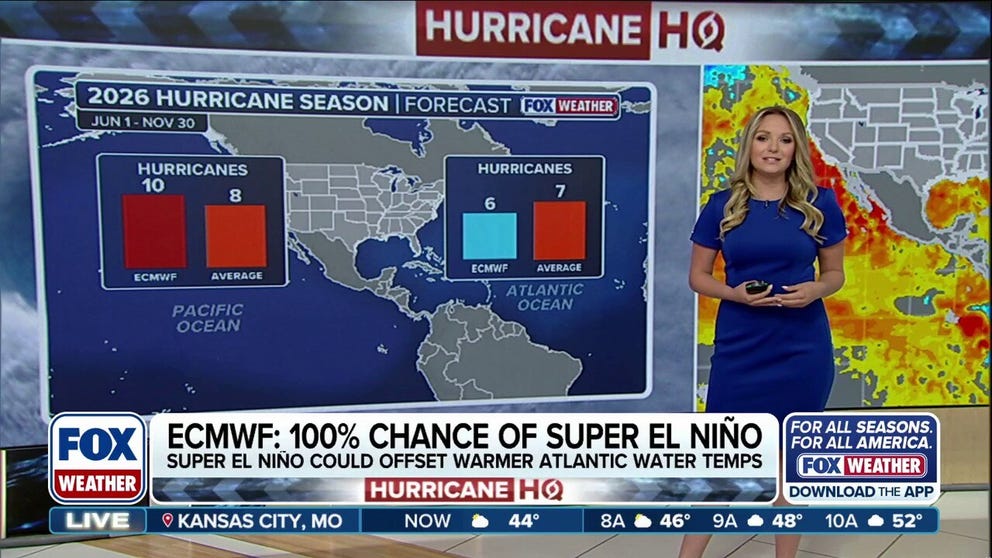
- European Centre for Medium-Range Weather Forecasts models suggest a 100% chance of a super El Niño.
- Indonesia has seen 11,000 hot spots in 2026, with 65% on concession land.
Regional Peril Looms as El Niño Intensifies
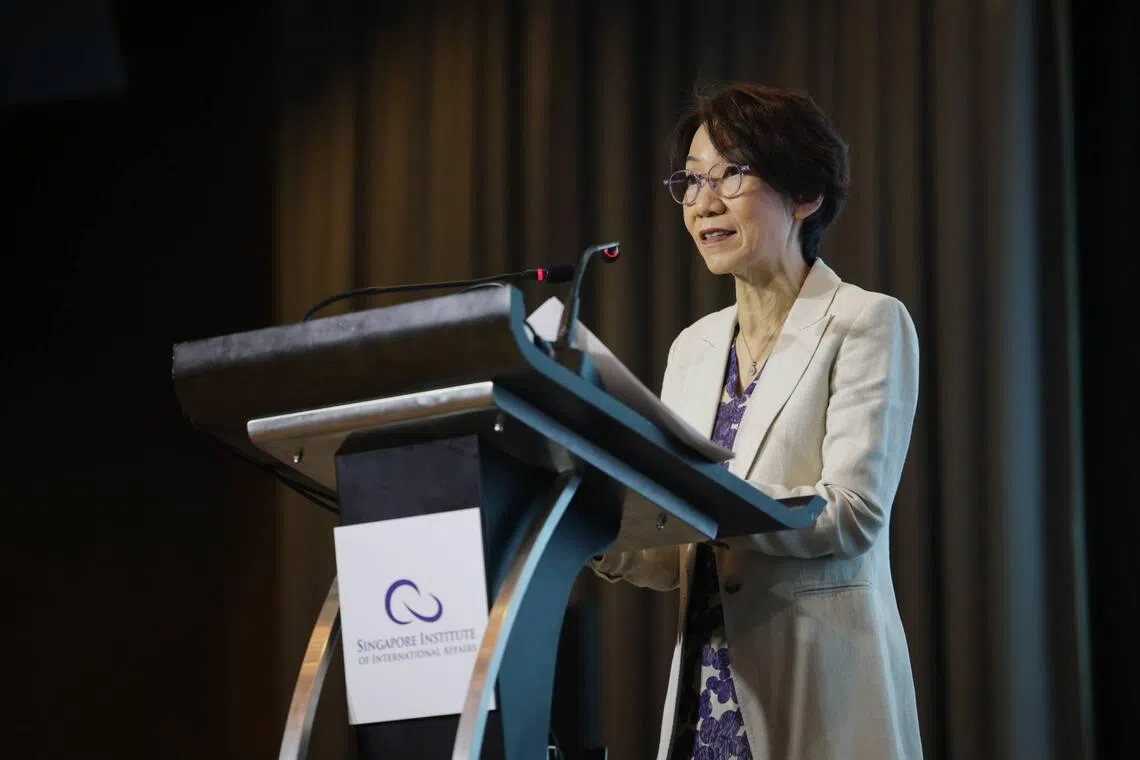
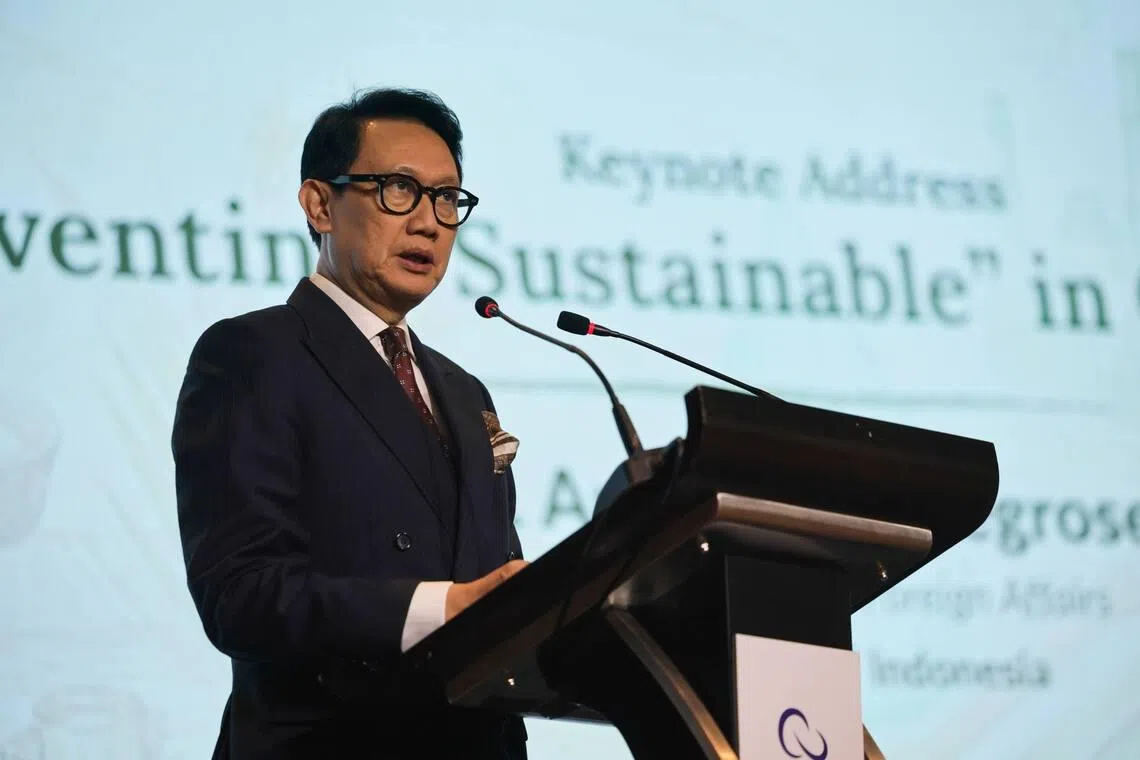
Singapore faces a potential 'perfect storm' of geopolitical developments and climate change, with a powerful El Niño cycle threatening to exacerbate regional environmental challenges. Minister for Sustainability and the Environment Grace Fu issued a stark warning on May 7, suggesting that projected hotter and drier conditions later in 2026 could fuel more intense forest fires and haze across South-east Asia. Speaking at the annual Singapore Dialogue on Sustainable World Resources, Ms. Fu described the situation as a "double whammy" with severe implications for the region's agri-commodity sector. The minister's cautionary message underscores the growing vulnerability of South-east Asia to climate-induced disasters, with a particular focus on the recurring threat of transboundary haze. The annual event, held at One Farrer Hotel, also saw participation from Indonesia’s Vice-Minister for Foreign Affairs Arif Havas Oegroseno, signalling the regional dimension of the crisis. The dialogue aimed to foster cooperation on sustainable resource management amidst escalating environmental pressures.
The Specter of a 'Godzilla El Nino'
Meteorological agencies are forecasting a potential 'super El Nino,' or 'Godzilla El Nino' cycle, which could amplify the impacts of climate change. The World Meteorological Organization (WMO) predicts this phenomenon will likely lead to increased drought conditions in South-east Asia. Early indicators suggest this El Niño could be particularly strong, intensifying the hotter and drier weather patterns typically associated with the event in the region. This heightened risk of wildfires is a primary concern for nations like Singapore, which have previously grappled with severe air quality issues stemming from land and forest fires. Data released this week indicates that water temperatures in a key region of the central equatorial Pacific Ocean could reach up to 3 degrees Celsius above average late in the year. Such an anomaly could approach or surpass records set in 1877 and 2015, solidifying its classification as a 'super El Niño'.
Lessons from Past Haze and Rising Hot Spots
Ms. Fu's warning follows several weeks of hazy conditions experienced by Singapore earlier in 2026. These episodes were attributed to hot spots and vegetation fires predominantly located in Johor, Malaysia. Although the 24-hour Pollutant Standards Index readings remained within the moderate range, a pervasive burning odour affected many parts of the island. Compounding these concerns, in late March that over 800 hot spots were detected across Indonesia and Malaysia. This figure represents the highest number recorded in seven years, highlighting a significant escalation in land and forest fire activity. Further evidence of the scale of the problem emerged from the World Resources Institute Indonesia’s country head, Nirarta “Koni” Samadhi. He noted that in 2026 alone, Indonesia has recorded 11,000 hot spots, with a staggering 65 percent occurring on concession land owned by major plantation and forestry companies.
Regional Cooperation and Monitoring Efforts
In response to the escalating threat, Ms. Fu urged ASEAN nations to enhance their vigilance and foster closer regional cooperation. She specifically called for strengthened adherence to the legally binding ASEAN Agreement on Transboundary Haze Pollution. A high-level ministerial committee, tasked with coordinating efforts to monitor and manage land and forest fires, was also highlighted as a critical mechanism for collective action. The ASEAN Specialised Meteorological Centre anticipates increased hot spot activity as the traditional dry season commences around June in the southern ASEAN region, encompassing Singapore, Malaysia, and Indonesia. The centre's website explicitly warns of the "risk of transboundary smoke haze occurrence over areas experiencing prolonged dry conditions during June and July," particularly when prevailing winds blow from the south-east or south-west. This risk, it states, "could intensify if El Nino develops."
European Forecasts Indicate Unprecedented El Niño Strength
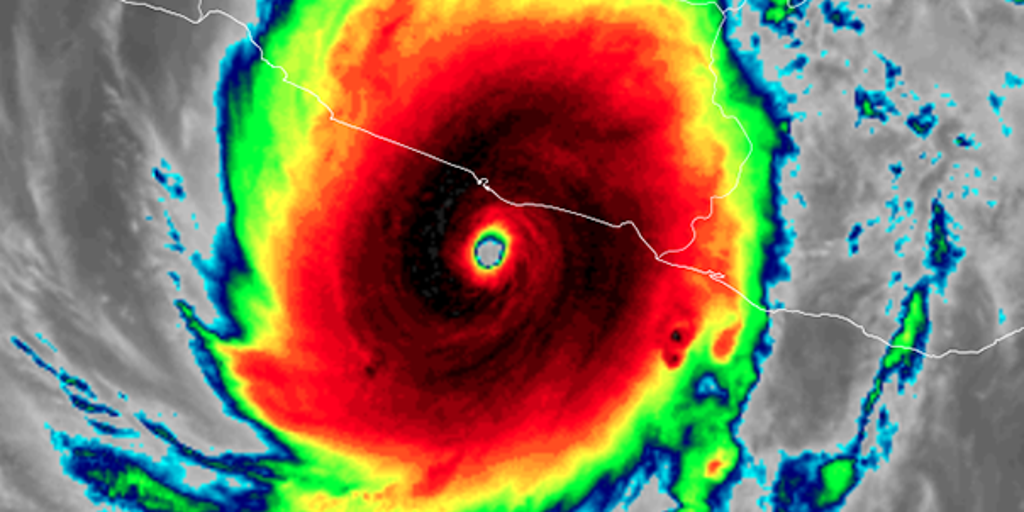
Long-range forecast models from the European Centre for Medium-Range Weather Forecasts (ECMWF) suggest a 100% probability of a super El Niño forming by November. This forecast represents a significant increase in certainty compared to earlier projections; in March, data indicated only about a 55% chance of reaching the Super El Niño threshold by September. The potential strength of this El Niño event is unprecedented, with forecasts suggesting it could be the strongest ever recorded. The ECMWF's May long-range forecast model underpins these predictions, indicating a potentially historic climatic phenomenon. Such a powerful El Niño typically influences global weather patterns, including suppressing hurricane activity in the Atlantic while potentially increasing it in the Eastern Pacific. However, the ECMWF's current projections do not indicate a drastic decrease in Atlantic hurricane numbers for the season, suggesting the most significant El Niño effects might manifest later in the year.
Broader Climate Implications and Future Outlook
The potential for a 'Godzilla El Nino' carries broader implications beyond regional haze, influencing global temperature trends and weather systems. The WMO's prediction that this event will amplify climate change impacts underscores the interconnectedness of global environmental challenges. While the ECMWF forecast suggests a potential suppression of Atlantic hurricane activity, it also predicts above-average ocean temperatures for most of the season. This could lead to a wetter fall and winter in the southern United States, illustrating the complex and varied effects of a strong El Niño. As South-east Asia braces for potentially hotter and drier conditions, the focus remains on regional preparedness and cooperation. The upcoming dry season, coupled with the predicted El Niño, presents a critical test for existing agreements and monitoring mechanisms aimed at mitigating transboundary haze and forest fires.
The bottom line
- A powerful 'Godzilla El Nino' is forecast to develop, potentially causing severe drought and increasing wildfire risks in South-east Asia.
- Singapore experienced significant haze in early 2026 due to fires in neighbouring Johor.
- Over 800 hot spots were detected across Indonesia and Malaysia in late March, the highest in seven years.
- The World Meteorological Organization confirms the potential return of El Niño between May and July.
- European weather models indicate a 100% chance of a 'super El Niño' forming by November.
- ASEAN nations are urged to strengthen cooperation under the ASEAN Agreement on Transboundary Haze Pollution to manage fire risks.




Actor Zong Zijie Fined S$800, Banned from Driving for Speeding

Durian Seller Accused of Aggressive Tactics in Singapore
LeBron James, at 41, Leads Lakers into Thunder Gauntlet Without Dončić