Spirit Airlines Ceases Operations After $500 Million Bailout Fails
The ultra-low-cost carrier shuts down immediately, stranding passengers and raising fears of higher airfares across the industry.
SINGAPORE —
Key facts
- Spirit Airlines ceased operations at 3 a.m. EST on May 2, 2026.
- The carrier had sought a $500 million federal bailout in exchange for warrants that could give the government up to a 90% stake.
- President Trump offered a final bailout proposal on May 1, but it could not be finalized due to financial complications.
- Spirit has been in Chapter 11 bankruptcy protection for the past 18 months.
- The airline has accumulated losses exceeding $2.5 billion since 2020.
- Average fares jumped 23% (about $60 for a round-trip) when Spirit exited a route.
- Spirit CEO Dave Davis expressed gratitude for Trump's support in a statement last week.
Abrupt Shutdown Leaves Passengers Stranded
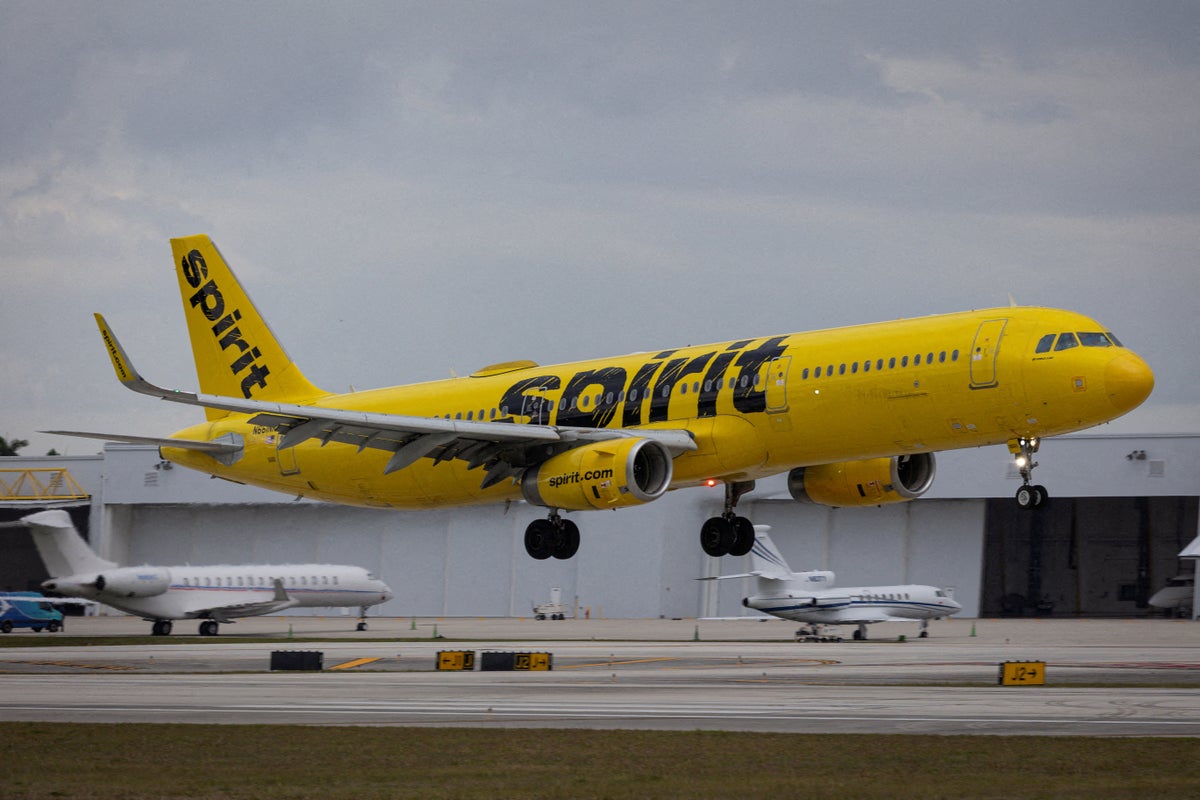
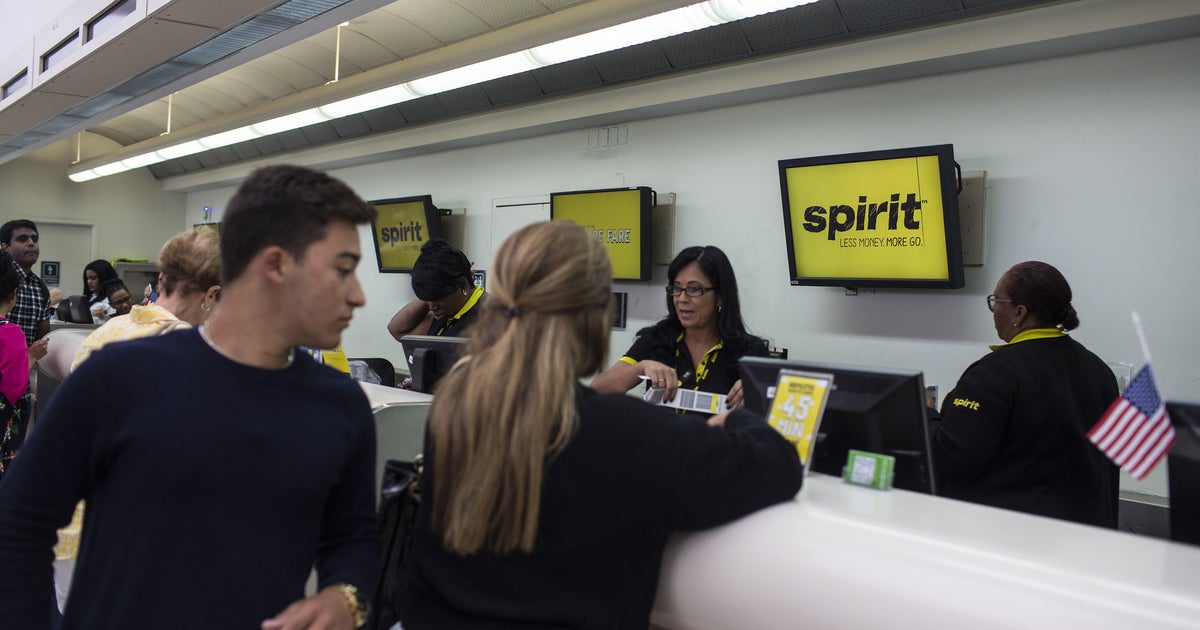
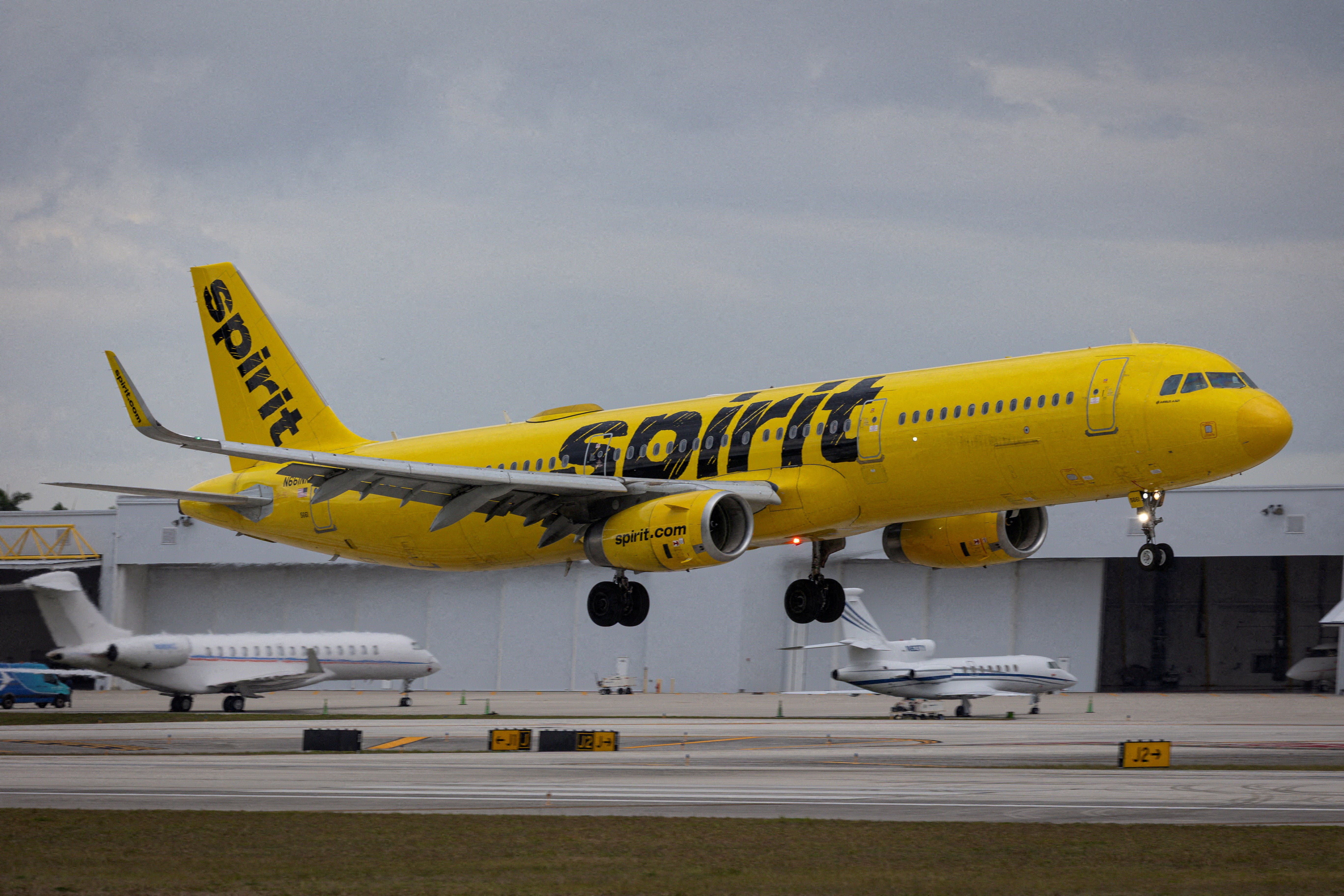
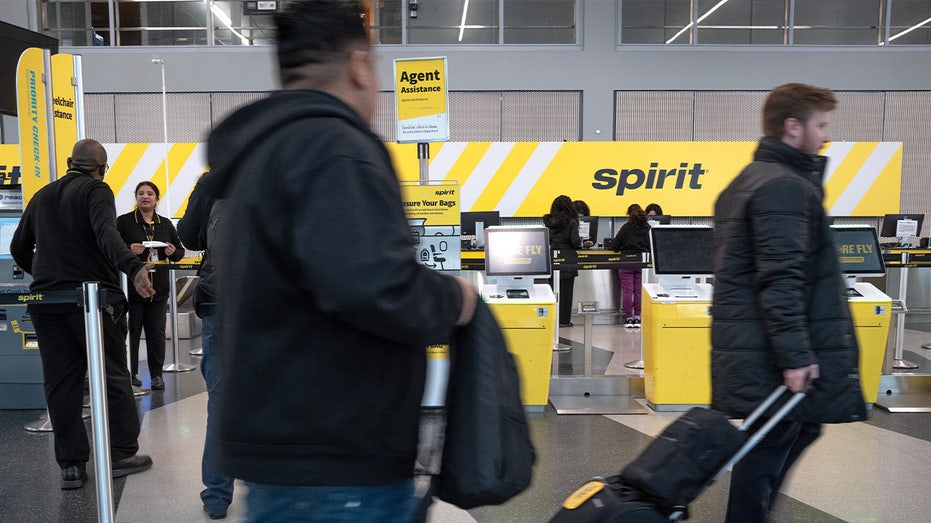
Spirit Airlines announced early Saturday that it is ceasing operations effective immediately, after a last-ditch effort to secure a $500 million federal bailout collapsed. The carrier said in a statement: "It is with great disappointment that on May 2, 2026, Spirit Airlines started an orderly wind-down of our operations, effective immediately. To our Guests: all flights have been canceled, and customer service is no longer available." The shutdown leaves thousands of passengers scrambling for alternative travel arrangements. United Airlines said Friday it is preparing to support Spirit customers and employees, with more details to come. American Airlines also announced steps to assist stranded passengers if Spirit halted service. The abrupt closure comes despite the airline's optimistic social media posts just hours earlier, in which it assured customers that "Spirit continues to operate and offer high-value travel options."
Bailout Negotiations Stalled Amid Internal Disagreements
The airline had been negotiating with the Trump administration for a rescue package that would have provided $500 million in loans in exchange for warrants, potentially giving the government up to a 90 percent stake. However, the effort stalled because Spirit could not secure the necessary backing from bondholders and government stakeholders, people familiar with the matter told the Wall Street Journal. There were reportedly disagreements within the Trump administration over whether and how to fund the bailout, while not all Spirit bondholders were on board with the deal. President Trump told reporters in the Oval Office on Friday that his administration offered a "final" bailout to Spirit, warning the carrier may be forced to liquidate without it. "If we could do it, we'd do it, but only if it's a good deal this weekend, because they haven't gotten a deal looking at it," Trump said. "I said I'd like to save the jobs but we'll have an announcement sometime today...We gave them a final proposal." Trump also met with several Cabinet secretaries on April 21 to try to finalize the agreement.
Rising Fuel Costs and Pandemic Legacy Pushed Airline to Brink
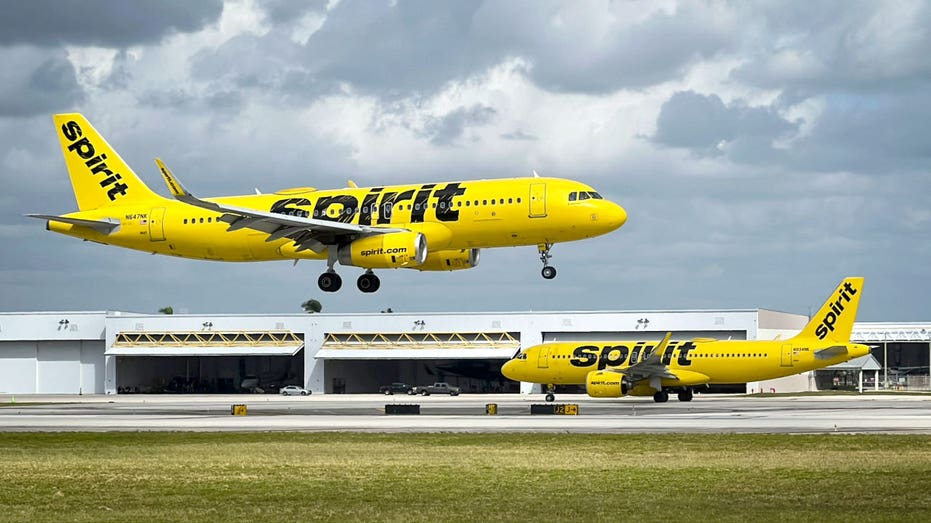
Spirit has been under intense pressure from rising fuel costs, which have roughly doubled since the outbreak of the Iran war. Without a government bailout, those higher expenses quickly drained what remained of Spirit's cash. The airline has spent much of the past 18 months in Chapter 11 bankruptcy protection as it faced the threat of liquidation over rising fuel costs, last week. Spirit has struggled to recover since the COVID-19 pandemic, as travel patterns shifted and many passengers increasingly preferred full-service airlines over ultra-low-cost carriers. The airline’s finances took a major hit, with losses piling up to more than $2.5 billion since 2020. The carrier operated its distinctive bright yellow planes and carried millions of passengers last year.
Higher Fares Expected as Budget Carrier Exits Market
A Spirit Airlines shutdown is expected to ripple through commercial aviation, likely raising fares as the budget carrier exits the market, industry experts said. "Any time you have a reduction in capacity and demand increases, airfares have nowhere to go but up. And that doesn't count the fares that are already rising because of the spike in fuel prices," CBS News travel editor Peter Greenberg said. A CBS News analysis of Cirium data found average fares jumped 23%, or roughly $60, for a round-trip flight when Spirit exited a route. Overall passenger volume also fell 20% after the carrier left a market. Spirit's failure could boost fares at a time when ticket prices are already elevated due to higher jet fuel costs from the Iran war. The loss of Spirit's ultra-low-cost model, which had been a hallmark for 34 years, reduces competition in an already concentrated industry.
Refund Guidance for Stranded Passengers
Customers with tickets for future Spirit flights are entitled to full refunds if the airline goes out of business. "If you're holding a Spirit ticket for a flight that hasn't happened yet, you'll get that back from your credit card company under federal credit laws," Greenberg said. However, travelers may encounter obstacles obtaining their refunds. "Watch what happens very closely, and if the airline ceases operation, call the credit card you used to buy the ticket and dispute the charge," Eric Rosen, director of travel content at The Points Guy, advised. "The result is a non-delivery of service, which is grounds for disputing a charge." Spirit customers who paid cash or used airline loyalty points could be out of luck, Rosen said, noting that those points cannot be transferred to other airlines' loyalty programs. Julian Kheel, founder of Points Path, advises against canceling a ticket for an upcoming Spirit flight. "Canceling your ticket now without a promise of a refund will eliminate all protections. Instead, hang on to your ticket and file a chargeback with your bank," he said.
Political Divisions Over Bailout and Future of 14,000 Jobs
The failed bailout has highlighted political divisions over government intervention in private industry. Senator Ted Cruz poured cold water on the Trump administration plan to bail out Spirit Airlines, calling it a "terrible idea." Trump himself had expressed a desire to save the airline's 14,000 jobs, telling CNN on April 22, "I'd love somebody to buy Spirit. It's 14,000 jobs, and maybe the federal government should help that one out." Spirit CEO Dave Davis told The Independent in a statement last week that he values Trump’s interest in the company. "We are grateful for President Trump's support and look forward to continuing to work with him and his Administration on a solution that protects thousands of jobs, preserves and enhances competition and helps ensure Americans continue to have access to affordable fares," Davis said. The Commerce and Transportation Departments were reportedly both involved in the discussions.
Uncertainty Looms as Liquidation Begins
Without agreement from both bondholders and government stakeholders, the airline could not secure the funding it needed to continue operations, according to the Journal. As a result, people familiar with the situation say the airline is now preparing for the possibility of running out of cash and shutting down entirely, including plans to liquidate its fleet, though the exact timeline remains unclear. The carrier's statement confirmed an "orderly wind-down" but did not specify how long the process would take. The shutdown marks the end of a 34-year run for the airline that pioneered ultra-low-cost travel in the United States. The broader implications for the aviation industry are significant: reduced capacity, higher fares, and the loss of a competitive force that had forced other carriers to keep prices in check. As Spirit's bright yellow planes are grounded, travelers and industry observers alike are bracing for a more expensive and less competitive flying landscape.
The bottom line
- Spirit Airlines ceased operations on May 2, 2026, after a $500 million federal bailout fell through.
- The airline had been in Chapter 11 bankruptcy for 18 months and had lost over $2.5 billion since 2020.
- Rising fuel costs from the Iran war and shifting travel patterns post-pandemic were key factors in its collapse.
- Passengers with tickets should dispute charges with credit card companies; cash and loyalty points may be lost.
- Industry experts predict higher airfares as Spirit's exit reduces competition and capacity.
- The shutdown leaves 14,000 employees without jobs and raises questions about government intervention in private industry.



Singapore Sees 40% Surge in Cancer Screenings as Urothelial Cancer Claims Marathoner

DBS Reports Record Total Income of S$5.95 Billion in 1Q2026, Lifts Dividend to S$0.81

Mandatory TB Screenings Ordered for Bedok Central After 13 Genetically Linked Cases Found