Singapore Crackdown Seizes Thousands of Illegal Health Products
Authorities remove nearly 1,000 online listings, with unregistered contact lenses dominating the haul.
SINGAPORE —
Key facts
- 959 illegal health product listings removed in Singapore.
- Over 82% of removed listings were for unregistered contact lenses.
- 6,641 units of illegal health products seized at Singapore checkpoints.
- Operation Pangea involved 89 countries and was coordinated by Interpol.
- Prescription medicines comprised 36% of seized border products.
- Ivermectin accounted for 30% of seized border products.
- 152 sellers were issued warnings by the Health Sciences Authority.
Massive Haul in Global Health Product Sweep
Singapore authorities have dismantled nearly 1,000 online sales channels offering illegal health products, a significant portion of which involved unregistered contact lenses. The two-week enforcement action, conducted between March 10 and March 26, resulted in the removal of 959 listings from e-commerce and social media platforms. This operation was part of a broader, Interpol-led global initiative targeting illicit pharmaceuticals and medical devices. The sweep underscores a persistent challenge for regulators: the proliferation of unverified health goods sold online. The Health Sciences Authority (HSA) issued warnings to 152 sellers identified during the crackdown, signalling a firm stance against those profiting from potentially dangerous products. Beyond the online sphere, border control measures intercepted a substantial volume of contraband. A total of 6,641 units of illegal health products were seized at Singapore’s land, air, and sea checkpoints, with the vast majority arriving via postal services. This dual approach highlights the authorities' commitment to tackling both the supply and distribution of illicit goods.
Unregistered Contact Lenses Pose Growing Risk
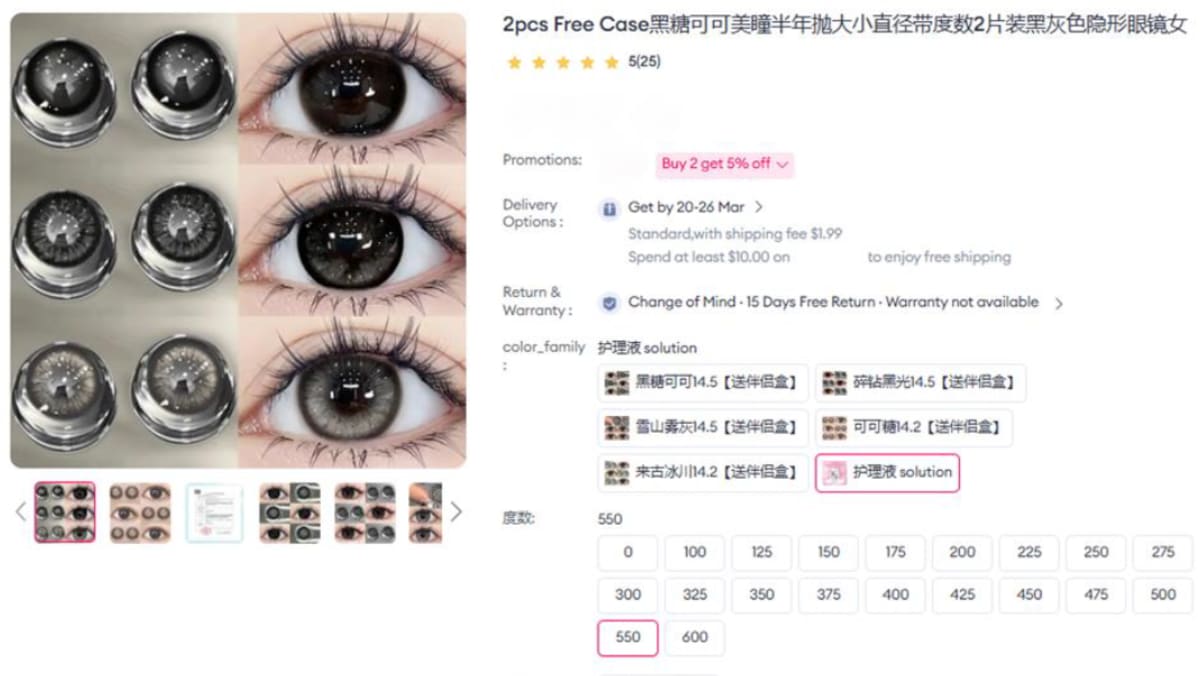
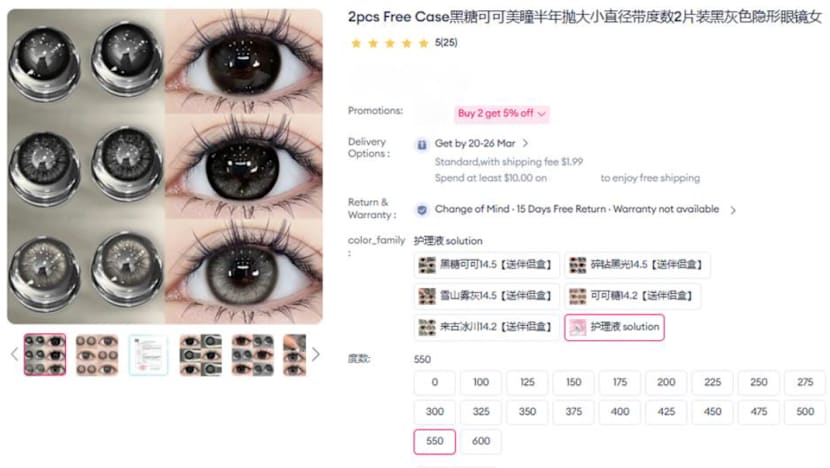
A striking feature of the operation was the overwhelming prevalence of unregistered contact lenses among the removed online listings. More than 82 per cent of the 959 listings targeted were for these uncertified vision-correcting devices. This figure represents a significant uptick in the online trade of such items, despite a noted decrease in previous years. Last year, contact lenses constituted 8 per cent of all listings taken down, a substantial drop from 24 per cent in 2024. The HSA has repeatedly warned the public about the dangers of using contact lenses that have not been registered, citing local cases of severe eye injuries linked to their use. Contact lenses are classified as medical devices, requiring registration with the HSA to guarantee they meet stringent safety, performance, and quality standards. Consumers are mandated to undergo eye examinations and fittings by registered optometrists or opticians before obtaining such lenses, a process bypassed by online sales of unregistered products.
Broader Sweep Targets Diverse Illegal Goods
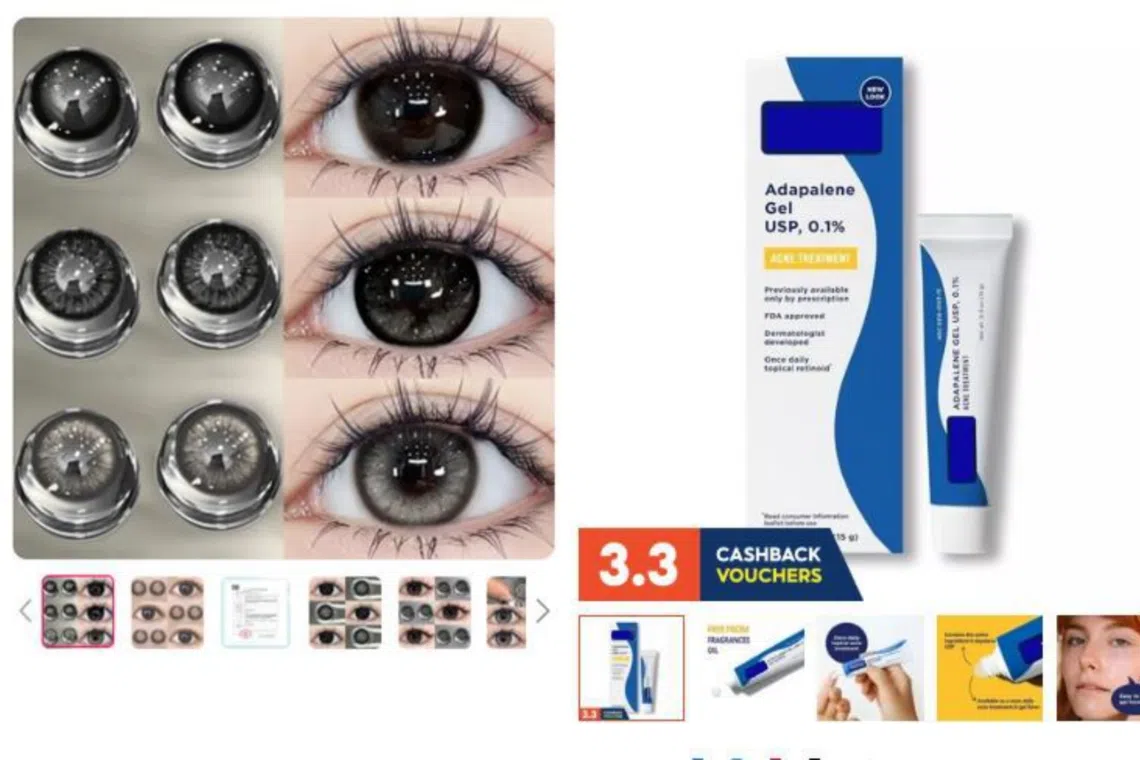
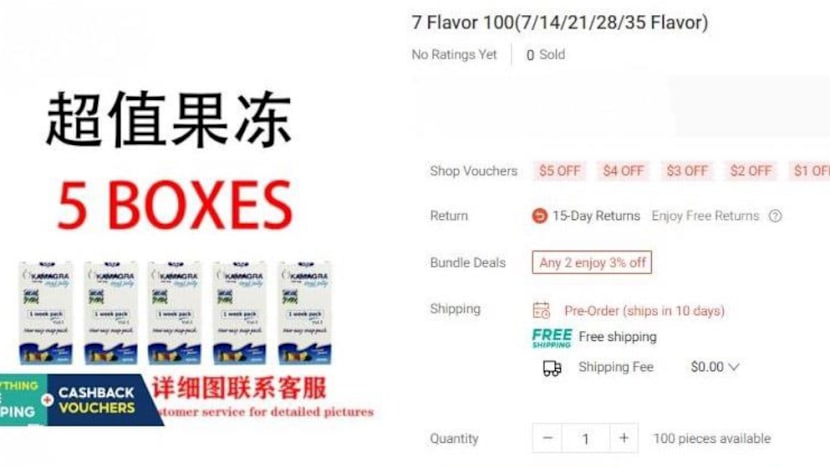
While unregistered contact lenses dominated the online takedowns, the operation also addressed a range of other illegal health products. These included prescription-only skin creams for conditions like acne and eczema, sexual enhancement medicines, nasal aspirators and sprays, and oxygen concentrators. The breadth of products targeted reflects the wide-ranging illicit market operating across digital and physical channels. At the borders, the seized items presented a different profile. Prescription medicines, such as painkillers and sedatives, formed the largest category at 36 per cent of the 6,641 units confiscated. Anti-parasitic medicines, notably ivermectin, followed closely at 30 per cent, with dermal fillers making up 6 per cent of the border seizures. The HSA emphasized that ivermectin is a prescription-only drug in Singapore, approved for treating parasitic worm infections but not as an antiviral. The agency has previously issued advisories against its use for COVID-19, citing a lack of scientific evidence and reports of hospitalisations due to self-medication.
Operation Pangea: A Global Effort
This extensive enforcement action was part of Interpol's Operation Pangea, an annual global clampdown on illegal health products that has been running since 2008. In this latest iteration, conducted from March 10 to March 23, 89 countries participated alongside Singapore. The operation aims to disrupt criminal networks involved in the illicit trade of pharmaceuticals and medical devices. The HSA's involvement in Operation Pangea underscores its commitment to international cooperation in safeguarding public health. By collaborating with global partners, the agency seeks to intercept illegal products before they reach consumers and to dismantle the supply chains that facilitate their distribution. The scale of the seizures, both online and at borders, highlights the significant resources and effort dedicated to this global initiative. The HSA's participation demonstrates Singapore's role in the international fight against the trade in dangerous and unverified health products.
Risks of Self-Medication and Unverified Devices
The HSA's warnings extend beyond contact lenses to encompass all unregistered medical devices and medicines. The agency highlighted that unregistered dermal fillers, for instance, could cause serious harm if injected without proper oversight. Investigations into the illegal import of these fillers are reportedly ongoing. Concerns are also amplified by the potential for serious side effects from self-medicating with prescription drugs like ivermectin. Reports indicate that individuals have required hospitalisation due to adverse reactions, including vomiting, diarrhoea, seizures, liver injury, and dangerous drops in blood pressure. The risk of drug interactions with other medications, such as blood thinners, further compounds these dangers. The HSA urges consumers to exercise caution, particularly when encountering products advertised at suspiciously low prices or promoted with aggressive tactics. These can be indicators of illicit pharmaceuticals designed to lure unsuspecting buyers into purchasing potentially harmful goods.
Future Outlook and Consumer Vigilance
The successful removal of nearly 1,000 listings and the seizure of thousands of units of illegal products signal a victory for regulatory bodies. However, the dynamic nature of online sales means that new channels and listings are likely to emerge. Continuous monitoring and swift enforcement will be crucial to stay ahead of illicit traders. The HSA's consistent participation in Operation Pangea and its proactive warnings to sellers and the public demonstrate an ongoing commitment to public health. The agency's efforts are vital in educating consumers about the risks associated with unregistered medical devices and prescription medications. Ultimately, the responsibility also lies with consumers to be vigilant and informed. Purchasing health products from registered and reputable sources, and seeking professional medical advice, remain the most effective safeguards against the dangers posed by the burgeoning market of illegal health goods.
The bottom line
- Singapore authorities removed 959 online listings of illegal health products, with unregistered contact lenses accounting for over 82% of the total.
- A two-week operation, part of an Interpol-led global crackdown, also saw 6,641 units of illegal health products seized at Singapore's borders.
- Contact lenses are medical devices requiring registration and professional fitting; their online sale without certification poses significant risks, including severe eye injuries.
- Other illegal items seized included prescription skin creams, sexual enhancement medicines, and unregistered nasal sprays, alongside prescription drugs like painkillers and ivermectin at border checkpoints.
- Ivermectin, a prescription-only anti-parasitic drug, was found to comprise 30% of seized border products, with warnings issued against its use for COVID-19 and potential severe side effects from self-medication.
- The Health Sciences Authority issued warnings to 152 sellers and urges public caution against suspiciously priced or promoted health products.




Crypto.com Launches Hybrid IRAs, Merging Stocks and Digital Assets in Tax-Advantaged Retirement Accounts

Knicks and 76ers Renew Rivalry in East Semifinals as Embiid Seeks Redemption

Micron and Sandisk Surge as Melius Research Predicts AI-Driven Memory Demand Through Decade