Delta Cuts Free Snacks, Sparking Passenger Outrage
The airline's move to eliminate complimentary refreshments on shorter flights ignites debate over a broader industry trend towards 'buy-on-board' services.
THAILAND —
Key facts
- Delta will remove complimentary snacks and drinks from approximately 450 daily flights under 350 miles starting May 19.
- This change affects about 9% of Delta's 5,500 daily flights.
- First-class passengers will continue to receive complimentary snacks and drinks on all flights.
- The airline states the move aims for a more consistent network experience, not cost savings.
- Passengers in Delta Comfort and Delta Main on flights 350 miles and above will still receive full service.
- The decision follows a decade-long trend of airlines unbundling services and introducing ancillary charges.
Airlines Shedding Traditional Hospitality
Delta Air Lines has become the latest carrier to pare back its onboard offerings, announcing a significant reduction in complimentary services. Effective May 19, the airline will cease offering its 'express service'—which includes water, coffee, tea, and two snack options—on roughly 450 daily flights that are shorter than 350 miles. This adjustment impacts approximately 9% of Delta's extensive network of 5,500 daily flights, marking a clear departure from the long-held convention of providing at least a basic refreshment on even the briefest journeys. The move represents a broader industry shift, where legacy carriers are increasingly adopting 'buy-on-board' models previously associated with low-cost airlines. While airlines often cite sustainability and efficiency as reasons for these changes, many travellers perceive them as a decline in value, where they pay more for a diminished experience. This erosion of complimentary service has been a gradual process across the aviation sector over the past decade. Initially, complimentary meals vanished from short-haul routes, followed by more limited drink services and smaller snack portions. Cabin crews have also been tasked with completing service more rapidly, reflecting a fundamental reevaluation of onboard hospitality.
Delta's Premium Pitch Undermined
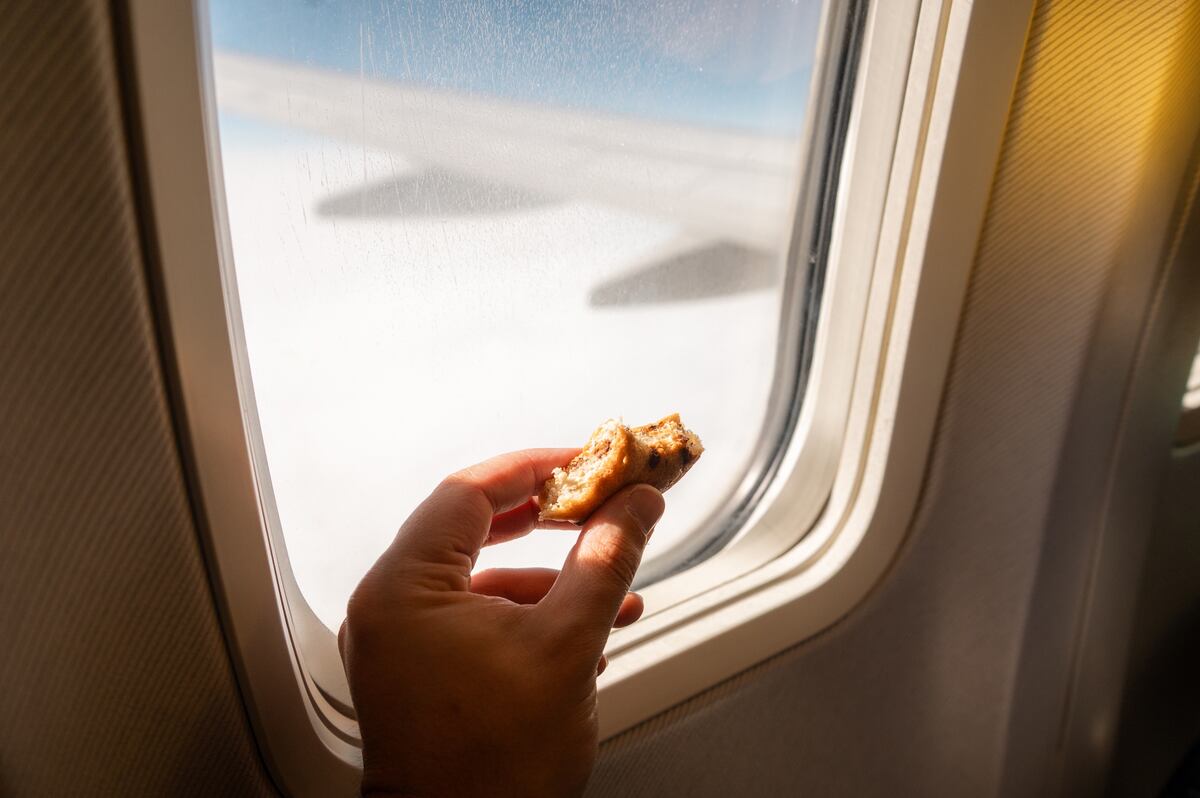
The decision has drawn immediate criticism on social media, particularly given Delta's long-standing efforts to position itself as a premium airline. Customers often choose Delta over competitors precisely because of its marketing emphasis on comfort, reliability, and superior service. The removal of even minor complimentary amenities, such as a simple biscuit or a cup of coffee, directly contradicts this carefully cultivated brand image and undermines the value proposition for which passengers believe they are paying a premium. Delta insists that the change is not a response to rising operational costs or fuel prices, which have been a significant concern across the industry due to geopolitical instability in the Middle East. Instead, the airline frames the decision as an initiative to create a more uniform service standard across its network. Passengers flying in Delta Comfort and Delta Main cabins on routes exceeding 350 miles will continue to receive the full beverage and snack service, while those on shorter segments will no longer have these options, with the exception of first-class travellers. Despite the airline's explanation, the perception among many passengers is that they are receiving less while paying more. This sentiment is amplified by the broader trend of 'unbundling' the flying experience, where additional costs are levied for services once considered standard, such as checked luggage, seat selection, priority boarding, and in-flight Wi-Fi.
The Rise of Ancillary Revenue
The aviation industry's move towards unbundling services is a strategic response to the complex economic pressures facing carriers. While Delta frames its decision around network consistency, the underlying reality for many airlines is the increasing reliance on ancillary revenue streams to bolster profitability. Low-cost carriers like Ireland's Ryanair and the UK's easyJet demonstrated years ago that a stripped-back service model could be successful if paired with competitive fares. Spirit Airlines, which recently faced financial difficulties and failed merger talks, pushed this model even further, often charging for services that other airlines included as standard. This evolution has created a bifurcated travel landscape. Passengers seeking the lowest possible fare may tolerate the absence of complimentary amenities, while those who expect a more traditional 'full-service' experience find themselves paying more for a package that increasingly resembles the offerings of budget carriers. The challenge for airlines like Delta lies in balancing their premium brand aspirations with the economic realities of modern air travel.
Passenger Reaction and Industry Context
The backlash on social media platforms highlights a growing passenger frustration with what is perceived as a steady decline in the quality of service relative to cost. For years, airlines have been systematically removing or charging for services that were once considered part of the basic fare. This includes everything from the aforementioned snacks and drinks to seat selection and even the ability to sit with one's family without an extra fee. This trend is not unique to Delta. Carriers globally have been re-evaluating their service models, often under the guise of operational efficiency or environmental considerations. However, the cumulative effect of these changes is a passenger experience that feels increasingly transactional, where every comfort or convenience comes with an additional price tag. The airline industry, still navigating the aftermath of global disruptions and facing rising operational expenses, is under pressure to find new revenue streams. The strategy of unbundling services and encouraging ancillary purchases has become a cornerstone of this effort, allowing airlines to maintain competitive base fares while generating significant additional income from passengers seeking greater comfort or convenience.
Future of In-Flight Service
Delta's decision to curtail complimentary snacks and drinks on shorter flights signals a potential acceleration of this trend across the industry. As other carriers observe the market's reaction and Delta's own performance, similar adjustments may become more common, even on routes previously considered standard for full service. The distinction between legacy carriers and budget airlines continues to blur. Passengers may soon find that the expectation of complimentary refreshments on any flight, regardless of length, is an outdated notion. The focus for many airlines is shifting towards offering a tiered service model, where basic transportation is the core product, and all other comforts are optional add-ons. Ultimately, the success of such strategies hinges on passenger tolerance and the ability of airlines to maintain their brand promises. While Delta aims for consistency, the immediate reaction suggests a disconnect between the airline's premium positioning and its service reductions. The long-term impact on customer loyalty and market share remains to be seen as the industry continues to redefine the 'full-service' economy flight.
The bottom line
- Delta is removing complimentary snacks and drinks from hundreds of shorter flights starting May 19.
- The airline states the change aims for network consistency, not cost reduction, while first-class remains unaffected.
- This move reflects a wider industry trend of airlines cutting complimentary services and increasing 'buy-on-board' options.
- Passengers are increasingly frustrated by perceived declines in service value and the rise of ancillary fees.
- Delta's premium branding is challenged by this reduction in onboard hospitality.
- The distinction between full-service and budget carriers continues to diminish.

Rodtang vs. Takeru II: A Rematch Years in the Making, With a Championship Belt and Legacies on the Line
ทีมชาติไทย U17 ประกาศ 23 นักเตะลุยชิงแชมป์เอเชีย ล่าตั๋วฟุตบอลโลกเยาวชน

สีมงคลพฤษภาคม 2569 เปิดปฏิทิน 31 วัน เสริมดวงการงาน-การเงิน-ความรัก