China Blocks Meta's $2 Billion Manus AI Deal, Jolting Singapore's Tech Haven Status
Beijing's intervention in the AI startup's acquisition by Meta raises questions about China's tech crackdown and Singapore's role as a neutral hub.
THAILAND —
Key facts
- Meta's purchase of AI startup Manus was blocked by Chinese authorities last week.
- The deal was valued at $2 billion.
- Manus moved its headquarters to Singapore in the summer of 2025.
- The move to Singapore followed scrutiny from the US Treasury Department over a $75 million investment.
- Chinese regulators were reportedly wary of Manus's work in AI and its potential to take innovations abroad.
- Manus had reportedly secured approval from Beijing for its move to Singapore.
- Kyle Chan, a China tech expert, described the Meta deal as 'quite bold'.
Beijing's Intervention Sends Shockwaves Through Tech Sector
Chinese authorities last week intervened to block Meta's proposed $2 billion acquisition of the AI startup Manus. This decision has ignited a firestorm of criticism, with many interpreting it as a punitive crackdown on China's most advanced technology firms. The move has sent palpable chills through the nation's tech industry and fueled anxieties that Beijing may be actively preventing its brightest entrepreneurial minds from seeking opportunities abroad. The implications of this intervention extend far beyond the immediate deal. It casts a shadow over the strategy of "Singapore-washing," a practice where Chinese tech companies have leveraged the city-state as a global launchpad. This approach, once seen as a shrewd maneuver, now appears fraught with new risks. However, a significant contingent of analysts and industry executives offer a more straightforward assessment: Meta and Manus themselves miscalculated the regulatory landscape. This distinction is crucial, particularly for Singapore, which has cultivated a reputation as a neutral ground in the escalating US-China tech rivalry.
Singapore's Strategic Position Under Scrutiny
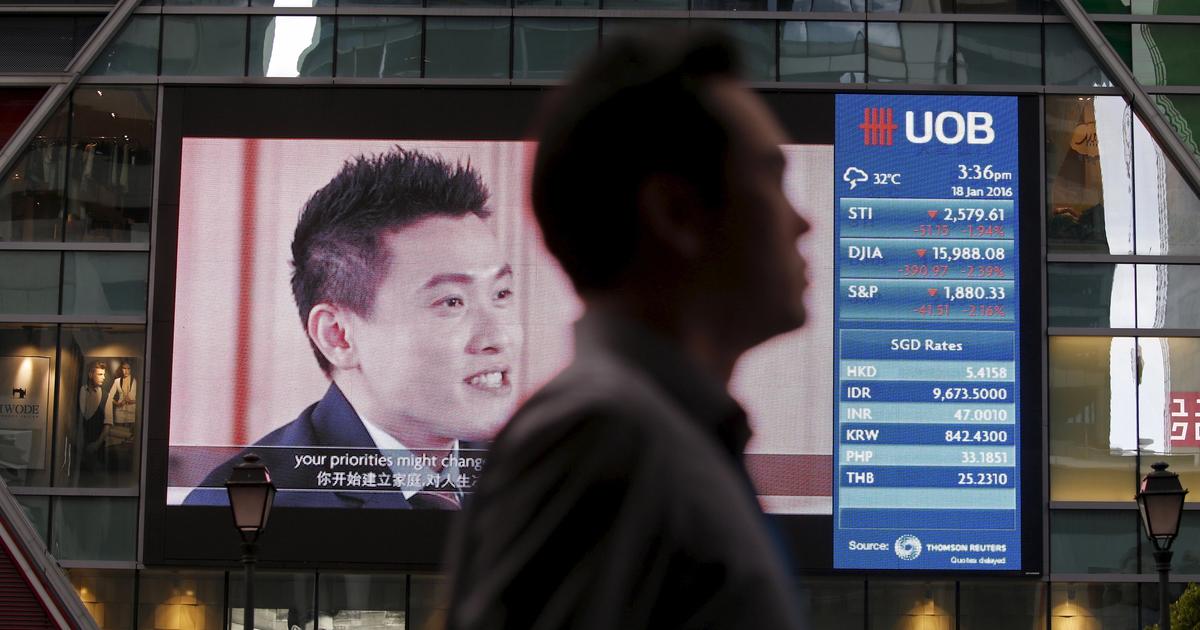
In recent years, Singapore has strategically positioned itself as a beneficiary of the US-China technological competition. By maintaining a stance of neutrality, the city-state has successfully attracted capital and companies from both global powers. Beijing's interference in the Manus acquisition complicates this carefully constructed role, though it may not entirely dismantle it. Moving forward, both Chinese companies and international investors must now factor in the possibility that Beijing's and Washington's red lines will extend into Singapore's ostensibly neutral territory. The stakes for the city-state are evident from the moment one arrives. At Changi Airport, colossal banners promote Alibaba's Qwen open-source AI models, a testament to the significant presence of Chinese tech giants. ByteDance, the owner of TikTok, occupies a prime office tower, and its logo is a prominent fixture in the central business district, which also buzzes with BYD electric vehicles. This vibrant ecosystem underscores Singapore's appeal as a strategic hub.
The 'Singapore-washing' Playbook and Its Risks
For multinational corporations operating across both China and the United States, such as ByteDance and the e-commerce giant Shein (which relocated its headquarters to Singapore in 2021), the city-state offers a vital neutral platform. It serves as a bridge between Washington and Beijing, facilitating operations that might otherwise be untenable. For many Chinese cryptocurrency entrepreneurs, Singapore became a sanctuary, providing an escape from domestic regulatory crackdowns. Simultaneously, a growing number of Chinese tech startups view the city-state as a gateway to global capital, benefiting from efficient visa processes and a supportive regulatory environment. This is particularly attractive at a time when competition within China is intensifying and profit margins are shrinking. The strategy has frequently been termed "Singapore-washing," a method of using the city-state to imbue Chinese-founded companies with a more global identity and perceived legitimacy.
Manus's Journey: From China to Singapore to Blocked Deal
Manus relocated its headquarters to Singapore in the summer of 2025. This move occurred almost immediately after the U.S. Treasury Department raised concerns regarding a $75 million investment the AI firm had secured from the American venture capital firm Benchmark. At the time, Chinese regulators were also likely apprehensive about this relocation. Given Manus's specialization in artificial intelligence, Beijing harbored concerns that companies built upon China's technological infrastructure and engineering talent might rebrand overseas and abscond with valuable intellectual property. Despite these underlying tensions, Manus reportedly succeeded in obtaining approval from Beijing for its move. Less than six months after its departure from China, the company entered into an agreement to be acquired by Meta for a substantial $2 billion. This rapid progression from relocation to a major acquisition agreement highlights the swift and dynamic nature of the tech industry, but also the inherent complexities of navigating international regulatory and political landscapes.
Due Diligence and Unforeseen Red Lines
The decision by Chinese authorities to halt the Meta-Manus deal raises pointed questions about Meta's own due diligence processes. It prompts an examination of how thoroughly the social media giant assessed the risks involved, particularly the likelihood of intervention from Beijing. "The deal with Meta was quite bold," observed Kyle Chan, a China tech expert and fellow at the Brookings Institution. "Any normal person in this space would be aware of the risks and of incurring Beijing’s wrath." Chan's comment underscores the perceived audacity of the transaction, suggesting that the potential for regulatory obstruction should have been a primary consideration. This incident serves as a stark reminder that even in seemingly neutral jurisdictions like Singapore, the long arm of geopolitical influence can extend to critical technology sectors. The incident forces a re-evaluation of how companies conduct cross-border transactions in an era of heightened technological nationalism.
The bottom line
- Beijing's blocking of Meta's $2 billion acquisition of AI startup Manus signals a tougher stance on cutting-edge technology.
- The intervention has raised concerns about China potentially restricting its top tech talent and innovations from leaving the country.
- Singapore's role as a neutral tech hub is being tested, as companies must now anticipate geopolitical red lines extending into the city-state.
- The incident prompts scrutiny of Meta's due diligence in assessing regulatory risks associated with the Manus deal.
- The 'Singapore-washing' strategy, used by Chinese firms to gain global footing, may face increased challenges and scrutiny.
- The complexity of international tech deals is highlighted, requiring greater awareness of geopolitical factors beyond the immediate parties involved.

Thailand Swelters Under 35°C Heat as Humidity Pushes RealFeel to 39°C
Crocodile Attack Fails to Deter 400 Swimmers at Lake Argyle Event

Summer Storms and Hail to Hit Bangkok as Cold Air Mass from China Collides with Heatwave