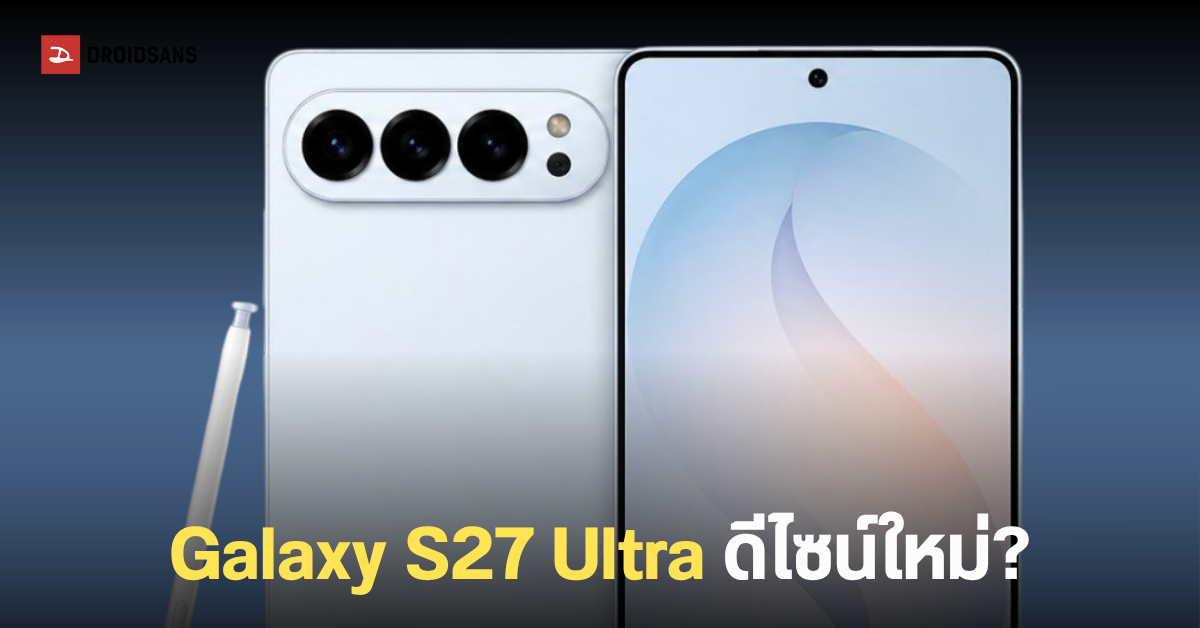
Samsung Galaxy S27 Ultra to drop 3x telephoto lens, adopt variable aperture
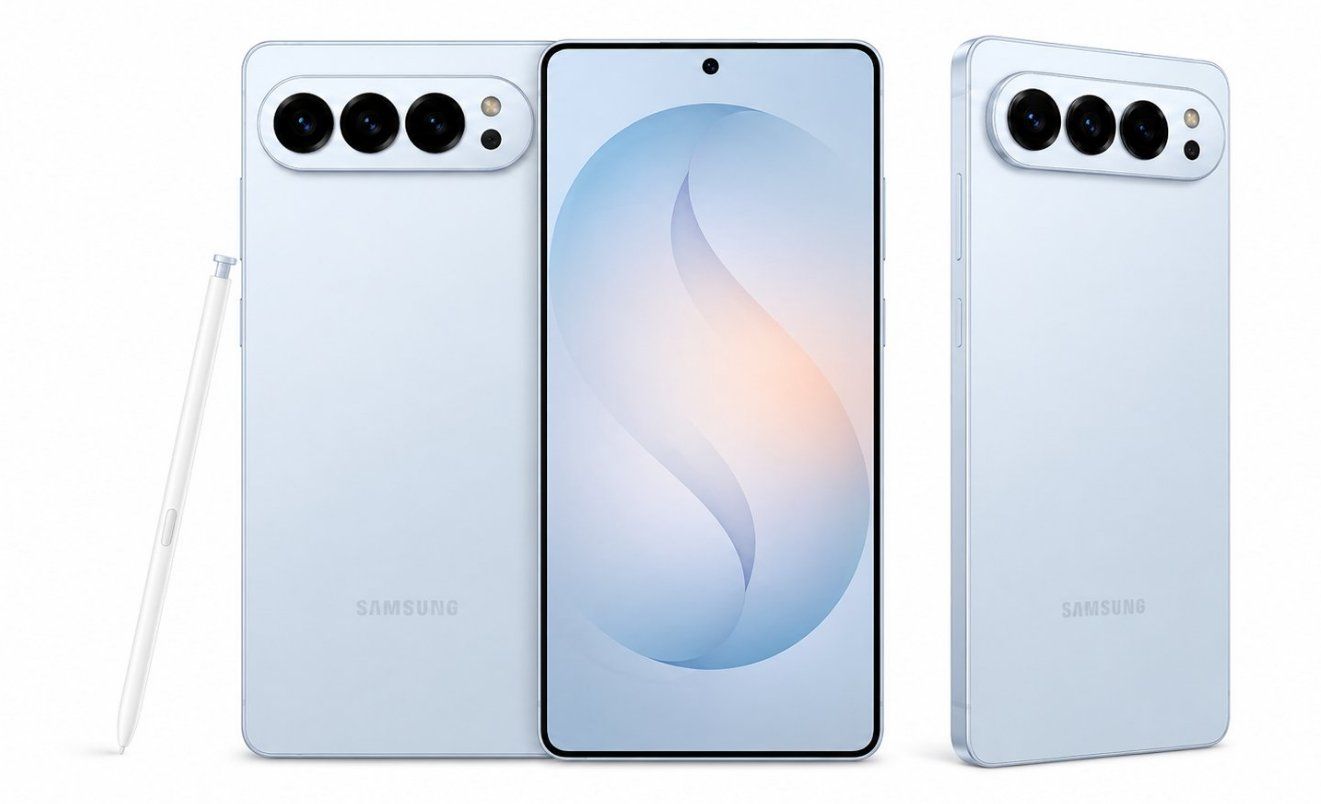
The 2027 flagship will reportedly cut to three rear cameras while upgrading its ultra-wide sensor and reintroducing adjustable aperture for improved low-light performance.
THAILAND —
Key facts
- Samsung is reportedly removing the 10MP 3x telephoto lens from the Galaxy S27 Ultra.
- The device is expected to launch in 2027.
- A new ultra-wide sensor, debuting first in the Galaxy Z Fold8, will be used.
- Variable aperture technology has an 80% chance of returning.
- The 5x periscope telephoto will be enhanced to cover a wider zoom range.
- The 200MP main sensor can already achieve 2x and 3x zoom via in-sensor cropping.
- Removing the 3x module frees internal space for larger sensors or battery.
- RAMageddon – a memory chip shortage and rising costs – may influence hardware choices.
Samsung rethinks camera array for 2027 flagship
Samsung is preparing a radical overhaul of its flagship camera system for the Galaxy S27 Ultra, expected in 2027. According to reliable leaker Ice Universe, the company plans to eliminate the 10-megapixel 3x telephoto lens that has been a staple of the Ultra series for years. The move would reduce the rear camera count from four to three, a significant departure from the multi-lens strategy that has defined Samsung’s top-tier devices. The decision reflects a broader shift toward maximizing the performance of fewer, higher-quality sensors.
Why the 3x telephoto is being cut
The 3x telephoto lens, with its modest 10-megapixel resolution, has become the weakest link in the Ultra lineup. On the Galaxy S26 Ultra, the main 200-megapixel sensor can already produce high-quality 2x and 3x zoom images through in-sensor cropping, often matching or exceeding the dedicated telephoto’s output. Removing the module also frees up internal space. Samsung can use that room to enlarge other sensors or increase battery capacity, addressing two persistent user demands: better low-light photography and longer battery life. The trade-off is a loss of optical zoom at that specific focal length, but the company appears to bet that software-based zoom will suffice.
Variable aperture returns after a decade
One of the most anticipated changes is the possible return of variable aperture, a feature last seen on the Galaxy S9 series in 2018. Ice Universe puts the likelihood at 80%. The system would allow the camera to adjust its aperture dynamically, improving depth of field in portraits and reducing flare in bright conditions. If implemented, the Galaxy S27 Ultra would be one of the few modern smartphones to offer mechanical aperture control. The technology could give Samsung a distinct advantage in computational photography, particularly for bokeh effects and low-light capture.
Upgraded ultra-wide and enhanced 5x periscope
The ultra-wide lens is set to receive a new sensor that will debut in the Galaxy Z Fold8 before appearing on the S27 Ultra. Details are scarce, but the upgrade is expected to improve dynamic range and low-light performance. Meanwhile, the 5x periscope telephoto – already a 50-megapixel sensor on the S26 Ultra – will be further refined to cover a broader zoom range with greater sharpness. Samsung appears to be consolidating its zoom capabilities around this single periscope module rather than offering multiple telephoto lenses.
RAMageddon and cost pressures shape decisions
The broader semiconductor landscape may also be driving Samsung’s choices. A looming memory chip shortage, dubbed “RAMageddon,” is pushing up component costs and constraining supply. By reducing the number of camera modules, Samsung can allocate its budget to higher-impact upgrades while maintaining performance under cost pressures. This pragmatic approach suggests the company is prioritizing image quality and battery life over sheer lens count. The strategy mirrors moves by competitors who have also trimmed camera arrays in favor of larger sensors and advanced processing.
What the changes mean for photography
For users, the loss of a dedicated 3x optical zoom may be offset by improved versatility. The main sensor’s cropping capability already covers that range, and the enhanced 5x periscope will handle longer distances. Variable aperture could deliver more natural bokeh and better exposure control. However, purists may lament the absence of a true optical zoom at 3x. The success of this approach will depend on how well Samsung’s software algorithms can bridge the gap. With the S27 Ultra still two years away, the company has time to refine its computational photography pipeline.
Outlook: a leaner, more capable camera system
Samsung’s reported plan signals a maturing smartphone camera market where incremental hardware additions no longer guarantee improvements. By cutting a redundant lens and reviving an old technology, the company is betting on quality over quantity. If the variable aperture works as promised and the new sensors deliver, the Galaxy S27 Ultra could set a new benchmark for mobile photography. But the absence of a 3x telephoto will be closely scrutinized, especially by photography enthusiasts who value optical zoom at every step.
The bottom line
- Samsung will remove the 10MP 3x telephoto lens from the Galaxy S27 Ultra, reducing rear cameras to three.
- Variable aperture with an 80% chance of return will improve depth of field and low-light performance.
- A new ultra-wide sensor from the Galaxy Z Fold8 will be used.
- The 5x periscope telephoto will be upgraded for wider zoom range and sharper images.
- In-sensor cropping from the 200MP main camera already covers 2x and 3x zoom, making the dedicated telephoto redundant.
- Component shortages and rising costs (RAMageddon) are influencing Samsung’s hardware choices.



หวยพัฒนา: ประเด็นสำคัญ

Mega Millions Jackpot Rolls Over to $195 Million After No Winner Friday

Sydney Sweeney Throws Syrn Lingerie Into Stagecoach Crowd During Diplo Set