Vietjet Air Receives 117th Aircraft, Expands Routes to Japan and China
The Vietnamese low-cost carrier, profitable even during the pandemic, adds new direct flights from Ho Chi Minh City to Nagoya and Fukuoka as part of its 2025 growth plan.
THAILAND —
Key facts
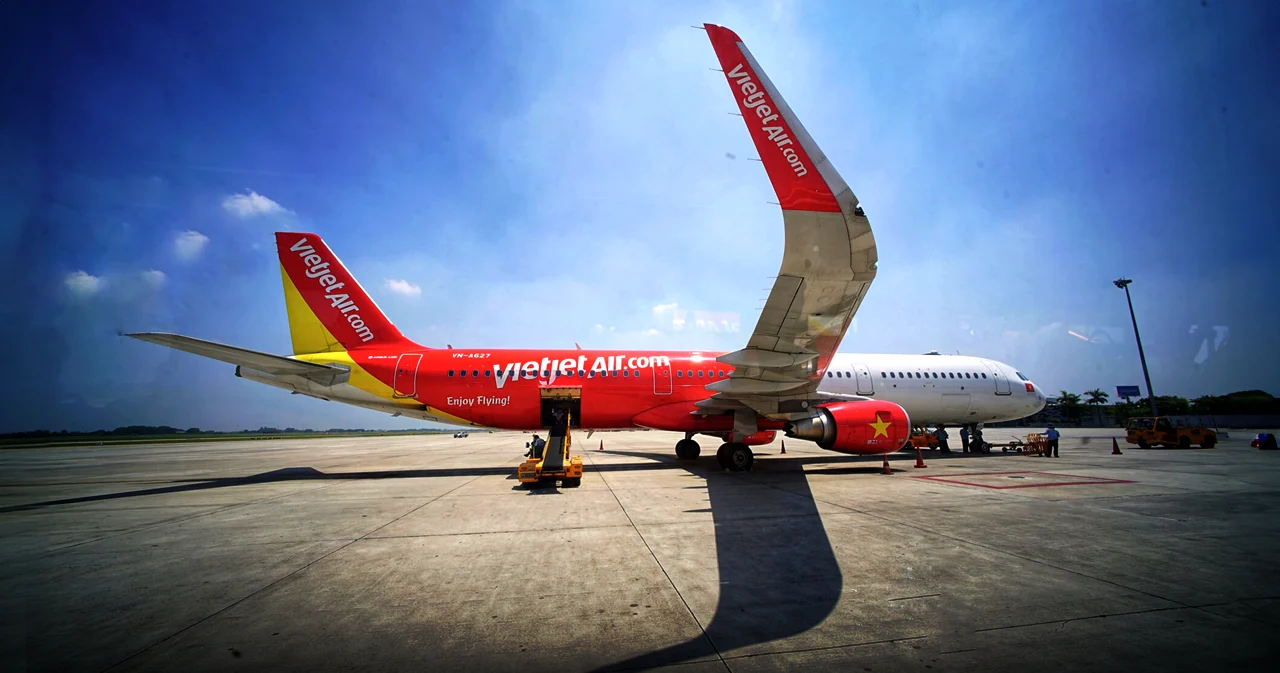
- Vietjet Air took delivery of its 117th aircraft, an Airbus A321neo ACF (registration VN-A516), on April 25, 2025.
- The new aircraft arrived at Tan Son Nhat International Airport from Hamburg, Germany.
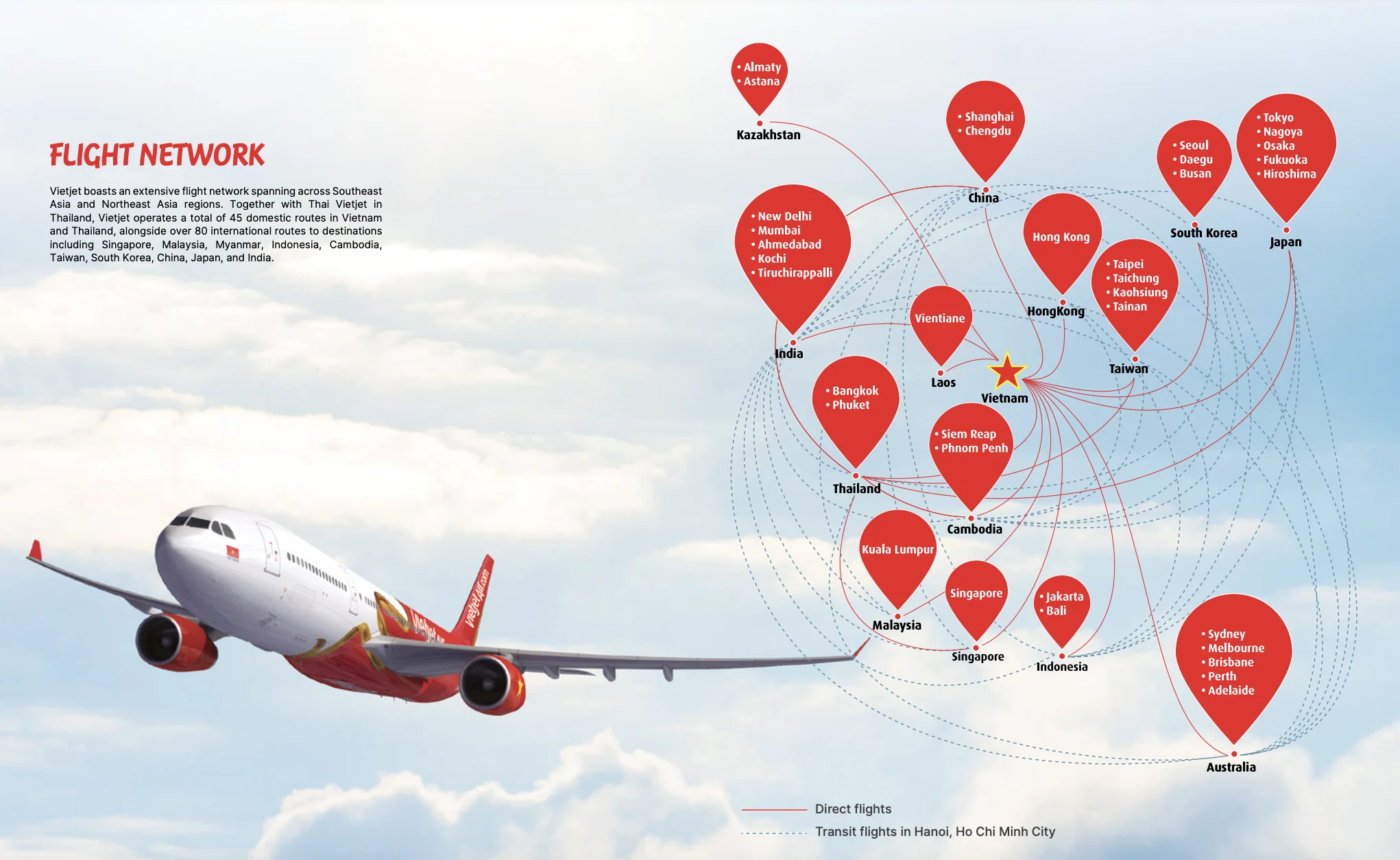
- Vietjet Air launched direct flights from Ho Chi Minh City to Nagoya (4 weekly) and Fukuoka (3 weekly).
- The airline plans to add 4 more routes: Hanoi and Ho Chi Minh City to Beijing and Guangzhou, plus new routes to India and Phu Quoc–Singapore in May 2025.
- Vietjet Air held a 44% domestic market share in Vietnam in 2023, surpassing state-owned Vietnam Airlines at 42%.
- a profit of $2.9 million on revenue of $788.3 million in 2020, amid the COVID-19 pandemic.
- Vietjet Air achieved a technical reliability index of 99.64% and a 7-star safety rating.
- The A321neo ACF reduces fuel consumption and CO2 emissions by 20% and noise pollution by 50% compared to previous models.
A New Addition to the Fleet
Vietjet Air has taken delivery of its 117th aircraft, an Airbus A321neo ACF bearing registration VN-A516, which landed at Tan Son Nhat International Airport in Ho Chi Minh City on April 25, 2025, after a ferry flight from Hamburg, Germany. The arrival marks the third aircraft delivered to the carrier in 2025, with further deliveries from both Airbus and Boeing expected throughout the year as the airline pursues one of the most modern and efficient fleets in the region. The new A321neo ACF features a modern, spacious cabin designed for enhanced passenger comfort. Compared to earlier-generation aircraft, it offers a 20% reduction in fuel consumption and carbon dioxide emissions, as well as a 50% reduction in noise pollution, underscoring Vietjet Air's commitment to environmental sustainability.
Expanding International Reach
Alongside the fleet expansion, Vietjet Air has launched two new direct routes from Ho Chi Minh City to Japanese destinations: Nagoya, with four weekly flights, and Fukuoka, with three weekly flights. The inaugural flights on both routes were well received by passengers at the arrival airports in Japan, the airline stated. These additions are part of a broader international growth strategy for 2025. The carrier plans to open four more routes connecting Hanoi and Ho Chi Minh City with Beijing and Guangzhou in China, as well as new services to India. In May 2025, Vietjet Air will also launch a Phu Quoc–Singapore route, further strengthening its network across the Asia-Pacific region.
A Decade of Disruption in Vietnam's Aviation Market
Vietjet Air entered the Vietnamese market as the country's first private airline, receiving its license for domestic and international operations in 2007. It began commercial flights on December 25, 2011, with a Ho Chi Minh City–Hanoi service. The carrier capitalized on a growing middle class with rising purchasing power, offering significantly lower fares than state-owned Vietnam Airlines. By 2014, Vietjet Air had served 10 million passengers, a figure that surged to 25 million in 2015. In the first half of 2019, the airline operated 68,821 flights, accounting for 45% of all domestic flights in Vietnam. By 2023, it commanded a 44% domestic market share, ahead of Vietnam Airlines at 42%, followed by Bamboo Airways (7%), Pacific Airlines and Vasco (4%), and Vietravel Airlines (3%).
Profitability Amid Crisis and Ancillary Revenue Strategy
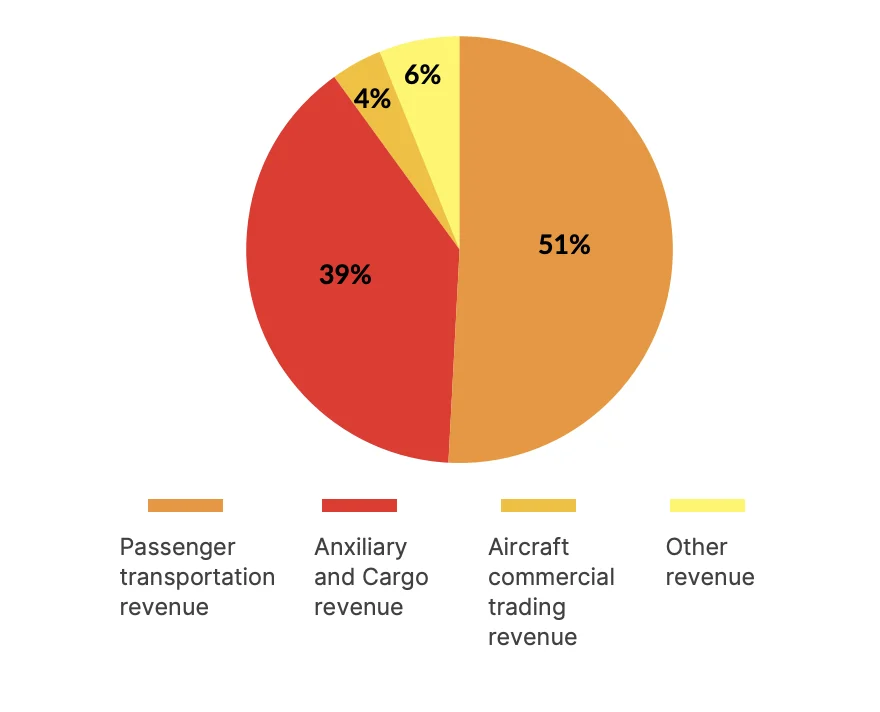
Unlike many carriers that suffered heavy losses during the COVID-19 pandemic, Vietjet Air remained profitable in 2020, posting revenue of $788.3 million and a net profit of $2.9 million. The airline attributed its resilience to a strategy of diversifying revenue streams beyond passenger tickets, particularly through cargo services launched in 2020. By leveraging partnerships with countries it had previously served, Vietjet Air offered reliable and affordable cargo transport, ensuring safety and accessibility. This ancillary revenue helped offset the downturn in passenger travel, a move that distinguished it from competitors that resorted to layoffs and restructuring.
Safety and Industry Recognition
Vietjet Air has maintained a technical reliability index of 99.64%, earning a maximum 7-star safety rating from AirlineRatings.com, which evaluates criteria such as incident records over two years, crash history over five years, fleet age, and audits by aviation regulators including the International Civil Aviation Organization (ICAO). In 2020, the airline was named 'Cargo Airline of the Year' and 'Best Low-Cost Cargo Carrier of the Year' by Air Transport Payload Asia magazine. The carrier also ranked among the world's safest and best low-cost airlines in 2020.operational efficiency have been key factors in achieving these accolades.
Strategic Outlook for 2025 and Beyond
With the addition of the 117th aircraft and the expansion of its route network, Vietjet Air is positioning itself for continued growth in 2025. The new routes to Japan, China, India, and Singapore are expected to boost tourism, trade, and cultural exchange across the Asia-Pacific region. The airline's ability to maintain profitability during the pandemic, combined with its aggressive fleet renewal and route expansion, suggests it is well-placed to compete in the post-pandemic aviation landscape. As it takes delivery of more aircraft from Airbus and Boeing, Vietjet Air aims to solidify its status as a modern, efficient, and environmentally conscious carrier connecting Vietnam to key global destinations.
The bottom line
- Vietjet Air received its 117th aircraft, an Airbus A321neo ACF, on April 25, 2025, as part of a fleet modernization plan.
- The airline launched direct flights from Ho Chi Minh City to Nagoya (4 weekly) and Fukuoka (3 weekly), with more routes to China, India, and Singapore planned.
- Vietjet Air held a 44% domestic market share in 2023, surpassing Vietnam Airlines, and reported a profit during the pandemic in 2020.
- The carrier's technical reliability index is 99.64%, earning a 7-star safety rating from AirlineRatings.com.
- The A321neo ACF reduces fuel consumption and CO2 emissions by 20% and noise by 50% compared to earlier models.
- Vietjet Air's ancillary revenue from cargo services helped it remain profitable when many airlines faced losses.


หวยพัฒนา: ประเด็นสำคัญ

Mega Millions Jackpot Rolls Over to $195 Million After No Winner Friday

Sydney Sweeney Throws Syrn Lingerie Into Stagecoach Crowd During Diplo Set