Google readies 'AI Ultra Lite' tier as Gemini faces token crunch and rival pressure
Code in the Gemini macOS app reveals a mid-range subscription codenamed Neon, likely priced around $100 to match Anthropic and OpenAI.

TAIWAN —
Key facts
- Google is developing a new 'AI Ultra Lite' subscription tier codenamed 'Neon'.
- The tier sits between the $20/month AI Pro and $250/month AI Ultra plans.
- Estimated price range is $50–$150, with $100 seen as most likely to match rivals.
- Only confirmed difference over Pro is increased usage limits; no exclusive new features.
- The name 'AI Ultra Lite' is a placeholder and will change before launch.
- Gemini app will soon include a dedicated token usage page for users.
- Google co-founder Sergey Brin leads a 'strike team' to improve Gemini's coding capabilities.
- Google I/O developer conference is weeks away, seen as a key moment for Gemini.
A new subscription tier emerges from app code
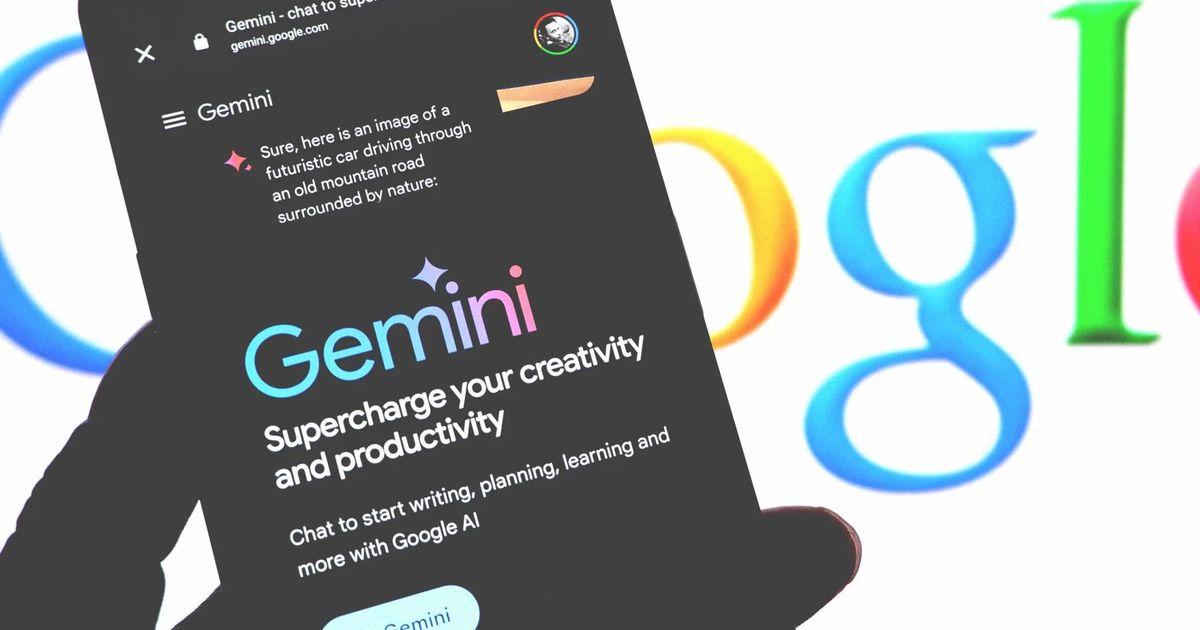
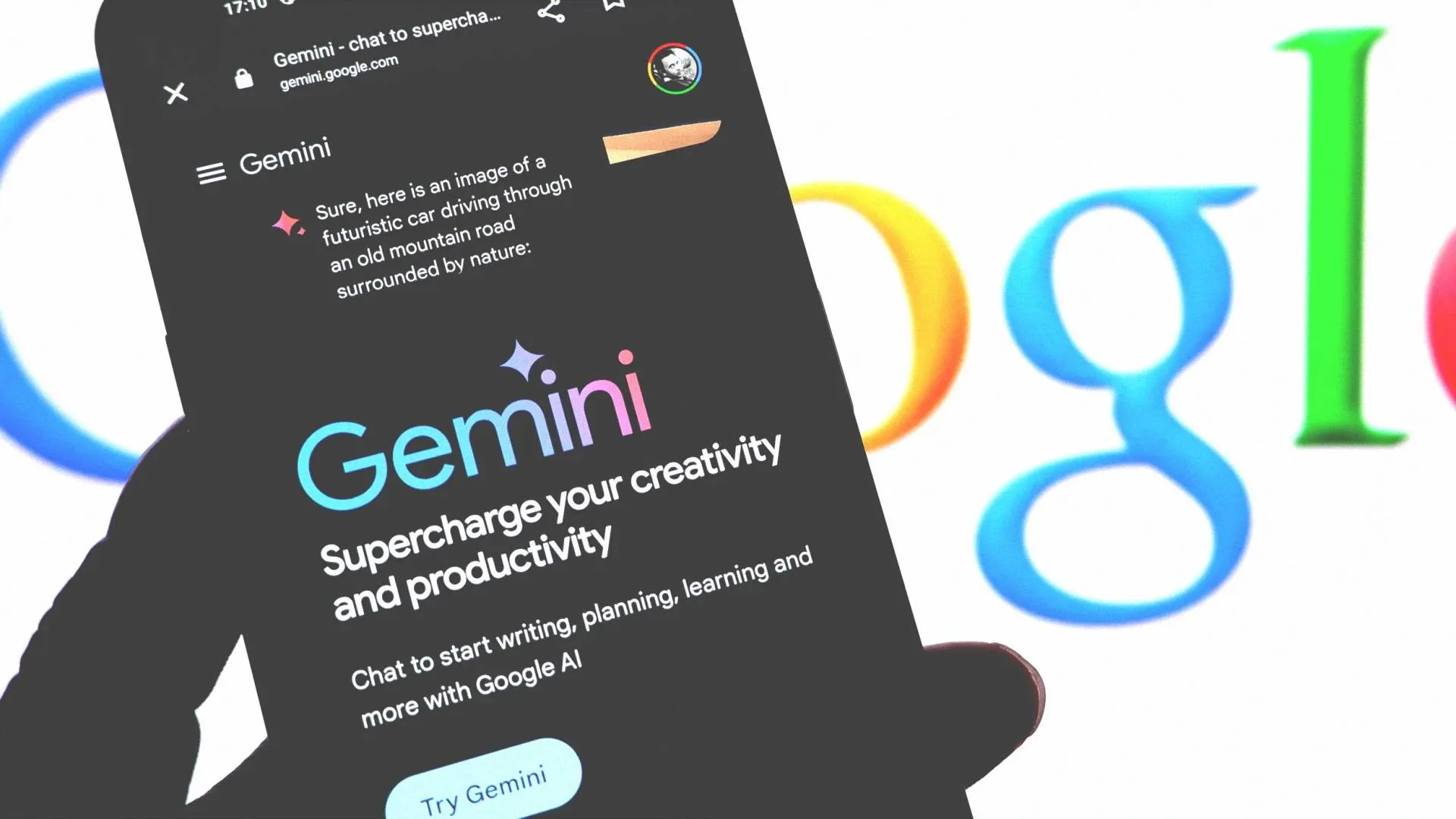
Code unearthed in the latest update to Google's Gemini macOS app reveals preparations for an intermediate subscription tier, internally codenamed 'Neon' and currently labeled 'Google AI Ultra Lite'. The plan is designed to bridge the gap between the existing $20 per month AI Pro and the $250 per month AI Ultra tiers. No official pricing has been confirmed, but analysts estimate a range of $50 to $150, with $100 the most probable figure. That would align Google with Anthropic's Max plan and OpenAI's mid-tier offerings, both priced at $100 per month. The 'AI Ultra Lite' name is explicitly a placeholder and is expected to change before any public launch.
Token usage transparency and rising demand
Alongside the new tier, the Gemini app code points to an upcoming dedicated page that will display users' token consumption in real time. The feature aims to help subscribers assess whether their current plan provides sufficient headroom for token-heavy tasks such as agentic coding sessions. The move comes amid a broader industry 'token crunch' as rapid adoption of AI agents and coding tools strains per-session usage limits. notable decreases in their usage caps, while GitHub Copilot has dramatically adjusted pricing for many of its models. Google appears to be positioning itself to handle a major increase in demand for its AI models.
Sergey Brin leads coding improvement push
Google co-founder Sergey Brin is leading a 'strike team' focused on radically improving code creation with Gemini, according to a recent report from The Information. The initiative underscores Google's recognition that Gemini's coding capabilities have not yet captured the hearts of developers and 'vibecoders' — a gap the company is eager to close. With the annual Google I/O developer conference just weeks away, the timing is seen as a prime opportunity for Gemini to regain lost ground. The new subscription tier and usage transparency tools are likely components of a broader strategy to drive adoption among developers and power users.
What Ultra Lite offers — and what it doesn't
Beyond increased usage limits, the code reveals no information about additional Gemini features that would be included in the Ultra Lite plan compared to Pro. The highest AI Ultra plan currently offers exclusive perks such as Project Genie demos, increased usage of the video and music generator Flow, larger notebooks in NotebookLM, and premium features across several traditional Google apps. It remains unclear whether Ultra Lite will include any of these exclusive features or simply provide a higher usage cap at a lower price than Ultra. The lack of detail suggests Google is still finalizing the plan's feature set and positioning.
Industry context: a race to match rival pricing
Google's move to introduce a mid-tier subscription mirrors a broader industry trend. Both Anthropic and OpenAI have already established $100 per month plans, creating a pricing benchmark that Google appears keen to match. The new tier would give Google a more competitive ladder from its $20 Pro plan to the $250 Ultra tier, potentially capturing users who find Pro too limited but balk at Ultra's price. The token usage page further aligns with industry best practices, as users increasingly demand transparency in how their subscription dollars translate into compute resources. The combination of a new tier and usage visibility suggests Google is preparing for a significant uptick in model demand — though whether it can drive that demand remains an open question.
Outlook: Google's AI ambitions hinge on developer trust
As Google I/O approaches, the company faces a critical test: convincing developers that Gemini is a serious coding platform. The Brin-led strike team and the new subscription infrastructure signal intent, but execution will determine success. The token usage page and mid-tier plan address immediate pain points around cost and transparency, but they do not alone solve Gemini's perceived shortcomings in code generation quality. What remains to be seen is whether Google can pair these operational improvements with the model enhancements needed to win over the developer community. If the strike team delivers meaningful coding improvements, the new subscription tier could become a key growth lever. If not, Google risks ceding the developer market to Anthropic and OpenAI, even as it builds the billing infrastructure to support them.
The bottom line
- Google is developing a mid-tier AI subscription plan, codenamed Neon, likely priced around $100.
- The plan will offer increased usage limits over Pro but no exclusive features confirmed yet.
- A new token usage page in the Gemini app will help users monitor their consumption.
- Sergey Brin is leading a strike team to improve Gemini's coding capabilities ahead of Google I/O.
- The new tier aligns Google with rival pricing from Anthropic and OpenAI at the $100 mark.
- Google's ability to drive demand for its AI models depends on both infrastructure and model quality improvements.



2026年全球七大悬念:从委内瑞拉到加沙,和平与动荡交织

Gulf Coast Braces for Severe Storms as Weekend Weather Turns Treacherous
Micron Surges 90% in 2024 as AI Demand Drives Memory Boom, but Analysts Split on Sustainability