Ibm: everything we know so far
Since the introduction of wings to racing cars halfway through the 1960s, airflow has been everything in racing.
TAIWAN —
Since the introduction of wings to racing cars halfway through the 1960s, airflow has been everything in racing. Ibm has emerged this Friday as one of the stories drawing attention in Taiwan.
Key facts
- Since the introduction of wings to racing cars halfway through the 1960s, airflow has been everything in racing.
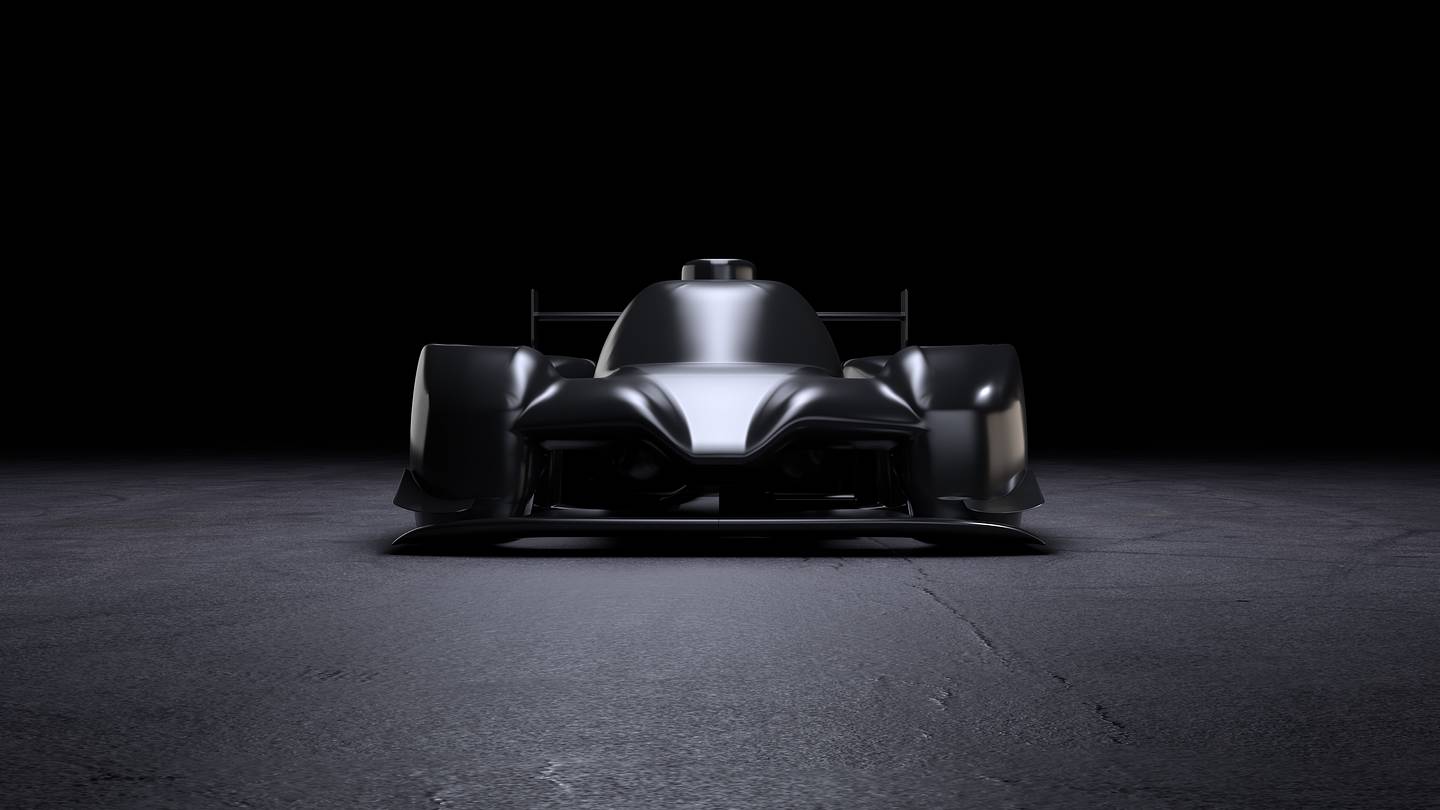
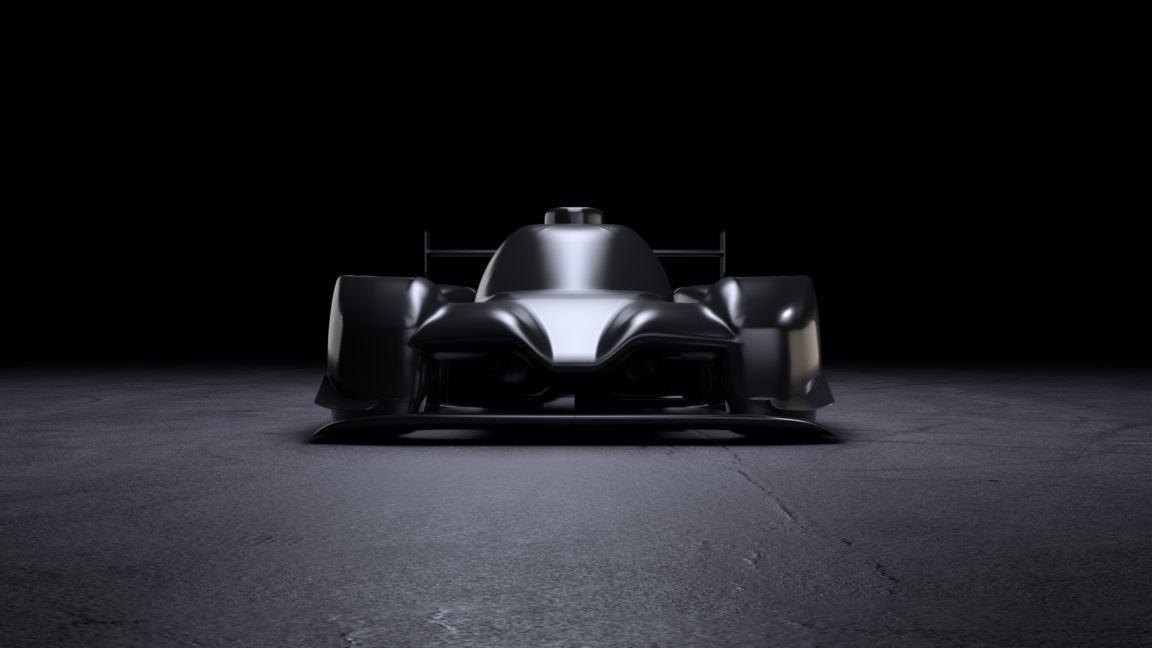
- In this study, IBM fed its new Gauge-Invariant Spectral Transformer neural operator a gigantic bucket of CFD data on a simulated LMP2 sports prototype (think the fastest-but-one class at Le Mans).
- IBM themselves have steadily expanded its presence in sports through partnerships focused on data, AI, and fan engagement – including their work in Formula 1 with Ferrari.
- AI finds value in motorsport, multiplying limited computational fluid dynamics resources.
- Until that point, the focus was on making a car as slippery as possible; less drag meant more top speed on the straights.
What we know
Going deeper, In this study, IBM fed its new Gauge-Invariant Spectral Transformer neural operator a gigantic bucket of CFD data on a simulated LMP2 sports prototype (think the fastest-but-one class at Le Mans).
On the substance, IBM themselves have steadily expanded its presence in sports through partnerships focused on data, AI, and fan engagement – including their work in Formula 1 with Ferrari.
Beyond the headlines, AI finds value in motorsport, multiplying limited computational fluid dynamics resources.
More precisely, Until that point, the focus was on making a car as slippery as possible; less drag meant more top speed on the straights.
It is worth noting that Then designers like Jim Hall at Chaparral and Colin Chapman at Lotus realized they could use the air to push the car onto the track, increasing grip and allowing it to go faster through the corners.
By the numbers
At this stage, Wind tunnel work became even more important when F1 began restricting on-track testing to help teams cut budgets.
On a related note, Early design work is now done in silico before being validated with scale models in a wind tunnel, as most series—including Formula 1, the World Endurance Championship, Formula E, and NASCAR—have tightly restricted on-track testing.
Going deeper, it can take thousands of hours of processor time to model a car, and tens of thousands more once you start to explore the effect of things like pitch and yaw.
On the substance, But GIST was able to do it in seconds on a single CPU, “compared to the tens of thousands of core-hours an equivalent CFD campaign would require,” the researchers wrote.
The wider context
On a related note, Today, IBM and Dallara published new research showing it’s possible to train AI surrogates to run simulations in seconds that would take hours conventionally, and with comparable error margins.
Going deeper, In the rarefied world of F1, the use of AI as a way to boost CFD work has been underway for a few seasons now.
On the substance, Not content with limiting real-world testing, F1 now also strictly limits the number of hours a team can use a wind tunnel—which can be only 60 percent scale—as well as the number of hours of CFD simulations.
Beyond the headlines, So teams like Red Bull have turned to Neural Concept, a startup helping at least four F1 teams use machine learning to model aerodynamics and challenges like how to cool the cells in the hybrid power unit’s battery pack.
More precisely, But yeah, it’s really a way to go from 100 or 1,000 CFD runs to be able to have 1 million data points at the end of the day,” said Pierre Baqué, CEO and founder of Neural Concept.
The bottom line
- It can take thousands of hours of processor time to model a car, and tens of thousands more once you start to explore the effect of things like pitch and yaw.
- For decades, the idea of building, testing, and iterating on chassis and race car design has been as much about time as it has been about speed.
- That is the gap that IBM and Dallara are aiming to close.
- Searches spiking right now: 台積電強敵出現了?輝達、IBM爆改找「這廠商」下單 這技術成變數, IBM 推出 AI 軟體開發助手 Bob,鎖定企業級開發流程自動化與治理需求, IBM與英國原子能機構合作推出核融合電漿AI模型,鎖定低碳能源應用, 台積電警報?三星4奈米良率衝破80% 輝達、IBM、百度搶下單.