Wordle's Legacy: How a Five-Letter Puzzle Spawned a Global Phenomenon and a Chinese Homophone Craze
From New York Times acquisition to a Taiwanese-inspired Chinese spin-off, the word game genre continues to evolve, blending linguistics, technology, and viral culture.

TAIWAN —
Key facts
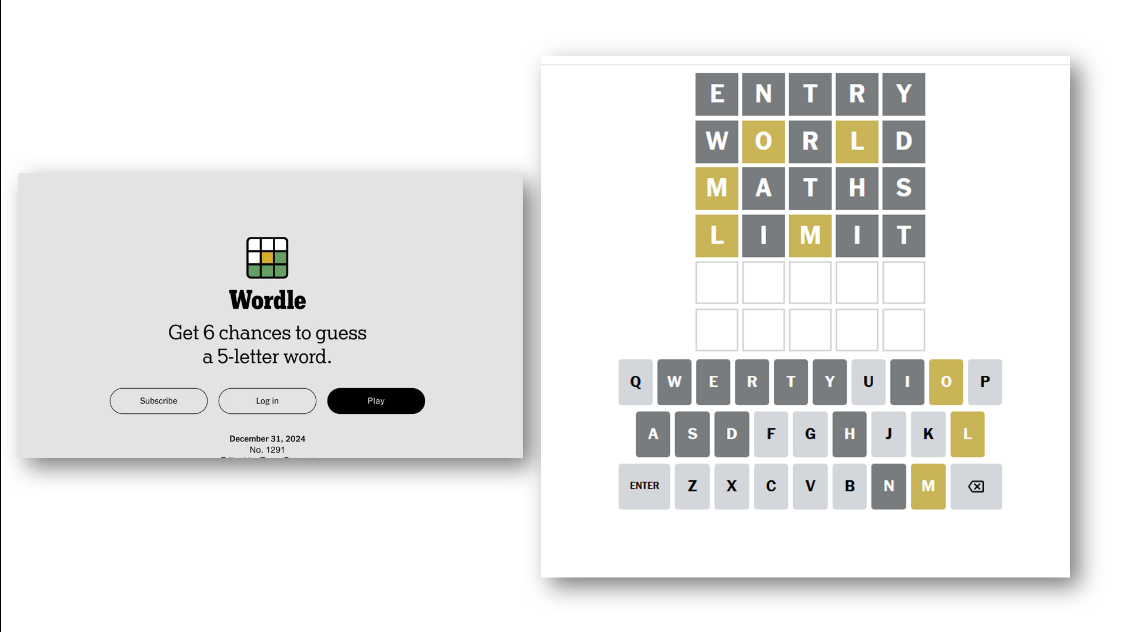
- Wordle, a free web-based word game, gives players six chances to guess a five-letter word, with a new puzzle daily.
- The New York Times acquired Wordle in January 2022 for an undisclosed sum, amid its global popularity.
- In 2022, Wordle was the top global search on Google, and Google Doodle created an Easter egg for the game.
- A Twitter bot @wordlinator that spoiled Wordle answers was suspended by Twitter for violating policies.
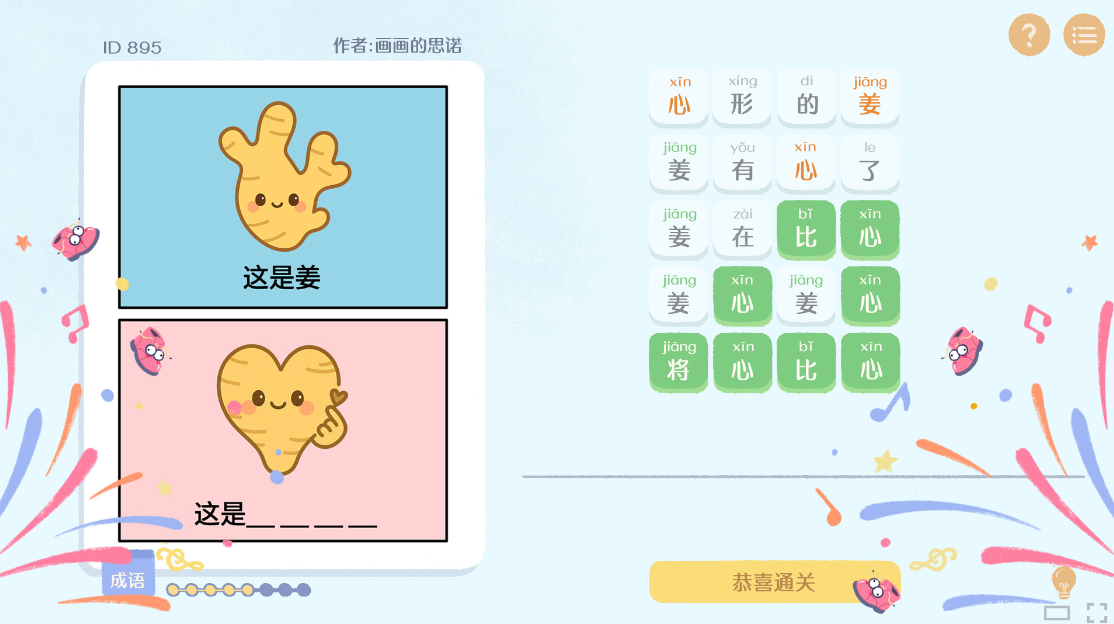
- In 2025, a Chinese homophone pun game 'This Is a Homophone Pun' became a viral hit on Steam, inspired by Wordle's feedback system.
- The Chinese game uses a color-coded hint system (green, orange, gray) similar to Wordle, but for Chinese characters.
- The game 'This Is a Homophone Pun' was developed by an artist known as '画点冷笑画' and features about 200 puzzles.
- The game's popularity led to the phrase 'This is ___' becoming a viral internet meme in January 2026.
The Rise of Wordle: A Simple Game That Captured the World
In late 2021, a simple web-based word game called Wordle began to dominate social media feeds. Created by software engineer Josh Wardle, the game offers players six attempts to guess a five-letter word, with a new puzzle released each day. Its minimalist design and shareable results—grids of green, yellow, and gray squares—sparked a viral phenomenon, with users posting their scores on Facebook, Instagram, and Twitter. By January 2022, Wordle had become a global obsession. The New York Times acquired the game for an undisclosed sum, recognizing its potential to drive engagement. That same year, Wordle was the top global search term, and the company created a playful Easter egg: searching for 'WORDLE' would trigger a mini-game where the answer 'GOOGLE' appeared in Wordle's signature green tiles.
Controversy and Adaptation: From 'Fetus' to Twitter Bots
Wordle's rise was not without controversy. In May 2022, The New York Times changed the game's answer from 'fetus' after the U.S. Supreme Court's leak of the Dobbs decision, which overturned Roe v. Wade. The word was deemed too sensitive amid the national debate on abortion rights. The move highlighted the editorial responsibility that came with running a daily word game. Another challenge emerged from a Twitter bot named @wordlinator, which automatically replied to Wordle-related tweets with spoilers for future puzzles. The bot's aggressive behavior led to its suspension by Twitter, which cited violations of policies against harassment and unsolicited messages. The incident underscored the tension between community sharing and the desire to preserve the game's surprise.
A Life-Saving Game: Wordle's Unexpected Role in a Kidnapping Case
In February 2022, Wordle played an unexpected role in a real-life drama. A woman in the United States was kidnapped, and her failure to send her daily Wordle score to her children alerted them to something wrong. her missing, leading to a police investigation that ultimately rescued her. The story became a testament to how deeply the game had woven itself into daily routines. This incident, widely reported by global media, illustrated the game's integration into everyday life. For many, sharing Wordle results had become a ritual, a small but consistent check-in with loved ones. The kidnapping case showed that even a simple word game could have profound consequences.
The Chinese Homophone Revolution: 'This Is a Homophone Pun'
In December 2025, a new game emerged on Steam that would become the next viral sensation in Chinese-speaking regions. Titled 'This Is a Homophone Pun' (这是谐音梗), the game challenges players to decipher visual puns based on homophones. Each puzzle presents two images: the first with a caption starting 'This is ___', and the second providing a clue. Players must guess the correct phrase, with hints provided in the form of colored feedback—green for correct, orange for misplaced, gray for incorrect—a system directly borrowed from Wordle. Within a month, the game exploded in popularity. On Bilibili, Xiaohongshu, and Douyin, videos featuring the game garnered millions of views, with total views on Bilibili exceeding 60 million. At least 20% of virtual streamers on these platforms played the game live. The phrase 'This is ___' became a viral meme by January 2026, cementing the game's cultural impact.
The Mechanics of Joy: How Wordle's Feedback System Inspired a Genre
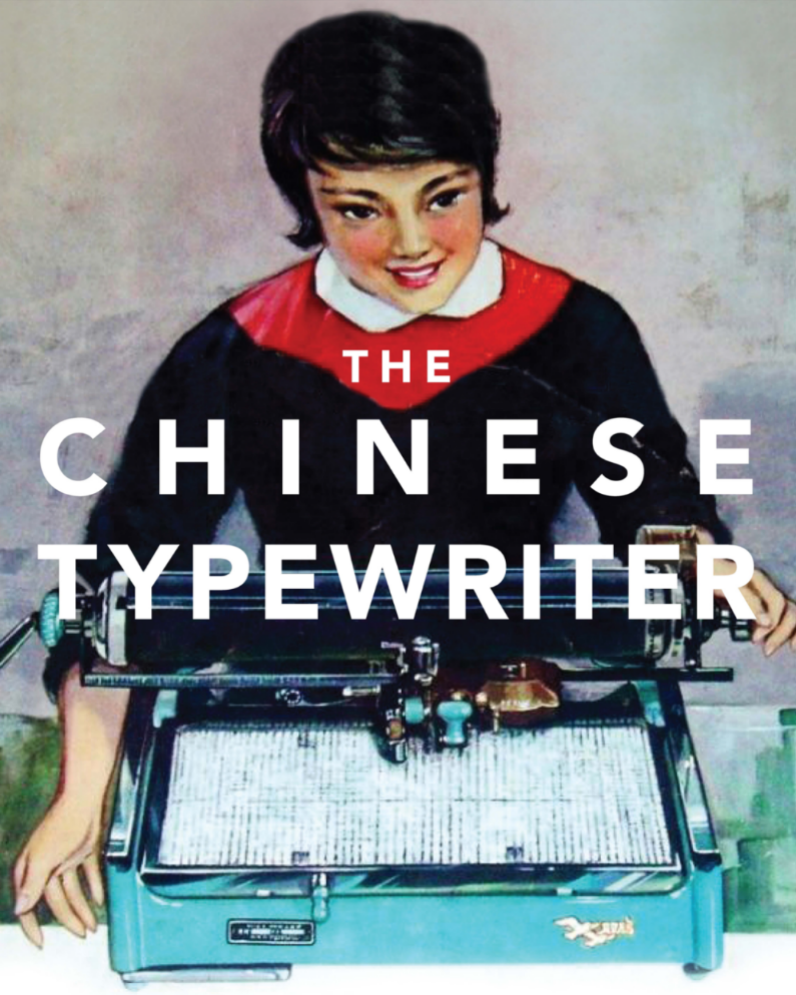
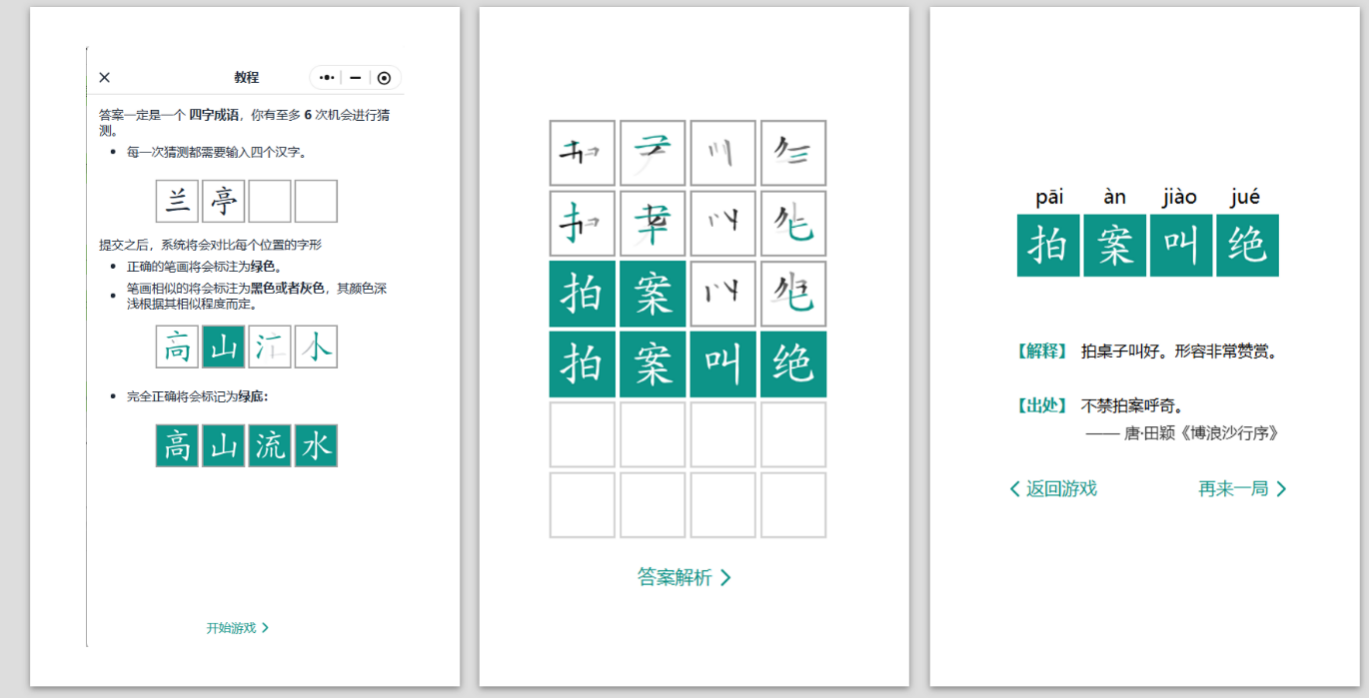
The color-coded feedback system that made Wordle famous was not original to the game. It traces back to the 2020 game Wordle itself, which was adapted for Chinese by developer Anthony Fu in 2022. Fu's game, called 'Handou' (汉兜), modified Wordle's rules for Chinese characters: instead of five-letter words, players guess four-character idioms, with ten attempts instead of six. The game gained popularity in Chinese-speaking regions, driven by a meme that highlighted the absurdity of using a QWERTY keyboard for Chinese input. Fu's inspiration came from a meme showing a Wordle interface with a grid of Chinese characters, illustrating the fundamental problem of typing Chinese on a Latin keyboard. This meme resonated with linguist Thomas S. Mullaney, who has studied the history of Chinese typewriters. Mullaney argues that Chinese text input relies on a process of recognition, candidate selection, and confirmation, a cycle that never truly hides the underlying mechanics of the keyboard. The homophone pun game, in turn, builds on this legacy, using the tension between sound, meaning, and form to create its puzzles.
The Future of Word Games: From QWERTY to Cultural Crossroads
The success of 'This Is a Homophone Pun' signals a broader trend: the adaptation of Western word games into Chinese linguistic and cultural contexts. The game's creator, known as '画点冷笑画' (Draw Cold Jokes), has tapped into a deep well of homophone humor that has long been a staple of Chinese internet culture. The game's 200 puzzles require players to abandon conventional logic and embrace a system where images and sounds collide, creating a 'Lacanian' experience of frustration followed by pleasure, as described by one analyst. This evolution reflects the changing nature of word games in the digital age. From Wordle's daily ritual to the Chinese homophone craze, these games are not just entertainment—they are mirrors of language, technology, and culture. As the QWERTY keyboard continues to shape how Chinese users interact with text, games like 'This Is a Homophone Pun' offer a playful critique of that interface, forcing players to think about the very nature of writing and meaning.
The bottom line
- Wordle's simple feedback system (green, yellow, gray) has become a template for word games worldwide, including Chinese adaptations.
- The New York Times' acquisition of Wordle and its handling of sensitive words like 'fetus' highlight the editorial challenges of daily word games.
- Wordle's integration into daily life was so profound that a failure to share results helped solve a kidnapping case.
- The Chinese game 'This Is a Homophone Pun' became a viral phenomenon in early 2026, leveraging homophone puns and Wordle-like mechanics.
- The game's success underscores the enduring appeal of wordplay in internet culture, bridging linguistics, technology, and viral trends.
- The evolution from Wordle to Chinese homophone games reflects broader questions about language, input methods, and cultural adaptation in the digital age.