Tanzania Implements Diesel Subsidy Amid Steep Fuel Price Hikes
Government intervention aims to cushion consumers as geopolitical tensions drive up global energy costs.
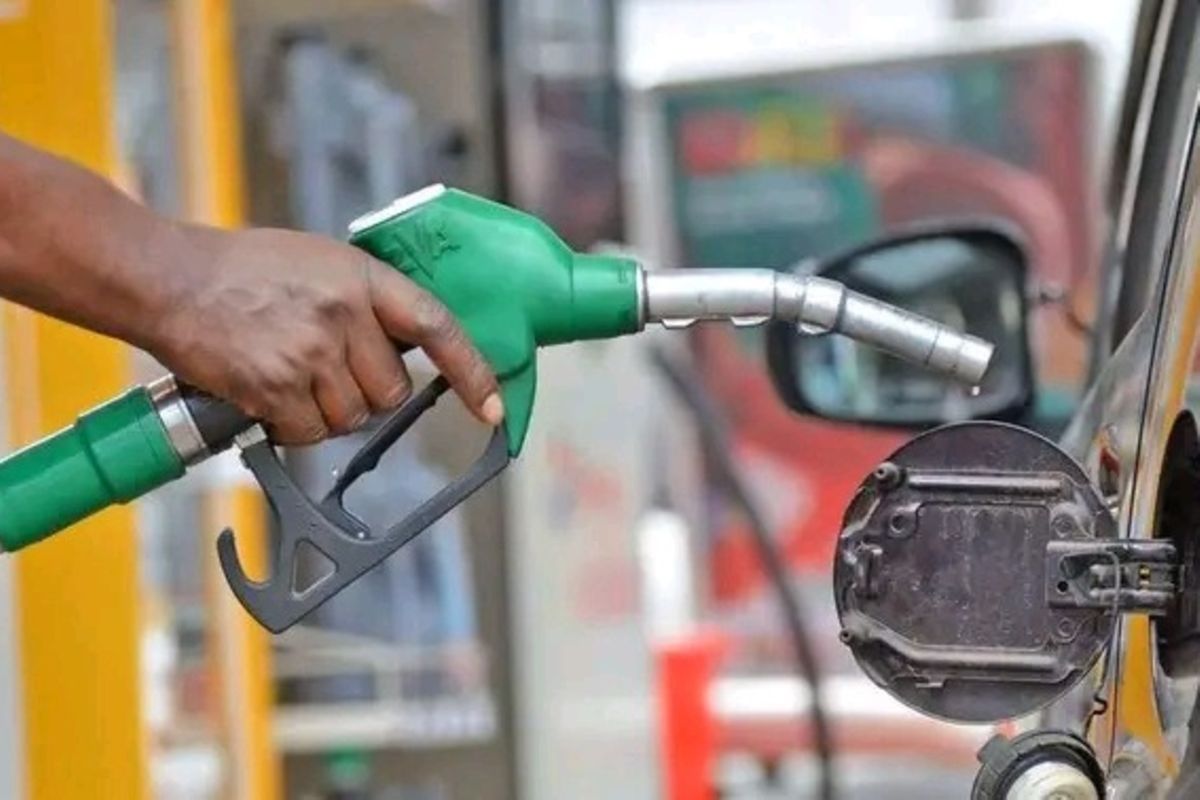
TANZANIA —
Key facts
- Fuel prices rose sharply across Tanzania on May 6, 2026.
- A subsidy of Sh259 per litre has been introduced for diesel.
- Petrol in Dar es Salaam now costs Sh4,115 per litre, up from Sh3,820.
- Diesel prices in Dar es Salaam increased to Sh4,248 per litre.
- Kerosene saw the steepest rise, reaching Sh4,677 per litre in Dar es Salaam.
- Geopolitical tensions involving Iran, the US, and Israel are cited as the primary cause.
- The Strait of Hormuz closure has disrupted global oil shipments.
Fuel Costs Surge, Government Responds with Diesel Subsidy
Fuel prices have surged across Tanzania, prompting the government to introduce a Sh259 per litre subsidy on diesel in an effort to shield consumers and vital economic sectors. This intervention comes as new pricing, effective May 6, 2026, reveals significant increases in petrol, diesel, and kerosene. The Energy and Water Utilities Regulatory Authority (Ewura) announced the updated prices, attributing the sharp rise to global supply disruptions exacerbated by ongoing geopolitical tensions in the Middle East. The decision to subsidize diesel specifically highlights its critical role in industrial production, freight, and public transportation. Despite the government's efforts, pump prices have climbed substantially. In Dar es Salaam, petrol has risen by Sh295 to Sh4,115 per litre, while diesel has climbed Sh442 to Sh4,248 per litre. Kerosene experienced the most dramatic increase, jumping Sh993 to Sh4,677 per litre.
Middle East Conflict Fuels Global Price Volatility
Ewura pinpointed the conflict in the Middle East, involving Iran, the United States, and Israel, as the principal driver behind the escalating fuel costs. This protracted geopolitical situation, which began in February, has severely disrupted critical oil infrastructure, including production sites, transportation networks, storage facilities, and refineries. A significant factor compounding the crisis is the closure of the Strait of Hormuz, a vital maritime artery that handles approximately 20 percent of global oil shipments. The disruption has led to reduced tanker traffic, considerable cargo delays, and a consequent escalation in both transport and insurance expenses. "This has led to reduced vessel movement, congestion and further increases in global oil prices," stated Ewura Director General, Mr Gerald Maganga. Tanzania, which relies heavily on petroleum products imported from the Middle East, is directly impacted by these global price surges, with domestic adjustments reflecting both international fuel costs and increased logistics expenses.
Regional Price Variations and Logistical Challenges
The impact of rising global prices is felt unevenly across Tanzania. While Dar es Salaam has seen significant increases, other regions report similar or even higher figures. Tanga now retails petrol at Sh4,176 per litre, with diesel at Sh4,309 and kerosene at Sh4,738. Mtwara faces prices of Sh4,207 for petrol, Sh4,341 for diesel, and Sh4,770 for kerosene. However, the most substantial price hikes are concentrated in remote northwestern and western regions. Motorists in Kyerwa District, Kagera Region, are paying a record Sh4,374 per litre for petrol and Sh4,360 for diesel, attributed to extensive inland transportation costs from primary ports. Similar elevated prices are observed in Misenyi and Karagwe districts within Kagera, and in Uvinza and Buhigwe districts of Kigoma. These elevated rates stand in stark contrast to prices in port cities. Ewura has committed to monitoring the market to ensure wholesalers and retailers adhere to the established maximum price caps, warning of severe penalties, including hefty fines or license revocation, for any station found hoarding supplies or manipulating prices.
Tanzania's Pricing Amid Regional Comparisons
Tanzania positions itself as a regional benchmark, being among the first East African nations to announce monthly fuel prices. Despite the current increases, the country's prices remain competitive when compared to some neighbours. In Kenya, petrol prices now exceed Sh4,300 per litre, while in Uganda, they are approaching Sh4,500 in certain areas. Rwanda faces some of the highest fuel costs in the region, with petrol surpassing Sh5,200 per litre. Energy analysts caution that global prices could continue their upward trajectory due to sustained increases in freight, insurance, and supply chain costs linked to the ongoing disruptions along critical oil transport routes. The volatility is further compounded by a weakening Tanzanian Shilling against the US Dollar, which inflates import costs. Refined fuel prices in the Arab Gulf market saw significant jumps in April 2026 compared to February, impacting petrol, diesel, and kerosene alike. The government continues to implement measures aimed at ensuring a stable fuel supply and maintaining affordability to mitigate the broader economic and social repercussions of the global energy crisis.
The Stakes for Tanzania's Economy and Consumers
The sustained rise in fuel prices poses a significant challenge to Tanzania's economic stability and the daily lives of its citizens. Diesel's widespread use in industry and transport means its increased cost directly impacts the price of goods and services across the board, potentially fueling inflation. The government's decision to subsidize diesel demonstrates a clear recognition of these risks. By cushioning the blow for essential sectors, it aims to prevent a cascade of price increases that could disproportionately affect lower-income households and businesses already operating on thin margins. However, the long-term sustainability of such subsidies remains a key question, particularly given the unpredictable nature of global energy markets and the ongoing geopolitical conflicts. The effectiveness of these measures will depend on the duration of the Middle East crisis and the government's ability to manage its fiscal implications.
The bottom line
- Tanzania has introduced a Sh259 per litre subsidy on diesel to combat rising fuel costs.
- Global geopolitical tensions in the Middle East, particularly involving Iran, the US, and Israel, are the primary cause of price hikes.
- The closure of the Strait of Hormuz has significantly disrupted global oil supply chains and increased shipping costs.
- Petrol prices in Dar es Salaam have reached Sh4,115 per litre, with diesel at Sh4,248 and kerosene at Sh4,677.
- Remote regions like Kagera and Kigoma are experiencing the highest fuel prices due to logistical challenges.
- Tanzania's fuel prices remain relatively competitive within East Africa despite the increases.


Young Africans S.C. Dismisses Coach Pedro Gonçalves After KMC Victory

Chama's Strike Keeps Simba SC's Title Hopes Alive

Samsung Rolls Out One UI 8.5 to Older Galaxy Devices
