Tanzania commission finds at least 518 died in postelection violence, likely more
President Samia Suluhu Hassan, sworn in for a second term after a disputed vote, promises constitutional reforms and a new criminal investigation into the unrest.
TANZANIA —
Key facts
- At least 518 people died in postelection violence in Tanzania, according to a government commission.
- More than 800 people suffered gunshot wounds; 245 remain unaccounted for.
- President Samia Suluhu Hassan won re-election with 97.66% of the vote after main rivals were barred.
- about 700 to 800 deaths; the UN cited at least 10.
- Internet was shut down for days; Hassan apologized and promised it would not recur.
- The commission ruled out mass graves but said demonstrations were not peaceful.
- Hassan announced a reconciliation commission and a criminal investigative body.
- The election was criticized by regional observers as not free and fair.
A disputed victory, a deadly crackdown
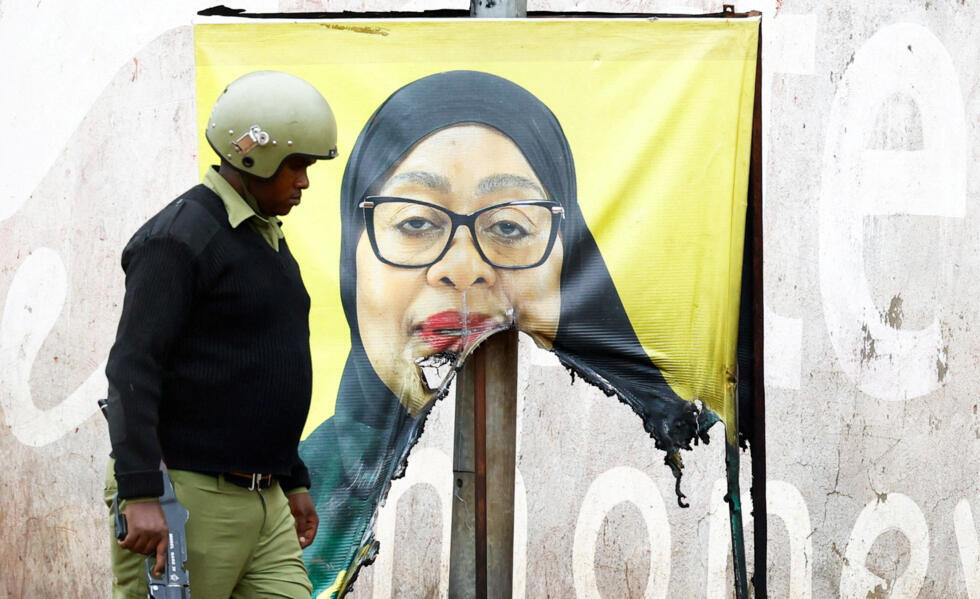
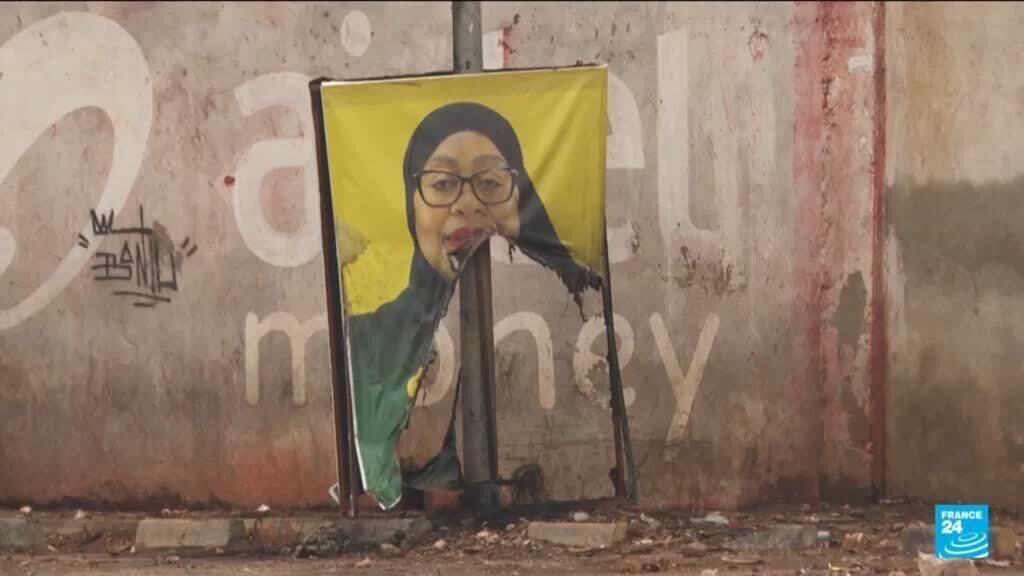
At least 518 people died in the violence that erupted after Tanzania’s October presidential election, a government-appointed commission has found. The commission, led by Mohamed Chande Othman, said the true toll is likely higher because many families buried their dead without going through morgues. Thousands were injured, with more than 800 suffering gunshot wounds. The violence began on Oct. 29, when young protesters took to the streets accusing the government of silencing the opposition. The internet was shut down across the country for days. President Samia Suluhu Hassan later apologized to the diplomatic community for the blackout and promised it would never happen again.
A commission’s findings and a president’s response
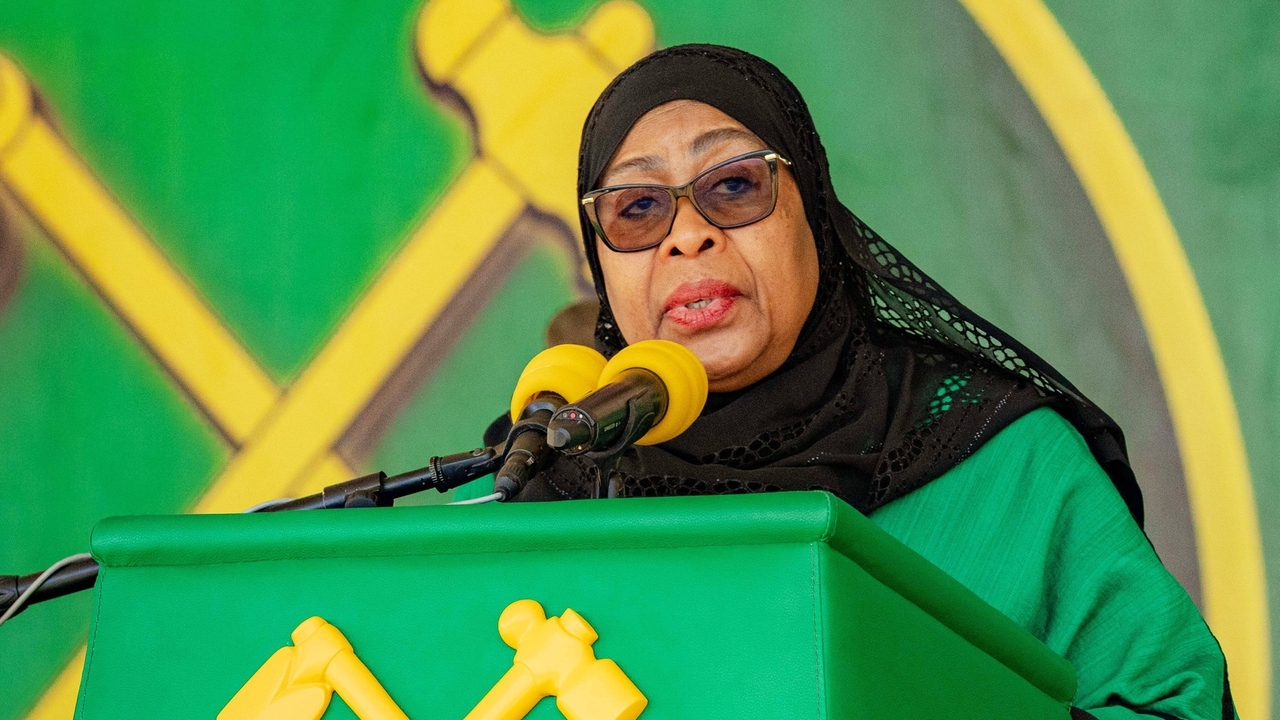
The commission concluded that the demonstrations were not peaceful but constituted “acts of violence” because organizers failed to give the required 48-hour police notice and because the protests occurred on election day, denying some citizens the right to vote. Othman said the protests were planned and coordinated by people who had been recruited and trained, and that violence occurred simultaneously in multiple locations to confuse the police. Hassan said the commission’s findings will guide constitutional amendments and promised the establishment of a reconciliation commission. She also announced the formation of a criminal investigative body to review the postelection unrest. That body will identify those who planned, financed, and were involved in criminal acts such as looting and damaging infrastructure, and will investigate claims of missing bodies and allegations of abductions.
Opposition cries foul, international observers condemn
The main opposition party Chadema, which was barred from participating in the election, rejected the official results. Party spokesman John Kitoka called Hassan’s victory a “mockery of the democratic process” and called for a fresh election overseen by a credible body. Chadema told AFP on Friday that about 700 people had been killed, based on hospital and clinic reports. On Saturday, “no less than 800 people” killed by security forces. The United indicated at least 10 people were killed in three cities. Foreign Minister Mahmoud Thabit Kombo denied excessive force, telling Al Jazeera that the government had “no official figures” on protesters killed. Regional election observers from the Southern Africa Development Community criticized the absence of a genuine opposition. Head of mission Richard Msowoya said that in most areas, voters could not express their democratic will.
The numbers behind the bloodshed
The commission’s report documented at least 518 deaths, with more than 800 gunshot wounds. Since the violence, 245 people remain unaccounted for, and 39 families reported seeing the bodies of their loved ones in morgues before they later disappeared. The commission ruled out the presence of mass graves, as alleged by human rights groups. Othman recommended a further investigation into the use of firearms, noting that some witnesses told the commission their loved ones were shot while sitting inside their houses. The commission’s figures contrast sharply with the opposition’s estimates of 700 to 800 deaths, and with the UN’s more conservative count of at least 10.
From democratic hope to repression
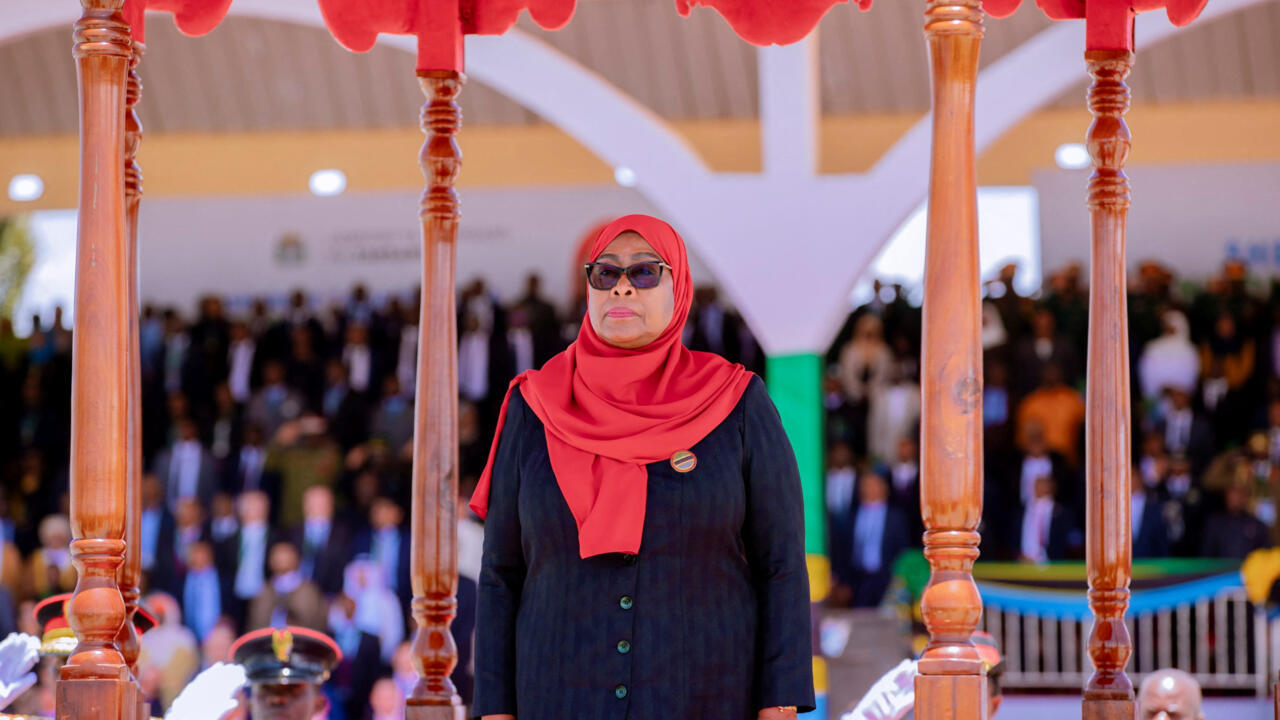
Samia Suluhu Hassan, 65, first rose to the presidency in 2021 after the sudden death of her predecessor, John Magufuli. She was once seen as a new democratic hope, but now stands accused of leading a repressive regime. Born in 1960 in Zanzibar, she earned a master’s degree in community economic development and worked as a project manager at the UN World Food Programme before entering politics. In the lead-up to the election, the country’s two main opposition leaders were prevented from running — one jailed for treason, the other disqualified. Hassan won nearly 98 percent of the vote with turnout estimated at 87 percent.’s electoral commission. Dan Paget, a political scientist at the University of Sussex, said the unconvincing numbers were meant to send a message: “Don't try to resist us, we are moving forward in broad daylight.”
What comes next
Hassan has promised constitutional amendments and a reconciliation commission, but the opposition and human rights groups remain skeptical. Amnesty International denounced a “wave of terror” in the lead-up to the elections, accusing authorities of enforced disappearances, arbitrary arrests, torture, and extrajudicial killings. The new criminal investigative body will have a broad mandate: to identify those who planned, financed, and were involved in looting and damaging infrastructure, and to investigate missing bodies and abductions. Whether this body will operate independently or serve to consolidate power remains an open question. For now, the country remains deeply divided, with the government insisting it acted appropriately and the opposition demanding a fresh vote.
A nation at a crossroads
Tanzania’s postelection violence has laid bare the fragility of its democratic institutions. The government’s own commission has documented a death toll that exceeds 500, and the opposition’s estimates are even higher. The internet shutdown, the barring of rivals, and the disputed election results have eroded the credibility of the electoral process. Hassan’s promises of reform and reconciliation will be tested by the depth of public anger and the scale of the bloodshed. The international community is watching closely, but regional observers have already condemned the election. Whether Tanzania can heal these wounds — or whether the cycle of repression and protest will continue — remains uncertain.
The bottom line
- A government commission found at least 518 deaths in postelection violence; the opposition claims 700-800.
- President Hassan won a second term with 97.66% of the vote after main rivals were barred.
- The government has promised constitutional amendments, a reconciliation commission, and a criminal investigation.
- Regional and international observers criticized the election as not free and fair.
- The internet was shut down during the protests; Hassan apologized and vowed no repeat.
- The opposition is calling for a fresh election overseen by a credible body.


Brentford 3-0 West Ham: Andrews' side climb to sixth as Hammers face relegation drop
Napoli Held 0-0 at Como, Handing Inter Serie A Title Advantage
Messi's 100th appearance ends in historic collapse as Orlando City rallies from 3-0 down