Putin’s inner circle wired for surveillance as coup fears grip Kremlin
A European intelligence dossier reveals sweeping new security measures for the Russian president, including phone bans for staff and a freeze on his family’s use of country residences.

TANZANIA —
Key facts
- Kremlin installed surveillance systems in homes of Putin's close staffers.
- Cooks, bodyguards and photographers banned from public transport.
- Visitors to Putin must be screened twice; staff may use only offline phones.
- Putin and family stopped using residences near Moscow and at Valdai.
- Putin has not visited a military facility in 2026 so far.
- Kremlin releases pre-recorded images of Putin to mask his movements.
- Sergei Shoigu, former defense minister, is associated with coup risk.
- Ruslan Tsalikov, Shoigu's ex-deputy, arrested on March 5, 2026.
A fortress mentality takes hold
The Kremlin has dramatically tightened security around President Vladimir Putin, installing surveillance systems in the homes of his closest aides and barring cooks, bodyguards and photographers from using public transport, according to a European intelligence dossier obtained by CNN. The measures, which also require visitors to the president to undergo two separate screenings and restrict staff to phones without internet access, reflect a deepening sense of vulnerability inside the Russian leadership. The dossier, compiled by a European intelligence agency and shared with multiple media outlets, details an unprecedented lockdown of Putin’s daily life. He and his family have stopped visiting their usual residences in the Moscow region and at Valdai, the secluded summer property between St. Petersburg and the capital. To maintain the illusion of normalcy, the Kremlin releases pre-recorded images of the president to the public.
The killing that rattled the security establishment
The new protocols were set in motion after the assassination of a top Russian general in December 2025, which triggered a bitter dispute within the country’s security hierarchy over who bore responsibility for protecting senior military figures. says that blowup prompted a comprehensive review of Putin’s own security arrangements and the extension of heightened protection to ten additional senior commanders. Since March 2026, the Kremlin and Putin himself have been preoccupied with the risk of leaks, plots or a coup attempt targeting the president, the dossier states. It notes particular concern about the use of drones for an assassination by members of the Russian political elite.
Shoigu: from confidante to threat
The most striking warning in the dossier concerns Sergei Shoigu, the former defense minister who now serves as secretary of the describes Shoigu as “associated with the risk of a coup, as he retains significant influence within the military high command.” The arrest of Shoigu’s former deputy and close associate, Ruslan Tsalikov, on March 5 is portrayed as a breach of the tacit protection agreements among elites, weakening Shoigu and increasing the likelihood that he himself could become the target of a judicial investigation.
War losses and economic strain fuel unease
The security clampdown comes against a backdrop of mounting losses in Ukraine, with Western estimates putting Russian dead and wounded at around 30,000 per month. Limited territorial gains on the frontline and repeated Ukrainian drone strikes deep inside Russia have made the conflict’s toll unsustainable, many analysts believe. On Sunday night, a drone hit a high-rise apartment building in an upscale Moscow neighborhood, according to local authorities and video from the scene. The economic cost is now palpable even for the urban elite, who had been largely insulated from the war’s impact. Cell-phone data outages regularly blight major cities, angering the pro-Putin bourgeoisie and adding to a sense that the war is beginning to hit home.
A president in hiding
Since the invasion of Ukraine in 2022, Putin has spent weeks at a time in upgraded bunkers, often in Krasnodar, a coastal region bordering the he has not visited a military facility this year so far, despite regular trips in 2025. To compensate, the Kremlin releases pre-recorded images of him to the public. provides rare detail of Moscow’s concerns over deteriorating internal security, painting a picture of a leader increasingly isolated and fearful of those around him.
What comes next
The intelligence dossier does not predict an imminent coup, but it underscores that the Kremlin’s internal stability is more fragile than at any point since the war began. The arrest of Tsalikov signals that the tacit non-aggression pact among elites may be fraying, and Shoigu’s fate remains an open question. As the war grinds on and economic pressures mount, the security measures around Putin may continue to tighten. The Kremlin’s reliance on pre-recorded footage and restricted movement suggests a leadership that no longer trusts its own institutions.
The bottom line
- Putin's security apparatus has been drastically expanded after a general's assassination and amid coup fears.
- Staff and visitors face multiple screenings, phone bans, and travel restrictions.
- Putin and his family have abandoned their usual residences; he has not visited a military site in 2026.
- Sergei Shoigu is viewed as a potential coup risk; his ally's arrest signals elite infighting.
- Russian losses of 30,000 per month and drone strikes on Moscow are eroding elite support.
- The Kremlin's use of pre-recorded images highlights a leader in hiding.


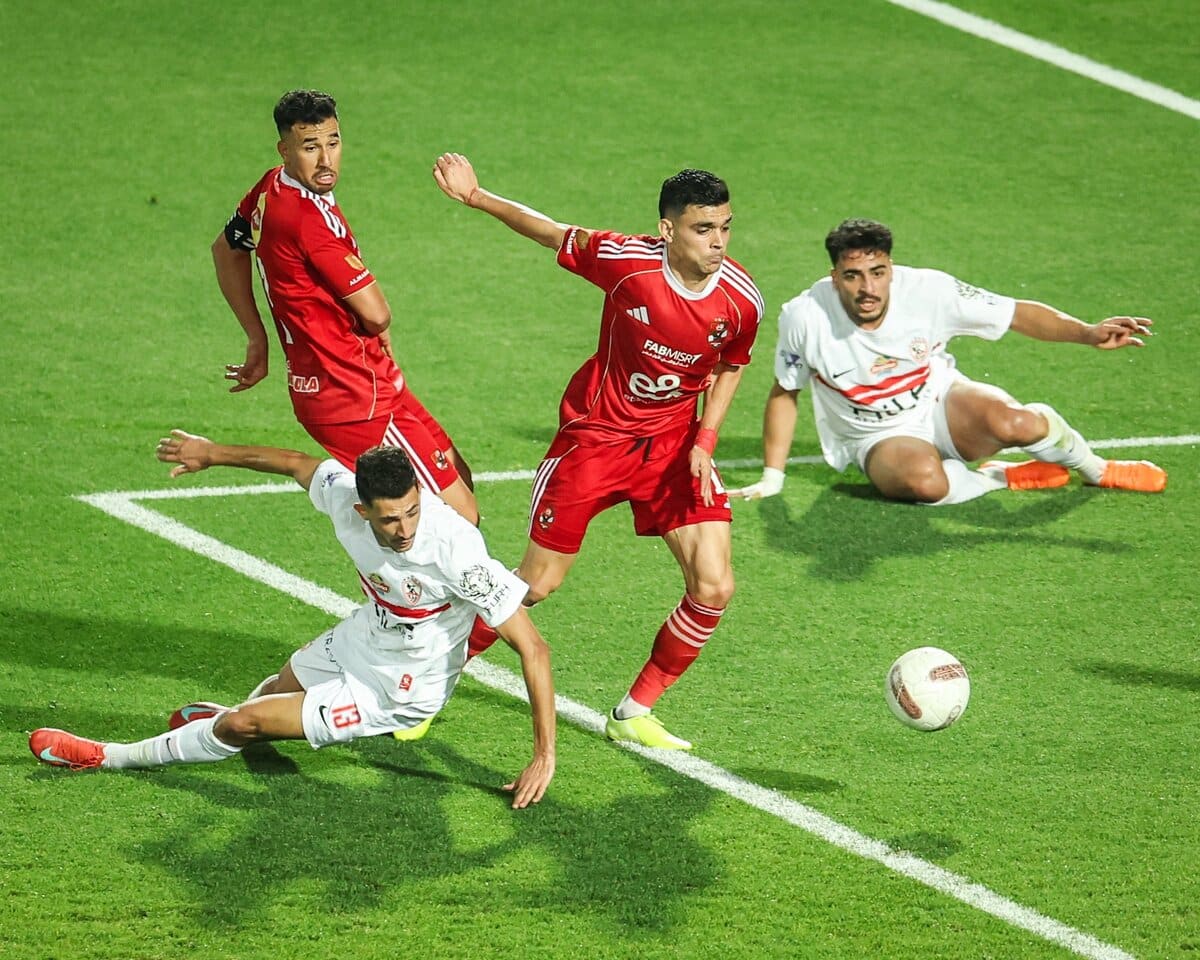
Bencharki Double Propels Al Ahly to 3-0 Derby Win Over Zamalek