How a Ugandan Town Turned Stray Dogs Into a $730,000 Online Scam Industry
An investigation reveals that fraudsters in Mityana have raised over 2.7 billion shillings from foreign donors by exploiting injured animals in staged rescue videos.

UGANDA —
Key facts
- Over $730,000 (about Shs 2.7 billion) has been raised by Ugandan scammers from foreign donors using fake animal rescue campaigns.
- Up to 40% of the funds were sent to dog shelters in Mityana, a town 70 km from Kampala.
- A dog named Russet, featured in a TikTok video on January 8, appeared in hundreds of campaigns by at least a dozen accounts.
- Undercover journalists found about 15 dogs confined in poor conditions at one facility, lying in waste and malnourished.
- The scam primarily uses TikTok (60% of traffic), Instagram (25%), and Telegram (15%).
- An estimated $2.5 million globally is generated annually by similar operations, with 42 animals seized in a recent raid.
The Dog That Launched a Thousand Scams
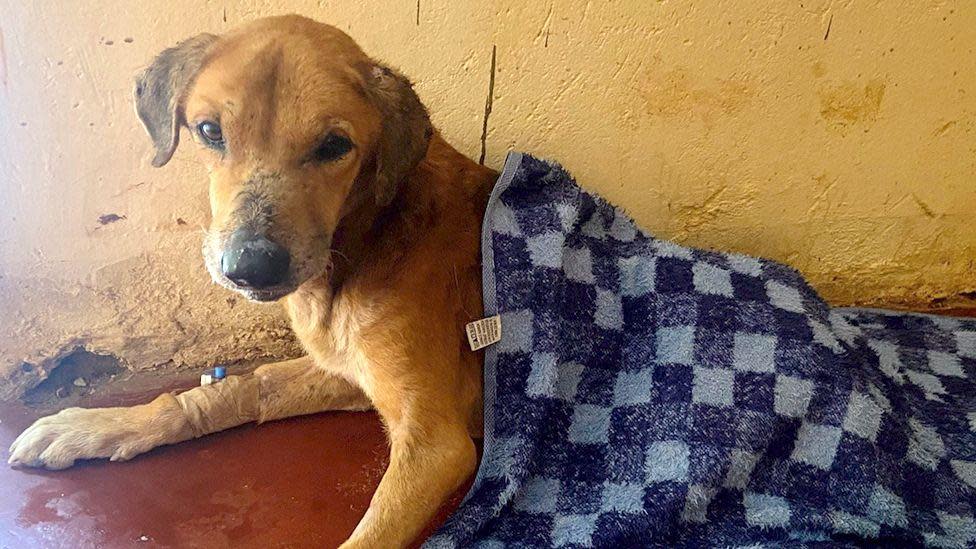
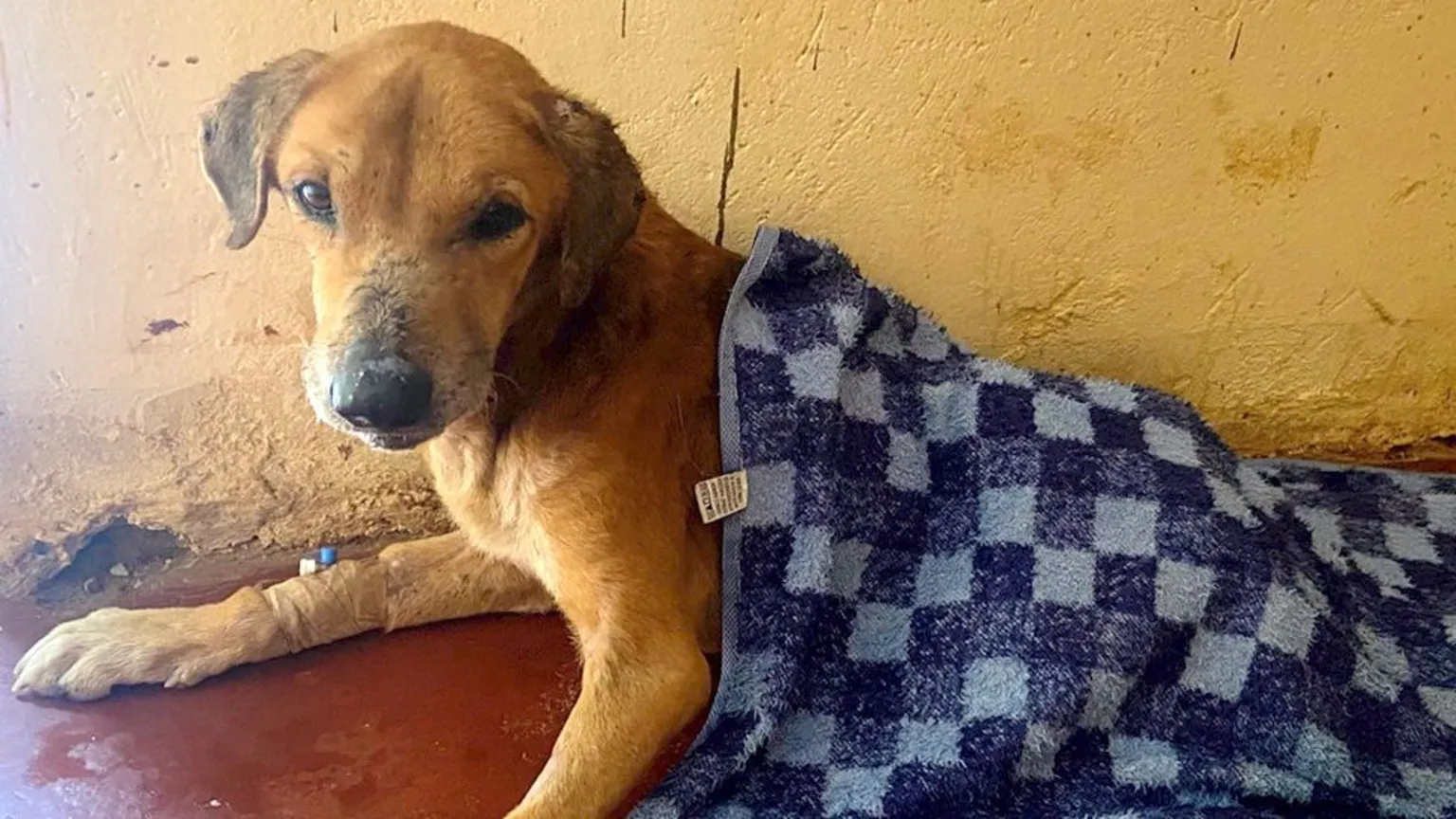
A dog with rust-coloured fur lies at the side of a road in Mityana, Uganda. He appears peaceful, but as the camera pans, severe injuries to his hind legs become visible. He is panting, presumably in pain. Text on the 15-second TikTok clip tells viewers that this dog 'got into an accident' and asks them 'to save his life' by donating through an online link. In the three weeks after the video was first posted on 8 January last year, this dog—later named Russet by a UK social media user—was featured in hundreds of other fundraising campaigns by at least a dozen accounts. Thousands of dollars were raised for his treatment, but he never got better. BBC Africa Eye has discovered that Russet was a prop in a scam that solicits donations for animals in distress, part of a hidden industry profiting from cruelty.
A Town Built on Fake Shelters
Mityana, a trading centre about 70 km from Kampala, has become infamous among online animal rescue activists worldwide for sham dog rescue shelters. Ugandan scammers have realised how popular dogs are in Europe, North America, and Australia, and how easily social media's obsession with dogs can be converted into cash. 'There are young men in the countryside who are always looking for anything to do on the internet,' said Bart Kakooza, chairman of the Uganda Society for the Protection and Care of Animals. 'On the other side, in the Western world, people are very passionate about animals. These young men realised they can make money if they can get a dog.' Undercover journalists who visited Mityana discovered that some so-called rescue shelters operate primarily as filming locations for scam content. At one such facility, about 15 dogs were found confined in poor conditions, lying in their own waste and showing signs of malnutrition. The fraud relies heavily on emotional social media content, with videos posted on TikTok, Instagram, and Facebook showing injured or starving animals accompanied by urgent appeals for donations.
The Anatomy of a $730,000 Fraud
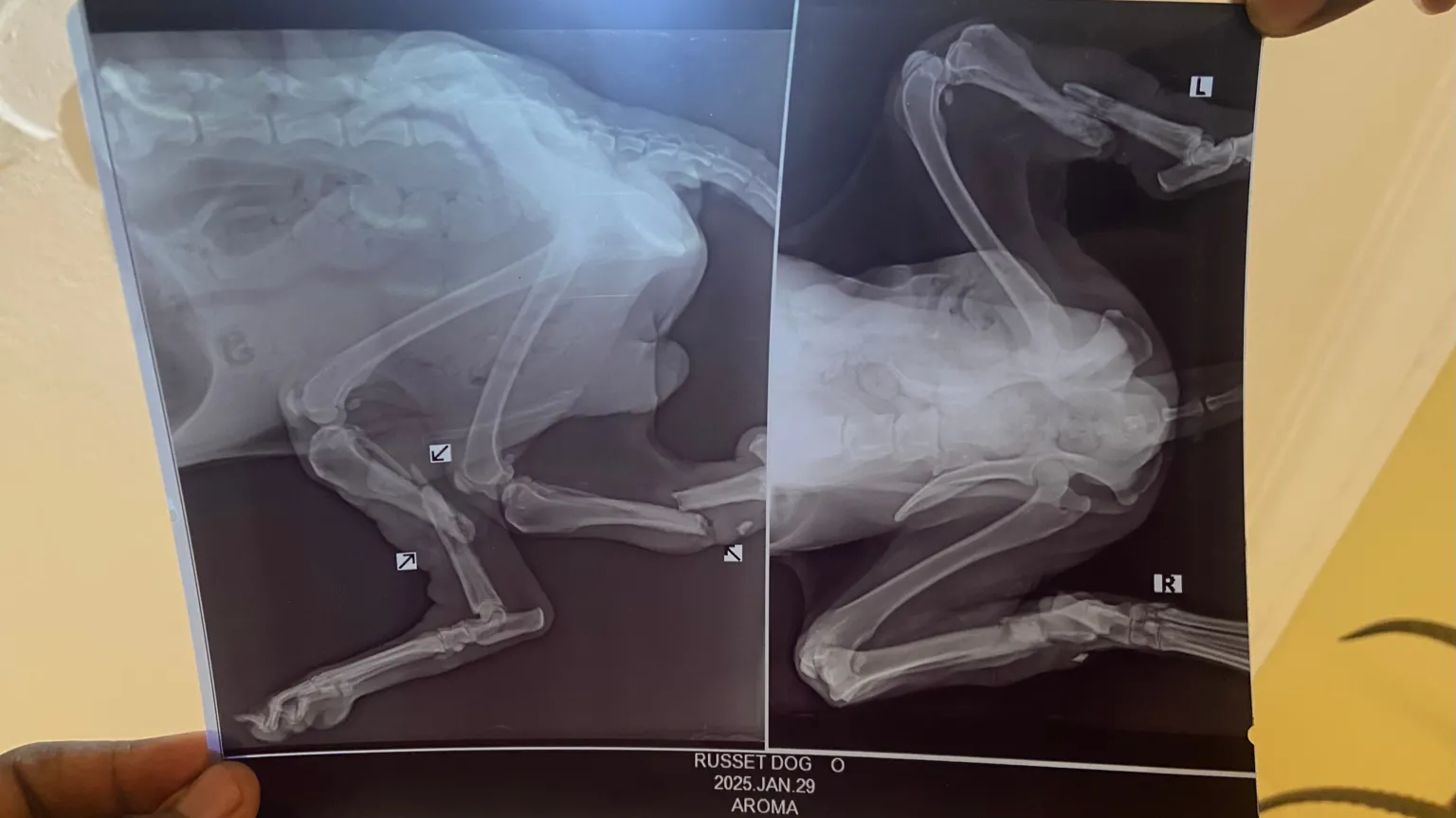
A recent investigation has found that over $730,000 (about Shs 2.7 billion) has been raised by Ugandans from unsuspecting foreign donors by exploiting abused animals in staged online rescue campaigns. Up to 40% of this amount was sent to dog shelters in Mityana. The scheme, uncovered by BBC Africa Eye, shows how a network of individuals has turned animal cruelty into a lucrative online business, targeting animal lovers in Europe, North America and Australia. In many cases, the animals never received proper care, despite the large sums raised in their names. One widely circulated case involved Russet, which appeared in multiple fundraising campaigns claiming it had been injured in an accident. However, investigations found that the same dog was used repeatedly across different accounts, often by unrelated individuals, to maximise donations. It is impossible to conclusively establish what caused Russet's injuries, but BBC World Service journalists managed to piece together parts of his story, which suggest he endured prolonged suffering, regardless of the cause.
A Factory of Misery: Inside the Syndicate
The 'Puppy Scammers,' as they are known in local cyber-intelligence circles, have managed to siphon off an estimated $2.5 million (approximately KES 325 million) from unsuspecting donors in Europe, North America, and Australia. The funds, ostensibly collected for 'lifesaving surgery' or 'shelter construction,' are instead laundered through complex mobile money networks and used to fund luxury lifestyles for the ringleaders. The scale of the operation is vast, involving professional video editors, social media managers, and a network of 'safe houses' where the animals are kept in appalling conditions. The syndicate’s tactics are chillingly effective. They use VPNs to appear as though they are located in different countries and employ 'sob stories' that are tailored to the cultural sensitivities of their targets. When a donor sends money via a platform like GoFundMe or directly through crypto-wallets, the scammers provide fake veterinary receipts and photoshopped recovery photos to encourage further giving. In reality, many of the dogs featured in the videos die within days due to untreated injuries or neglect, only to be replaced by another 'victim' from the local streets. The BBC investigation tracked several high-profile social media accounts back to a single residential compound in a suburb of Kampala. There, they found dozens of dogs tethered in the heat without water, some with open wounds that were being 'dressed' only when the cameras were rolling. 'This is not just a scam; it is a factory of misery,' said one investigator. 'They have turned empathy into a commodity and suffering into a business model.'
Regulatory Failures and the Fight Back
The case has sparked outrage among animal rights activists and raised serious questions about the oversight of crowdfunding platforms. While companies like Meta and TikTok have policies against animal abuse, the scammers are adept at creating new accounts faster than the platforms can ban them. Furthermore, the lack of robust animal welfare laws in many jurisdictions makes it difficult for local police to prosecute these crimes as anything other than simple financial fraud. Estimated annual revenue from such operations exceeds $2.5 million globally. During a recent raid following the report, 42 animals were seized. The problem is not confined to Uganda; similar operations have been reported in Nairobi and Dar es Salaam, where high youth unemployment and accessible digital tools have created fertile ground for 'emotional engineering' scams. The Kenya Society for the Protection and Care of Animals (KSPCA) has warned local residents to be wary of online appeals that lack verifiable physical addresses or third-party audits. 'If you want to help animals, give to established local shelters that you can visit in person,' the organization advised.
What Comes Next: International Pressure and Ongoing Investigations
goes viral, there are calls for international pressure on the Ugandan government to tighten its cybercrime and animal welfare legislation. The investigation is ongoing, and Interpol has reportedly been engaged to track the international flow of the stolen funds. For now, the 'Puppy Scammers' remain a dark reminder of how easily the internet can be used to exploit the best of human nature for the worst of human ends. The story connects a town in Uganda with animal lovers thousands of miles away, coaxed into parting with their money through emotional images, lies, and the exploitation of Western stereotypes of Africa such as endemic poverty and widespread indifference towards animal welfare. But it is dogs like Russet who pay the biggest price.
The bottom line
- Fraudsters in Mityana, Uganda, have raised over $730,000 from foreign donors using fake animal rescue campaigns, with 40% of funds sent to local shelters.
- The scam relies on emotional videos of injured dogs, often reused across multiple accounts, and the animals rarely receive proper care.
- Undercover investigations revealed shelters operating as filming hubs with dogs kept in appalling conditions, some with open wounds dressed only for cameras.
- The syndicate uses VPNs, fake receipts, and photoshopped images to evade detection and launder money through mobile networks.
- Regulatory gaps and platform policies allow scammers to create new accounts faster than they are banned, hindering prosecution.
- Interpol has been engaged to track the international flow of stolen funds, and activists are urging Uganda to tighten cybercrime and animal welfare laws.
)



Spurs vs Wolves: Victor Wembanyama's Crunch-Time Brilliance Decides NBA Playoff Opener

John Stones Draws Interest from Top Clubs Across Three Leagues as Transfer Window Approaches

David Raya matches Edwin van der Sar's clean-sheet record in first 100 Arsenal appearances