Budapest's Dual Celebrations Expose Political Rifts as Magyar Takes Power
Incoming Prime Minister Péter Magyar clashes with Mayor Gergely Karácsony over dueling events on the Danube, highlighting the capital's financial strain and fractured governance.

UGANDA —
Key facts
- Péter Magyar to be elected prime minister on May 9 with 141 Tisza MPs in parliament.
- Budapest mayor Gergely Karácsony planned a 'regime-closing' party on May 8, then moved it to May 9 after Magyar's objection.
- Magyar called the city 'bankrupt' and questioned who would pay for the festivities.
- Budapest operates unlawfully due to lack of a deputy mayor; Karácsony offered Tisza a deputy role but got no reply.
- Tisza holds roughly one-third of seats in the General Assembly, alongside Fidesz and old left-wing parties.
- Dávid Vitézy, set to become transport minister, vows to rebuild Hungary's railways after 'years of decline'.
- Tisza has only two reserves left for Budapest seats; a snap election could allow Tisza to sweep the capital.
A Tale of Two Parties on the Danube
On May 9, Budapest will witness two competing celebrations along the Danube: a regime-changing party organized by incoming Prime Minister Péter Magyar and a regime-closing event initially planned by Mayor Gergely Karácsony for the previous evening. The dueling festivities have exposed deep political tensions between the new Tisza-led government and the city administration, which Magyar has accused of fiscal irresponsibility. Magyar, who will be sworn in on the afternoon of May 9 after the National Assembly votes on his government's program, announced a 'system-changing' public celebration outside Parliament on Kossuth Square and the Danube embankment. Screens will relay events inside the building, followed by artistic performances and surprise guests. 'After the greetings from the elected prime minister, the artistic performances and the surprise guests, we will cross the threshold of regime change with a rousing party,' Magyar wrote.
Mayor's Regime-Closing Event Sparks Controversy
Karácsony initially proposed a regime-closing party on May 8 at 6:30 p.m. at the foot of the Chain Bridge on the Pest embankment, aiming to symbolically banish 16 years of Fidesz rule. However, Magyar voiced displeasure, questioning the timing and funding. 'Is this really serious, that the mayor is putting on a party on top of the joint May 9 celebration of regime change? And by the way, is the bankrupt capital paying for the party, or are you?' Magyar wrote. Karácsony subsequently moved the event to May 9 from 1 p.m., allowing attendees to later join the Tisza gathering at Parliament. He framed the event as a gesture of gratitude to those who opposed Fidesz, including civilians, independent creatives, rights defenders, teachers, students, and LGBTQ+ advocates. 'We owe them at least a thank you. We agree that we will not forget the courage to stand up, nor the vile acts committed against them,' Karácsony wrote.
Budapest's Financial and Governance Crisis
Magyar's criticism of the city's finances reflects a broader crisis: Budapest is operating unlawfully because Karácsony lacks a deputy mayor due to a fractured assembly. Karácsony has long complained about the high solidarity contribution imposed by previous governments, which he says has delayed development. The city's precarious position raises questions about its ability to fund large-scale events. The General Assembly is split roughly evenly among Tisza, old left-wing parties, and Fidesz, with additional seats held by the Hungarian Two-Tailed Dog Party and Dávid Vitézy's Podmaniczky Movement. Vitézy, however, is set to become transport minister in the Tisza government, further complicating the balance of power.
Tisza's Thin Bench and the Prospect of Snap Elections
Tisza's representation in the Budapest assembly is stretched thin. by 24.hu, the party entered the 2024 municipal elections as a minor player with a short list of candidates and now has no one left to fill seats. Several former capital representatives, including Andrea Bujdosó and Áron Porcher, have moved to European Parliament or national assembly roles. Of Tisza's 14-strong Budapest list, only two reserves remain: András Kulja and Eszter Lakos, both now MEPs. While the roles are theoretically compatible, in practice they are difficult to reconcile; two Tisza MEPs who also sit as Budapest representatives have shunned committee positions and rarely contribute. A snap election could benefit Tisza, which enjoys roughly 60% support in parliamentary polls and could potentially sweep the capital, possibly even winning the mayor's office. Such an outcome would consolidate Tisza's control but further destabilize the city's governance.
What Comes Next: Unity or Further Division?
The competing celebrations on May 9 symbolize the fragile transition of power in Hungary. While Magyar's inauguration marks a historic shift after 16 years of Fidesz rule, the discord between the incoming prime minister and the Budapest mayor underscores the challenges ahead. Karácsony's decision to reschedule his event may temporarily defuse tensions, but the underlying issues—financial strain, political fragmentation, and governance deadlock—remain unresolved. As Budapest prepares for a day of dual festivities, the question of who will pay for them lingers. Magyar's accusation that the capital is 'bankrupt' suggests that fiscal responsibility will be a key theme of his administration. For now, the city's residents are left to navigate a political landscape where celebration and confrontation unfold side by side on the same riverbank.
The bottom line
- Péter Magyar becomes prime minister on May 9 with a historic mandate, but immediately clashes with Budapest's mayor over dueling celebrations.
- Budapest is financially strained and operating unlawfully due to a lack of a deputy mayor, complicating its ability to host events.
- Tisza's thin bench in the city assembly and high national support make a snap election likely, which could give Tisza full control of the capital.
- The regime-closing event was moved to May 9 after Magyar's criticism, but tensions between the new government and city hall persist.
- Dávid Vitézy's appointment as transport minister signals a focus on rebuilding railways, but his departure from the assembly further fragments the city's politics.


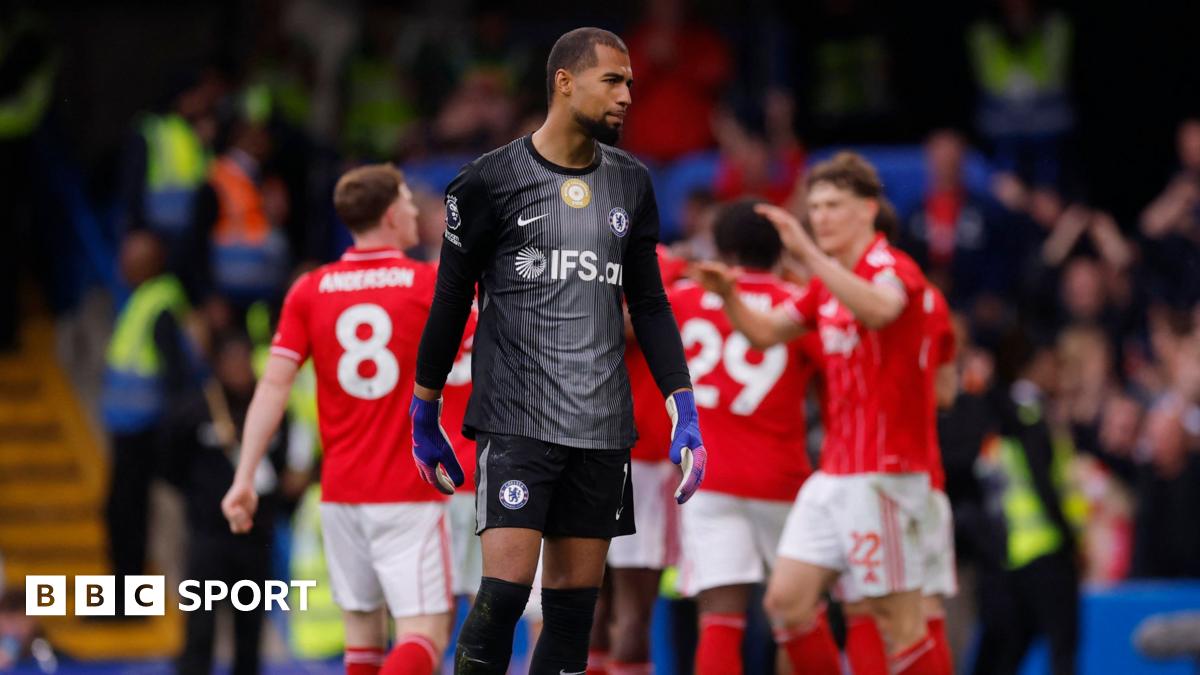
Awoniyi double sinks Chelsea as Forest move six points clear of drop zone

Gyokeres Relishes Champions League Semi-Final Showdown with Atletico at Emirates
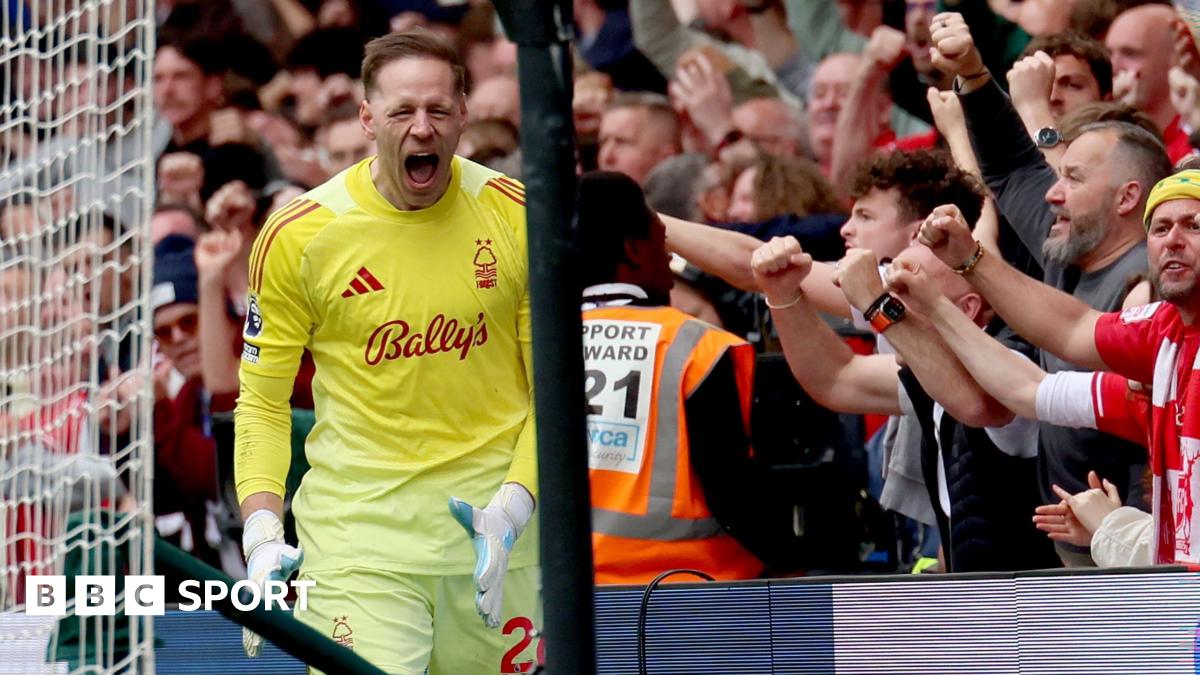
Cole Palmer and Jesse Derry Start as Chelsea Host Forest in Premier League Clash