Burkina Faso’s GDP Surges 43% Under Traoré, but Security and Democracy Erode
The military leader’s push for economic sovereignty masks a brutal crackdown on dissent and a worsening humanitarian crisis.
UGANDA —
Key facts
- Burkina Faso’s nominal GDP rose from $18.8 billion in 2022 to $26.9 billion in 2025, a 43% increase per IMF projections.
- Real GDP growth was 3% in 2023 and 4.9% in 2024, according to the World Bank.
- Gold contributes 15–20% of GDP but employs only 2–3% of the workforce.
- Agriculture employs over 70% of the population and is the main driver of real income growth.
- Captain Ibrahim Traoré seized power in a coup in September 2022, the second in less than a year.
- The government dissolved more than 100 NGOs and civil society groups and banned political parties.
- Over two million people have been displaced by a jihadist insurgency that has killed thousands since 2015.
- ‘horrific’ civilian abuses by the military and its allies.
A 43% GDP Jump, but Little for the Poor
Burkina Faso’s nominal gross domestic product has surged from $18.8 billion in 2022 to an estimated $26.9 billion by 2025, a 43% increase.Yet real GDP growth—which strips out inflation and commodity price swings—was far more modest: 3% in 2023 and 4.9% in 2024, the World Bank reports. The gap between nominal and real growth reveals a story of windfall gains from gold exports rather than broad-based economic expansion. Gold, Burkina Faso’s dominant export, contributes roughly 15–20% of GDP but directly employs only 2–3% of the workforce. The mining sector’s limited employment impact means that soaring revenues do little to lift the majority of Burkinabè out of poverty. Agriculture, which employs over 70% of the population, remains the true backbone of the economy. Traoré’s administration has introduced subsidies for seeds, fertilizer, and irrigation, along with investments in rural roads and storage facilities, to boost yields and reduce post-harvest losses. These measures have helped stabilize household incomes, but the sector remains vulnerable to climatic shocks and insecurity.
Traoré’s Sovereignty Drive: Mining Nationalization and Fiscal Capture
Since taking power in September 2022, President Ibrahim Traoré has pursued a strategy of economic sovereignty aimed at reducing foreign dependency. His government renegotiated mining contracts to demand higher royalties from foreign operators, tightened regulatory oversight on production reporting and export accounting, and partially nationalized select strategic mines. The increased fiscal capture has allowed the government to channel mining revenues into infrastructure, health services, and social programs without expanding foreign borrowing. But the benefits remain concentrated in the extractive sector, which is capital-intensive and geographically limited. Critics argue that the headline GDP figures mask a persistent disconnect between macroeconomic growth and inclusive development. Traoré’s approach reflects a broader shift across the Sahel, where military-led governments in Mali, Niger, and Burkina Faso have turned to Russia for security support while distancing themselves from Western partners. The United States has signaled it is ready to engage these juntas, prioritizing security cooperation over democratic conditionality.
‘Forget Democracy’: The Military’s Tightening Grip on Power
Captain Ibrahim Traoré has made no secret of his contempt for democratic governance. “Forget democracy,” he declared, arguing that the system would not work for Burkina Faso. Since the coup, his administration has dissolved more than 100 non-governmental organizations and civil society groups and banned all political parties, effectively eliminating organized opposition. The crackdown extends beyond politics. Human Rights Watch has documented “horrific” civilian abuses committed by the Burkinabè military and its allied forces, including extrajudicial killings and forced disappearances. alleging that over 1,800 civilians have been killed since the junta seized power, calling the findings “unfounded.” International pressure has mounted, but Traoré’s regime has shown little willingness to restore civilian rule. The junta’s reliance on Russian mercenaries, notably the Wagner Group, has further complicated the security landscape and deepened the country’s isolation from traditional Western allies.
Jihadist Insurgency Displaces Millions and Fuels Atrocities
Burkina Faso is in the grip of a jihadist insurgency that began in 2015 and has since killed thousands and displaced over two million people. Armed groups linked to Al-Qaeda and the Islamic State control large swaths of territory in the north and east, where they impose brutal rule and attack civilians. The violence has spilled across borders. In one recent attack, Islamists raided a town in Burkina Faso, killing seven Ghanaian tomato traders who were “burnt beyond recognition.” Malian refugees fleeing similar atrocities have poured into the country, recounting horrors: “We saw terrible things,” one refugee said, describing assaults by multiple groups, including the Malian army. Yameogo Aminata, a Burkinabè mother, lost four sons to Islamist militants. Her daughter is missing. She is among the thousands who have been forced to flee their homes, seeking safety in overcrowded camps where access to food, water, and healthcare is precarious.
Drones and Regional Dynamics Reshape the Battlefield
The jihadist insurgency has evolved with the use of off-the-shelf drones, which insurgents have deployed in a wave of strikes on military positions across the Sahel. These low-cost, high-impact weapons are making the fighters harder to beat, according to analysts, and are changing the nature of warfare in the region. In response, West African nations have been deploying thousands of soldiers under a regional army framework, though the effectiveness of such operations remains uncertain. The three juntas in Burkina Faso, Mali, and Niger have all turned to Russia for military assistance, including drones and mercenaries, while the United States now signals it is ready to engage them without insisting on a return to democracy. The regional dynamics are shifting rapidly. The Economic Community of West African States (ECOWAS) has struggled to respond to the coups and the security crisis, while the Sahel’s military leaders consolidate their power and deepen ties with Moscow.
Outlook: Growth Without Development, Security Without Rights
Burkina Faso’s economic growth, while impressive on paper, has not translated into improved living standards for the majority of its 22 million people. The nominal GDP surge is largely a function of gold revenues and inflation, masking the stagnation of the agricultural sector that sustains most households. Traoré’s sovereignty agenda has won him popularity among those who resent foreign interference, but his authoritarian rule and human rights abuses risk alienating the international community and deepening the country’s isolation. The security situation remains dire, with the jihadist insurgency showing no signs of abating and the military’s own abuses fueling resentment. For the Burkinabè people, the promise of a “Land of Upright People” remains distant. The country faces a stark choice: whether the path of military-led sovereignty can deliver both security and prosperity, or whether it will lead further into a cycle of violence and repression.
The bottom line
- Burkina Faso’s nominal GDP grew 43% from 2022 to 2025, but real growth was modest at 3–5%, driven by gold exports that employ few people.
- President Ibrahim Traoré has nationalized mines, increased royalties, and used revenues for infrastructure, but the benefits are not widely shared.
- The military government has dissolved over 100 NGOs, banned political parties, and told citizens to ‘forget democracy’.
- Human Rights Watch accuses the military and its allies of ‘horrific’ civilian abuses; the government denies a report of over 1,800 civilian deaths.
- A jihadist insurgency has displaced over two million people and killed thousands, with refugees reporting atrocities by multiple armed groups.
- Insurgents now use off-the-shelf drones, while the junta relies on Russian support, and the US shifts to engagement without demanding democracy.


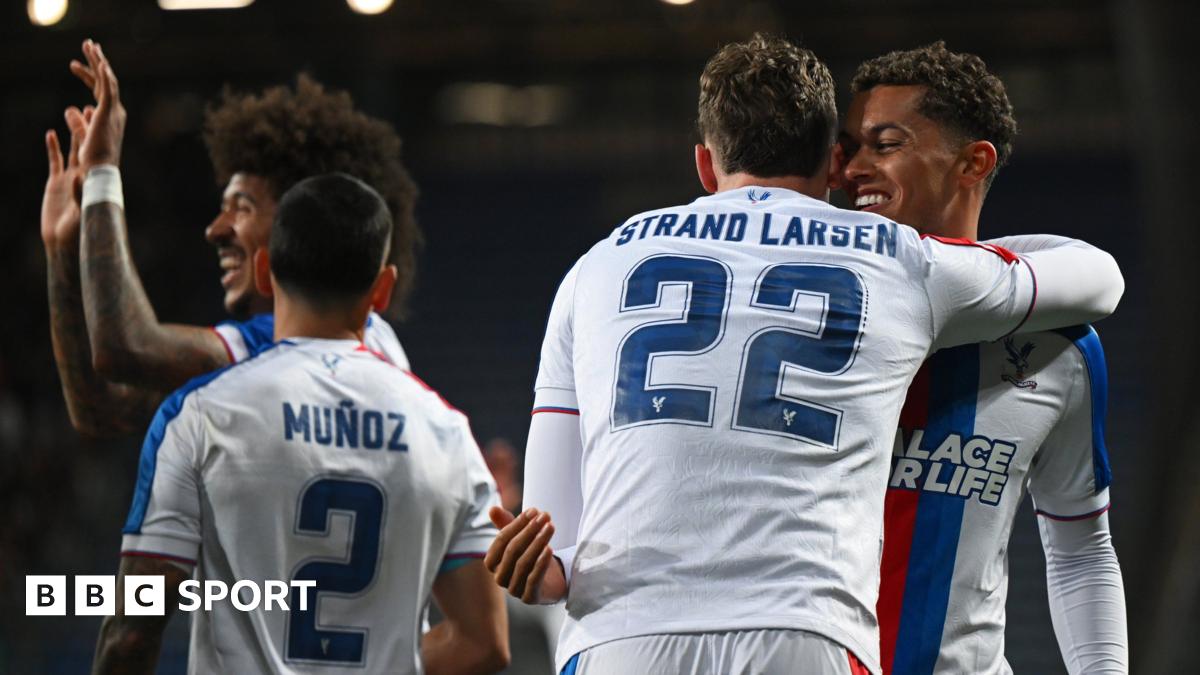
Sarr's Record-Breaking Opener Propels Crystal Palace to 3-1 Win Over Shakhtar Donetsk
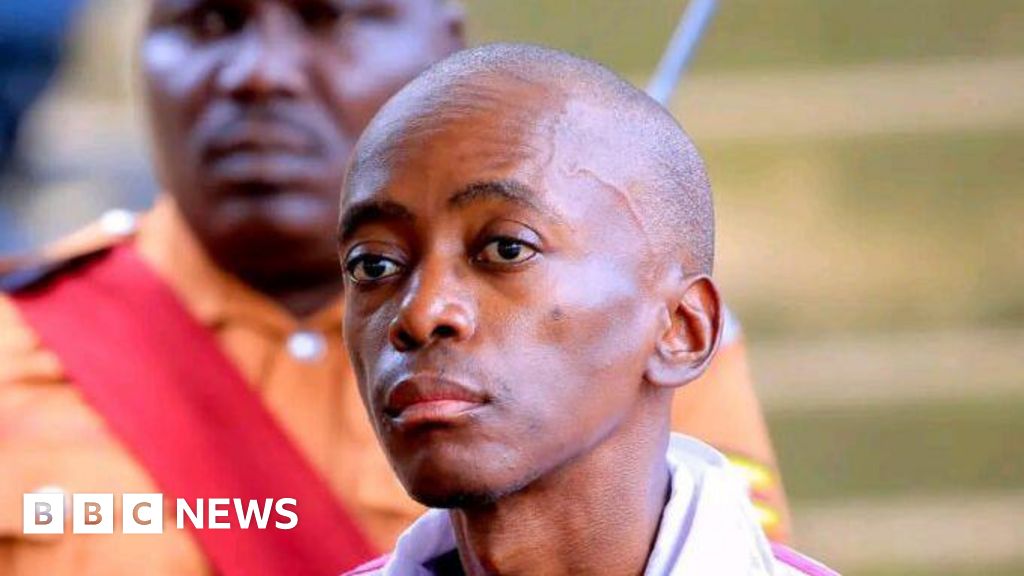
Ugandan Man Sentenced to Death for Stabbing Four Toddlers at Nursery School

Alemao's Strike Gives Rayo Vallecano First-Leg Lead Over Strasbourg in Conference League Semi-Final