Kampala Launches Electric Buses, Sparking Taxi Operator Backlash
New city fleet offers modern amenities, but private operators fear unfair competition and job losses.
UGANDA —
Key facts
- Kampala Capital City Authority (KCCA) launched eight electric buses on central routes.
- The electric buses are conditioned, offer free Wi-Fi, charging ports, and onboard cameras.
- A fare of Shs 2,000 per passenger is charged, with payments made via phone.
- The fleet is projected to grow to 300 electric buses in Kampala by June 2028.
- Uganda aims to electrify its entire government vehicle fleet by 2035.
- The national e-mobility strategy targets 500,000 EV units annually by 2030.
- Taxi operators cite unfair competition due to tax exemptions and government backing for the new buses.
Kampala's New Fleet Takes to the Streets
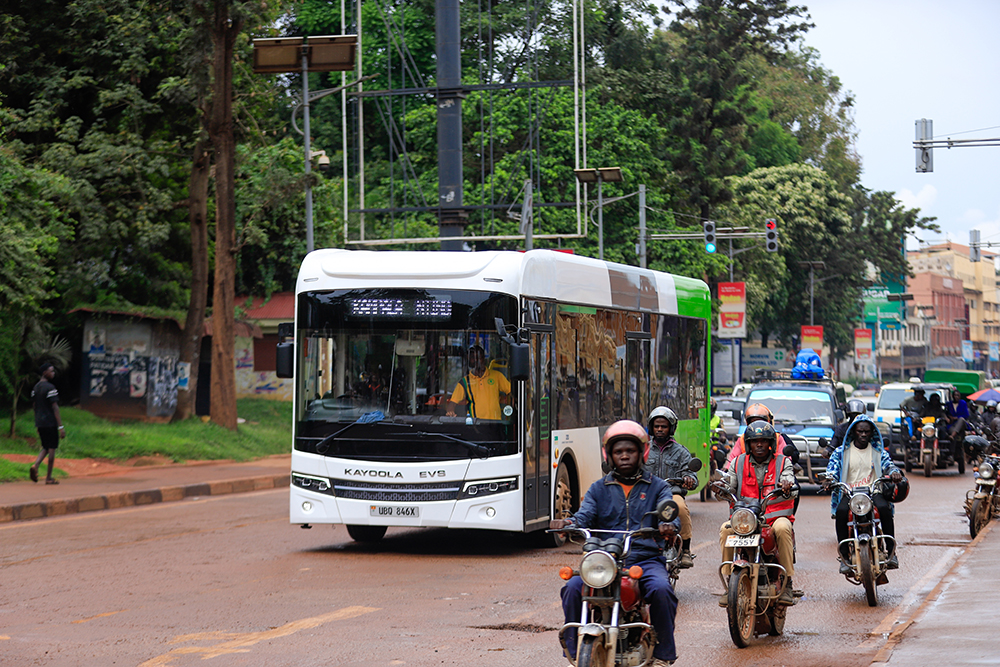
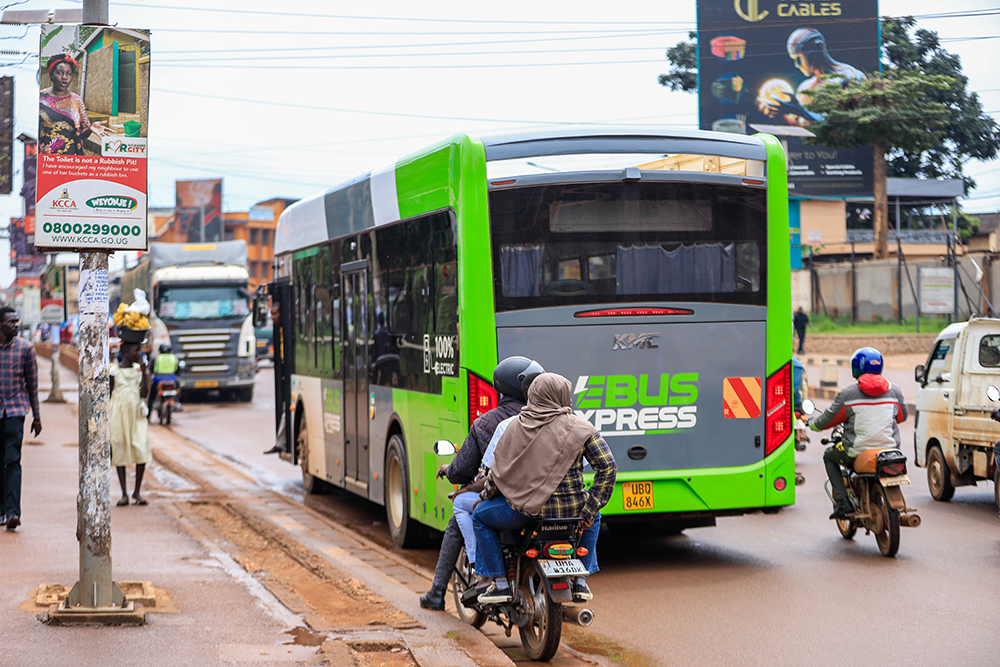
Kampala's central business district is now serviced by a fleet of eight new electric buses, marking a significant step in the city's public transport modernization. Operated by the Kampala Capital City Authority (KCCA) in partnership with Kiira Motors, these vehicles offer a suite of contemporary amenities for commuters. Passengers can expect air-conditioned interiors, complimentary Wi-Fi, and convenient charging ports. For enhanced security, all buses are equipped with surveillance cameras. The operational routes are concentrated in high-demand corridors within the city center. A flat fare of Shs 2,000 per passenger is applied across all routes, with transactions facilitated through mobile phone payments. This initiative is part of a broader vision that anticipates the expansion of the electric bus fleet to 300 vehicles in Kampala by June 2028, following earlier deployments in eastern Uganda.
A Milestone in Sustainable Transport
The introduction of these electric buses is heralded as a pivotal moment for Uganda's public transportation sector. Minister of Works and Transport Edward Katumba Wamala has described the initiative as a key milestone in the nation's journey towards an organized, efficient, and sustainable transit system. This rollout underscores a national commitment to embracing cleaner and more modern public service vehicles. This development aligns with Uganda's ambitious national e-mobility strategy, which is designed to foster domestic manufacturing, develop battery production capabilities, establish robust charging infrastructure, and cultivate specialized human capital. The strategy aims to position Uganda as a regional leader in electric mobility.
National Ambitions: Local Manufacturing and Fleet Electrification
Beyond the Kampala launch, Uganda harbors extensive plans to transition its transportation landscape. The government has set a target to electrify its entire fleet of official vehicles by 2035, prioritizing locally manufactured electric vehicles. This move is intended to bolster the country's burgeoning EV manufacturing industry, which produced 3,300 units in 2024 and is projected to exceed 20,000 units in 2025. Allan Muhumuza, Team Leader of the Mobility Bureau at the Science, Technology and Innovation (STI) Secretariat, detailed these aspirations. Uganda aims for an annual production capacity of 500,000 electric vehicles by 2030, with a local content target of 65 percent. Since 2021, the nation has produced over 25,000 EV units, predominantly motorcycles. Future plans include expanding battery manufacturing to one gigawatt-hour capacity and establishing a battery recycling plant by 2040, alongside deploying over 15,000 electric buses and one million electric motorcycles by 2040.
Taxi Operators Decry Unfair Competition
The arrival of government-backed electric buses has ignited significant discontent among existing taxi operators. Representatives from the Uganda Taxi Operators Federation (UTOF) argue that the deployment creates an unlevel playing field, threatening the livelihoods of private transport providers. Rashid Ssekindi, a UTOF leader, expressed concern over the KCCA, a regulatory body, collaborating with manufacturer Kiira Motors to introduce electric buses on routes already served by taxis, without adequate consultation. Operators highlight that while private taxis operate under full tax obligations and bear fuel costs, the new electric buses benefit from government subsidies and reduced operational expenses. This disparity, they contend, makes it impossible to compete fairly. Furthermore, concerns have been raised about the KCCA's perceived inconsistency, having previously directed taxis to cease roadside operations while now permitting electric buses to pick up and drop off passengers in similar locations.
A Broken Agreement and Shifting Priorities
The current situation has led to accusations of betrayal from the taxi operators. Mr. Ssekindi stated that UTOF had previously engaged with Kiira Motors, responding to a presidential call to support local products, with an agreement to develop and purchase locally manufactured mini-buses suited to their business model. This collaborative process was reportedly underway, with initial deployments planned. However, the subsequent launch of government-funded electric buses on the same routes has been viewed as a breach of this understanding. "Before the ink would dry, the government decided to deploy e-buses on the same roads," Mr. Ssekindi lamented, illustrating the perceived abrupt shift in strategy. This has left private operators feeling undermined and excluded from the new public transport paradigm.
Broader Economic Context and Future Outlook
The debate over electric buses unfolds against a backdrop of rising government expenditure on vehicle imports, a persistent point of public criticism. Recent parliamentary approvals for legislator vehicles alone highlight significant public funds allocated to transport, prompting questions about the prudence of continued spending on imported fuel-powered vehicles while promoting local EV manufacturing. The government's push for e-mobility is thus framed not only as an environmental initiative but also as a strategy to curb import costs and stimulate domestic industry. The KCCA plans to continue piloting the eight electric buses before a wider rollout. The success of this transition hinges on balancing the government's ambitious e-mobility goals with the concerns of existing private transport operators, ensuring a sustainable and equitable future for public transport in Kampala and beyond.
The bottom line
- Kampala has introduced eight electric buses with modern amenities, charging Shs 2,000 per passenger.
- The city plans to expand its electric bus fleet to 300 by 2028.
- Uganda's national strategy aims for full government fleet electrification by 2035 and significant domestic EV production.
- Private taxi operators feel threatened by the new electric buses, citing unfair competition and a broken agreement with Kiira Motors.
- The deployment highlights tensions between government-backed initiatives and the private sector in Uganda's transport industry.
- Concerns over government vehicle import expenditure fuel the push for local electric vehicle manufacturing and adoption.
)

)
)
)

Hantavirus Outbreak on MV Hondius Cruise Ship Under Investigation
Budapest to Host 2026 Champions League Final

Centenary Bank Launches Custodial Services, Aims to Deepen Uganda's Financial Markets
