Manchester United Shares Trade at 30% Discount to DCF Value Amid Ownership Uncertainty
The club's stock closed at $17.22, with a year-to-date gain of 9.1%, as a discounted cash flow model suggests an intrinsic value of £24.59 per share.

UGANDA —
Key facts
- Manchester United shares last closed at US$17.22.
- The stock has a 7-day return of -3.8%, a 30-day return of 5.3%, and a year-to-date return of 9.1%.
- The 1-year return is 24.2%, while 3-year and 5-year returns are -10.0% and 0.5% respectively.
- A discounted cash flow analysis estimates intrinsic value at £24.59 per share, implying a 30% undervaluation.
- The club's latest twelve-month free cash flow is a loss of approximately £92.8 million.
- Free cash flow is projected to reach about £228 million by the 2028 financial year.
- Manchester United scores 2 out of 6 on Simply Wall St's valuation checklist.
- The club is listed on the NYSE under the ticker MANU.
Share Price and Recent Performance
Manchester United's stock closed at US$17.22, reflecting a complex picture of short-term volatility and long-term gains. Over the past week, shares declined 3.8%, yet the 30-day return stands at a positive 5.3%. Year to date, the stock has risen 9.1%, and the one-year return is a robust 24.2%. However, longer-term performance tells a different story: the three-year return is a 10.0% decline, and the five-year return is a marginal 0.5%. These figures place the club's equity in a context of fluctuating investor sentiment. The recent headlines around ownership, governance, and on-field direction have kept the stock in the financial press, adding layers of complexity to its valuation.
Valuation Metrics and DCF Analysis
A discounted cash flow analysis projects future cash flows and discounts them to present value, offering an estimate of intrinsic worth. For Manchester United, the model uses a two-stage free cash flow to equity approach, incorporating analyst projections. The latest twelve-month free cash flow is a loss of approximately £92.8 million, but the model expects free cash flow to reach about £228 million by the 2028 financial year. Extending projections to 2035, the DCF output suggests an intrinsic value of £24.59 per share. Compared to the recent US$17.22 share price, this implies a discount of about 30.0%, indicating that the shares are currently priced below this cash flow-based estimate. The club scores just 2 out of 6 on a valuation checklist, signaling potential red flags that investors should examine.
Price-to-Sales Ratio as an Alternative Lens
For companies with uneven earnings, the price-to-sales ratio provides a useful cross-check by comparing share price to revenue rather than profit. Investors typically assign higher or lower P/S multiples based on expected growth and perceived risk. Stronger growth and lower risk support a higher multiple, while slower growth or higher risk demand a lower one. Manchester United's P/S ratio is not explicitly stated in the data, but the framework suggests that the club's global brand strength and revenue stability could justify a premium. However, the current share price dynamics indicate that market participants are pricing in significant uncertainty, likely stemming from off-pitch developments.
Ownership, Governance, and Market Sentiment
Recent headlines have centered on ownership and governance issues, which have kept Manchester United in the financial press. The club's direction on the field and off it remains a topic of debate among investors. For many, the mix of off-pitch developments and long-term brand strength is central to how they assess the stock's current worth. The club's listing on the NYSE under the ticker MANU adds a layer of public scrutiny. The ongoing speculation about potential transfers, including interest in a France midfield player and the departure of Manu Zinsberger, further fuels media coverage. These narratives, while not directly financial, influence investor perception and trading volumes.
Outlook and Open Questions
The 30% discount implied by the DCF model suggests that the market is not fully pricing in the club's future cash flow potential. However, the free cash flow loss of £92.8 million raises questions about the timing and feasibility of reaching the projected £228 million by 2028. Investors must weigh the club's global brand and revenue-generating ability against the risks of ownership instability and on-field performance. The next few months will be critical as the club navigates transfer windows and potential changes in governance. The stock's year-to-date gain of 9.1% indicates some optimism, but the 7-day decline of 3.8% shows that sentiment remains fragile. Whether the shares will converge toward the DCF value or diverge further depends on how these uncertainties resolve.
The bottom line
- Manchester United shares trade at a 30% discount to DCF intrinsic value, suggesting potential undervaluation.
- The club's free cash flow is currently negative at £92.8 million, but is projected to turn positive by 2028.
- Short-term stock performance is mixed: a 7-day decline of 3.8% contrasts with a year-to-date gain of 9.1%.
- Long-term returns are weak, with a 3-year decline of 10.0% and a 5-year gain of only 0.5%.
- Valuation checklist scores are low (2/6), indicating possible red flags for investors.
- Ownership and governance headlines continue to influence market sentiment and share price volatility.


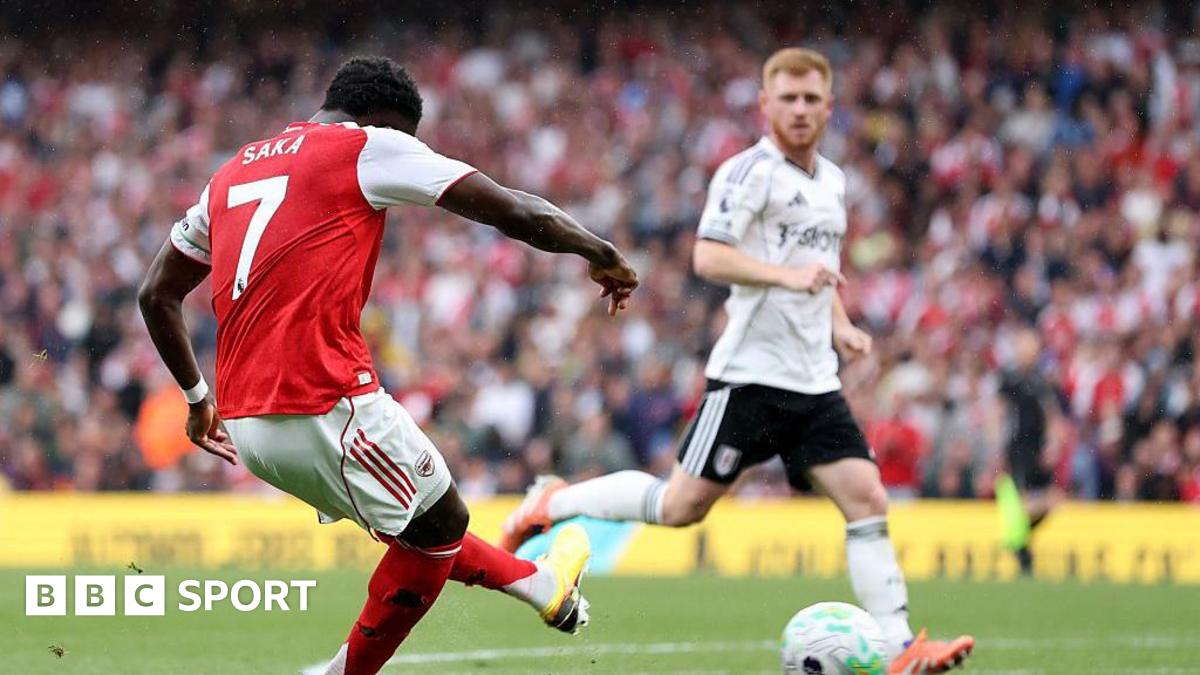
Gyokeres Double Propels Arsenal to Commanding Lead Over Fulham
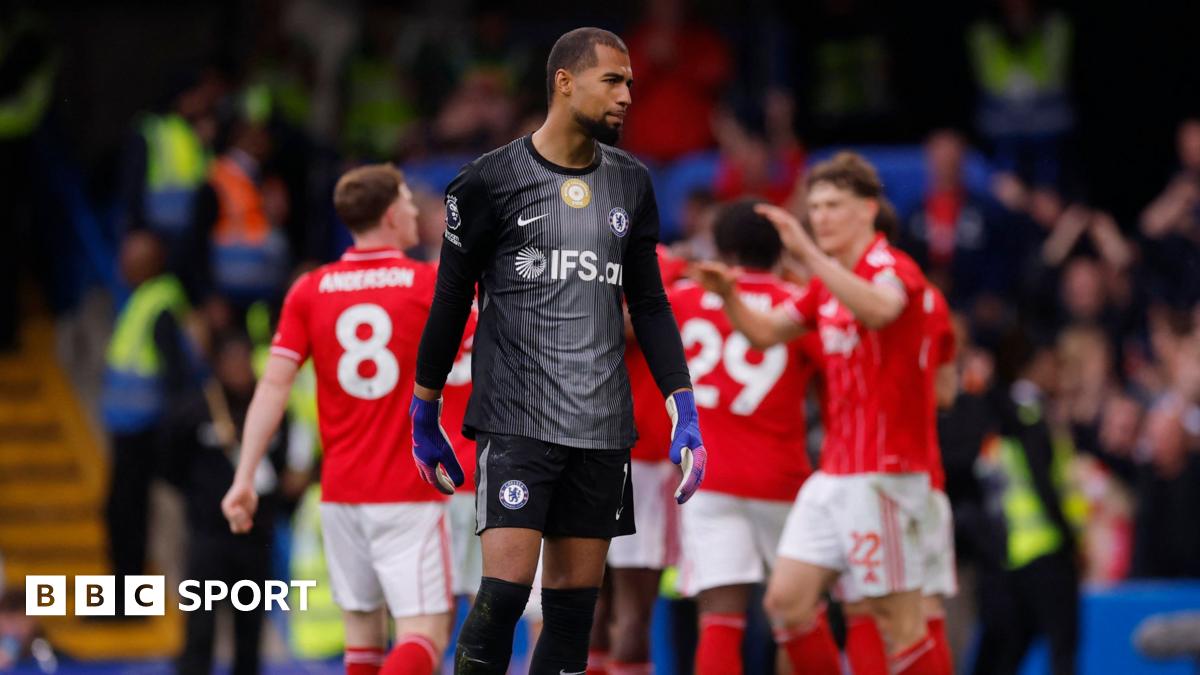
Awoniyi double sinks Chelsea as Forest move six points clear of drop zone
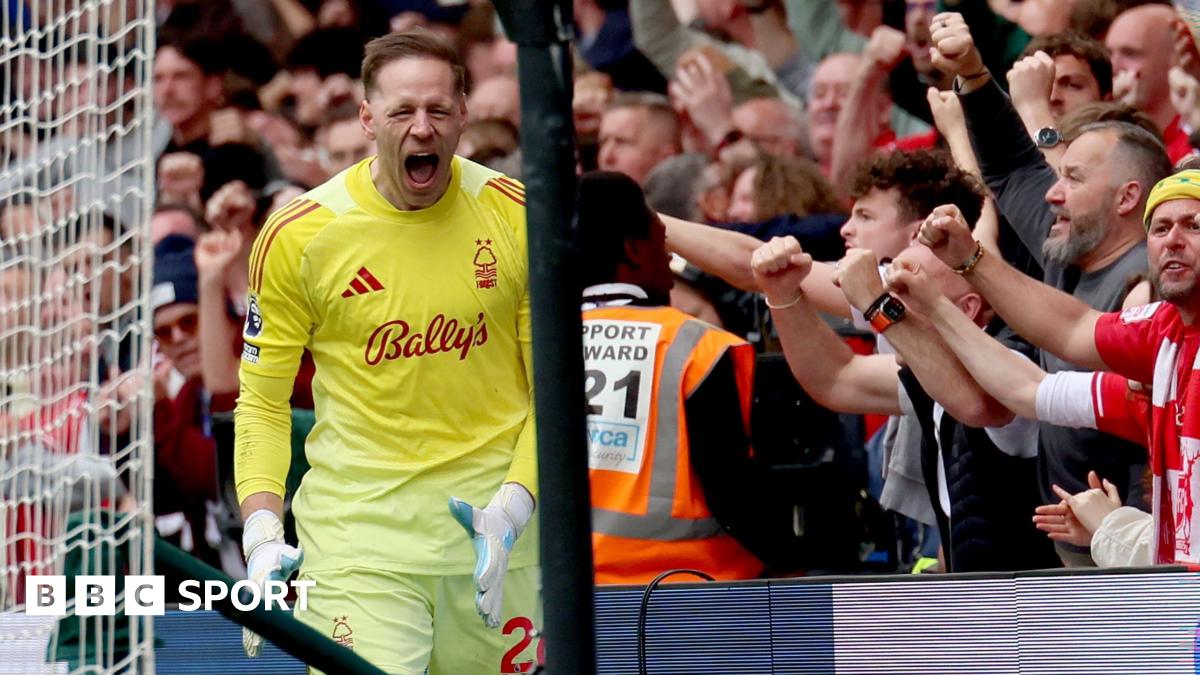
Cole Palmer and Jesse Derry Start as Chelsea Host Forest in Premier League Clash