Manchester United Shares Trade at 30% Discount to Intrinsic Value, DCF Analysis Shows
The club's stock has declined 3.8% in the past week amid ongoing uncertainty over ownership and governance, even as long-term cash flow projections suggest significant upside.

UGANDA —
Key facts
- Stock last closed at US$17.22 per share.
- 7-day return: -3.8%; 30-day return: +5.3%; year-to-date: +9.1%; 1-year: +24.2%.
- 3-year return: -10.0%; 5-year return: +0.5%.
- Latest twelve-month free cash flow: loss of approximately £92.8 million.
- Projected free cash flow by 2028: about £228 million.
- DCF-based intrinsic value estimate: £24.59 per share, implying a 30.0% discount.
- Manchester United scores 2 out of 6 on Simply Wall St's valuation checklist.
A Tale of Two Valuations
Manchester United plc, the listed entity that controls one of global football's most storied brands, closed at US$17.22 per share on its most recent trading day. That price masks a stark divergence between what the market currently assigns to the club and what a discounted cash flow model suggests it is worth. According to a DCF analysis that extends projections to 2035, the intrinsic value of each share stands at £24.59 — roughly 30% above the prevailing market price. The model, which uses a two-stage free cash flow to equity approach, incorporates analyst forecasts that free cash flow will swing from a loss of £92.8 million in the latest twelve months to a positive £228 million by the 2028 financial year. Yet the stock has fallen 3.8% over the past seven days, part of a broader pattern of volatility that has seen the shares rise 5.3% over the past month and 24.2% over the past year, while three- and five-year returns remain negative at -10.0% and +0.5% respectively.
Ownership and Governance Cloud the Picture
Recent headlines around the club's ownership structure, governance practices and on-field direction have kept Manchester United in the financial press, adding a layer of uncertainty that appears to weigh on the stock. The Glazer family, which holds a controlling stake, has faced persistent fan protests and speculation about a potential sale, though no definitive transaction has materialised. For investors, the mix of off-pitch developments and the club's long-term brand strength is central to how they assess the stock's fair value. The DCF analysis, which discounts projected future cash flows back to the present, assumes that the business will eventually generate substantial free cash flow — a bet on both operational turnaround and stable governance. On a six-point valuation checklist, Manchester United currently scores just two out of six, signalling multiple red flags that the model flags for further scrutiny.
The Mechanics Behind the 30% Discount
The DCF model works by taking projected future cash flows and discounting them to today's money, aiming to estimate what the business might be worth right now based on those cash flows. For Manchester United, the latest twelve-month free cash flow stands at a loss of about £92.8 million, a figure that reflects the club's heavy spending on player transfers, wages and stadium costs. Analyst projections, however, see free cash flow reaching roughly £228 million by the 2028 financial year. Simply Wall St extends these estimates out to 2035, adjusting each year's projected cash flow and discounting it back using the model's assumptions. The resulting intrinsic value of £24.59 per share implies a discount of approximately 30.0% relative to the recent US$17.22 closing price. This suggests that, if the cash flow projections prove accurate, the shares are currently priced below this particular cash-flow-based estimate, offering potential upside for investors willing to look past near-term uncertainties.
Alternative Lens: Price-to-Sales Ratio
For companies where earnings can be uneven — as is the case with a football club whose profit swings with player sales and one-off items — the price-to-sales (P/S) ratio offers a useful cross-check. It compares the share price to the revenue the business generates, rather than to profit that can be distorted by non-recurring items. In general, investors tend to pay a higher or lower P/S depending on what they expect for future growth and how much risk they perceive in the business. Stronger growth and lower perceived risk can support a higher multiple, while slower growth or higher risk usually call for a lower one. Manchester United's P/S ratio, while not explicitly stated in the available data, is implicitly being weighed against the DCF output. The divergence between the two approaches underscores the challenge of valuing a business whose brand is global but whose financial performance has been erratic.
What the Numbers Mean for Investors
The 30% discount implied by the DCF model does not guarantee that the stock will rise to that level; it merely indicates that, under a specific set of cash flow assumptions, the shares are undervalued. The model's reliability hinges on the accuracy of those projections, which depend on factors such as player performance, commercial revenue growth, stadium redevelopment and the club's ability to contain costs. Manchester United's recent returns paint a mixed picture: a 24.2% gain over the past year contrasts with a 10.0% decline over three years and a near-flat 0.5% return over five years. This volatility reflects the club's ongoing transition both on and off the pitch. For now, the stock trades at a price that the DCF analysis suggests is below intrinsic value, but the low score on the valuation checklist — two out of six — serves as a warning that other factors may be at play. Investors must decide whether the discount represents an opportunity or a value trap.
Outlook: Between Brand Power and Balance Sheet Reality
Manchester United remains one of the most recognisable sports brands in the world, a fact that underpins its long-term revenue potential. Yet the club's ability to convert that brand power into consistent free cash flow remains unproven, as the latest loss of £92.8 million demonstrates. The DCF model's projection of £228 million in free cash flow by 2028 implies a dramatic turnaround, one that would require both on-field success — driving matchday and commercial income — and disciplined financial management. The Glazer family's ownership has been a source of contention, and any resolution to the governance uncertainty could act as a catalyst for the stock. As the club navigates the current season and potential ownership changes, the gap between market price and intrinsic value will continue to be a focal point for investors. Whether that gap narrows through a rising share price or a reassessment of the cash flow assumptions remains an open question.
The bottom line
- Manchester United shares closed at US$17.22, with a DCF-based intrinsic value of £24.59 per share, implying a 30% discount.
- The club's latest twelve-month free cash flow was a loss of £92.8 million, but analysts project it to reach £228 million by 2028.
- Stock returns are mixed: +24.2% over one year, but -10.0% over three years and +0.5% over five years.
- Ownership and governance uncertainties continue to weigh on the stock, contributing to recent volatility.
- The P/S ratio offers an alternative valuation lens, especially given uneven earnings from player sales and one-off items.
- Manchester United scores only 2 out of 6 on a valuation checklist, signalling multiple potential red flags.


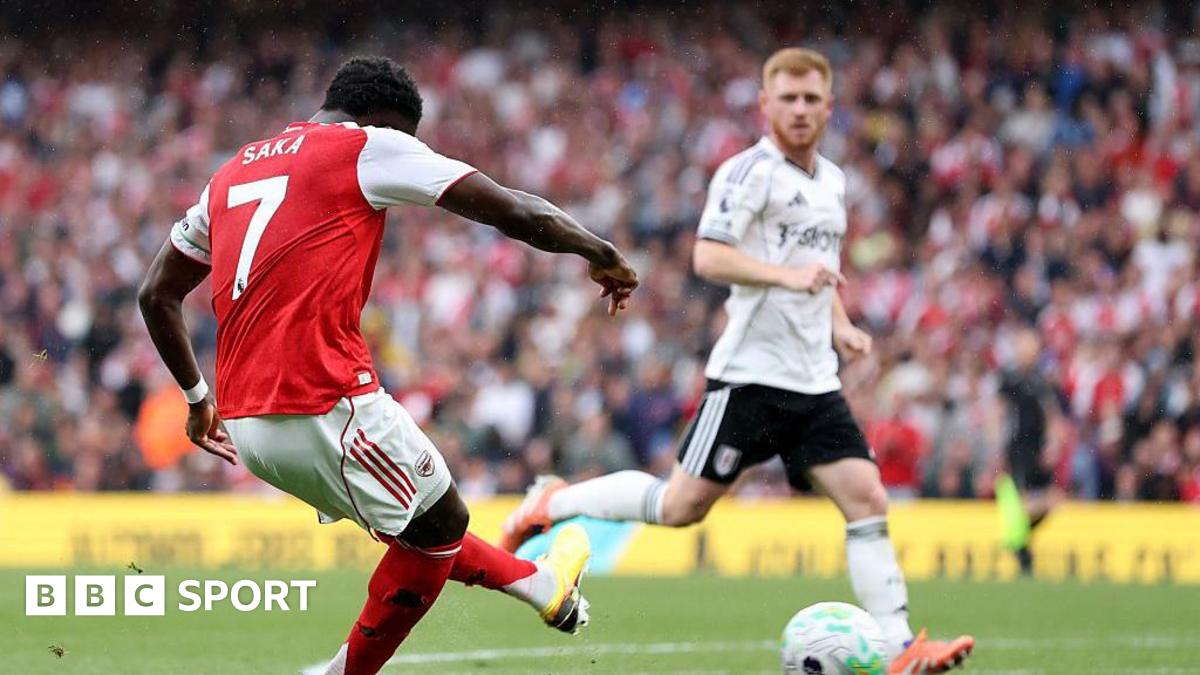
Gyokeres Double Propels Arsenal to Commanding Lead Over Fulham
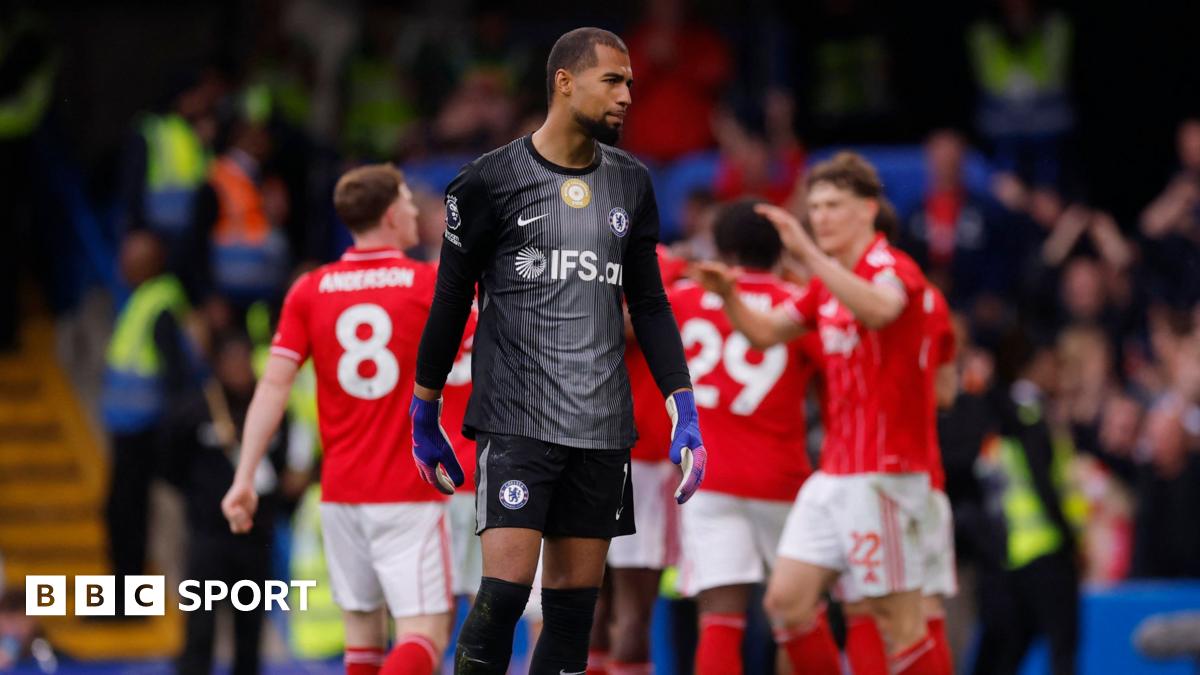
Awoniyi double sinks Chelsea as Forest move six points clear of drop zone
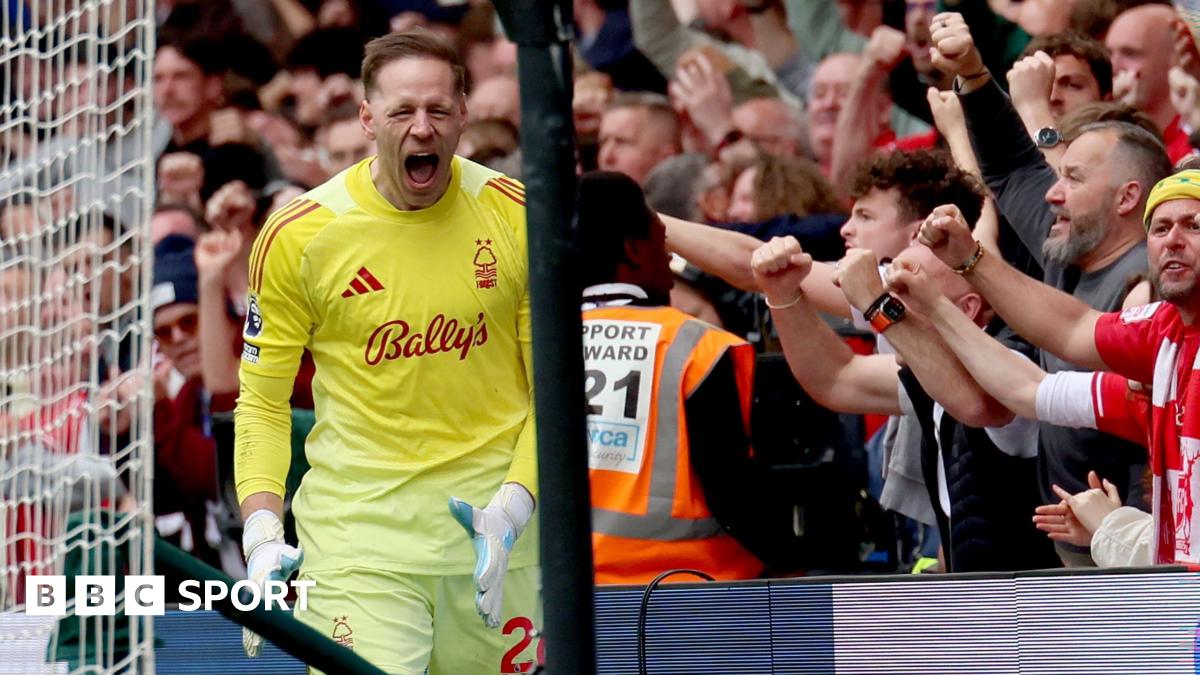
Cole Palmer and Jesse Derry Start as Chelsea Host Forest in Premier League Clash