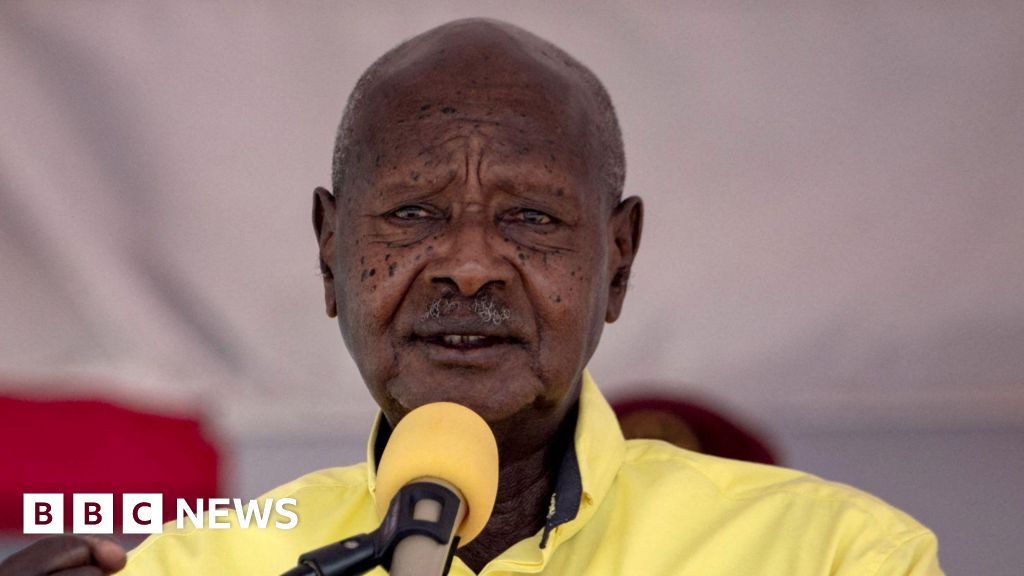
Museveni Begins Seventh Term Amidst Succession Questions
Uganda's long-serving president is sworn in for another five years, but his son's growing influence signals a potential shift in power.
UGANDA —
Key facts
- Yoweri Museveni, 81, has been sworn in for his seventh consecutive term as President of Uganda.
- Museveni first seized power in 1986 after a five-year armed uprising.
- More than three-quarters of Uganda's population, under the age of 40, have only ever known Museveni as president.
- Museveni's son, Gen. Muhoozi Kainerugaba, is increasingly seen as the de facto ruler.
- The recent election was marred by accusations of 'massive ballot stuffing' and violence.
- Parliamentary Speaker Anita Among has pledged support for Kainerugaba's presidential ambitions.
- Museveni's rule has been marked by a period of peace and development, alongside criticisms of political oppression.
A Leader Defined by Longevity
Ugandan President Yoweri Museveni, now 81, has officially begun his seventh consecutive five-year term, a milestone that extends his grip on power into its fourth decade. For the vast majority of Ugandans, particularly those under 40 who constitute more than 75% of the population, Museveni's presidency is the only political reality they have ever known. He first came to power in 1986, following a protracted armed struggle that ousted the previous regime. His ascent marked the end of a turbulent period in Uganda's history, characterized by the brutal rule of Idi Amin and the subsequent, contested leadership of Milton Obote. Museveni, born in 1944 into a cattle-keeping family in western Uganda, forged his political identity during the nation's fight for independence and the subsequent instability. His early life was shaped by what he has described as "real life-threatening challenges such as extra-judicial killings and looting," which left little time for personal details like birth dates. His political journey included studies in economics and political science at the University of Dar es Salaam in Tanzania, where he cultivated regional alliances. Museveni became a prominent figure in the 1970s, co-founding the Front for National Salvation, a group instrumental in ousting Idi Amin, whose eight-year regime is estimated to have resulted in the deaths of 400,000 people.
Consolidation of Power and Criticisms
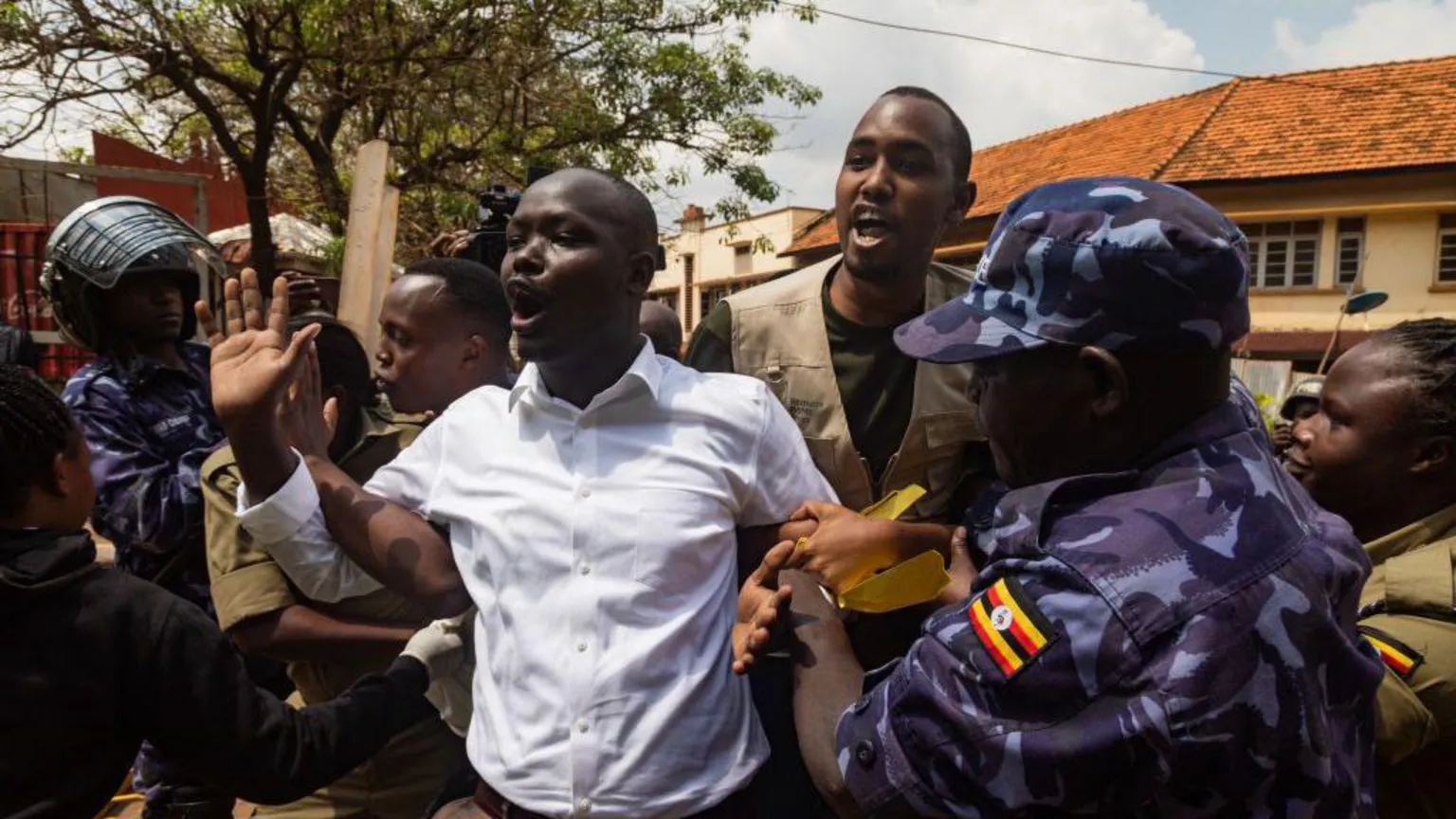
Since seizing power in 1986 with his National Resistance Movement (NRM), Museveni has presided over a period that many Ugandans credit with bringing stability and significant development to the nation. This narrative of national revitalization and economic growth forms the cornerstone of his enduring leadership. However, this long tenure has not been without considerable criticism. Opponents accuse Museveni of maintaining his dominance through the systematic sidelining of political rivals and the erosion of independent state institutions. His past remarks, such as telling the BBC that he "don't believe in [presidential] term limits," and the subsequent removal of the age limit for presidential candidates, have fueled speculation that he intends to rule for life. The recent election, which secured his seventh term, was itself marred by controversy. The main opposition contender, Bobi Wine, alleged "massive ballot stuffing" and reported the abduction of his party's polling agents. Reports also emerged of violence, with one Member of Parliament accusing security forces of killing 10 supporters at his home during a crackdown, all while an internet blackout was imposed across the country.
The Ascendancy of the Heir Apparent
While Museveni's grip on the presidency appears firm, the question of succession looms large, with his son, Gen. Muhoozi Kainerugaba, increasingly positioned as the de facto ruler. Kainerugaba, 52, who joined the army in the late 1990s, has seen a meteoric rise through the military ranks, a progression critics have labelled the "Muhoozi Project," designed to prepare him for the presidency. Kainerugaba's growing prominence was evident in the elaborate rehearsals for his father's inauguration, which featured Russian-made Sukhoi fighter jets. He has openly declared his ambition to succeed his father, stating that his "mission is unstoppable." This ambition is being actively supported by key figures within the ruling party. Anita Among, the Speaker of Parliament, has publicly assured Kainerugaba of legislative support, telling lawmakers, "For the sake of MK, just assure MK that we will do whatever it takes." She further indicated a weakening opposition within the parliamentary structure, suggesting that in the upcoming legislative session, "the opposition got swallowed. In the 12th parliament, it is going to be walloped."
A Narrow Path to Power
The path for Kainerugaba to assume formal leadership is seen as potentially following one of two routes. The first, a bloodless but unconstitutional takeover, is a possibility given his current influence and the loyalty he commands within the military. The second involves a constitutional amendment, which the ruling party, with its substantial majority in parliament, could facilitate to appoint him as Museveni's successor. An outright electoral victory for Kainerugaba is considered a more challenging prospect. His potential challengers, such as opposition leader Bobi Wine, who has contested previous election results, represent a significant hurdle. Despite these electoral challenges, many politicians and figures close to power are demonstrating allegiance to Kainerugaba, a move widely interpreted as a bid for political survival. This shift in allegiance underscores Kainerugaba's consolidation of power as his father ages and appears to rely more heavily on his son for the exercise of authority. Andrew Mwenda, a close associate of Kainerugaba, noted recently that "the president is old and exhausted, both intellectually and physically," suggesting a "limited ability to monitor many things across a large spectrum of sectors."
The Future of Ugandan Leadership
The inauguration ceremony in Kampala, attended by thousands, saw Museveni urging citizens to work hard and build wealth, highlighting individual entrepreneurial success stories. Yet, beneath the surface of the official proceedings, a palpable sense of transition is emerging. Many Ugandans now widely accept that Museveni's long presidency is approaching its conclusion. The primary uncertainty lies in the nature and orderliness of this eventual transfer of power. While Museveni and Kainerugaba have publicly denied any pre-arranged plan for hereditary succession, the actions of key political figures and Kainerugaba's increasing visibility suggest that a dynastic transition may be the preferred outcome for the aging president. This unfolding scenario places Uganda at a critical juncture. The legacy of Museveni's four-decade rule, marked by both stability and authoritarian tendencies, will be tested by the manner in which power eventually passes from his hands. The coming years will reveal whether this transition will be a smooth, constitutionally-guided process or one shaped by the political maneuvering and military influence that have become increasingly apparent.
The bottom line
- Yoweri Museveni has secured his seventh term as President of Uganda, extending his rule since 1986.
- Uganda's population under 40 has known no other president, highlighting the unique longevity of Museveni's leadership.
- The recent election was overshadowed by accusations of fraud and violence, with opposition figures reporting irregularities.
- President Museveni's son, Gen. Muhoozi Kainerugaba, is consolidating influence and is widely seen as the likely successor.
- Key political figures, including the Speaker of Parliament, have pledged support for Kainerugaba's presidential ambitions.
- The future of Ugandan leadership hinges on the nature of the power transition, with potential scenarios ranging from constitutional amendments to unconstitutional takeovers.


Al Nassr Eyes Saudi Title as Ronaldo Faces Struggling Al Shabab

Fenerbahce Denies Salah Transfer Talks Amidst Club Elections

Sporting Eyes Champions League Spot as Rio Ave Awaits