Apple to Pay $250 Million to Settle Lawsuit Over Misleading AI Siri Claims
The settlement, which covers 36 million iPhones sold in the US, resolves allegations that Apple falsely advertised AI features that were not yet available.
UNITED STATES —
Key facts
- Apple agreed to pay $250 million to settle a class-action lawsuit.
- The settlement covers iPhone 15 Pro, 15 Pro Max, and iPhone 16 models purchased in the US between June 10, 2024, and March 29, 2025.
- Eligible claimants may receive between $25 and $95 per device.
- Apple admitted no wrongdoing as part of the settlement.
- The lawsuit alleged Apple promoted AI capabilities that did not exist and will not exist for two or more years.
- The Better Business Bureau’s National Advertising Division concluded Apple falsely suggested AI-powered Siri was 'available now'.
- A Morgan Stanley survey cited in the complaint showed 'enhanced Siri' was the most anticipated feature among potential iPhone buyers.
- A court hearing for final approval is set for June 17 before Judge Noël Wise.
Settlement Filed in California Federal Court
Apple has agreed to pay $250 million to settle a class-action lawsuit that accused the company of misleading iPhone buyers about the capabilities of its artificial intelligence features, including an enhanced version of Siri. The settlement was filed Tuesday in the federal district court for the northern district of California and requires approval by Judge Noël Wise at a hearing scheduled for June 17. The agreement resolves claims in a consolidated class action filed last year, which alleged that Apple engaged in false advertising by promoting Apple Intelligence features that were not yet available. Apple did not admit any wrongdoing as part of the settlement.
Allegations of False Advertising Around Apple Intelligence
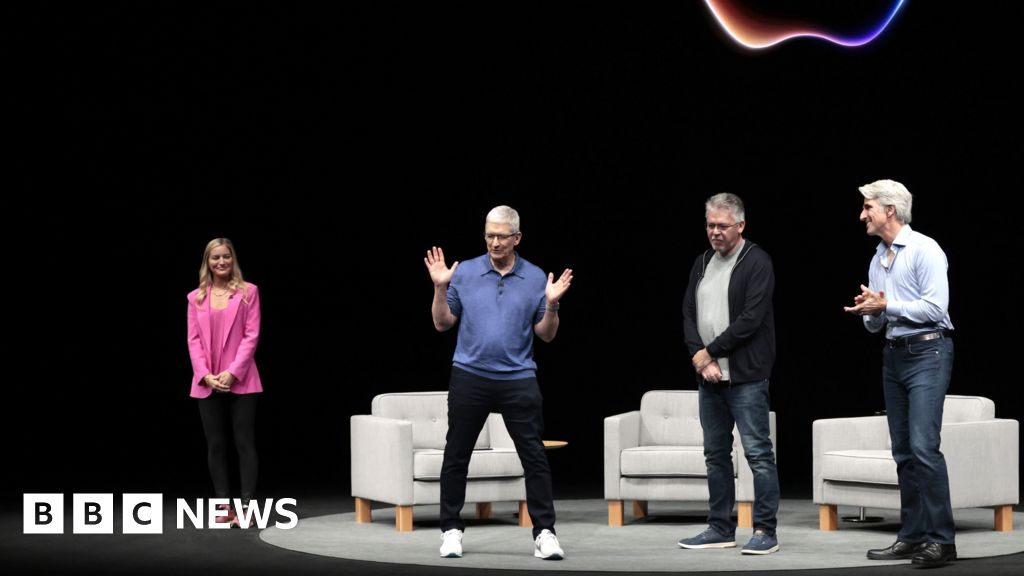
The lawsuit centered on Apple’s marketing of Apple Intelligence, a suite of AI features that included an upgraded Siri voice assistant. Plaintiffs accused the company of promoting AI capabilities that 'did not exist at the time, do not exist now, and will not exist for two or more years, if ever,' according to the complaint. Lawyers for the class argued that Apple launched a major advertising campaign in 2024 to boost iPhone sales by touting these features, only to later confirm their indefinite delay and pull the ads. The Better Business Bureau’s National Advertising Division, the US advertising watchdog, also concluded that Apple falsely suggested the new AI-powered Siri was 'available now.' The company’s outgoing chief executive, Tim Cook, has faced criticism over a perceived lack of innovation in Apple’s product lineup.
Coverage and Compensation for iPhone Buyers
The settlement covers roughly 36 million eligible devices: the iPhone 16, as well as the iPhone 15 Pro and 15 Pro Max, purchased in the United States between June 10, 2024, and March 29, 2025. Each class member could receive $25 per device, with the amount potentially rising to $95 depending on the number of approved claimants. Apple spokeswoman said the lawsuit focused on 'the availability of two additional features' within the broader Apple Intelligence rollout. 'We resolved this matter to stay focused on doing what we do best, delivering the most innovative products and services to our users,' she stated.
Consumer Attorney Hails Historic Settlement
Ryan Clarkson, founder and managing partner of Clarkson Law Firm, which brought the suit on behalf of consumers, said: 'We are proud to secure a historic settlement on behalf of consumers who should feel confident and protected when deciding where to spend their hard-earned dollars. We are at an inflection point with AI, and the choices companies and regulators make now will shape how this technology impacts everyday people.' The complaint cited a Morgan Stanley survey indicating that 'enhanced Siri' was the feature most anticipated by potential iPhone buyers. Lawyers for the plaintiffs argued that Apple undertook its AI marketing campaign specifically to catch up in the Big Tech race driven by companies like OpenAI and Anthropic.
Background and Industry Context
Apple announced Apple Intelligence nearly two years ago, promising a more personalized version of Siri that would transform it from a 'limited voice interface into a full-fledged personal AI assistant.' However, the enhanced Siri has still not been fully released. The lawsuit alleged that the iPhone 16 was delivered to consumers without Apple Intelligence, and the promised Siri upgrade never materialized. The settlement comes amid broader scrutiny of tech companies’ AI claims. Apple’s case highlights the gap between marketing promises and actual product capabilities, a issue that regulators and consumer advocates are increasingly watching.
Next Steps and Open Questions
The settlement must still be approved by Judge Noël Wise at a hearing on June 17. If approved, Apple will begin distributing payments to eligible class members. The company has not disclosed how many claimants are expected to file, but the total payout could reach $250 million. Questions remain about when, or if, Apple will deliver the promised AI features. The company has not provided a new timeline for the enhanced Siri or other Apple Intelligence capabilities. The settlement does not require Apple to release the features, leaving consumers to wait for a product that may still be years away.
The bottom line
- Apple will pay $250 million to settle claims it misled iPhone buyers about AI features, but admits no wrongdoing.
- The settlement covers 36 million iPhones sold in the US over a 10-month period ending March 2025.
- Eligible consumers may receive $25 to $95 per device, depending on claim volume.
- The lawsuit alleged Apple promoted AI capabilities that did not exist and may not exist for years.
- The enhanced Siri feature, central to the case, remains unreleased despite being announced nearly two years ago.
- A court hearing for final approval is set for June 17.


Micron Stock Surges 50% as Structural Memory Deficit Expected Through 2027

Dow Drops 557 Points as Oil Surges on Iran-UAE Clash; Strait Tensions Mount

AMD CEO Lisa Su Says Customers Are 'Anxious' for MI450 GPU as AI Spending Surges