Dominion Energy Removes Hazardous Palmetto Trees in Charleston
City commits to planting five new trees for each palmetto removed, aiming to balance infrastructure safety with urban canopy growth.
UNITED STATES —
Key facts
- Dominion Energy and the City of Charleston are removing approximately 200 palmetto trees.
- The removals are occurring near power lines to prevent hazards and power outages.
- For each palmetto tree removed, the city will plant five new trees.
- Palmetto trees are targeted because they cannot be pruned and pose a risk above 15 feet.
- Dominion Energy crews began removals on May 4 in Charleston's Eastside neighborhood.
- The initiative is part of a partnership called 'Right Tree, Right Place'.
- Trees are the number one cause of power outages for Dominion Energy.
- This routine maintenance is conducted by Dominion Energy every five years.
Proactive Tree Management Ahead of Hurricane Season
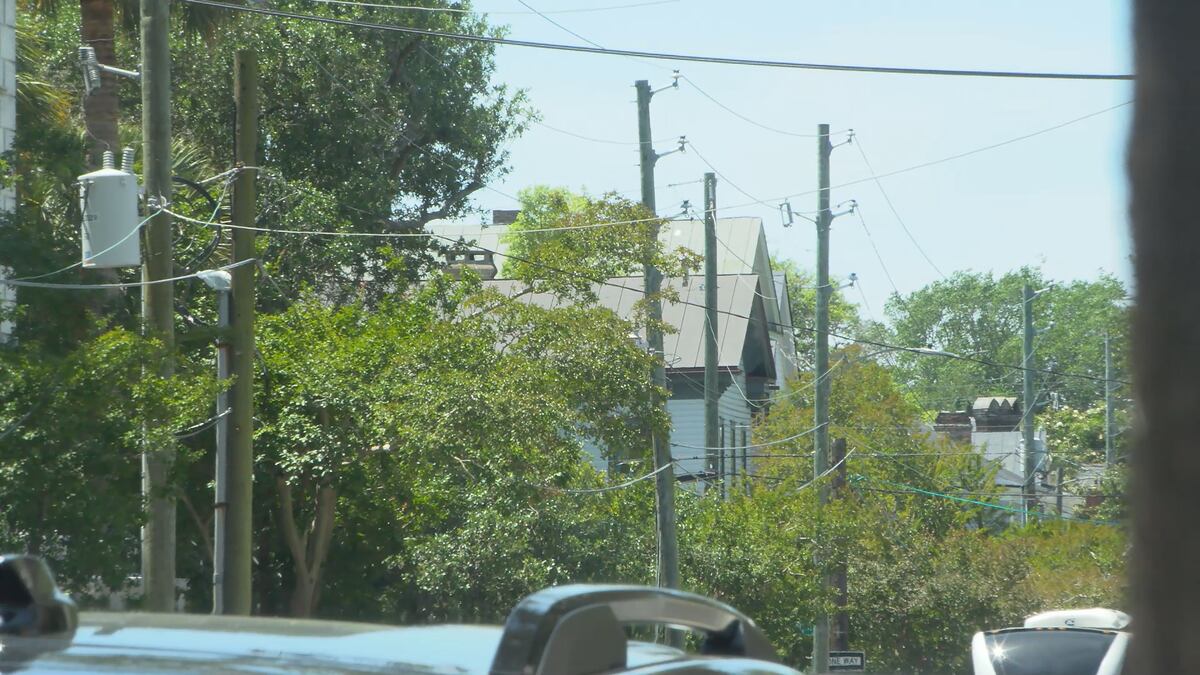
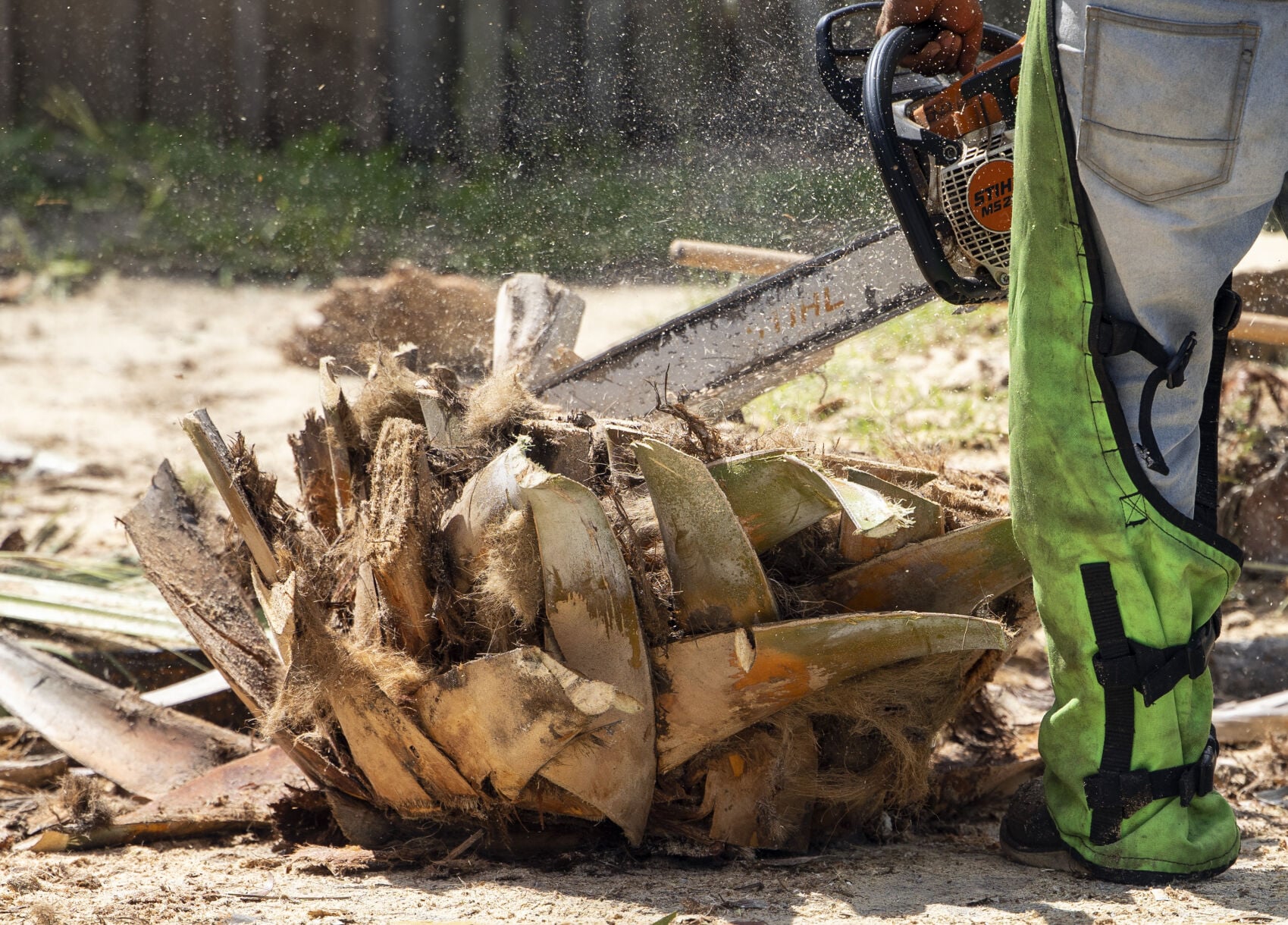
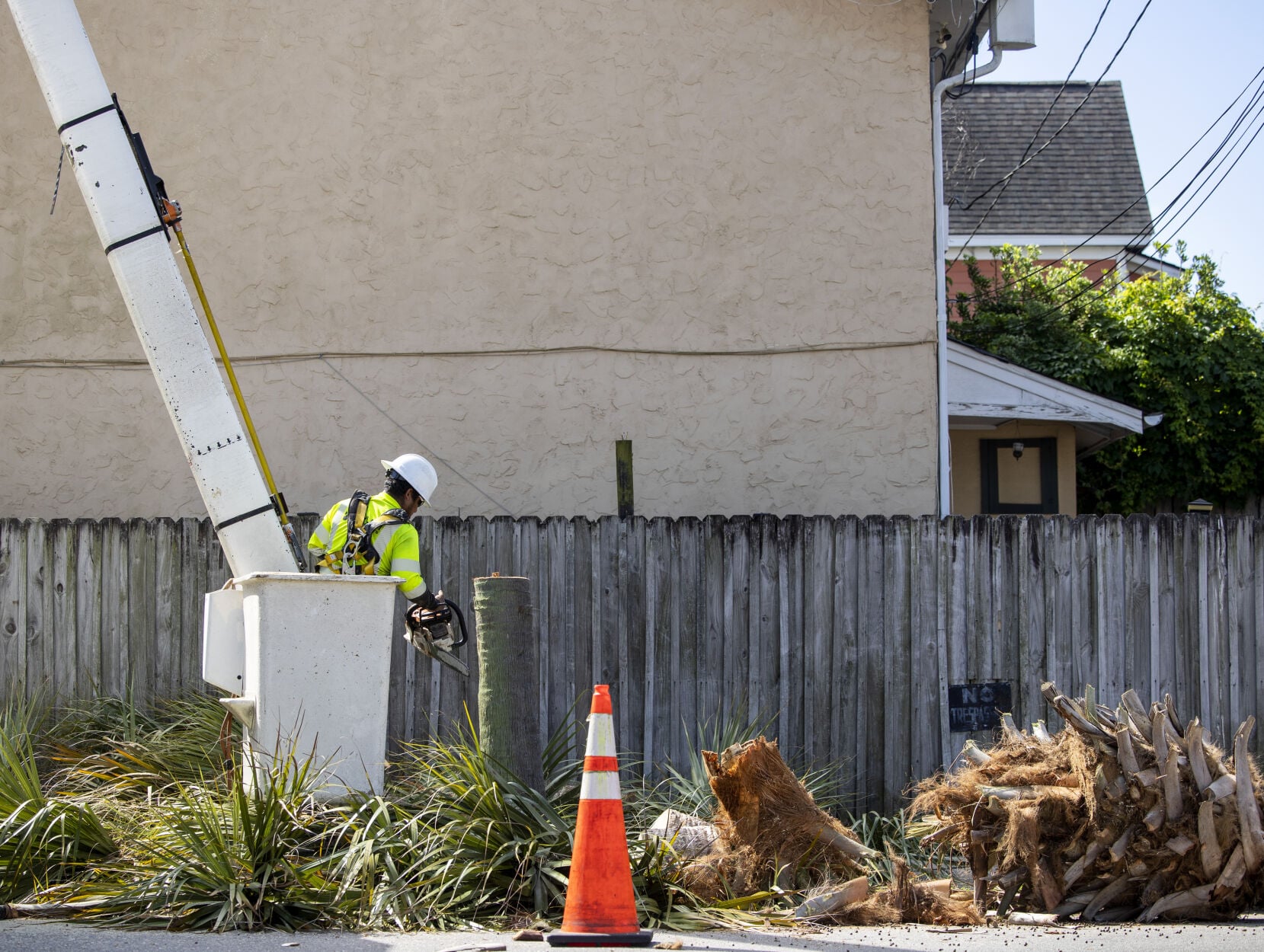
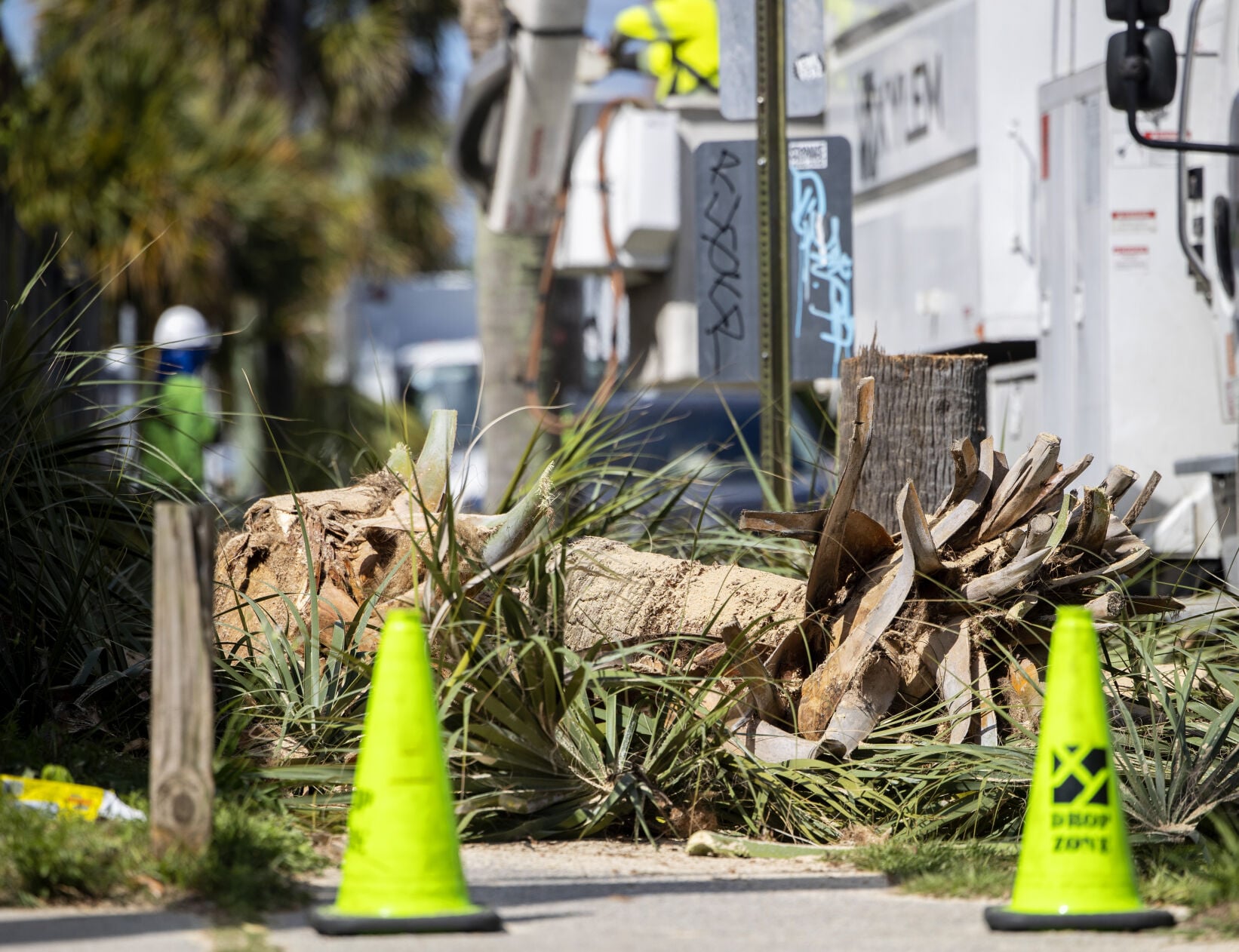
The City of Charleston and Dominion Energy have embarked on a significant tree removal initiative, targeting nearly 200 palmetto trees identified as potential hazards near electrical infrastructure. This effort, concentrated in neighborhoods like the Eastside, is a proactive measure designed to mitigate the risk of power outages and ensure public safety, particularly as South Carolina enters its Hurricane Preparedness Month in May. The partnership, dubbed 'Right Tree, Right Place,' underscores a commitment to balancing essential utility maintenance with environmental stewardship. Dominion Energy crews commenced the removals on May 4, focusing on areas where palmetto trees have grown to a height of 15 feet or more. These specific trees pose a unique challenge because they cannot be pruned or managed like other species. Once they reach a certain height, their fronds can come into contact with overhead power lines, leading to service disruptions and potentially dangerous conditions. This initiative is particularly timely, occurring just weeks before the official start of hurricane season. Utility companies across the region are intensifying efforts to safeguard their networks against the severe weather events that often characterize this period. By addressing potential tree-related threats in advance, Dominion Energy and the City of Charleston aim to reduce the likelihood of widespread power failures and minimize inconvenience for residents.
The 'Right Tree, Right Place' Partnership
The 'Right Tree, Right Place' initiative represents a collaborative approach between Dominion Energy and the City of Charleston to manage urban vegetation effectively. Under this program, the city has pledged to plant five new trees for every palmetto tree removed by the utility. This strategy aims not only to reduce immediate risks to the power grid but also to enhance the city's overall tree canopy over the long term. Mika Gadsden, the City of Charleston’s director of sustainability, emphasized the careful consideration behind these decisions. "Our urban forestry team works hand-in-hand to figure out, ‘is pruning appropriate or is there a removal measure that might need to be taken?’" she stated. Gadsden highlighted that these decisions are not made lightly and are intended to prevent future distress and inconvenience for residents. Dominion Energy spokesman Paul Fischer noted that trees are the primary cause of power outages across the company's system. This partnership allows the city and the utility to work in concert, ensuring that new plantings are suitable for their locations and will not pose a future threat to power lines. The city's Urban Forestry Team plays a crucial role in guiding these decisions, working closely with residents and neighborhood associations.
Addressing the Unique Challenge of Palmetto Trees
Palmetto trees present a distinct challenge for utility line clearance due to their growth habit. Unlike many other tree species, palmettos cannot be pruned or shaped to maintain clearance from overhead electrical wires. As they mature, their fronds can easily reach and interfere with the lines, creating a significant hazard. City officials explained that trees exceeding 15 feet in height are generally not recommended for planting near distribution rights-of-way or overhead power lines. When palmettos reach this size, they become a direct risk. Furthermore, vegetation making contact with live electrical wires can cause power outages and, in some cases, lead to dangerous situations such as electrical fires or injuries to the public. This inability to prune means that removal is often the only viable option for managing the risk posed by mature palmetto trees. The 'Right Tree, Right Place' initiative seeks to mitigate this by replacing each removed tree with five new ones that are either naturally smaller or can be managed through pruning, thus preventing future conflicts with the power infrastructure.
Costs and Canopy Goals
While the joint effort is framed as a win-win for safety and sustainability, the precise financial implications for the city are still unfolding. Dominion Energy is covering the cost of cutting the palmetto tree trunks flush to the ground. However, the city will bear the expense of grinding the approximately 200 stumps, an estimated cost of $400 per stump, totaling about $80,000. Additional costs may arise for the city if repairs or repaving are necessary in areas where the trees are removed, a scope that will only become clear after the cutting is complete. The city has not yet provided cost estimates for the replacement trees or specified who will ultimately fund this aspect of the program. Despite these costs, the 200 targeted palmetto trees represent a small fraction, less than half a percent, of Charleston's extensive urban forest, which comprises 67,000 trees along streets and public rights-of-way. The city's commitment to planting five new trees for each one removed aligns with its broader goal of increasing overall canopy coverage, which offers benefits such as reduced utility bills, improved stormwater management, and traffic calming.
Wider Context of Utility Vegetation Management
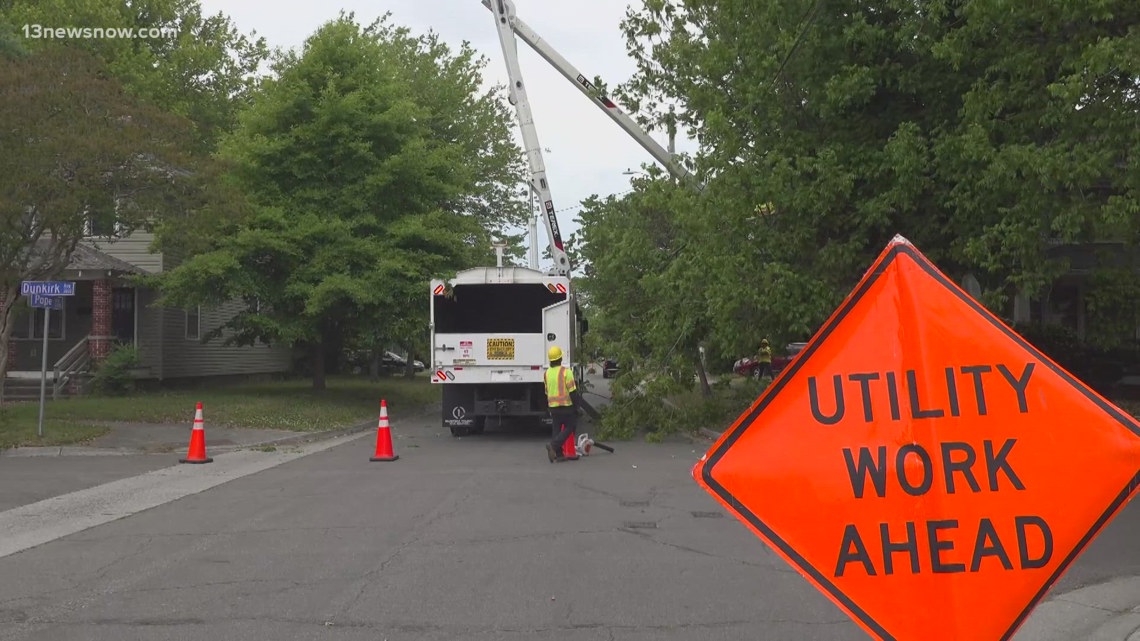
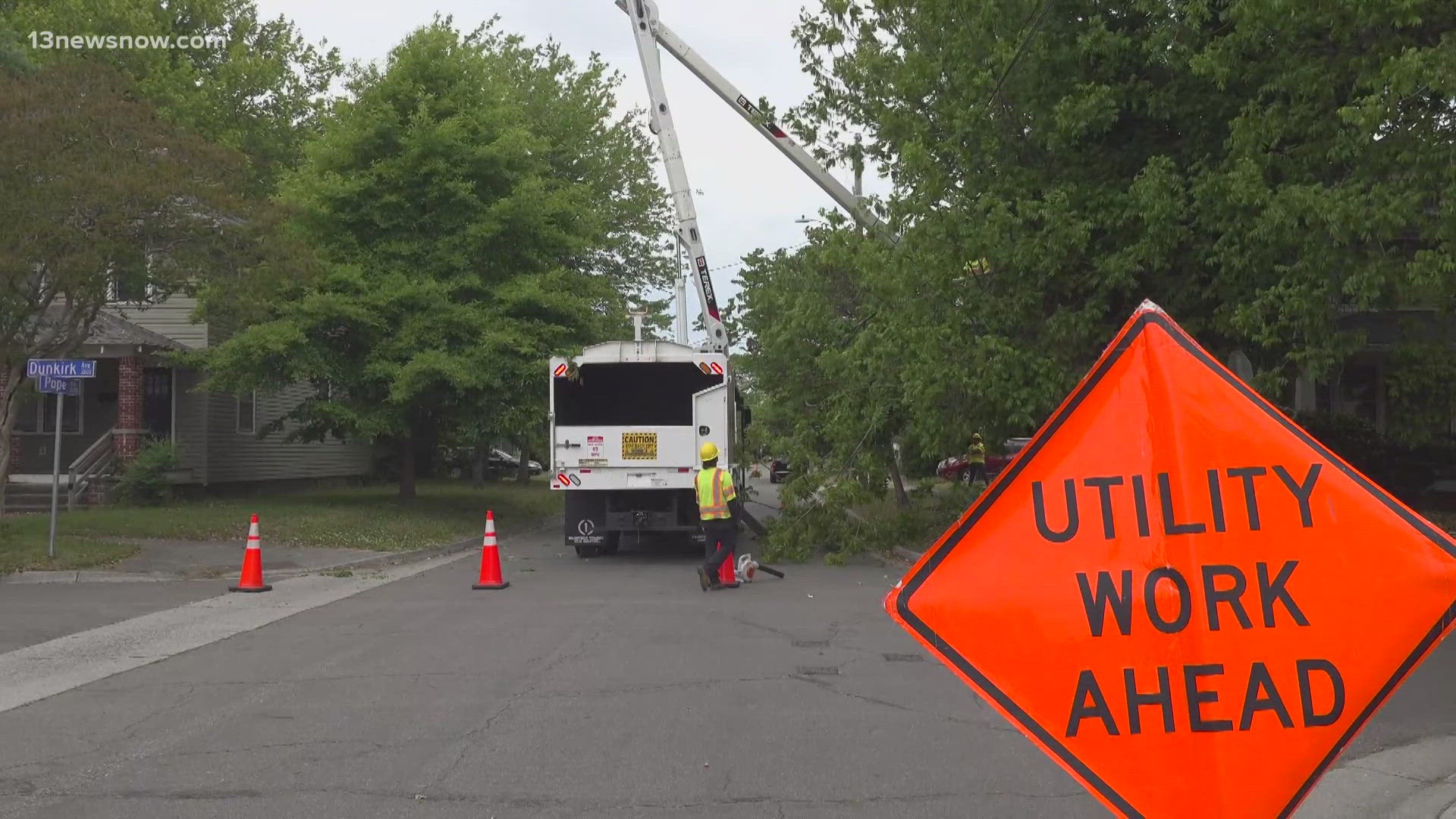
This initiative in Charleston is part of a broader, ongoing effort by Dominion Energy to manage vegetation impacting its electrical grid. In Norfolk, Virginia, for instance, similar work is underway, with crews clearing overgrown trees and bushes to prevent power outages and accidents, particularly in anticipation of hurricane season. Billy Nagy with Dominion Energy stated that vegetation growing into power lines is a primary cause of outages. fallen trees are responsible for more than two-thirds of all power outages. These incidents can also create dangerous conditions, including electrical fires, and pose risks to the public who might approach downed lines. To address this, Dominion Energy crews conduct this type of maintenance on a rotational basis, typically every four years in specific "circuits." In Norfolk, crews spent 10 hours working block by block in the Lafayette neighborhood, covering 20 miles as part of this planned maintenance. The company encourages residents concerned about trees or vegetation near power lines on their property to contact them through online requests or their customer service line. This proactive approach aims to minimize storm-related damage and ensure reliable power delivery.
The bottom line
- Dominion Energy and the City of Charleston are collaborating to remove approximately 200 hazardous palmetto trees near power lines.
- The city will plant five new trees for each palmetto removed, aiming to increase the urban canopy while ensuring future infrastructure safety.
- Palmetto trees are difficult to manage because they cannot be pruned and pose a risk once they exceed 15 feet in height.
- The initiative is part of Dominion Energy's routine five-year maintenance cycle for vegetation management.
- While Dominion covers the cost of cutting trunks, the city will incur costs for stump grinding and potentially for replacement trees and repairs.
- This effort is a proactive measure to prevent power outages and ensure public safety, especially ahead of the hurricane season.

Wind Advisories and Elevated Fire Risk Grip Multiple US Regions as Storms Approach

Eric Kripke Defends 'The Boys' Final Season Character Focus Amid Fan Backlash

Paul George Fuels Sixers' Historic Comeback from 3-1 Deficit
