US to withdraw 5,000 troops from Germany, NATO seeks clarification
German defence minister calls the move 'foreseeable' as European allies worry about the alliance's cohesion.
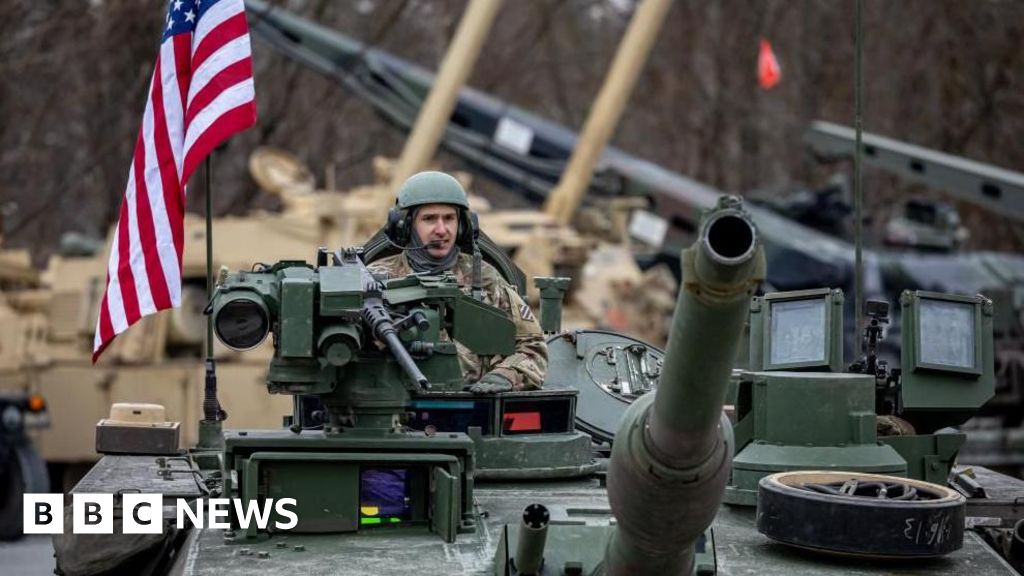
UNITED STATES —
Key facts
- US to withdraw 5,000 troops from Germany, reducing presence from 36,000 to 31,000 active duty personnel.
- German Defence Minister Boris Pistorius said the decision was 'foreseeable' and stressed US presence is in both nations' interests.
- NATO spokeswoman Allison Hart said the alliance is working with the US to understand the details.
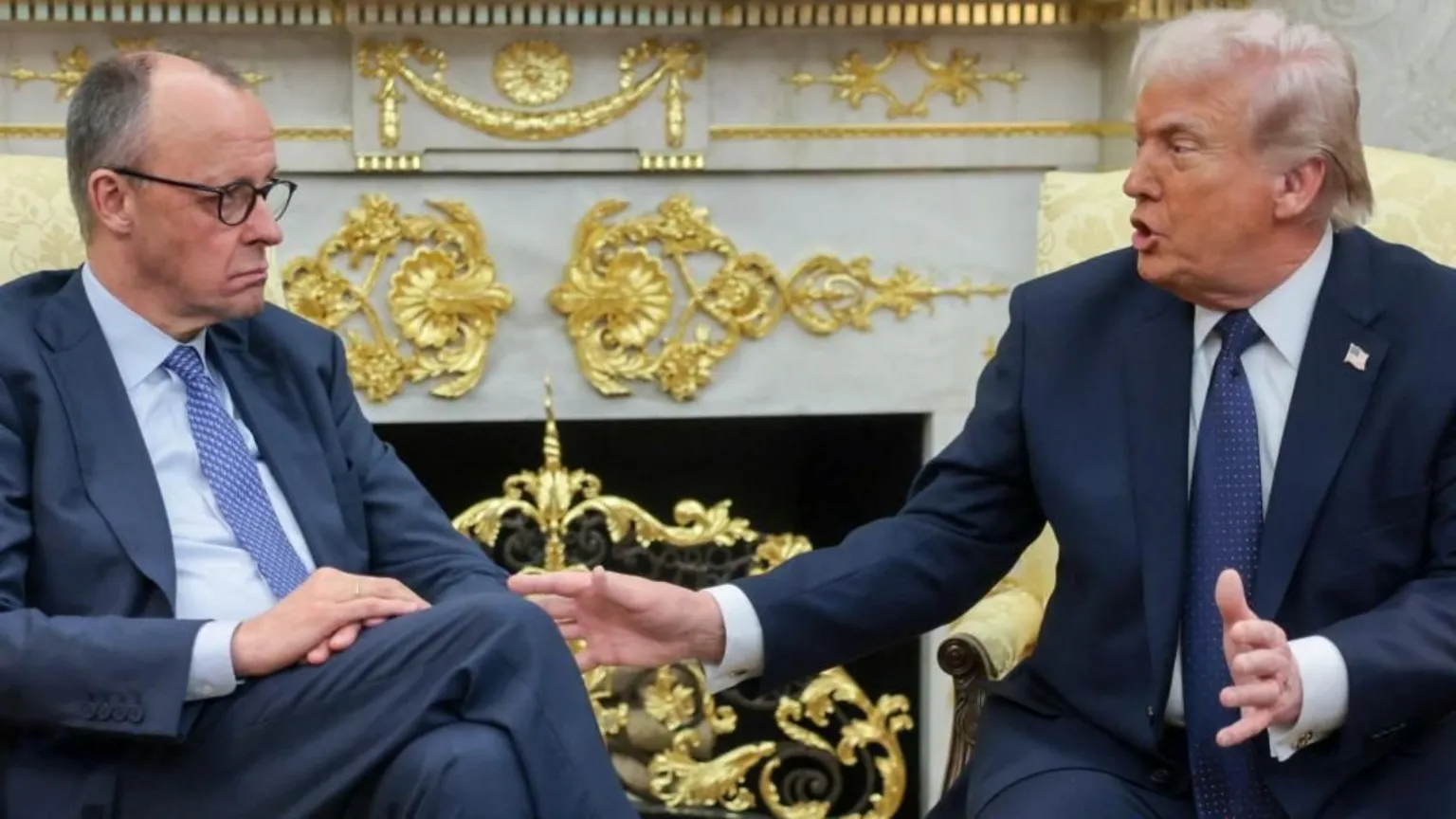
- President Donald Trump criticised German Chancellor Friedrich Merz for saying the US was 'humiliated' by Iranian negotiators.
- US troop presence in Germany is the largest in Europe, compared to 12,000 in Italy and 10,000 in the UK.
- Trump has also suggested pulling troops from Italy and Spain, and last year reduced US presence in Romania.
- Polish Prime Minister Donald Tusk warned the 'greatest threat' to the transatlantic community is the 'disintegration of our alliance'.
- Republican Senators Roger Wicker and Representative Mike Rogers expressed concern, saying maintaining a strong deterrent in Europe is in US interest.
A foreseeable reduction
German Defence Minister Boris Pistorius said the US decision to withdraw 5,000 troops from Germany was 'foreseeable', as NATO seeks clarification from Washington. Speaking to the DPA news agency, Pistorius stressed that 'the presence of American soldiers in Europe, and particularly in Germany, is in our interest and in the interest of the US'. NATO spokeswoman Allison Hart said the alliance was 'working with the US to understand the details of their decision'. The move comes after President Donald Trump criticised German Chancellor Friedrich Merz for saying the US had been 'humiliated' by Iranian negotiators.
The largest US deployment in Europe
The US military deployment in Germany currently stands at more than 36,000 active duty troops, by far its largest in Europe. For comparison, the US has about 12,000 troops in Italy and 10,000 in the UK. Trump has also suggested pulling US troops from Italy and Spain. Last year, Washington decided to reduce its troop presence in Romania, as part of Trump's plan to shift the focus of US military commitment from Europe to the Indo-Pacific region.
Alliance under strain
There are growing concerns within the 32-member NATO alliance that the US decision could weaken the organisation. Polish Prime Minister Donald Tusk warned on Saturday: 'The greatest threat to the transatlantic community are not its external enemies, but the ongoing disintegration of our alliance.' 'We must all do what it takes to reverse this disastrous trend,' he added. Two senior US lawmakers from Trump's Republican party said they were 'very concerned by the decision to withdraw a US brigade from Germany'.
Republican lawmakers voice concern
Senator Roger Wicker and Representative Mike Rogers, who chair the Senate and House armed services committees respectively, said: 'Rather than withdrawing forces from the continent altogether, it is in the US interest to maintain a strong deterrent in Europe.' Their statement underscores internal dissent within the US political establishment over the withdrawal, even as the administration pursues a strategic pivot toward the Indo-Pacific.
Europe must take greater responsibility
In Saturday's interview with DPA, Pistorius also said Europe must take greater responsibility for its security, and that Berlin would now be working more closely with allies on the continent. The remark signals a shift in German defence policy, as the country faces the prospect of a reduced US security umbrella. The withdrawal, while limited in scale, raises questions about the long-term US commitment to European defence and the future of the transatlantic alliance.
The bottom line
- The US will withdraw 5,000 troops from Germany, cutting its largest European deployment by about 14%.
- German and NATO officials are seeking clarity on the decision, which follows Trump's criticism of Chancellor Merz.
- The reduction is part of a broader US shift toward the Indo-Pacific, with similar moves in Romania and suggestions for Italy and Spain.
- Polish and US Republican leaders have warned the move could weaken NATO and the transatlantic alliance.
- Germany is now calling for greater European self-reliance in defence, signalling a potential policy shift.

Pistons Rally from 24-Point Deficit to Force Game 7 Against Magic
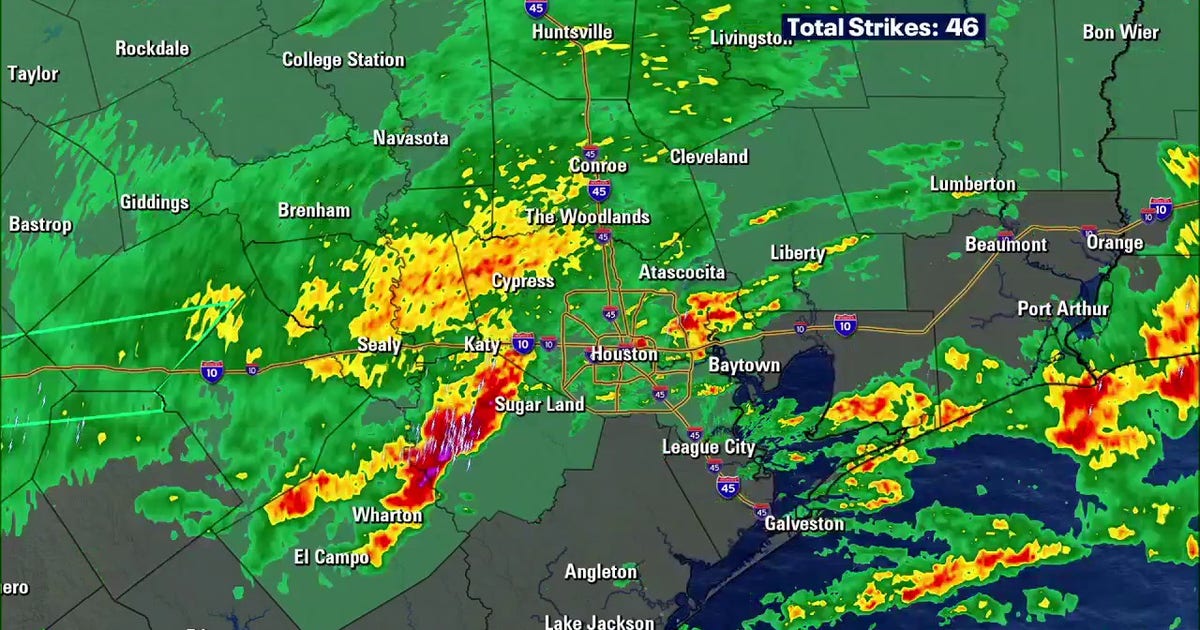
Houston Braces for More Storms After Flood Watch Canceled, Hail Reported
Houston Braces for Friday Flooding as Cooler Weekend Follows
