Maverick Act Could Return F-14 Tomcat to U.S. Skies
Legislation passed by the Senate aims to transfer three retired F-14Ds to a museum, with one potentially restored to flight.
UNITED STATES —
Key facts
- The "Maverick Act" proposes transferring three retired F-14D Tomcats from storage.
- The legislation cleared the Senate by unanimous consent on April 28.
- Companion bills were introduced in the Senate by Tim Sheehy and in the House by Abe Hamadeh.
- The aircraft are currently stored at Davis-Monthan Air Force Base, Arizona.
- One F-14D could be restored to flight status for public display and events.
- The Navy retired the F-14 Tomcat from service in September 2006.
- Iran is the only other country to operate the F-14 Tomcat.
- The three aircraft are identified by Bureau Numbers 164341, 164602, and 159437.
A Fighter Jet's Second Act?
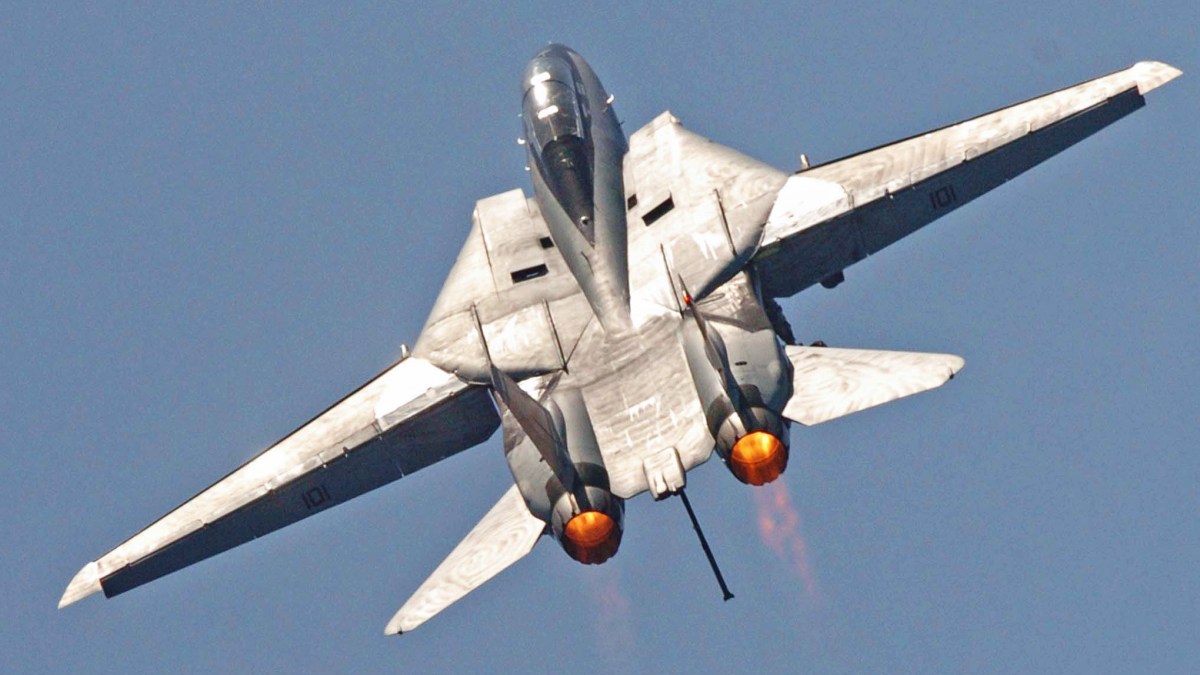
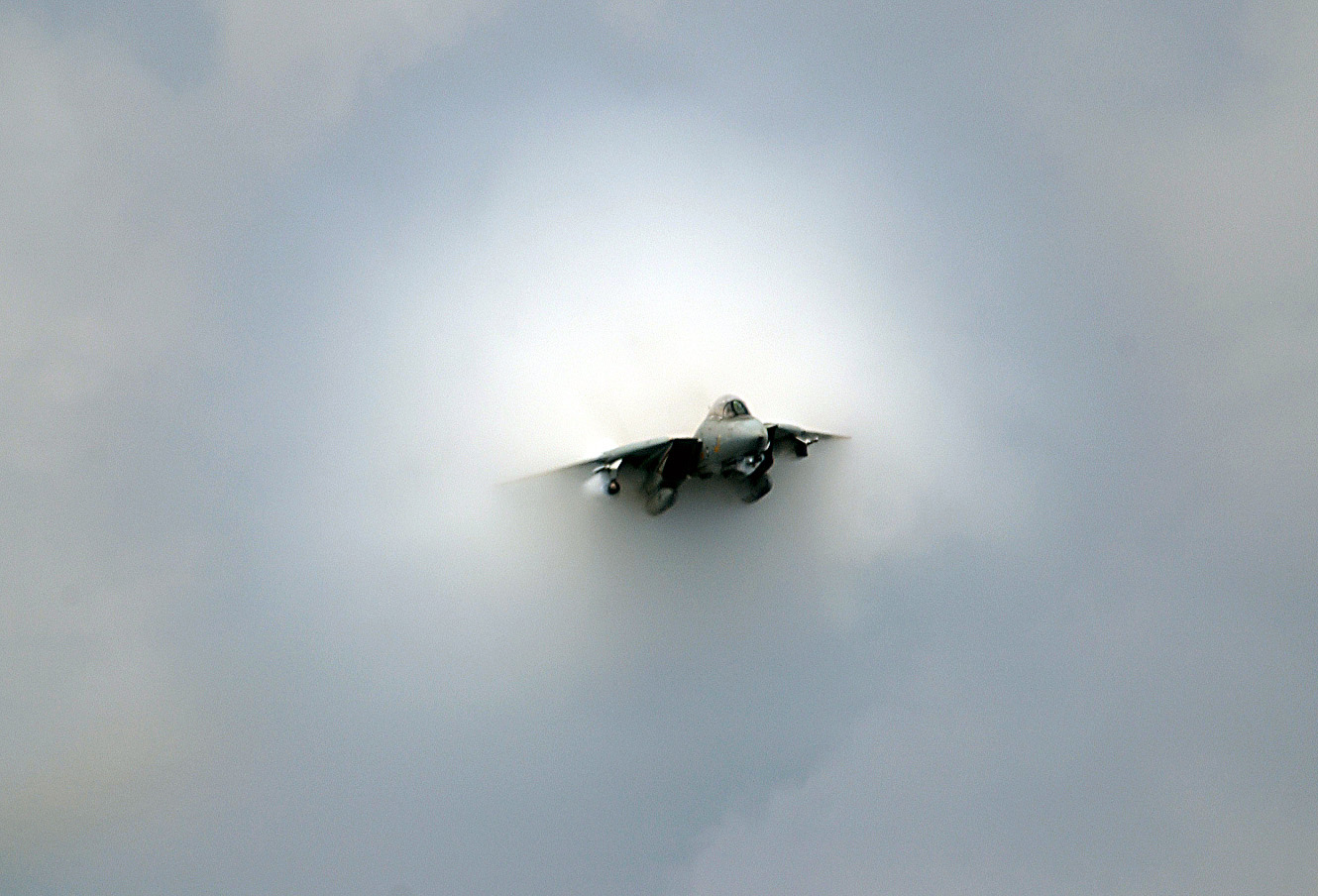
The dream of seeing an F-14 Tomcat soar through American skies once more, a notion long confined to the realm of fantasy, may soon become a tangible reality. Legislation making its way through Congress, known as the "Maverick Act," could enable the Navy to transfer three retired F-14Ds to a museum, with the ambitious goal of returning at least one of these iconic aircraft to operational status. This legislative push represents a significant departure from the typical fate of retired military hardware, often destined for permanent static display or systematic destruction. The F-14 Tomcat, a symbol of naval aviation prowess and immortalized in popular culture, last flew for the U.S. Navy in September 2006 after 32 years of service. The "Maverick Act" is a clear nod to the enduring legacy of the fighter jet, popularized by the blockbuster film franchise "Top Gun" and its fictional ace pilot, Capt. Pete "Maverick" Mitchell. The name resonates with a public that has long held a fondness for the distinctive variable-sweep wing fighter.
Legislative Journey and Key Players
The Senate version of the "Maverick Act" was introduced on March 23 by Senator Tim Sheehy, a Republican from Montana, with co-sponsorship from Senator Mark Kelly, an Arizona Democrat and former naval aviator. In the House, Representative Abe Hamadeh, an Arizona Republican and U.S. Army veteran, introduced the companion bill on April 16, attracting nine co-sponsors, including one Democrat. On April 28, the Senate passed its version of the bill by unanimous consent, a procedural move indicating broad agreement. The legislation now moves to the House of Representatives for consideration, where its fate will be decided. Representative Hamadeh articulated the inspiration behind his support, stating, "As a young man, I was inspired by the popular Tom Cruise movie Top Gun, which featured the F-14, one of the most iconic aircraft ever flown." He added, "As a former U.S. Army officer, I know that many of the men and women I served with felt the same way. That is why I proudly introduced this legislation."
The Aircraft in Question
The legislation specifically targets three retired F-14Ds, identified by their U.S. Navy Bureau Numbers: 164341, 164602, and 159437. These aircraft are currently housed at the Aerospace Maintenance and Regeneration Group (AMARG) facility at Davis-Monthan Air Force Base in Arizona, a sprawling storage depot commonly referred to as "the boneyard." These three jets are among the last surviving F-14s in U.S. government storage. Following the Navy's retirement of the type, nearly all retired F-14s were systematically destroyed. This measure was largely implemented to prevent spare parts from reaching Iran, which remains the only other nation to operate the Tomcat, a policy stemming from concerns that emerged in 2006. While the current condition of these specific aircraft is not publicly detailed, the "Maverick Act" includes provisions for their restoration. The bill stipulates that the Secretary of the Navy shall provide excess spare parts from existing Navy stock to enable one of the F-14D aircraft to become flyable or capable of completing a static display. No new parts are to be procured specifically for this purpose.
Preservation and Public Display
The "Maverick Act" proposes transferring the three F-14Ds to the U.S. Space & Rocket Center in Huntsville, Alabama. This transfer would be executed through a conditional deed of gift, with the museum bearing all costs associated with transportation, restoration, and maintenance. The federal government would not incur any expense. Under the proposed legislation, the U.S. Space & Rocket Center Commission would be permitted to enter into agreements with qualified nonprofit organizations. These partnerships would facilitate the restoration and operation of the aircraft for public display, airshows, and commemorative events, thereby preserving naval aviation heritage. The Navy would retain the right to repossess the aircraft immediately if any of the stipulated terms of the transfer are breached. The legislation explicitly states that it does not aim to restore combat capability or reopen foreign transfers of the F-14.
Historic Significance of the Tomcats
Among the three F-14Ds earmarked for transfer, at least two possess a notable history within naval aviation. Bureau Number 159437, known by its radio call sign Fast Eagle 107, played a role in the January 4, 1989, incident over the Gulf of Sidra, where two Libyan MiG-23 Floggers were shot down by F-14s from VF-32 aboard the USS John F. Kennedy. This aircraft later served with several fleet squadrons before its retirement. Another of the specified jets, Bureau Number 164602, has a unique anecdote attached to its service history. It was once landed as an impromptu convertible after its canopy was inadvertently jettisoned mid-flight. This occurred during a "familiarization" flight outside Naval Air Station Fallon, Nevada, when a captain from a Navy cruiser, occupying the rear seat, accidentally triggered his ejection seat. The two F-14D models, Bureau Numbers 164341 and 164602, both served with VF-213, the "Black Lions," one of the final squadrons to operate the Tomcat before its withdrawal from U.S. Navy service. The inclusion of these specific aircraft aims to add significant historical artifacts to public collections.
Cultural Impact and Future Prospects
The F-14 Tomcat's cultural footprint is undeniable, largely thanks to the "Top Gun" film franchise. The original 1986 film, starring Tom Cruise, is credited with significantly boosting Navy pilot recruitment in the late 1980s and early 1990s. The 2022 sequel, "Top Gun: Maverick," further cemented the aircraft's iconic status. In recognition of his contributions to promoting the Navy and Marine Corps, Tom Cruise received the Distinguished Public Service award from the Navy in 2024. The award citation specifically noted the recruitment impact of the original "Top Gun." If the "Maverick Act" successfully navigates the House of Representatives and is signed into law, it will mark one of the most significant transfers of preserved Tomcats in recent memory. It offers a chance to reconnect the public with a piece of aviation history, potentially allowing a legendary fighter jet to fly again.
The bottom line
- Legislation dubbed the "Maverick Act" aims to transfer three retired F-14D Tomcats from U.S. Navy storage to a museum.
- The bill, which passed the Senate, could allow one of the aircraft to be restored to flight status.
- The F-14 Tomcats are currently stored at Davis-Monthan Air Force Base, Arizona, known as "the boneyard."
- The "Maverick Act" is named in reference to the "Top Gun" film franchise and its iconic F-14 fighter jet.
- The transfer is intended for public display and commemorative events, not to restore combat capability.
- The legislation specifies three aircraft by Bureau Number: 164341, 164602, and 159437.



Secret Service Shoots Armed Man Near White House; Bystander Wounded

Invasive Asian Needle Ants Spread Across US, Posing Health and Ecological Risks

Elizabeth Smart on Bodybuilding: 'I Can Be More Than Just One Thing'
