Roku and TCL Face Class Action Over Software Updates That Allegedly ‘Brick’ Smart TVs
Plaintiff Terri Else claims the companies knowingly sold televisions with defective software that renders them unusable, violating warranties and consumer protection laws.
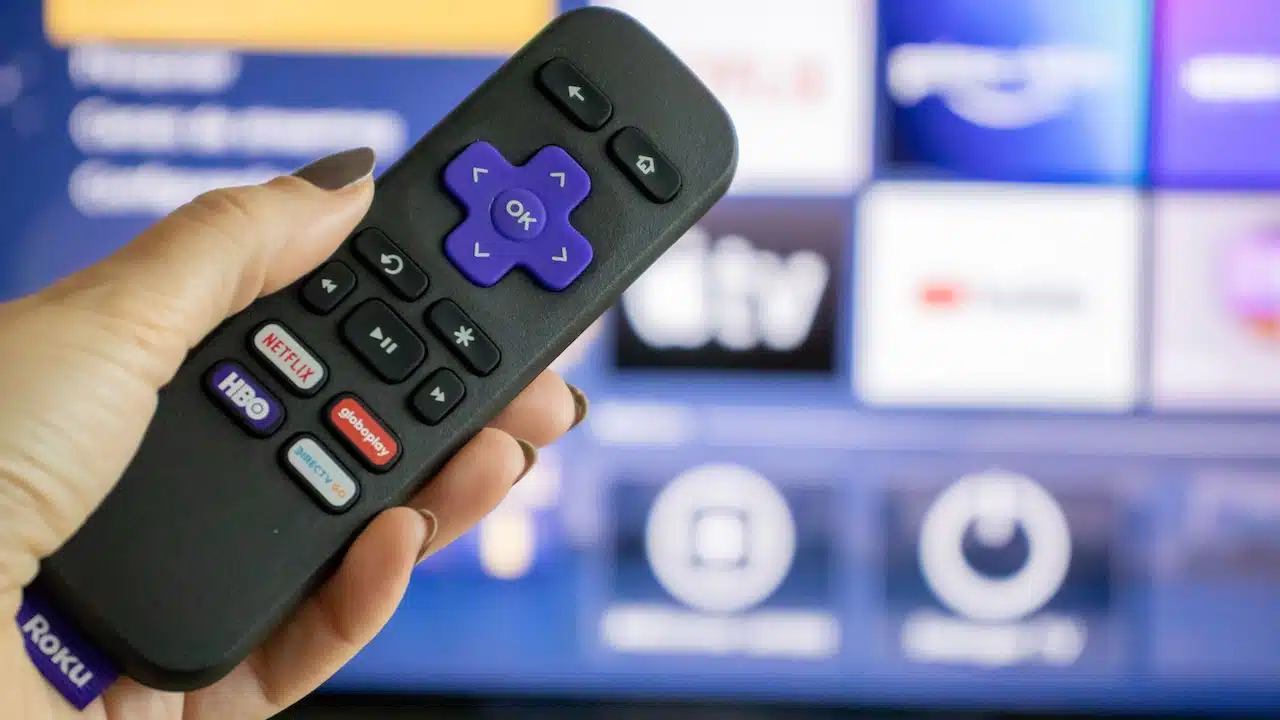
UNITED STATES —
Key facts
- Plaintiff Terri Else filed a class action lawsuit in California federal court against Roku Inc. and TTE Technology (TCL North America).
- The lawsuit alleges that software updates from Roku and TCL are 'repetitively defective,' causing TVs to freeze, restart, black out, or become completely inoperable ('bricked').
- Affected models include Roku Select Series, Roku Plus Series, and TCL 3/4/5/6 Series Roku TVs sold from December 16, 2024, to the present.
- Else seeks to represent a nationwide class and a California subclass, demanding a jury trial, declaratory and injunctive relief, and actual and statutory damages.
- Roku stated, 'We believe the claims are meritless'; TCL declined to comment.
- The lawsuit cites consumer complaints on forums and social media, including reports of forced firmware updates disabling connectivity and TVs turning off randomly.
- Roku is also facing another class action over removing a feature from its smart home cameras and requiring a new subscription.
Lawsuit Alleges Roku and TCL Sold ‘Bricked’ TVs
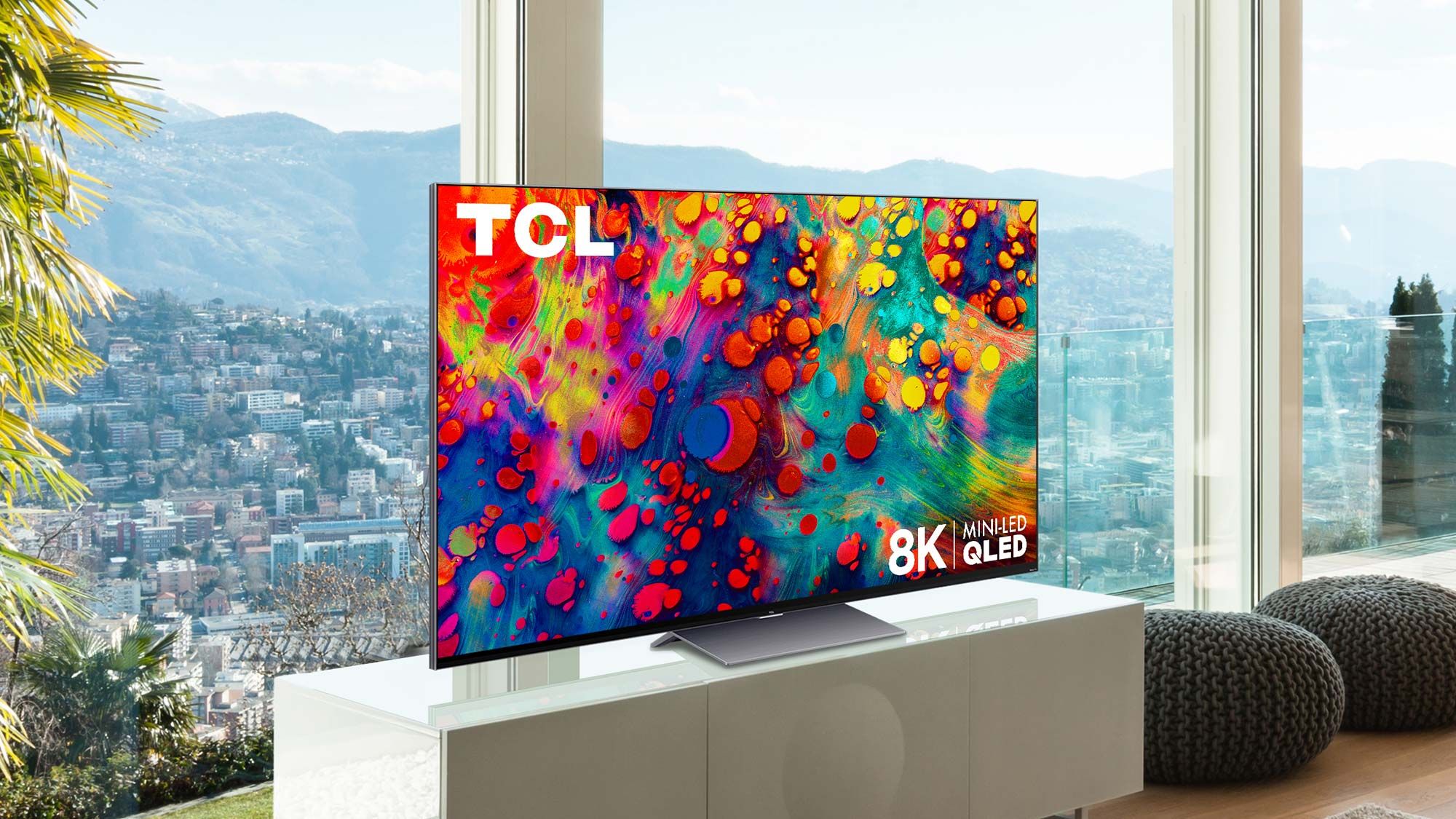
A consumer has filed a class action lawsuit against Roku Inc. and TTE Technology, doing business as TCL North America, accusing the companies of selling televisions that become unusable due to defective software updates. The complaint, lodged in California federal court, claims the updates are 'repetitively defective' and have materially impaired the functionality of Roku products, rendering many televisions entirely unusable—a condition known as 'bricked'—or causing blackouts and substantial performance degradation. Plaintiff Terri Else argues that Roku and TCL knowingly sold televisions with software defects that corrupt the user experience to the point of inoperability. The lawsuit asserts that the defects stem from a platform that 'cuts corners' and fails to ensure software updates are free of defects both in testing and at scale. Roku responded that the claims are 'meritless,' while TCL declined to comment.
The Alleged Defects: From Freezing to Complete Failure
According to the lawsuit, the defective software updates cause smart TVs to freeze, restart repeatedly, fail to turn on, or degrade the overall viewing experience. The complaint states: 'Roku’s software updates are repetitively defective, materially impairing the functionality of Roku products, rendering many consumers’ televisions either entirely unusable (‘bricked’), blacked out or otherwise substantially degraded in terms of device performance.' Consumer complaints on forums and social media corroborate these issues. One owner reported, 'I was watching my TV and it just stopped showing pictures.' Another said their TCL QM8 would get blacked out screens or shut off after software updates. On the Roku and TCL subreddits, multiple posts over the past two years describe forced firmware updates that disabled connectivity features or prevented the operating system from updating.
Plaintiff Seeks Nationwide Class Action
Terri Else seeks to represent a nationwide class and a California subclass of consumers who purchased Roku TV products manufactured by Roku or TCL, including the Roku Select Series, Roku Plus Series, and TCL 3/4/5/6 Series Roku TVs, from December 16, 2024, to the present. The lawsuit demands a jury trial and requests declaratory and injunctive relief, plus an award of actual and statutory damages and restitution for class members. The initial filing does not specify a monetary amount, which will be determined as the case progresses or settles. Else argues that Roku and TCL failed to disclose the software defects to consumers before purchase while marketing the televisions as reliable smart TVs designed to 'keep getting better over time…thanks to [ongoing] automatic software updates.' The lawsuit claims this is inconsistent with express warranties that promise to repair, correct, or remediate software defects.
Warranty and Consumer Protection Claims
The complaint alleges breach of express and implied warranties, as well as violations of California’s Unfair Competition Law and Consumers Legal Remedies Act. The lawsuit states: 'Despite consumers’ persistent complaints of repeated system failures, often leaving their TVs completely inoperable, defendants offer no recourse.' It argues that this lack of support contradicts the warranties' promises to fix software defects. about the lawsuit include complaints from consumers who experienced similar issues. One commenter noted, 'My TV just turns off at random and sometimes takes several tries to turn on.' Another said, 'It doesn’t play unless it’s hooked up to the internet and then a lot of the stations have blank screens.' A third wrote, 'I just disposed of a 65″ Roku branded TV that went black in less than 3 years after purchase.' Many comments simply request to be added to the class action.
Roku Faces Separate Legal Challenges
This is not the only class action lawsuit Roku is currently facing. Another customer is suing Roku for removing a feature from its smart home cameras and requiring a new subscription to restore it. The parallel cases highlight growing scrutiny of Roku’s business practices, particularly regarding software updates and feature changes. The current lawsuit is in its initial stages, and a resolution or settlement may be months away. Roku has denied the allegations, while TCL has not commented. The outcome could have significant implications for Roku and TCL’s customer base, which includes millions of users who rely on the Roku OS for their smart TV experience.
What Comes Next for Affected Consumers
As the case proceeds, consumers who purchased one of the named TV models within the specified timeframe should monitor the lawsuit’s progress. The class action seeks to provide recourse for those whose TVs have been rendered inoperable or degraded by software updates. However, it is too early to predict the outcome or potential settlement terms. For now, Roku and TCL have not issued any recall or software fix for the alleged defects. Consumers experiencing issues are left with limited options, as the lawsuit claims the companies offer no recourse despite warranty promises. The case underscores the tension between automatic software updates intended to improve devices and the risk of updates that can render them unusable.
The bottom line
- A class action lawsuit alleges Roku and TCL sold TVs with defective software updates that cause devices to freeze, black out, or become completely inoperable ('bricked').
- Plaintiff Terri Else seeks to represent a nationwide class and California subclass covering Roku Select Series, Roku Plus Series, and TCL 3/4/5/6 Series TVs sold from Dec. 16, 2024, to present.
- The lawsuit claims breach of express and implied warranties and violations of California consumer protection laws.
- Roku has called the claims 'meritless'; TCL declined to comment.
- Consumer complaints on forums and social media support the allegations, with reports of issues dating back at least two years.
- The case is in early stages, and a resolution or settlement may take months.



Hurricanes Stun Flyers in Overtime to Take 2-0 Series Lead

Judge Zia Faruqui Challenges D.C. Jail Over Suicide Watch for Man Charged in Trump Assassination Attempt

Olivia Rodrigo Announces 65-Date ‘Unraveled Tour’ and Hosts SNL Double Duty
