Student Loan Borrowers Face Payment Shock as SAVE Plan Ends
Millions of borrowers enrolled in the Biden-era SAVE plan will see monthly payments triple or more after a federal appeals court struck down the program.
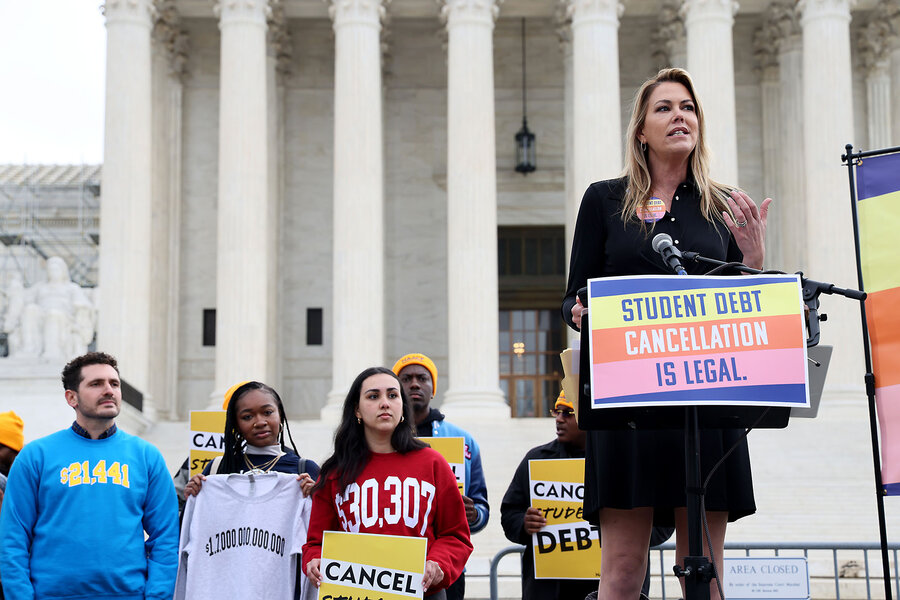
UNITED STATES —
Key facts
- A federal appeals court ended the SAVE plan, affecting over 7 million borrowers.
- Kathleen Naranjo's monthly payment will rise from $92 to over $270.
- Borrowers have 90 days from July 1 to choose a new repayment plan or be assigned one.
- Total U.S. student debt exceeds $1.8 trillion.
- The Trump administration is moving loan management to the Treasury Department.
- 44 million borrowers hold federal student loans; 12 million are behind or in default.
- The average federal student loan balance is $39,547.
A Nurse's Budget Unravels
Kathleen Naranjo, a nurse in Bend, Oregon, was nearly eight years into paying off her $50,000 in student loans under a Biden-era plan that had reduced her monthly payments to $92. She was on track for forgiveness after a decade of public service. Now, after a federal appeals court last month ended the Saving on A Valuable Education (SAVE) plan, her monthly payment will more than triple to over $270, scrambling her finances as she searches for her first home. “That’s the only way that I can really do it, otherwise I’m going to be paying this loan until I die,” she said.
The End of the SAVE Plan
The SAVE plan, introduced in 2023, was designed to make student loan payments more affordable by tying them to income, offering $0 payments for low earners, preventing interest accumulation, and providing earlier forgiveness. It was part of the Biden administration's effort to address the nation's $1.8 trillion student debt burden. However, Republican-led states challenged the plan as an overreach, arguing it unfairly burdened taxpayers. The courts sided with them, ruling that Congress had not authorized the executive action.
A New Approach Under Trump
The Trump administration is taking a markedly different tack. Under Secretary of Education Nicholas Kent stated in March, “For years, borrowers have been caught in a confusing cycle of uncertainty, but the Trump Administration’s policy is simple: if you take out a loan, you must pay it back.” Responsibility for managing student loans is shifting from the Department of Education to the Treasury Department, and the government will begin garnishing wages, pay, and tax returns to collect debts. This approach will affect 44 million borrowers, 12 million of whom are behind or in default.
Borrowers Face a 90-Day Window
Starting July 1, the more than 7 million borrowers enrolled in SAVE have 90 days to select a new repayment plan or be automatically placed into one by the government. For many, the options will result in significantly higher monthly payments. Ms. Naranjo, who had asked to continue her $92 payments during the legal challenges, was told by her servicer, Aidvantage, that those payments would not count toward forgiveness. “Now this is going to be worked into my debt ratio when I buy a house,” she said, noting that a three-bedroom home in her area costs about $550,000.
Rising Costs Squeeze Households
The payment hike comes amid soaring prices for gas, food, and healthcare, compounding financial strain. Ms. Naranjo said she had budgeted every dime, from mortgage to snacks, but the new bill upended her plans. “It’s going to be financially stressful,” she said. She has cut all entertainment spending and now makes decisions based on necessity. “I’m just being very careful with what I spend every time I buy groceries or go to Costco. I’m conscientious about where I’m driving,” she added. “Any luxury items will be the first to go.”
Uncertainty Ahead for Millions
The SAVE plan had been scheduled to run until 2028, but its abrupt end leaves borrowers in limbo. Many had been in a two-year payment pause during legal battles. Now, with the Trump administration's hardline stance, the path to loan forgiveness is narrowing. the average federal student loan balance is $39,547. For borrowers like Ms. Naranjo, the dream of debt relief is fading, replaced by the reality of higher payments and tighter budgets.
The bottom line
- The SAVE plan's termination will raise monthly payments for over 7 million borrowers, many of whom will see their bills triple.
- Borrowers have until September 30 to choose a new repayment plan or be automatically enrolled.
- The Trump administration is shifting student loan management to the Treasury Department and resuming wage garnishment.
- Total U.S. student debt exceeds $1.8 trillion, with 44 million borrowers affected.
- Rising costs for essentials are exacerbating the financial impact on households.
- The legal battle over SAVE underscores deep partisan divides on student loan policy.


Knicks demolish Hawks by 51 in historic playoff elimination
Three Game 7s in Eastern Conference: Celtics, Pistons, Cavaliers Face Do-or-Die

Nasdaq posts best month since April 2020 as tech earnings fuel 15% rally
