Tennessee and Alabama Governors Call Special Sessions to Redraw House Maps After Supreme Court Narrows Voting Rights Act
The high court's ruling in Louisiana v. Callais has opened the door for Republican-led states to reduce minority representation in Congress, with Tennessee and Alabama moving swiftly to act.
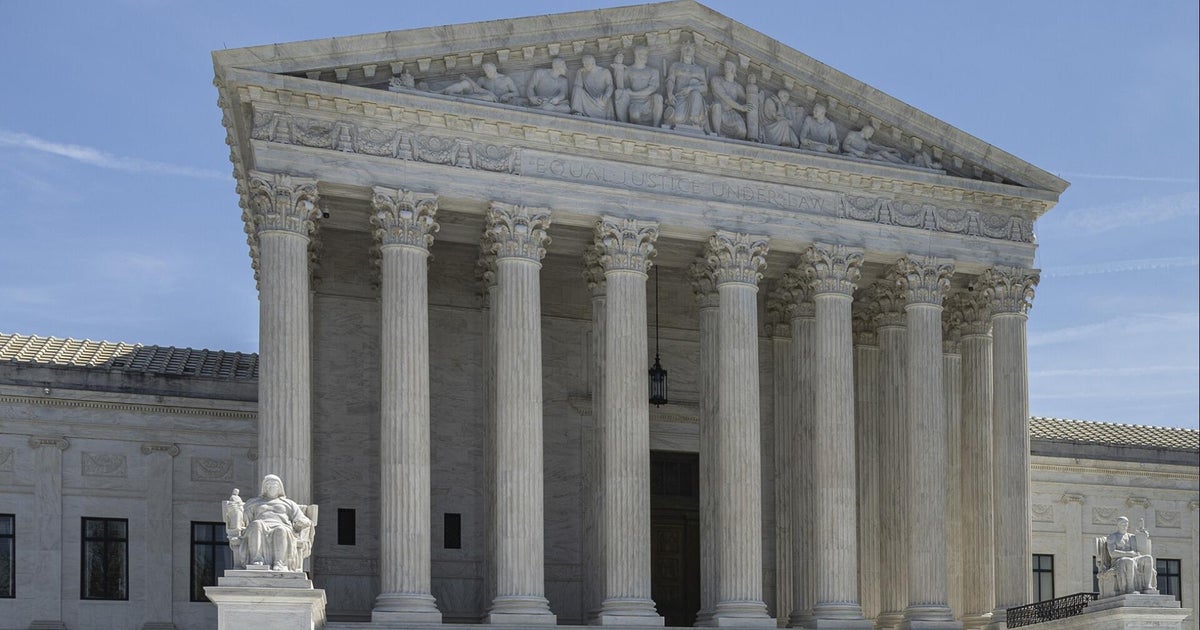
UNITED STATES —
Key facts
- Tennessee Gov. Bill Lee called a special session starting Tuesday to redraw congressional maps, with primaries scheduled for Aug. 6.
- Alabama Gov. Kay Ivey called a special session starting Monday to prepare for potential special primary elections if a new map is implemented.
- The Supreme Court ruled 6-3 in Louisiana v. Callais on Wednesday, striking down a map with two majority-Black districts and narrowing the Voting Rights Act.
- Alabama Attorney General Steve Marshall asked the Supreme Court on Thursday to vacate a lower court ruling that required the current map to remain until after 2030.
- GOP Sen. Marsha Blackburn, running for governor of Tennessee, urged lawmakers to split the Memphis-area district held by Democratic Rep. Steve Cohen.
- Louisiana officials moved to suspend House primaries scheduled for later this month after the Supreme Court ruling.
- Mississippi legislators are planning a special session to redraw state Supreme Court districts, with some officials suggesting redrawing U.S. House maps to unseat Democratic Rep. Benny Thompson.
A New Legal Landscape
The Republican governors of Tennessee and Alabama called state lawmakers into special sessions on Friday, setting the stage for a potential redrawing of congressional maps across the South after the Supreme Court narrowed the Voting Rights Act. The high court's 6-3 decision in Louisiana v. Callais on Wednesday struck down a Louisiana map that included two majority-Black House districts, ruling that state lawmakers relied too heavily on race. Justice Samuel Alito wrote for the majority that districts now violate the Voting Rights Act only when there is a "strong inference that intentional discrimination occurred," effectively tightening the standard for minority representation. The ruling has immediate consequences for Louisiana, where officials reacted Thursday by moving to suspend House primaries scheduled for later this month, potentially paving the way for a new map. But its impact is expected to ripple across multiple states, as Republican-led legislatures see an opportunity to redraw districts to their advantage. In Tennessee and Alabama, the governors' actions represent the first concrete steps in what could become a broader effort to reduce the number of Democratic-held seats in the region.
Tennessee: Targeting the Sole Democratic District
Tennessee Gov. Bill Lee convened a special session that will start Tuesday, writing in a statement Friday that lawmakers "owe it to Tennesseans to ensure our congressional districts accurately reflect the will of Tennessee voters." Lee said any changes to the state's map "must be enacted as soon as possible." The state has primaries scheduled for Aug. 6 for this year's congressional elections, though the deadline for candidates to qualify for the primary ballot was in March, complicating any immediate changes. GOP Sen. Marsha Blackburn, who is running for governor of Tennessee, has called on state lawmakers to draw a map that gives Republicans an edge in all nine of the state's congressional districts, specifically by splitting up the Memphis-area district held by Democratic Rep. Steve Cohen. President Trump has strongly urged Lee to redraw the state's map to give Republicans "one extra seat." If successful, the move could eliminate Tennessee's sole Democratic-held district, leaving the state's entire House delegation in Republican hands.
Alabama: A Complicated Legal Battle
Alabama Gov. Kay Ivey called a special legislative session starting Monday to potentially schedule special primary elections if a new House map is implemented. Ivey said she wants the state to be "prepared should the courts act quickly enough" for the map to be changed in time for this year's elections. The state's primaries are set for May 19, and the deadline for candidates to file was in January, making any changes contingent on court approval. Alabama faces a complicated situation due to years of litigation over its congressional districts. The Supreme Court ruled in 2023 that Alabama's House map violated the Voting Rights Act, and later that year, a three-judge panel rejected another map crafted by state lawmakers. A court-appointed expert then drew a fresh map, resulting in two House districts where Black voters make up a significant portion of the electorate, both held by Democrats. Under a court injunction issued last year, Alabama's existing map is required to remain in place until after the 2030 Census. But state Attorney General Steve Marshall on Thursday asked the Supreme Court to vacate the lower court ruling that struck down lawmakers' 2023 map, citing the high court's decision earlier this week. If permitted by the courts, Ivey said she is aiming to return to the state legislature's 2023 map, which had one majority-Black, Democratic-leaning House seat. That map would likely reduce Black voting power and eliminate one of Alabama's two Democratic-held districts.
Broader Implications Across the South
The Supreme Court's ruling in Louisiana v. Callais has emboldened Republican lawmakers in other states to consider redrawing maps. In Mississippi, legislators are planning to hold a special session to redraw the state's Supreme Court districts. Some state officials have suggested also redrawing the state's U.S. House maps to unseat Democratic Rep. Benny Thompson, though it might be too late for this year because Mississippi has already held its primary elections. The decision effectively narrows a portion of the 1965 Voting Rights Act that had previously been interpreted to require states to draw districts where minority groups make up a majority in some circumstances. Legal experts expect a wave of litigation as states test the new boundaries of what is permissible under the law. The ruling also raises questions about the fate of other districts drawn with race as a predominant factor, potentially affecting representation for minority communities nationwide.
What Comes Next
In Tennessee, the special session beginning Tuesday will determine whether lawmakers can move quickly enough to alter the map before the Aug. 6 primaries. Given that candidate filing deadlines have passed, any new map might not take effect until the next election cycle, unless courts intervene. In Alabama, the special session starting Monday will focus on preparing for special primaries, but the timeline depends on the Supreme Court's response to Attorney General Marshall's request to vacate the lower court ruling. The coming weeks will test the resilience of the Voting Rights Act in the wake of the Supreme Court's decision. With multiple states poised to act, the battle over congressional maps is likely to intensify, shaping the political landscape for years to come. The outcome will determine not only the partisan balance of House delegations but also the extent to which minority voters can elect candidates of their choice.
The bottom line
- The Supreme Court's ruling in Louisiana v. Callais narrowed the Voting Rights Act, making it harder to challenge racially gerrymandered districts.
- Tennessee and Alabama have called special sessions to redraw House maps, aiming to reduce Democratic seats and minority representation.
- Alabama's current map, which includes two majority-Black districts, is under court order to remain until 2030, but the state is asking the Supreme Court to vacate that order.
- Louisiana has suspended its House primaries to potentially draw a new map without two majority-Black districts.
- Mississippi is considering redrawing its House maps to target Democratic Rep. Benny Thompson, though it may be too late for this year.
- The legal and political battles over redistricting are expected to escalate, with significant implications for minority voting power and the partisan balance in Congress.

Taylor Swift and Travis Kelce Set $10 Million Budget for Pre-Wedding Parties

Trump's Presence Looms Over Cadillac Championship as Cameron Young Leads by Five

In Trump's Florida Rally, a Retirement Utopia Grapples With Political Division
