Tennessee Governor Calls Special Session to Redraw State's Only Democratic Congressional District
The move, backed by President Trump and Senate candidate Marsha Blackburn, follows a Supreme Court ruling that narrowed the Voting Rights Act's protections against racial gerrymandering.
UNITED STATES —
Key facts
- Tennessee Gov. Bill Lee called a special legislative session starting Tuesday to consider a new congressional map.
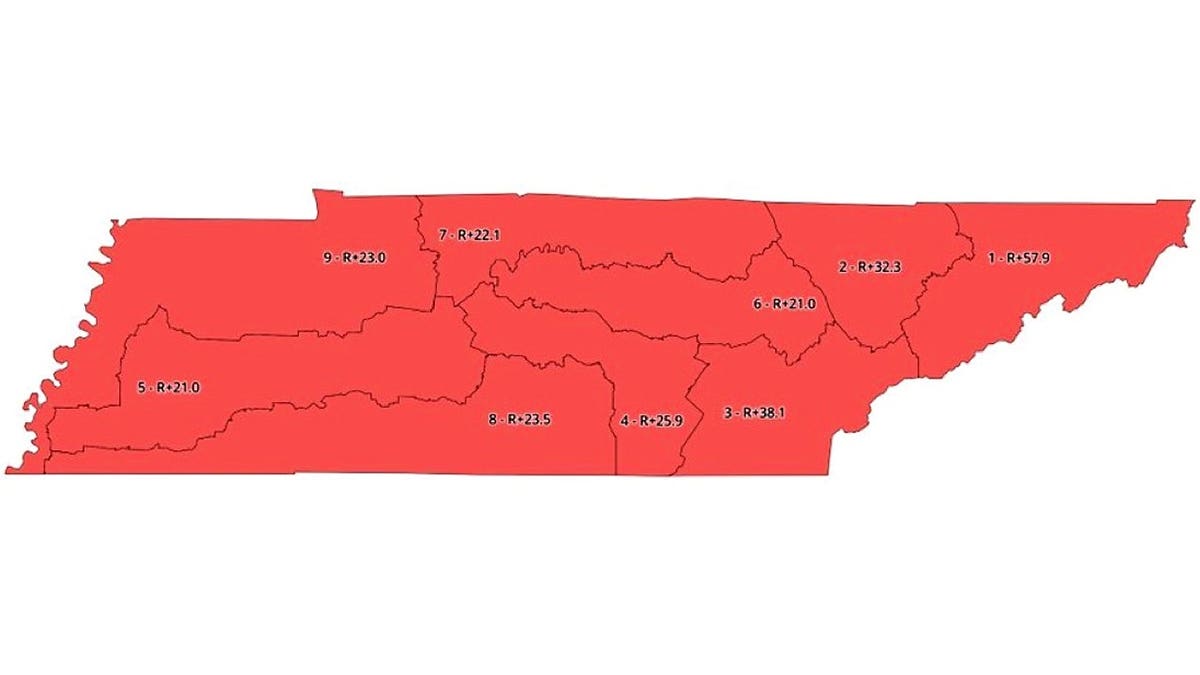
- The proposed map, endorsed by Sen. Marsha Blackburn, would split the Memphis-based district held by Democratic Rep. Steve Cohen, giving Republicans a 9-0 House delegation.
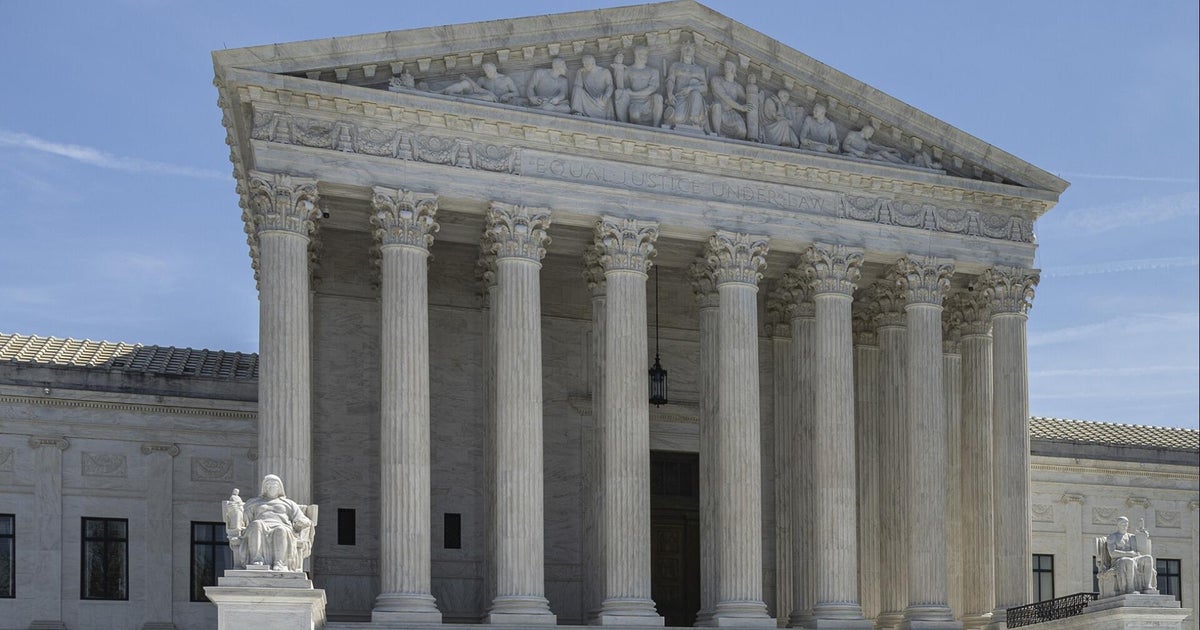
- The Supreme Court's 6-3 ruling in Louisiana v. Callais struck down a majority-Black district in Louisiana, limiting the use of race in redistricting under Section 2 of the Voting Rights Act.
- President Trump urged Lee to redraw the map to give Republicans 'one extra seat' in a Truth Social post on Thursday.
- Tennessee's primary elections are scheduled for Aug. 6, but the candidate filing deadline passed in March.
- Alabama Gov. Kay Ivey also called a special session starting Monday to potentially redraw congressional maps, citing the same Supreme Court ruling.
A Swift Political Calculus
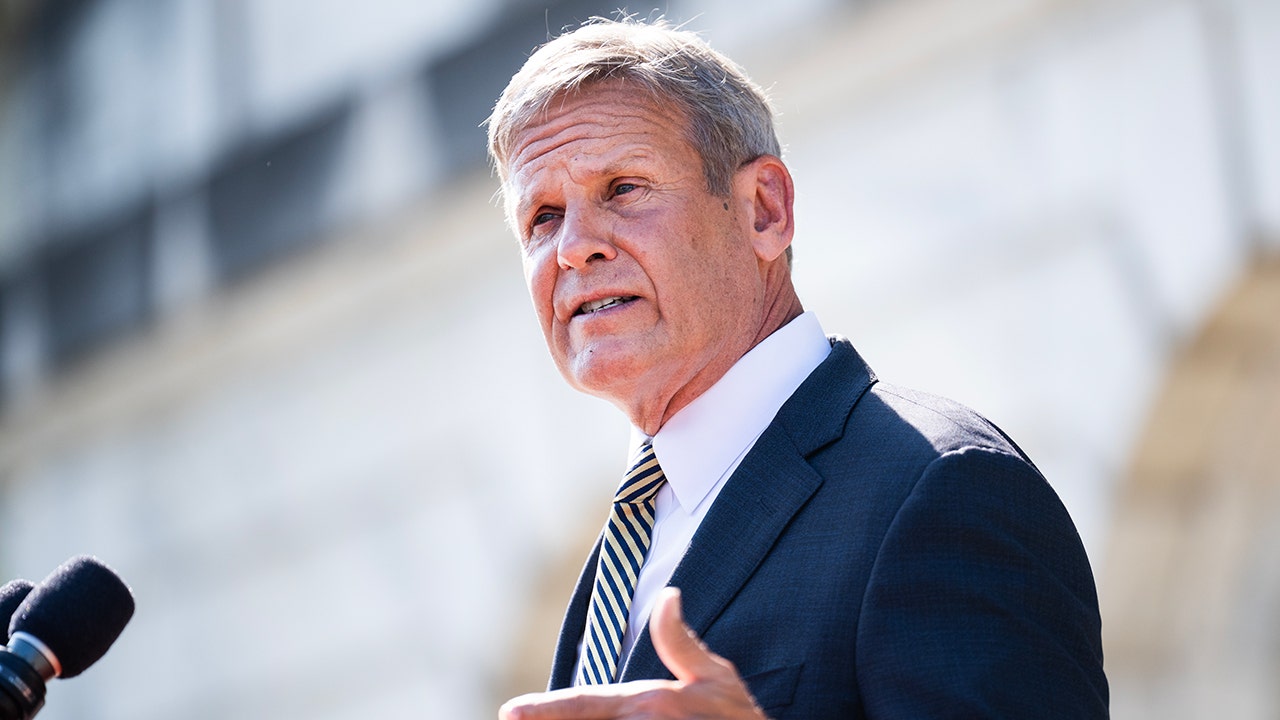
Tennessee Governor Bill Lee, term-limited and set to leave office at the end of this year, has summoned state lawmakers to a special session beginning Tuesday with a singular objective: redraw the state's congressional map to eliminate its lone Democratic-held district. The move, announced Friday, came just two days after a conversation with President Donald Trump and followed the Supreme Court's landmark decision in Louisiana v. Callais, which narrowed the use of race in redistricting under the Voting Rights Act. Lee framed the session as a matter of electoral integrity. 'We owe it to Tennesseans to ensure our congressional districts accurately reflect the will of Tennessee voters,' he wrote in a statement, stressing the need to act 'as soon as possible' to comply with mandatory election qualifying timelines. The governor said he consulted with Lieutenant Governor Randy McNally, House Speaker Cameron Sexton, Attorney General Jonathan Skrmetti, and Secretary of State Tre Hargett before making the call.
The Map That Would Turn Tennessee Red
The proposed map, unveiled Wednesday by U.S. Senator Marsha Blackburn, a Republican candidate for governor, would carve up the Memphis-area district currently represented by Democratic Congressman Steve Cohen. Blackburn posted the map on X hours after the Supreme Court ruling, urging the legislature to 'reconvene to redistrict another Republican seat in Memphis.' The plan would give Republicans a 9-0 majority in the state's House delegation, cementing a GOP lock on every congressional seat. 'I've vowed to keep Tennessee a red state, and as Governor, I'll do everything I can to make this map a reality,' Blackburn wrote. Her endorsement carries weight as she is the leading contender to succeed Lee. President Trump amplified the pressure on Thursday, writing on Truth Social that Lee had promised to 'correct the unconstitutional flaw in the Congressional Maps' and that the change 'should give us one extra seat, and help Save our Country from the Radical Left Democrats.'
A Legislative Package for Rapid Redistricting
Lawmakers are advancing a package of five bills designed to expedite the redistricting process. HB7001 establishes the legal framework for implementing changes from the special session. HB7002 addresses election procedures for any new districts, including how upcoming races would be handled. HB7003 contains the proposed map itself, which would shift boundaries across the state. HB7004 adjusts election timelines and candidate qualifications if the map changes close to an election, and HB7005 covers technical and administrative adjustments. Together, the bills create a mechanism to move from the current map, last redrawn in 2022, to a new one before the 2026 midterm elections. The timing is unusually tight: Tennessee's primary elections are scheduled for Aug. 6, but the candidate filing deadline passed in March. Any new map would likely require adjustments to the election calendar, which HB7004 is designed to facilitate.
The Supreme Court Ruling That Opened the Door
The catalyst for Tennessee's special session was the Supreme Court's 6-3 decision in Louisiana v. Callais, issued Wednesday. The ruling struck down a Louisiana congressional map that created a second majority-Black district, holding that state lawmakers relied too heavily on race in violation of the Constitution's equal protection clause. Writing for the majority, Justice Samuel Alito stated that districts now violate the Voting Rights Act only when there is a 'strong inference that intentional discrimination occurred,' a significantly narrower standard than previous interpretations. The decision has sent shockwaves through Southern statehouses. In Alabama, Governor Kay Ivey called a special session starting Monday to approve contingency plans for special primary elections, hoping the Supreme Court will allow the state to revert to a 2023 map that contained only one majority-Black district. Alabama's current map, drawn by a court-appointed expert after years of litigation, includes two Democratic-held seats where Black voters form a significant portion of the electorate. State Attorney General Steve Marshall on Thursday asked the Supreme Court to vacate the lower court ruling that required the current map, citing the Louisiana decision.
A National Redistricting Scramble
Tennessee and Alabama are not alone. The Supreme Court ruling has emboldened Republican-led states across the South to revisit congressional maps before the 2026 midterms. Florida approved new districts on the day of the ruling. Louisiana moved to delay its May 16 congressional primary to allow time for lawmakers to draw new lines, a move Democrats and civil rights groups are challenging in court. South Carolina's governor has suggested his state might also reconsider its map. In Mississippi, legislators are planning a special session to redraw state Supreme Court districts, and some officials have floated redrawing U.S. House districts to unseat Democratic Representative Benny Thompson, though the state has already held its primaries. President Trump on Sunday urged more states to join the effort, posting on social media that Republicans could gain 20 House seats through redistricting. 'We should demand that State Legislatures do what the Supreme Court says must be done,' he wrote. The national battle is expanding: lawmakers, commissions, or courts have already adopted new House districts in eight states ahead of the midterms. Republicans believe they could gain as many as 13 seats from new maps in five states, while Democrats think they could pick up as many as 10 seats from new districts in three states.
Legal and Political Stakes for the Voting Rights Act
The redistricting push represents the most significant rollback of Voting Rights Act protections in decades, according to critics. U.S. Senator Raphael Warnock, a Georgia Democrat, described the court decision and ensuing scramble as an attempt to 'roll back the Civil Rights Movement.' Civil rights groups have vowed to challenge any map that dilutes minority voting strength, but the Supreme Court's ruling has narrowed the legal grounds for such challenges. For Tennessee, the immediate question is whether the legislature can enact a new map in time for the 2026 elections given the passed candidate filing deadline. The state's Aug. 6 primary may need to be postponed or adjusted, a move that HB7004 is designed to enable. In Alabama, the situation is even more complex: a court injunction requires the current map to remain in place until after the 2030 Census, but the state is asking the Supreme Court to lift that order. The high court's decision in the Louisiana case has given Alabama new hope, but the legal path remains uncertain.
What Comes Next for Tennessee and Beyond
The special session in Tennessee is expected to move quickly, with Republicans holding supermajorities in both chambers. The outcome is all but certain: a new map that splits the Memphis district and gives the GOP a 9-0 delegation. But the broader implications stretch far beyond Tennessee. The Supreme Court's ruling has effectively invited states to redraw maps with less regard for racial minority representation, as long as they avoid explicit racial classifications. For the 2026 midterms, the redistricting battles could reshape the balance of power in the U.S. House. Republicans are eyeing gains in Alabama, Tennessee, Louisiana, and possibly Mississippi and South Carolina, while Democrats hope to offset losses in states like California and New York, where they have already redrawn maps. The coming months will test whether the courts, Congress, or public opinion can check a partisan gerrymandering wave that the Supreme Court has now enabled.
The bottom line
- Tennessee's special session aims to redraw the state's only Democratic-held congressional district, giving Republicans a 9-0 House delegation.
- The push follows the Supreme Court's Louisiana v. Callais ruling, which narrowed the Voting Rights Act's protections against racial gerrymandering.
- President Trump and Senate candidate Marsha Blackburn have actively lobbied for the new map, which would take effect for the 2026 midterms.
- Alabama, Louisiana, Florida, and Mississippi are also moving to redraw congressional maps in response to the ruling.
- Civil rights groups and Democrats are preparing legal challenges, but the Supreme Court's new standard makes such challenges more difficult.
- The redistricting scramble could shift the balance of power in the U.S. House, with Republicans potentially gaining up to 13 seats and Democrats up to 10.




UAE Intercepts 15 Iranian Missiles and Drones as Regional Tensions Escalate

Nelly Korda Matches Annika Sorenstam’s Historic Start, Wins Third Title of 2026 at Riviera Maya Open

Trump's Presence Looms Over Cadillac Championship as Cameron Young Leads by Five
