Fire Aboard USS Higgins Knocks Out Power and Propulsion, Raising Readiness Concerns
The guided-missile destroyer, a key asset in the Indo-Pacific, lost electricity and propulsion after an electrical fire, the third Navy shipboard incident in weeks.
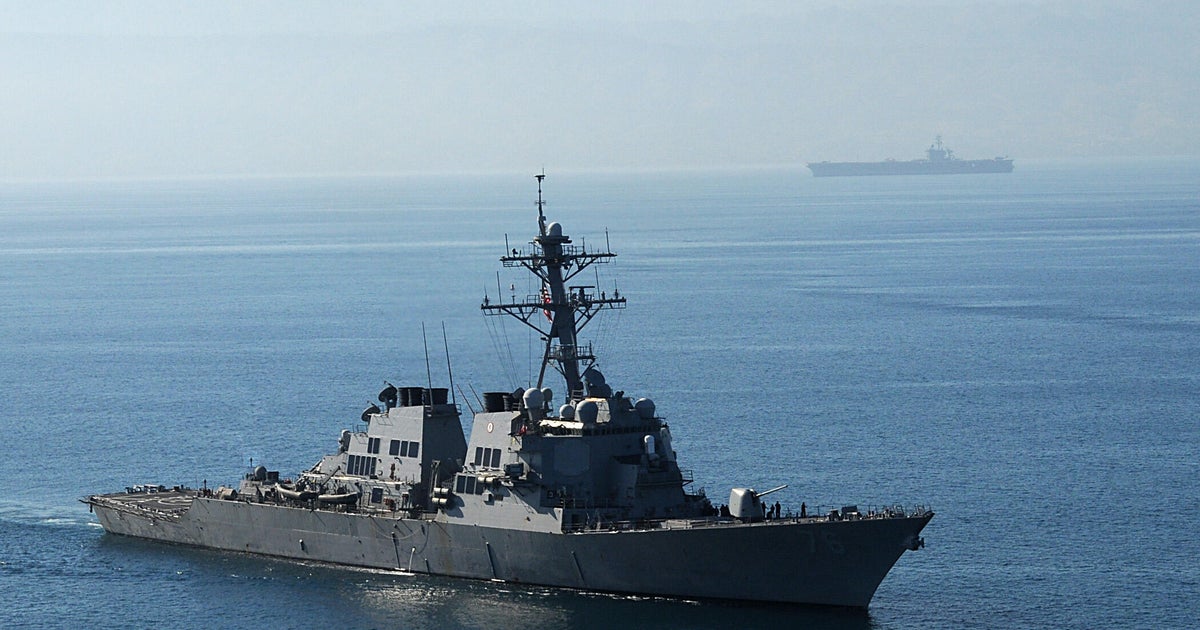
UNITED STATES —
Key facts
- Fire broke out Tuesday on USS Higgins, an Arleigh Burke-class destroyer.
- The fire knocked out electricity and propulsion systems.
- as of Wednesday.
- The fire was contained to one piece of equipment and classified as an 'electrical casualty'.
- USS Higgins is homeported in Yokosuka, Japan, and assigned to 7th Fleet.
- Two other Navy ships had fires recently: USS Dwight D. Eisenhower (8 injured) and USS Gerald R. Ford (2 injured).
- USS Gerald R. Ford and its strike group are expected to leave the Middle East in coming days.
- The ship is named after Marine Col. William Higgins, kidnapped and killed by Hezbollah in 1988.
Fire Strikes Key Destroyer in Indo-Pacific
A fire erupted Tuesday aboard the USS Higgins, a guided-missile destroyer operating in the Indo-Pacific, knocking out the ship's electricity and propulsion systems, U.S. officials said. The blaze was contained to a single piece of equipment and did not spread, but it left the warship without power or means to maneuver. as of Wednesday. The cause of the fire remains under investigation, and the vessel's precise location within the U.S. Indo-Pacific Command's area of operations has not been disclosed. The Navy classified the incident as an 'electrical casualty,' indicating a short circuit in one of the ship's generators rather than a large fire. Officials have not yet detailed the extent of structural damage or provided a timeline for repairs.
A Workhorse of the 7th Fleet
The USS Higgins is an Arleigh Burke-class destroyer equipped with the Aegis combat system, vertical-launch missile cells, and anti-submarine warfare capabilities. Homeported at Naval Station Yokosuka in Japan, it is assigned to Destroyer Squadron 15 and forms part of the 7th Fleet's forward-deployed surface force, the Navy's primary strike and deterrence presence in the western Pacific. The 7th Fleet operates under the U.S. Indo-Pacific Command, the largest of the U.S. military's combatant commands, overseeing American operations across more than half the globe. The loss of propulsion and power, even temporarily, significantly limits a warship's ability to maneuver, defend itself, or respond to contingencies in contested waters, raising concerns about operational readiness in a region of growing strategic importance amid heightened tensions with China.
Third Naval Fire in Weeks
The Higgins incident is the third shipboard fire to strike the U.S. Navy in a matter of weeks. Earlier this month, a blaze broke out aboard the aircraft carrier USS Dwight D. Eisenhower, injuring eight sailors. Separately, a fire erupted in the laundry spaces of the aircraft carrier USS Gerald R. Ford, wounding two sailors. A U.S. official confirmed Wednesday that the Ford and its accompanying strike group are expected to depart the Middle East in the coming days, where it had been one of three carriers operating in the region. The back-to-back incidents have intensified scrutiny on the Navy's fire safety protocols and the readiness of its surface fleet.
Ship Named After Slain Marine Colonel
The destroyer is named for Marine Col. William R. Higgins, a Vietnam War veteran who was serving with a United Nations peacekeeping mission in southern Lebanon when Hezbollah-linked militants kidnapped him in February 1988. Higgins was tortured, interrogated, and then killed. He was promoted to colonel while still in captivity. His remains were recovered from a Beirut street in December 1991. He was posthumously awarded the Presidential Citizens Medal and the Prisoner of War Medal.
Questions Remain on Damage and Timeline
Details regarding what sections of the ship were damaged and how long it will take to repair remain unavailable. Vessel tracking data showed the Higgins had been docked in Singapore as recently as February, but its current location is not publicly known. Pentagon spokespeople directed questions to INDOPACOM, and the ship's public affairs office did not respond to requests for comment. A defense department official stated: 'An electrical fire occurred aboard the USS Higgins while at sea in the Indo-Pacific. The fire was immediately extinguished by the crew, and there are no reported injuries. The situation is under control, and the ship is currently underway. The cause is under investigation.' The official's statement did not address the loss of power and propulsion.
Readiness Concerns in a Strategic Theater
The USS Higgins is a key component of the Navy's forward deployed forces assigned to the 7th Fleet, a mainstay of American naval presence in Asia. The fire, which knocked out the ship's ability to generate power and move, underscores vulnerabilities in the fleet's aging vessels and the challenges of maintaining high operational tempo. As the U.S. Navy grapples with these incidents, the focus now shifts to the investigation's findings and the repair timeline for the Higgins. The ship's return to full capability will be closely watched by allies and adversaries alike in a region where naval power projection remains a cornerstone of U.S. strategy.
The bottom line
- An electrical fire aboard USS Higgins knocked out power and propulsion, with no injuries reported.
- The destroyer is a forward-deployed asset of the 7th Fleet, homeported in Yokosuka, Japan.
- This is the third Navy shipboard fire in weeks, following incidents on USS Dwight D. Eisenhower and USS Gerald R. Ford.
- The cause of the fire and the extent of damage remain under investigation.
- The USS Gerald R. Ford strike group is expected to leave the Middle East soon.
- The ship is named after Marine Col. William Higgins, killed by Hezbollah in 1988.


Injury Crisis Decimates Timberwolves Ahead of Game 6 Against Nuggets

In-N-Out's Secret University Trains Future Leaders as Fast-Food Giant Expands

Nuggets' Season Ends in First-Round Loss; Jokic Says 'We Are Far Away'