US Gas Prices Surge Amid Middle East Conflict and Policy Shifts
A confluence of geopolitical tensions and domestic energy policy is driving up fuel costs for American consumers.

UNITED STATES —
Key facts
- US national average gas price reached $4.45 per gallon.
- Gas prices have risen more than $1.40 per gallon since February.
- The Strait of Hormuz closure impacts global oil markets.
- US imports over 60% of petroleum from Mexico and Canada.
- Renewable energy policies have been reversed by the current administration.
- US has seen significant increases in oil and natural gas production.
Pain at the Pump Intensifies
The national average price for a gallon of gasoline has climbed to $4.45, marking an increase of over $1.40 since February, occurring against the backdrop of escalating conflict in the Middle East, is inflicting significant financial pressure on American households. Even a temporary ceasefire in the region has failed to bring immediate relief, as ongoing reports of drone and missile attacks continue to unsettle global markets and keep oil prices elevated. This situation stands in stark contrast to the promise of 'energy independence' previously articulated. The current administration's prioritization of fossil fuels, while boosting domestic production, has paradoxically heightened the nation's vulnerability to the very volatility now being experienced. By dismantling policies that fostered renewable energy development, the U.S. has made it more challenging to transition away from fossil fuels, which continue to exert considerable influence over the global economy.
Geopolitical Tensions and Energy Markets
The closure of the Strait of Hormuz, a critical chokepoint for global oil shipments, has sent ripples through international energy markets. While the United States benefits from its geographic location and a substantial portion of its petroleum imports arriving from non-Middle Eastern sources like Mexico and Canada (over 60%), the broader impact on global oil prices remains undeniable. The fundamental issue is one of supply and demand. With global demand for oil significantly outpacing supply, the U.S. does not produce enough domestically to fully compensate for the millions of barrels of oil that are unable to transit through the Persian Gulf. This imbalance ensures that consumer prices at the pump remain intrinsically linked to the volatile global oil market.
Domestic Policy and Renewable Energy
The narrative surrounding U.S. energy policy has become increasingly complex. While the nation has achieved substantial growth in oil and natural gas production over the past decade, largely due to advancements in shale oil fracking, this has occurred alongside a rollback of policies aimed at promoting renewable energy. Since January of last year, the current administration has systematically dismantled initiatives designed to encourage electric vehicle adoption and has weakened fuel efficiency standards for traditional gasoline-powered cars. The net effect of these federal actions is an increased reliance on gasoline and other refined petroleum products, potentially exacerbating the nation's susceptibility to global energy shocks.
Lessons from Abroad and at Home
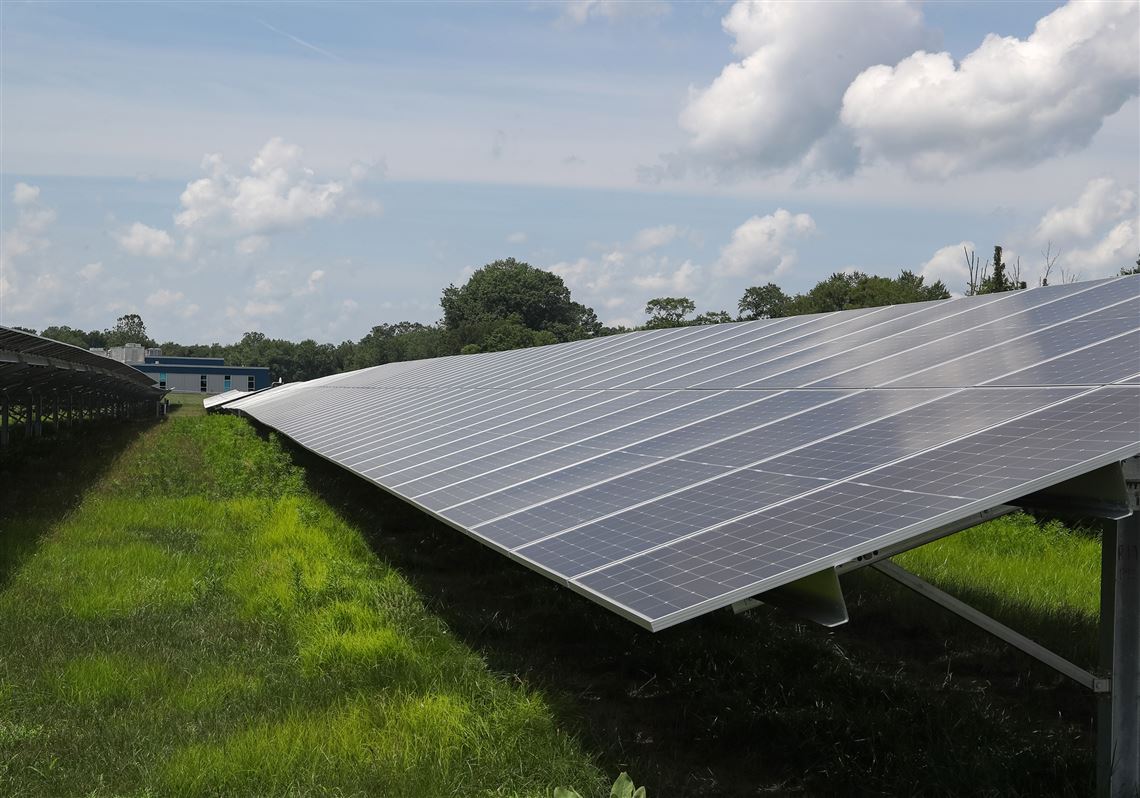
Other nations, particularly in Europe, have faced similar challenges with war-driven energy price hikes. Many European Union countries, having proactively expanded their renewable energy capacity in recent years, have demonstrated a greater resilience to steep increases in electricity costs. This approach underscores the potential for alternative energy sources to mitigate the impact of geopolitical instability. Activist Bill McKibben aptly noted the inherent advantage of renewable sources like solar power, highlighting that its energy travels millions of miles without traversing volatile geopolitical regions. In contrast, the U.S. has experienced policy shifts that have created a pendulum swing in its approach to renewables, often tied to changes in political administrations.
The Road Ahead for Consumers
The confluence of international conflict and domestic energy strategy presents a challenging outlook for American consumers facing high gas prices. The reliance on fossil fuels, coupled with the ongoing volatility in global oil markets, suggests that relief at the pump may not be immediate. While the U.S. has strengthened its position as a significant oil and gas producer, its vulnerability to global price fluctuations remains. The debate over energy policy, particularly concerning the pace of transition to renewable sources, is likely to intensify as the economic consequences of current events continue to unfold.
The bottom line
- U.S. gasoline prices have risen significantly due to geopolitical events and domestic policy.
- The Strait of Hormuz closure contributes to global oil market volatility.
- Domestic U.S. oil and gas production has increased, but reliance on global markets persists.
- Policies favoring fossil fuels have been implemented while renewable energy initiatives have been curtailed.
- International examples suggest renewable energy can buffer against price shocks.
- Consumers face continued uncertainty regarding fuel costs amid complex global and domestic factors.


Lakers Face Thunder Without Doncic as Referee Controversy Shadows Game 1

Ted Turner, Media Mogul and Philanthropist, Dies at 87

Hurricanes Stun Flyers in Overtime to Take 2-0 Series Lead
