Colorado's Snow Offers Reprieve but No Cure for Historic Drought
A storm system is set to bring up to 13 inches of snow to the mountains, but forecasters warn the moisture will barely dent severe drought conditions.
UNITED STATES —
Key facts
- Nearly the entire Western Slope of Colorado is under extreme (Level 3) or exceptional (Level 4) drought.
- The northwest corner of Colorado faces some of the worst drought conditions in the United States.
- Meeker, Colorado, has received only one-quarter of its normal liquid precipitation for this time of year.
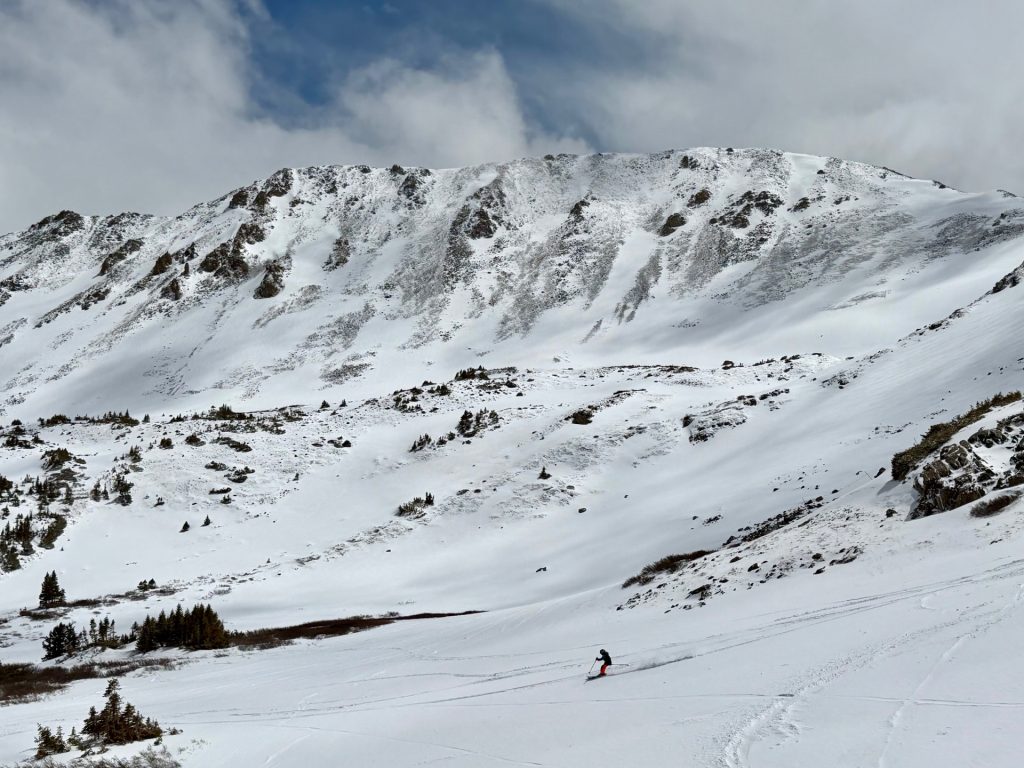
- A storm on Thursday and Friday could bring 5 to 13 inches of snow to the Front Range and Mosquito Range.
- The snow-water equivalent from this week's precipitation is up to 1 inch in some mountain areas.
- Colorado's precipitation this April is about average, but the drought is so severe that it will hardly make a dent.
- Long-term forecasts indicate slightly wetter but hotter conditions over the next two weeks.
A Storm Brings Measurable Snow, but Drought Persists
A winter storm moving into Colorado from the south on Thursday and Friday is expected to deliver measurable snow to the mountains, with accumulations of 5 to 13 inches forecast for the Front Range and Mosquito Range. The National Weather Service has warned drivers to exercise caution, particularly along the I-70 corridor near Vail Pass, where snowfall could create slick roads. Thunderstorms are also possible. Yet the moisture, while welcome, will do little to alleviate the severe drought gripping the state. Lucas Boyer, a meteorologist with the National Weather Service, said the snow-water equivalent from this week's precipitation has reached up to 1 inch in some areas — roughly average for April. But the drought conditions are so extreme that the precipitation will hardly make a dent. “The truth of the matter is that we’ve been so dry that it does feel wet right now,” Boyer said. “But it’s not going to be enough to move the needle because this is not a storm that has excessive amounts of water wrapped up in it.”
Historic Dryness and Record-Low Precipitation
Colorado has endured a historically hot and dry winter, leaving the state with widespread drought. The U.S. Drought Monitor shows nearly the entire Western Slope under extreme (Level 3 of 4) or exceptional (Level 4 of 4) drought conditions. The northwest corner of Colorado is facing some of the worst drought in the entire country. In Meeker, a small town in the northwest, the amount of liquid precipitation for this time of year is 3 inches below normal — roughly one-quarter of what is typical. Other areas on the Western Slope, such as Aspen, are faring slightly better, with precipitation only about 30% below average. Still, Boyer noted, they have a long way to go to recover from the drought. The recent pattern of wetter, cooler weather is expected to continue into early May, offering relief but not real healing. Boyer said Colorado is expected to keep trending slightly wetter, but also hotter, over the next two weeks.
Fire Danger Temporarily Eased, but Not Eliminated
The moisture from the snow and rain has provided a temporary reprieve from critical fire weather conditions. Boyer explained that the ground moisture is keeping relative humidity up, and the lack of a big storm that would break down the high-pressure system means strong winds have not materialized. “We’re just getting a reprieve, at least, from the critical fire weather conditions because we have a little bit of moisture on the ground keeping our relative humidity up,” he said. “We haven’t had a big storm come through, per se, where we break down the high pressure system, and then get those big winds either. So that keeps critical fire weather at arm’s reach, too. Without those winds.” However, the reprieve is fragile. Boyer emphasized that it is far from certain that the wetter weather will continue to hold fire danger at bay. The long-term forecast points to hotter conditions, which could quickly dry out the landscape and elevate fire risk again.
Scattered Showers and Unsettled Weather Ahead
After the main storm passes, some scattered rain and snow showers could continue through the weekend. Another period of unsettled weather appears likely to begin around Monday, Boyer said. This pattern suggests that Colorado will see intermittent moisture in the coming days, but no single storm is expected to deliver the heavy precipitation needed to significantly improve drought conditions. The storm system moving in from the south is not carrying excessive amounts of water, Boyer noted. While the mountains may pick up a few inches of snow, the overall water content is limited. The cumulative effect of multiple small storms may provide some benefit, but the state remains in a deep moisture deficit.
Long-Term Outlook: Wetter but Hotter, with Uncertain Fire Risk
Looking ahead, Boyer said Colorado is expected to trend slightly wetter over the next two weeks, but also hotter. This combination could prove problematic: while additional moisture would help, higher temperatures increase evaporation and can exacerbate drought conditions. The state's water supply, already strained, will not see meaningful recovery without a sustained period of above-average precipitation. Everyone in Colorado is hopeful that the wetter weather continues to hold fire danger at bay, Boyer said, but he cautioned that it is far from certain. The state remains in a precarious position, with the potential for a severe fire season if dry and windy conditions return. For now, the snow and rain offer a brief respite, but the underlying drought persists, demanding vigilance and long-term solutions.
The bottom line
- Colorado's drought remains severe, with the Western Slope under extreme to exceptional conditions and the northwest corner among the worst in the U.S.
- A storm system will bring 5 to 13 inches of snow to the mountains, but the moisture is insufficient to alleviate the drought.
- Meeker has received only 25% of normal precipitation; Aspen is about 30% below average.
- The wetter weather provides a temporary reprieve from critical fire conditions, but hotter temperatures in the forecast could quickly reverse that.
- Scattered showers and unsettled weather are expected through the weekend and into next week, but no major storm is on the horizon.
- Long-term forecasts show a trend toward slightly wetter but hotter conditions, leaving the drought outlook uncertain.


Pistons Rally from 24-Point Deficit to Force Game 7 Against Magic
Houston Braces for More Storms After Flood Watch Canceled; Rescue Underway in Brays Bayou
Houston Braces for Friday Flooding as Storm Alert Issued; Weekend Reprieve Ahead
