France's Labour Day Battle: Unions Resist Government Plan to Let Bakers and Florists Open
As the 1 May holiday approaches, the government proposes shielding artisan businesses from fines if staff volunteer and receive double pay, but unions demand strict enforcement of the mandatory closure.

SOUTH AFRICA —
Key facts
- 1 May is the only French public holiday that is both non-working and paid for almost everyone.
- The government wants to protect artisan bakers and florists from penalties in 2026 if staff volunteer to work and are paid double time.
- Courts have rejected automatic exemptions for bakers and florists since 2006.
- Labour Minister Jean-Pierre Farandou presented a bill on Wednesday concerning a 2027 law on branch agreements.
- France's five biggest trade unions reject the bill outright and demand strict enforcement of the holiday closure.
- Labour Day was declared internationally in 1889 after the Haymarket riot in Chicago.
- Those who open risk fines from labour inspectors under current law.
A Holiday Under Pressure
French unions are mobilising for Labour Day on Friday, defending the status of 1 May as a paid day off, as the government pushes to allow some businesses to open. The battle comes as inflation and fuel costs stoke calls for salary increases. Labour Day on 1 May holds a unique status in France as the only public holiday that is "férié et chômé" – non-working and paid for almost everyone.
The Government's Proposal
The government wants to clarify this grey area for this year's holiday without fully rewriting the rules, ahead of introducing a law in 2027 setting formal branch agreements on consent and pay. It proposes protecting these artisans from penalties in 2026 if staff working on 1 May have volunteered to do so and are paid double time. When Labour Minister Jean-Pierre Farandou presented a bill on Wednesday concerning the 2027 law, he called for "collective wisdom" when it came to skipping fines this year.
Unions Reject the Bill
France's five biggest trade unions, however, reject the bill outright and are demanding strict enforcement of the holiday closure for all but essential services. The unions view any erosion of the holiday as a threat to broader workers' protections. Rooted in the labour movement, Labour Day was declared internationally in 1889 after Chicago's Haymarket riot, when a bomb killed several people during a strike for an eight-hour working day.
The Artisan Dilemma
This year’s controversy concerns artisan bakers and florists, some of whom open to sell bread and bouquets of lily of the valley flowers – traditionally given to friends and family on 1 May in France to celebrate the arrival of spring and as a symbol of good luck. Those who open risk fines from labour inspectors, as current French law permits work on Labour Day only for indispensable activities, such as in hospitals or continuous production. Courts have rejected automatic exemptions to the mandatory closures for bakers and florists since 2006.
Stakes for Workers' Rights
The holiday symbolises respect for workers, and unions view any erosion of it as a threat to broader protections. Workers' rights in free fall as unions face unprecedented attacks, report warns. The government's proposal is seen by unions as a step toward normalising work on a day that has been sacrosanct for over a century.
What Comes Next
The government plans to introduce a law in 2027 that would set formal branch agreements on consent and pay for work on Labour Day. Until then, it proposes a temporary shield for artisans who comply with voluntary work and double pay. The unions have vowed to resist any change, setting the stage for a confrontation on the streets this Friday.
The bottom line
- France's 1 May holiday is unique as a mandatory paid day off for almost all workers.
- The government proposes allowing bakers and florists to open if staff volunteer and receive double pay, with no fines in 2026.
- Unions reject the proposal, demanding strict enforcement of the closure for all but essential services.
- Courts have consistently denied automatic exemptions for bakers and florists since 2006.
- A new law is planned for 2027 to formalise branch agreements on consent and pay for Labour Day work.
- The dispute reflects broader tensions over workers' rights amid inflation and fuel costs.

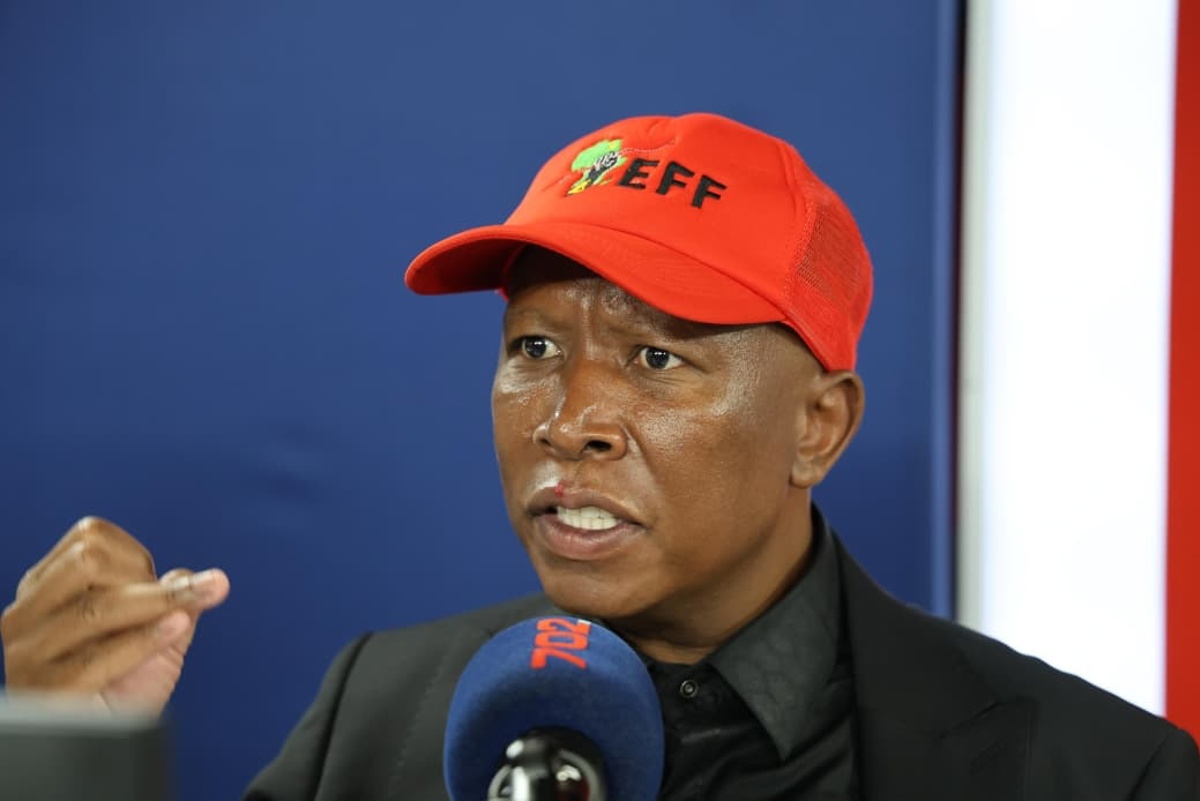
Julius Malema demands R1 million and apology from Ngizwe Mchunu over drug dealer claims