African Plate: the story explained
At the Turkana Rift, the African and Somali plates are drifting apart at a rate of about 4.7 millimeters per year.
SOUTH AFRICA —
At the Turkana Rift, the African and Somali plates are drifting apart at a rate of about 4.7 millimeters per year. African Plate has emerged this Friday as one of the stories drawing attention in South Africa.
Key facts
- At the Turkana Rift, the African and Somali plates are drifting apart at a rate of about 4.7 millimeters per year.
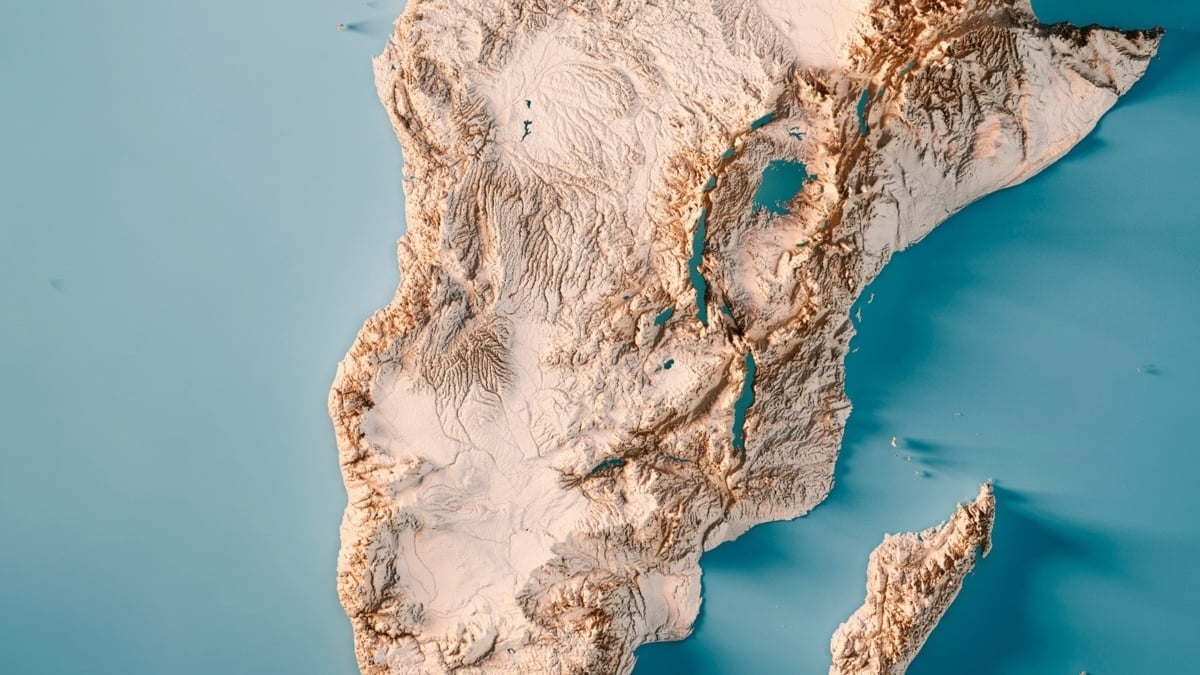
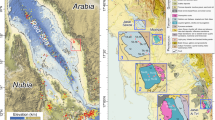
- This rift is part of the larger East African Rift System, which runs from the Afar Depression in northeastern Ethiopia to Mozambique in the south, with the African tectonic plate on one side and the Arabian and Somali plates on the other.
- This study indicates that the East African Rift System in northern Kenya may be closer to breaking apart than previously thought and that its development played an important role in the preservation of the hominin fossil record.
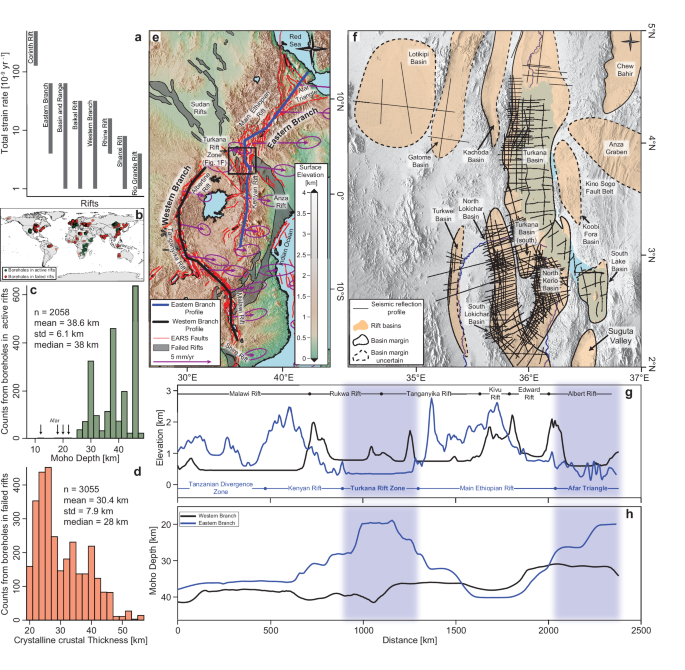
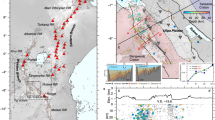
- High-resolution seismic data from the Turkana Rift Zone of the East African Rift System (EARS) reveal the rift’s subsurface structure.
- Geologists have discovered that the African continent will split apart sooner than we thought.
What we know
Going deeper, this rift is part of the larger East African Rift System, which runs from the Afar Depression in northeastern Ethiopia to Mozambique in the south, with the African tectonic plate on one side and the Arabian and Somali plates on the other.
On the substance, this study indicates that the East African Rift System in northern Kenya may be closer to breaking apart than previously thought and that its development played an important role in the preservation of the hominin fossil record.
Beyond the headlines, High-resolution seismic data from the Turkana Rift Zone of the East African Rift System (EARS) reveal the rift’s subsurface structure.
More precisely, Geologists have discovered that the African continent will split apart sooner than we thought.
It is worth noting that the African plate is currently splitting into two: the massive Nubian plate to the west, which contains most of the continent; and the smaller Somali plate, which contains much of the eastern coast and the island of Madagascar.
By the numbers
At this stage, However, the slow crustal-stretching rates and >20-km deep mantle beneath many active rifts worldwide suggest that present-day breakup may not be imminent.
On a related note, here, we show that Turkana’s crystalline crust has thinned to ~13 km along the rift axis, revealing an active rift undergoing crustal necking.
Going deeper, Onset of necking is constrained to ~4 Ma and facilitated the accumulation of Turkana’s world-famous fossil record of human evolution.
On the substance, Tectonic plate divergence along continental rifts and the resulting breakup of stretching continents play an important role in shaping the Earth’s periodic dispersal cycles, the evolution of biota, landscapes, and climate throughout Earth history1,2.
What they're saying
“We’ve reached that critical threshold” of crustal breakdown, says Anne Bécel, a geophysicist at Lamont and co-author of the study. “We think this is why it is more prone to separate.”
The wider context
On a related note, In most active continental rifts, the modeled total strain rate9 derived from geodetic data is <65 × 10⁻⁹ yr⁻¹, excluding the Corinth Rift (Greece), which lies in the upper plate of a subduction system (Fig.
Going deeper, here, we investigate the Turkana Rift Zone (TRZ) in Kenya, which hosts the shallowest Moho depth12 in the interior of the slowly-stretching East African Rift System (EARS) (Fig.
On the substance, Conventional geodynamic models suggest that rift zones located farther from the rotation pole mature earlier due to higher plate velocities31.
Beyond the headlines, the TRZ, situated closer to the Nubia–Somalia Euler pole, experiences slower plate velocities than the Main Ethiopian Rift (MER)32.
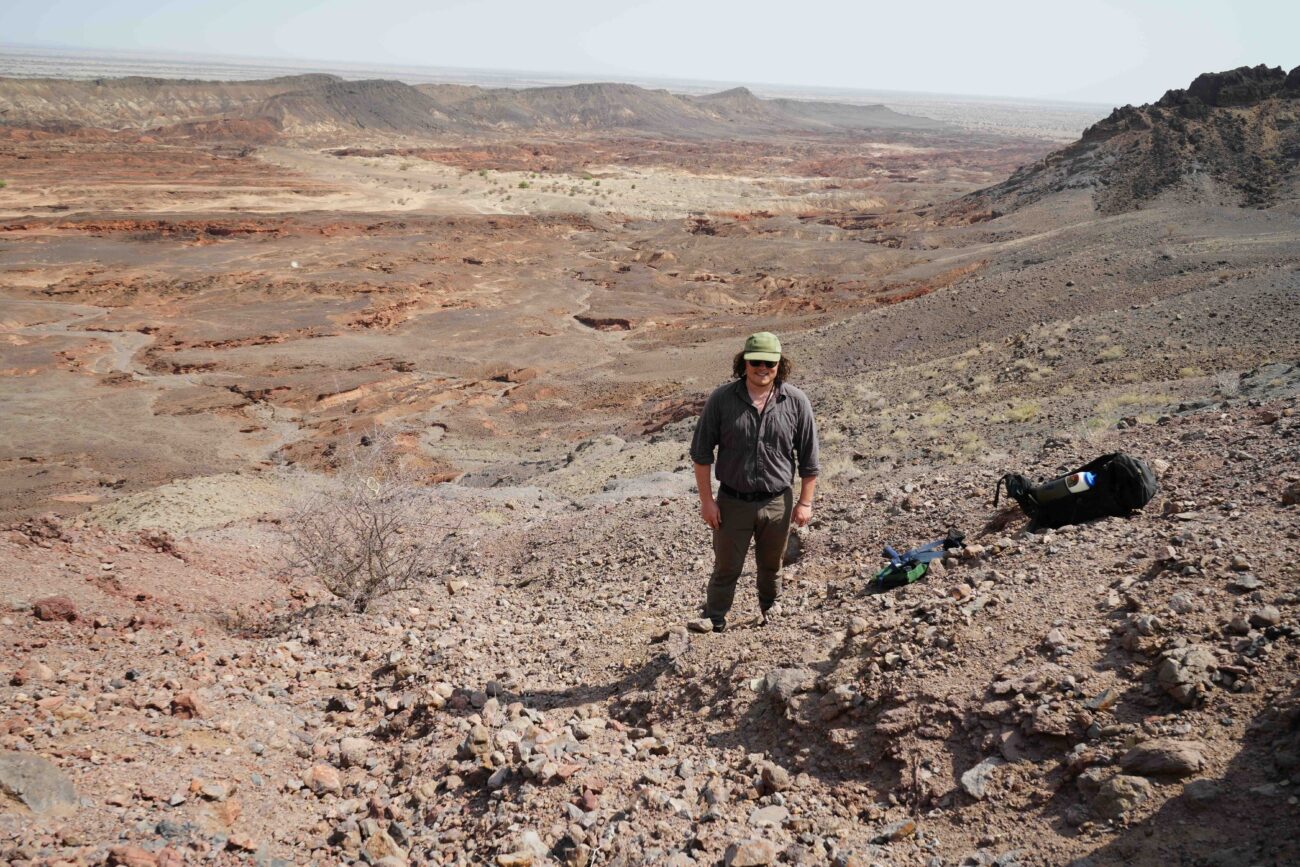
More precisely, Researchers have found that Earth’s underlying crust in the Turkana Rift region has been significantly thinned, presaging Africa’s eventual breakup—and with that finding, the researchers offer a new perspective on Turkana’s fossil record of human evolution.
The bottom line
- This rift is part of the larger East African Rift System, which runs from the Afar Depression in northeastern Ethiopia to Mozambique in the south, with the African tectonic plate on one side and the Arabian and Somali plates on the other.
- This study indicates that the East African Rift System in northern Kenya may be closer to breaking apart than previously thought and that its development played an important role in the preservation of the hominin fossil record.
- The African plate is currently splitting into two: the massive Nubian plate to the west, which contains most of the continent; and the smaller Somali plate, which contains much of the eastern coast and the island of Madagascar.

Queen Camilla: the story explained

Nasreddine Nabi: everything we know so far
/https%3A%2F%2Fsportsmole-media-prod.s3.gra.io.cloud.ovh.net%2Fuploads%2F2025%2F10%2Fucar-68f16b152a7a0637638803.jpg)
Rizespor vs Konyaspor explained: the release driving the conversation