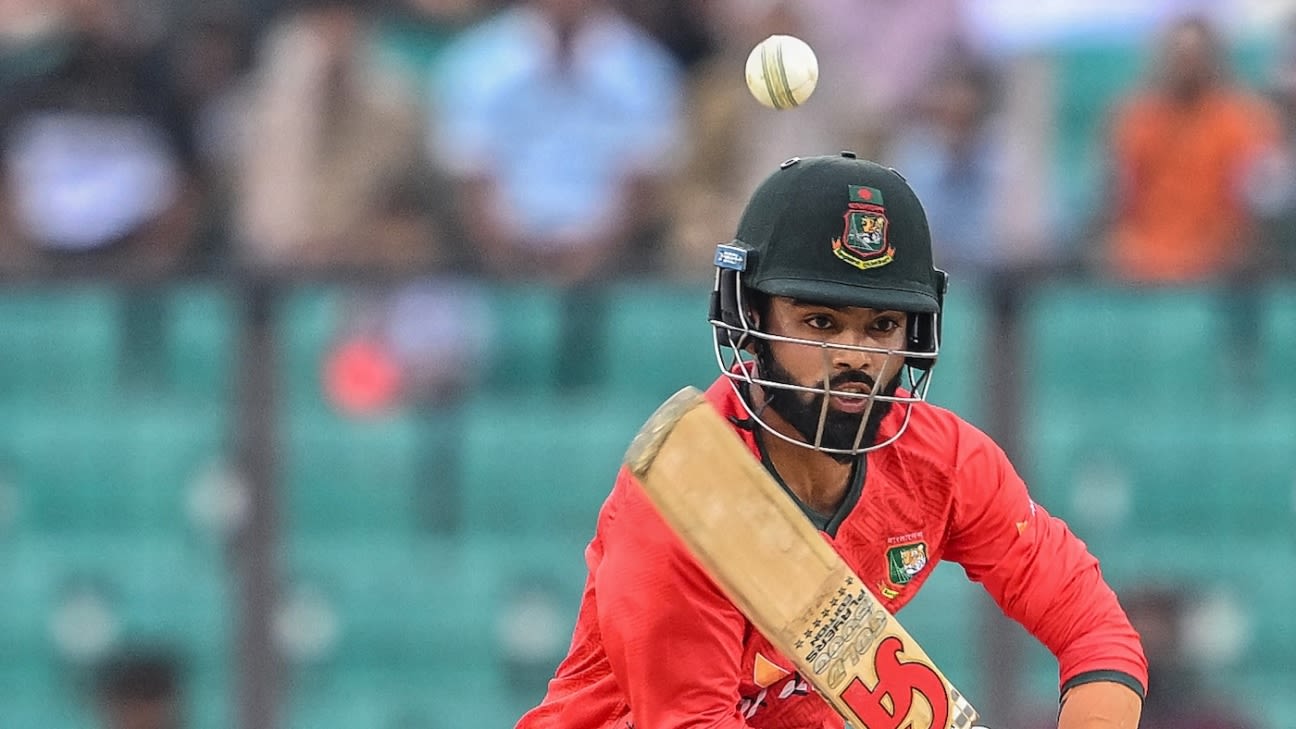
Sri Lanka Government Takes Control of Cricket Board Amid Corruption Allegations and Reforms
The interim committee, led by former MP Eran Wickramaratne, includes cricket legends Kumar Sangakkara and Roshan Mahanama, aiming to overhaul the sport from grassroots to governance.

SOUTH AFRICA —
Key facts
- Sri Lanka's government took control of Sri Lanka Cricket (SLC) on Wednesday, citing temporary administrative oversight for structural reforms.
- Four-time SLC President Shammi Silva resigned on Tuesday along with his entire committee after government intervention.
- The International Cricket Council (ICC) suspended Sri Lanka for two months in 2023-2024 over political interference.
- Sri Lanka made an early exit from the T20 World Cup co-hosted with India in February-March.
- Eran Wickramaratne, a former MP and investment banker, was appointed interim chairman by Sports Minister Sunil Kumara Gamage.
- The interim panel includes former captains Kumar Sangakkara, Roshan Mahanama, and former opener Sidath Wettimuny.
- The ICC had previously banned an interim committee appointed by former Sports Minister Roshan Ranasinghe in 2023, recognizing the ousted board instead.
Government Steps In
Sri Lanka’s government has taken control of the country’s cricket board, describing the move as a temporary measure to pave the way for structural reforms. The Ministry of Youth Affairs and Sports announced on Wednesday that all administrative functions of Sri Lanka Cricket (SLC) would be brought under its purview effective immediately. A committee will be appointed shortly to address current issues and implement reforms, the ministry stated. SLC, the nation’s wealthiest sporting body, has been plagued by allegations of corruption and mismanagement for years.
Resignation of Shammi Silva and Board
Four-time SLC President Shammi Silva resigned on Tuesday, along with his entire executive committee, following government intervention. The resignation came amid growing criticism over governance issues, financial concerns, and a dip in the national team’s performances. Sri Lanka’s early exit from the T20 World Cup, which it co-hosted with India in February-March, is widely seen as a key factor prompting the change. The national team’s poor showing intensified public and political pressure for accountability.
Interim Committee and Its Mandate
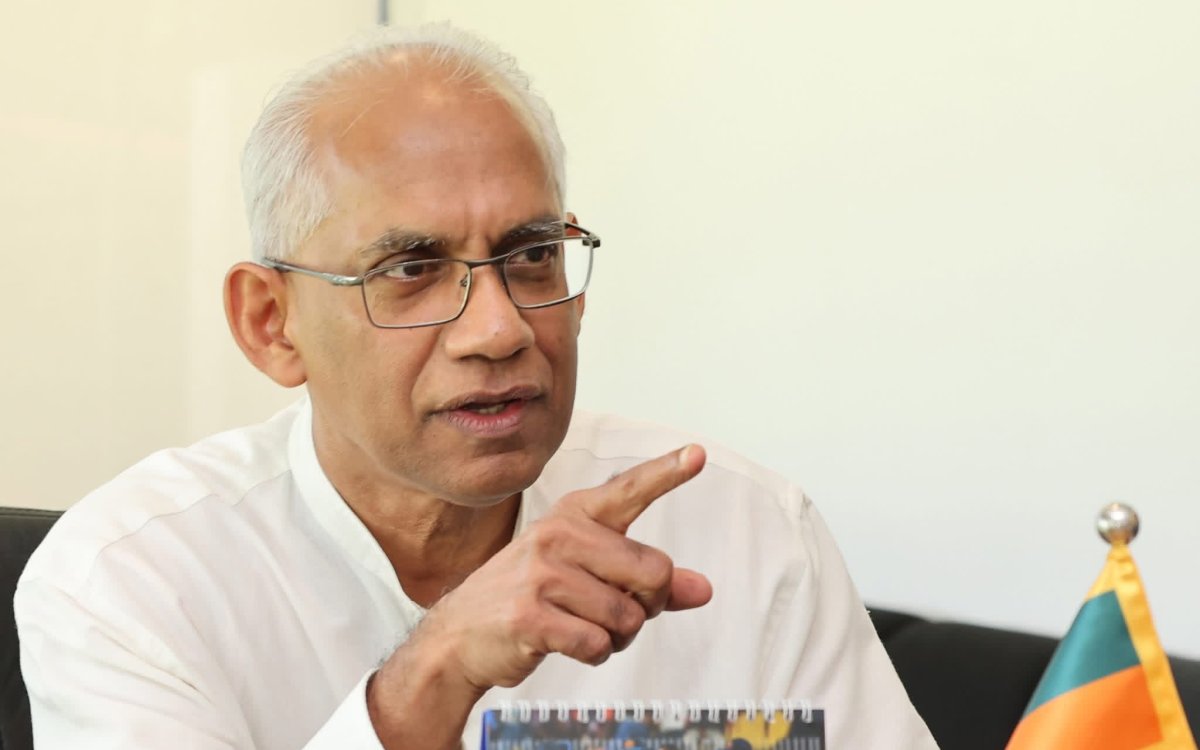
Sports Minister Sunil Kumara Gamage appointed former Member of Parliament and investment banker Eran Wickramaratne as interim chairman of SLC. Wickramaratne asserted that the administrative overhaul is aimed purely at revitalising cricket across all levels, dismissing any notion of political interference. “We are here mainly tasked with how to develop the cricket sport in the country from the very school periphery to the clubs extending to the district level as well as women’s cricket, where we intend to give our full backing towards that end,” Wickramaratne said in an SLC release. He emphasized that the committee’s focus remains strictly on fulfilling assigned responsibilities rather than pursuing individual agendas.
Inclusion of Cricket Legends
The interim panel includes several prominent cricketing and administrative figures, such as former captains Kumar Sangakkara and Roshan Mahanama, along with former opener Sidath Wettimuny. Professionals from finance, law, and governance also join the committee. Wickramaratne highlighted the collective expertise within the group as a key strength, noting that it covers cricket-savvy personnel as well as highly qualified professionals from administration, finance, and law. The diverse composition aims to restore credibility and drive comprehensive reforms.
Background of Political Interference and ICC Suspension
The shake-up comes after a turbulent period for Sri Lanka Cricket. In 2023, the ICC suspended Sri Lanka for two months, citing political interference in the running of the national board. The suspension and the relocation of the Under-19 World Cup raised serious concerns about governance standards. Earlier, in 2023, then-Sports Minister Roshan Ranasinghe removed the Cricket Board and Chairman Shammi Silva, but the decision was challenged in court. The ICC banned the interim committee appointed by Ranasinghe, recognizing the ousted board’s legitimacy instead. The crisis deepened when former captain Arjuna Ranatunga alleged that ICC Chairman Jay Shah had protected Silva to preserve his influence, a claim that led then-President Ranil Wickremesinghe to personally apologize to Shah.
Political Dynamics and India’s Role
The current transition will be closely watched by the ICC, particularly in determining whether the changes constitute administrative reform or political involvement. The government’s move follows a period of political maneuvering: after the JVP-NPP came to power in 2024, there was no immediate action against Silva, despite voter expectations for his removal. Reports indicate that President Anura Kumara Dissanayake summoned Silva and asked him to step down, with India’s approval for the removal already secured. This contrasts with the previous administration’s inability to secure such approval, suggesting a stronger bond between Dissanayake and India. The opposition and ruling party had earlier supported a parliamentary motion to remove Silva, but former President Ranil Wickremesinghe invoked Indian pressure to prevent the ruling party from following through.
Outlook and Challenges Ahead
The interim committee faces the daunting task of restoring trust in Sri Lanka Cricket while navigating the delicate balance between reform and political interference. The ICC’s reaction will be pivotal: if it deems the government’s actions as political meddling, another suspension could follow, further isolating Sri Lankan cricket. Wickramaratne’s team must also address the national team’s declining performance, financial mismanagement, and grassroots development. The inclusion of respected cricket figures like Sangakkara and Mahanama may help rebuild credibility, but the shadow of past controversies looms large. The coming months will test whether this overhaul can deliver the promised structural reforms or become another chapter in Sri Lanka cricket’s long struggle with governance.
The bottom line
- The Sri Lankan government has temporarily taken over SLC’s administrative functions to implement structural reforms after the resignation of Shammi Silva and his board.
- The interim committee, led by Eran Wickramaratne, includes cricket legends Kumar Sangakkara, Roshan Mahanama, and Sidath Wettimuny, aiming to overhaul cricket from grassroots to governance.
- The ICC had previously suspended Sri Lanka for political interference in 2023-2024 and banned an earlier interim committee, recognizing the ousted board.
- Political dynamics, including India’s influence, have played a significant role in the board’s leadership changes, with President Dissanayake reportedly securing India’s approval for Silva’s removal.
- The national team’s early exit from the T20 World Cup and longstanding corruption allegations were key triggers for the government’s intervention.
- The ICC will closely monitor the transition to determine if it constitutes legitimate reform or political interference, which could lead to further sanctions.


Digne's handball gifts Forest narrow Europa League semi-final first-leg win
RCB's Fearsome Batting Faces GT's Death-Overs Woes in Crucial IPL Clash
Ipswich Return to Premier League After One-Year Absence as Championship Season Ends in Dramatic Fashion