Delta Air Lines Overhauls Short-Haul Service: 450 Flights Lose All Cabin Service, 600 Gain Full Beverage Service
The carrier eliminates inflight service on flights under 350 miles while expanding full drink offerings on routes between 350 and 499 miles, affecting hundreds of daily departures from May 19.
SOUTH AFRICA —
Key facts
- Changes take effect May 19, 2026.
- Flights up to 349 miles will have no inflight service in economy or Delta Comfort.
- Flights of 350 miles or more will receive a full beverage service.
- Approximately 450 daily flights lose all inflight service.
- Approximately 600 daily flights gain a full beverage service.
- Delta First class retains full service on all flights regardless of distance.
- Current service bands: no service under 250 miles; express service (coffee, tea, water, limited alcohol in Comfort) 251-499 miles; full service 500+ miles.
A New Distance-Based Service Map
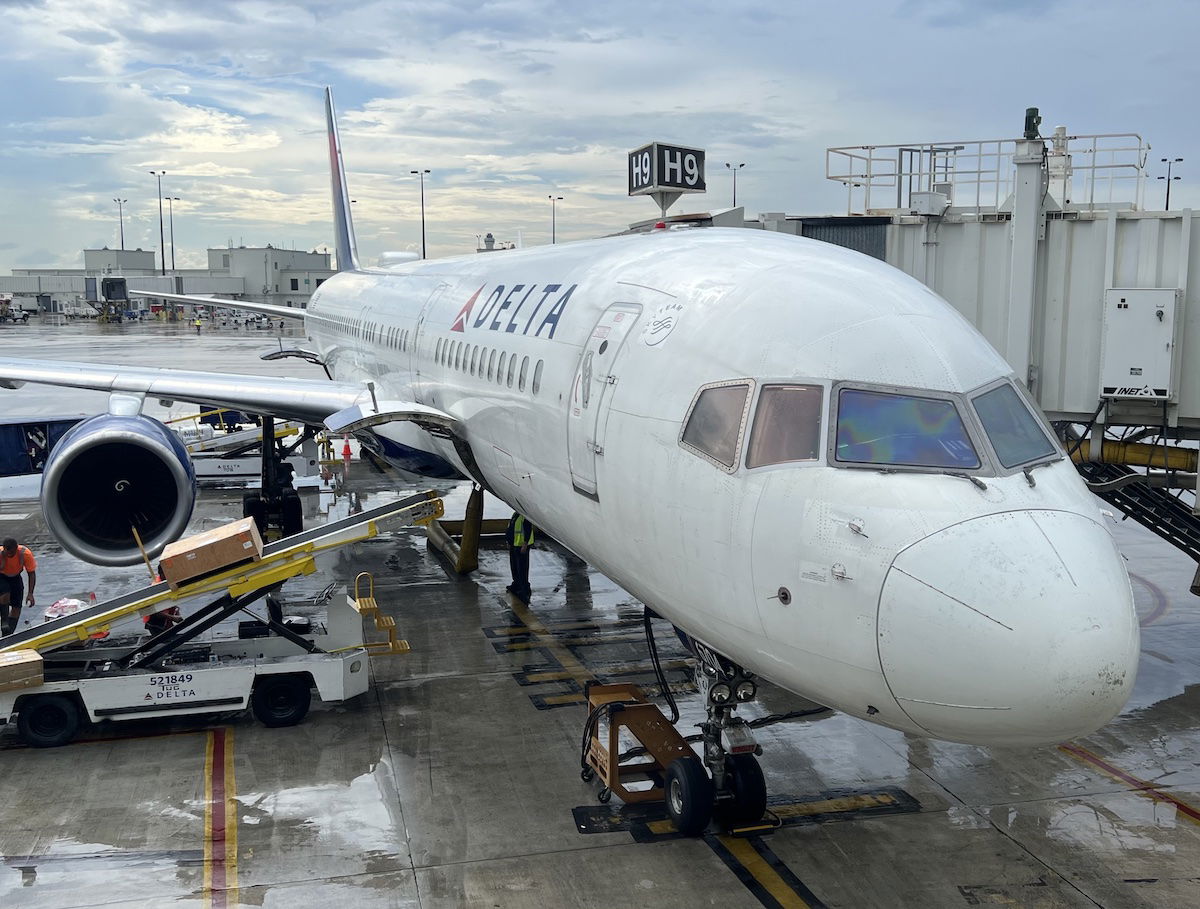
Delta Air Lines is redrawing its inflight service boundaries for short-haul flights, a move that will strip cabin service from roughly 450 daily departures while adding full beverage service to about 600 others. The new policy, effective May 19, 2026, applies to Delta Main Cabin and Delta Comfort passengers; first-class travelers will continue to receive full service on every flight regardless of distance. The airline is replacing its current three-tier distance bands — no service under 250 miles, express service from 251 to 499 miles, and full service at 500 miles or more — with a simpler two-tier system. Under the new rules, flights of up to 349 miles will have no inflight service whatsoever, while flights of 350 miles or longer will offer a full beverage service. The change means that routes between 251 and 349 miles lose the express service they previously received, while routes between 350 and 499 miles gain a full beverage service that was previously unavailable. Delta has not disclosed which specific routes will be affected, but the shift touches hundreds of daily flights across its network.
The Rationale: Turbulence, Flight Time Variability, and Cost Pressures
Delta’s decision comes amid rising jet fuel costs and ongoing scrutiny of the airline’s expenses. The carrier has faced public questions about executive compensation — CEO Ed Bastian received a $27 million bonus even as the airline cut snacks and canceled flights — and this service adjustment is the latest in a series of cost-saving measures. Operational challenges on very short flights also played a role. Turbulence can make it difficult for crew to perform service on flights lasting as little as 40 minutes, and actual flight times for a given distance can vary significantly depending on runway assignments and air traffic control. A 300-mile flight might take 40 minutes or 60 minutes, making consistent service delivery difficult. By eliminating service on flights under 350 miles, Delta removes the need to stock and staff those flights for any cabin service, reducing weight, fuel burn, and crew workload. At the same time, standardizing full beverage service on flights of 350 miles or more simplifies training and inventory management.
The Numbers: Winners and Losers in the New Service Bands
The net effect of the change is a trade-off: approximately 450 daily flights will lose all inflight service, while about 600 daily flights will gain a full beverage service. The 450 losing flights are those in the 251-349 mile range that previously received express service — typically coffee, tea, water, and a limited selection of alcohol in Delta Comfort. The 600 gaining flights are those in the 350-499 mile range that previously received no service or only express service. Delta has not provided a breakdown of how many flights fall into each distance band, but the numbers suggest that the carrier operates roughly 1,050 daily flights between 251 and 499 miles. The new policy effectively shifts the service threshold from 250 miles to 350 miles, creating a larger no-service zone but a smaller express-service zone. The airline emphasized that first-class passengers are unaffected, and that the changes only apply to economy and extra-legroom economy cabins. Delta Comfort passengers on flights under 350 miles will lose the limited alcohol selection they previously received, while those on flights over 350 miles will gain access to the full drink menu.
Industry Context: A Broader Trend of Service Reductions
Delta is not alone in rethinking inflight service on short routes. Across the U.S. airline industry, carriers have been trimming amenities on domestic flights for years, citing cost pressures and changing passenger expectations. Free meals have largely disappeared from economy class on domestic flights, and many airlines now offer only snacks and beverages on all but the longest routes. The move comes as Delta faces questions about its spending priorities. In recent months, the airline has canceled flights and scaled back services while awarding its CEO a $27 million bonus, drawing criticism from consumer advocates and some lawmakers. The service reduction on short flights is likely to reignite debate about whether airlines are balancing cost-cutting with passenger value. Delta has framed the change as a simplification that benefits both passengers and crew, arguing that a clear distance cutoff reduces confusion and allows for more consistent service. The airline noted that flight times can vary widely for the same distance, and that a rigid service schedule often leads to unmet expectations.
What Comes Next: Implementation and Passenger Reaction
The new service bands take effect on May 19, and Delta is expected to update its website and inflight materials to reflect the changes. Passengers booked on flights in the affected distance ranges will see their service experience change at the gate or onboard, depending on the specific route. Delta has not announced any changes to its service on flights under 250 miles, which already had no inflight service, or on flights over 500 miles, which already had full service. The only flights affected are those between 251 and 499 miles, with the dividing line set at 350 miles. Passenger reaction is likely to be mixed. Travelers on the 450 flights losing service may be disappointed, especially those on routes near the 350-mile threshold who were accustomed to receiving at least a beverage. Those on the 600 flights gaining full service will likely welcome the upgrade. Delta is betting that the overall simplification and the larger number of flights gaining service will outweigh the negative feedback from those losing it.
A Calculated Trade-Off in an Era of Rising Costs
Delta’s service overhaul reflects the difficult arithmetic of short-haul flying. With fuel prices elevated and margins thin on domestic routes, airlines are scrutinizing every cost, including the weight of beverage carts and the labor time required for cabin service. By eliminating service on flights under 350 miles, Delta saves on fuel, catering, and crew time, while the expanded service on longer short-haul flights may improve customer satisfaction on those routes. The move also highlights the tension between passenger expectations and airline economics. On a 340-mile flight that lasts less than an hour, many travelers might appreciate a cup of water, but the operational challenges and costs of providing that service are significant. Delta’s decision to draw a hard line at 350 miles is a pragmatic acknowledgment that not every flight can or should have cabin service. Whether the trade-off pays off will depend on how passengers vote with their wallets. Delta is betting that the clarity of the new system and the improved service on a larger number of flights will offset the disappointment of those who lose service entirely. For now, the airline is pressing ahead with the change, signaling that in the current environment, even small comforts on short flights are a luxury the carrier is no longer willing to provide.
The bottom line
- Delta eliminates all inflight service on flights under 350 miles, affecting about 450 daily departures.
- Flights between 350 and 499 miles gain full beverage service, benefiting about 600 daily flights.
- First-class service remains unchanged on all flights.
- The policy takes effect May 19, 2026, amid rising fuel costs and CEO bonus controversy.
- Delta cites turbulence, flight time variability, and cost pressures as reasons for the change.
- The overhaul simplifies service bands but removes express service on routes between 251 and 349 miles.

South African Police Issue Arrest Warrant for MP Fadiel Adams Over Murder Probe Interference

AC Milan’s Champions League Hopes Hinge on Sassuolo Clash as Inter Poised for Scudetto

Goalkeeper Error Costs Midtjylland as Viborg Snatch 3-3 Draw in Title Race
