May 2026 Brings Two Full Moons, Including a Rare Blue Micromoon
The month's first full moon, the Flower Moon, will appear slightly smaller than usual as a micromoon, while a second full moon on May 31 will be the year's most distant.
SOUTH AFRICA —
Key facts
- May 2026 features two full moons: the Flower Moon on May 1 and a Blue Moon on May 30-31.
- The Flower Moon on May 1 is a micromoon, occurring near apogee at about 406,000 km from Earth.
- The Blue Moon on May 30-31 will be the most distant full moon of 2026, at 406,135 km.
- The Eta Aquariid meteor shower peaks overnight May 5-6, with up to a few dozen meteors per hour in the Southern Hemisphere.
- Mars, Saturn, and the crescent moon align in the eastern sky before sunrise on May 12-13.
- The new moon on May 16 offers optimal conditions for viewing the Milky Way core.
- There is disagreement among sources: AstroPixels lists three full micromoons in 2026 (May 1, May 31, June 29), while Timeanddate.com lists two (May 31, June 29).
- A full micromoon appears about 7% smaller than an average full moon and 12-14% smaller than a supermoon.
A Month of Lunar Double Features
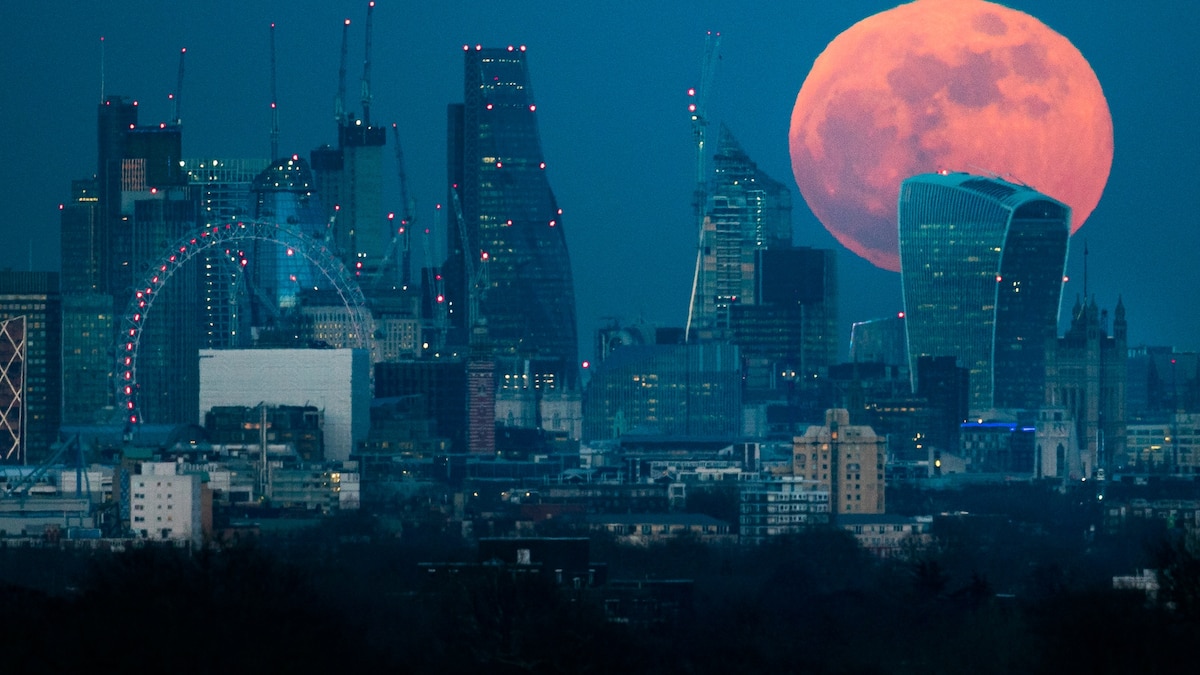
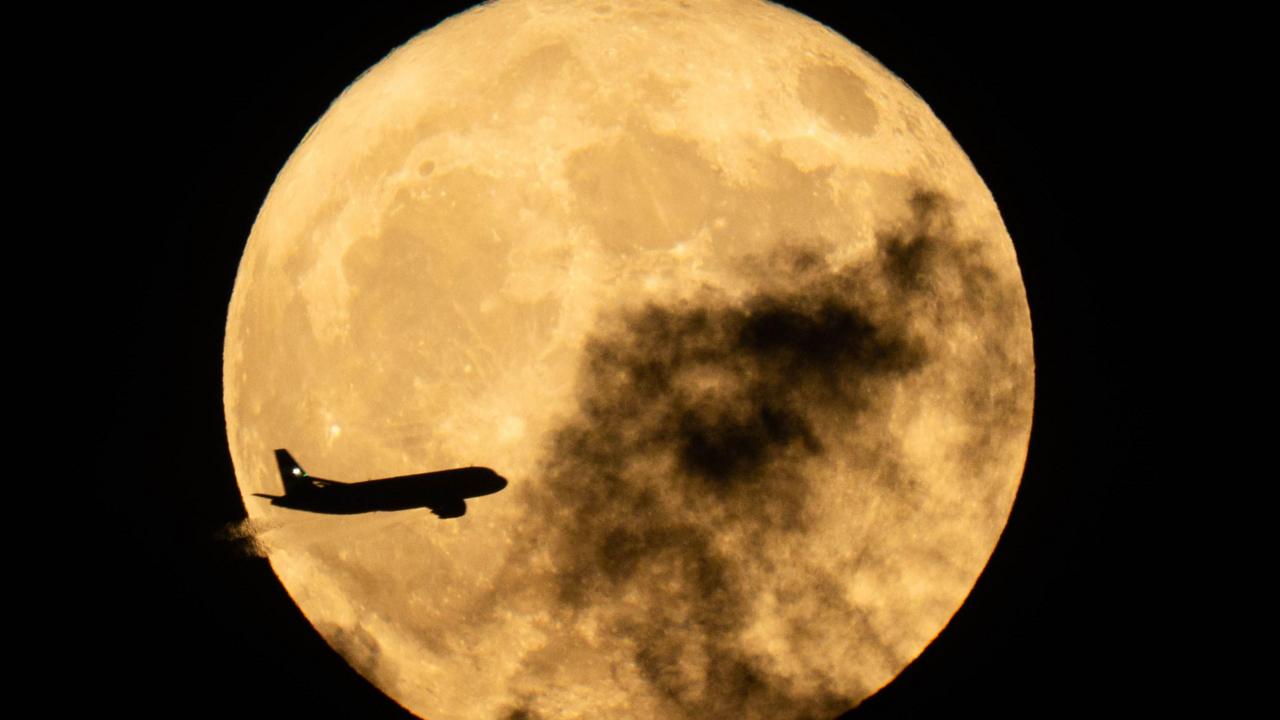
May 2026 offers stargazers an unusual celestial bounty: two full moons, the first of which is a micromoon and the second a rare Blue Moon. The month also hosts the peak of the Eta Aquariid meteor shower, a striking planetary alignment, and prime conditions for observing the Milky Way core. The first full moon, known as the Flower Moon for the spring blossoms, reaches peak illumination at 18:23 UTC on May 1. Because it occurs near apogee — the farthest point in the moon's elliptical orbit, roughly 406,000 kilometers (252,000 miles) from Earth — it qualifies as a micromoon, appearing slightly smaller and dimmer than average. The difference is barely perceptible to the naked eye but measurable in photographs.
The Blue Moon: A Second Chance at Month's End
Those who miss the Flower Moon will have another opportunity on May 30-31, when a second full moon rises — commonly called a Blue Moon. This full moon will be even more distant: 406,135 kilometers (252,360 miles) away, making it the most distant full moon of 2026. Its distance contrasts with the moon's average orbital distance of 384,472 kilometers (238,900 miles). Whether the Blue Moon qualifies as a micromoon depends on the definition used. The late Fred Espenak's AstroPixels website classifies it as a micromoon, as does Timeanddate.com. However, the two sources disagree on the Flower Moon: AstroPixels considers it a micromoon, while Timeanddate.com does not, citing a stricter threshold. Both agree that the full Strawberry Moon on June 29 will also be a micromoon, meaning 2026 may have either two or three full micromoons in a row.
Eta Aquariid Meteor Shower Peaks Under a Waning Moon
The Eta Aquariid meteor shower, active from April 19 to May 28, reaches its peak overnight on May 5-6. Known for fast, bright meteors and lingering trains, the shower can produce up to a few dozen streaks per hour, especially in the Southern Hemisphere. However, this year a waning gibbous moon will wash out all but the brightest meteors. Patient observers under dark skies may still catch a few, particularly in the pre-dawn hours.
Planetary Conjunction and Milky Way Viewing
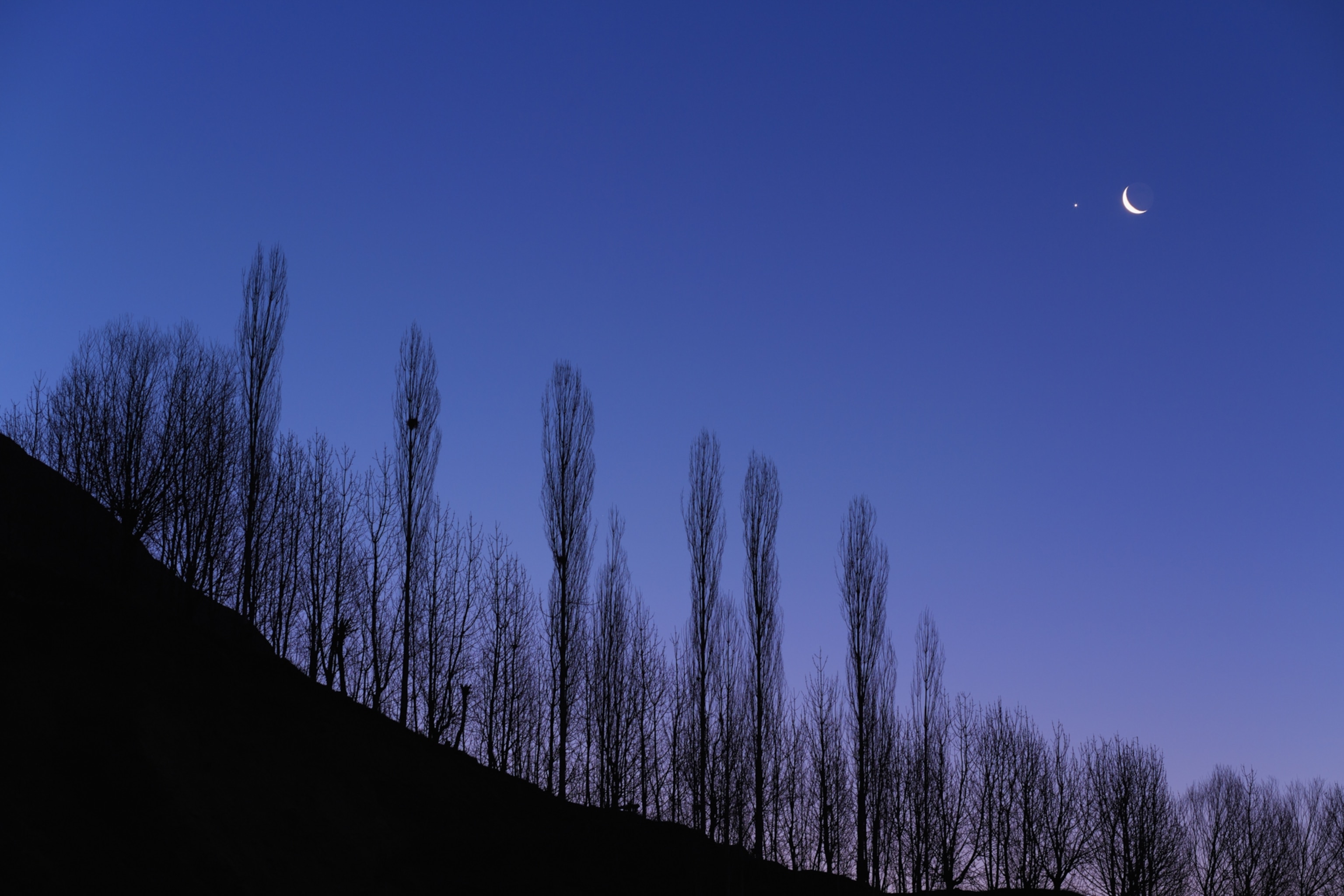
On the mornings of May 12 and 13, an hour before sunrise, Mars, Saturn, and a crescent moon will align almost perfectly in the eastern sky. The trio will appear roughly an hour before sunrise and climb higher before dawn. On May 14, they will form a pyramid shape with a dramatically thin lunar crescent. For the best view, observers should seek an unobstructed eastern horizon, such as a lake or hilltop. For Milky Way enthusiasts, the new moon on May 16 offers ideal conditions. With no lunar glow, the galactic center will shine at its brightest, especially from dark-sky locations like national parks. The core rises around 11 p.m. local time and remains visible until pre-dawn.
The Science of Micromoons and Orbital Mechanics
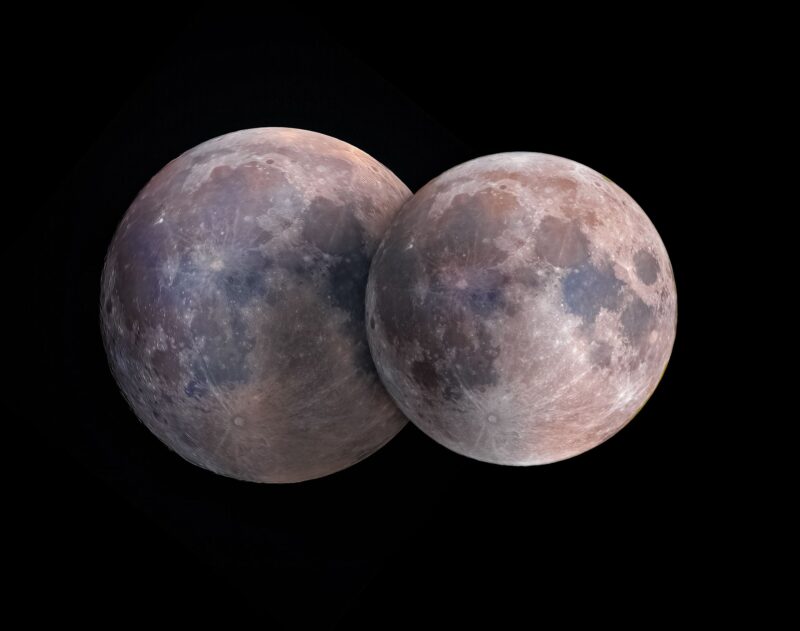
A micromoon occurs when a full or new moon coincides with apogee, the point in its elliptical orbit farthest from Earth. The moon's distance varies by about 43,000 kilometers (26,000 miles) between perigee and apogee. A full micromoon appears about 7% smaller than an average full moon and 12-14% smaller than a supermoon, which occurs near perigee. There is no strict definition of how close to apogee the moon must be to qualify as a micromoon, leading to discrepancies among sources. In 2026, a new micromoon will occur on December 9, at a distance of 404,687 kilometers (251,460 miles), the most distant new moon of the year.
What to Watch and When
May's celestial calendar offers multiple opportunities for observation. The Flower Moon on May 1 is best viewed at moonrise or moonset, when an optical illusion makes it appear larger and gives it a warm orange hue. The Eta Aquariid meteor shower peaks on May 5-6, though moonlight will reduce visibility. The planetary alignment on May 12-13 requires an unobstructed eastern horizon before sunrise. The new moon on May 16 is ideal for Milky Way photography. Finally, the Blue Moon on May 30-31 closes the month with the year's most distant full moon. Whether one considers the Flower Moon a micromoon or not, May 2026 offers a rich tapestry of night-sky events, from meteor showers to planetary conjunctions, all set against the backdrop of a rare double full moon.
The bottom line
- May 2026 has two full moons: the Flower Moon (May 1) and a Blue Moon (May 30-31).
- The Flower Moon is a micromoon, appearing slightly smaller due to its distance near apogee.
- The Blue Moon will be the most distant full moon of 2026, at 406,135 km.
- The Eta Aquariid meteor shower peaks May 5-6 but will be hampered by moonlight.
- Mars, Saturn, and the moon align before sunrise on May 12-13.
- The new moon on May 16 provides optimal conditions for Milky Way viewing.


Lakers on brink of historic collapse as Rockets force Game 6

Mega Millions Jackpot Swells to $178 Million for Friday Drawing; Winning Numbers Announced
/file/attachments/2991/LevyPooe_316209.jpeg)
Joburg and Cape Town Gear Up for a May Day Weekend of Culture, Comedy, and Music