Garden Route Dams Show Welcome Rise After Drought, But Caution Remains
Recent rains have boosted Western Cape water levels, offering relief to drought-stricken areas, yet authorities urge continued water conservation.
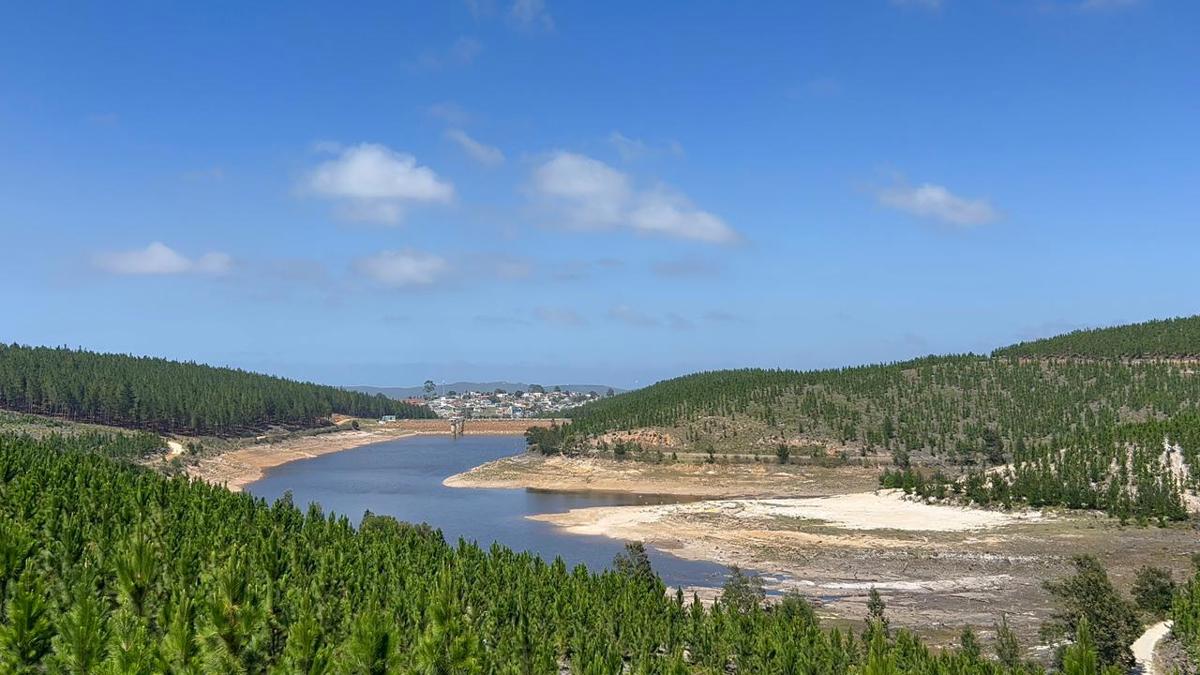
SOUTH AFRICA —
Key facts
- Haarlem Dam surged from 18% to 64% capacity.
- Western Cape dam levels rose to 44.94% on May 4.
- Theewaterskloof Dam is at 47.31% capacity.
- Gouritz River Catchment is at 52.23%, down 20.31% year-on-year.
- Cape Town's water supply system is at 47.78% capacity.
- Knysna's Akkerkloof Dam is at 23% capacity.
Rains Offer Respite to Parched Western Cape
Inclement weather across the Garden Route has brought a much-needed reprieve to the region's critically low water supplies. While heavy rains and cold conditions have caused localized flooding and damage in some communities, they have also significantly boosted dam levels that had languished at around 50% or below due to prolonged drought. The Gouritz River catchment, serving the Little Karoo, Central Karoo, and coastal areas, has seen a marked improvement. Rivers such as the Keurbooms River near Plettenberg Bay have risen by approximately five metres, and the Knysna River has increased by nearly three metres. The Piesang River has even overflowed, leading to localized flooding. Authorities have cited clear signs of recovery across the catchment. The Haarlem Dam, situated between Uniondale and Langkloof, has experienced a dramatic surge, rising from a mere 18% to 64% capacity. This dramatic increase offers a glimmer of hope for water security in a region that has battled severe water scarcity.
Provincial Dams Show Modest Gains Amidst Lingering Deficits
The Western Cape's overall dam system registered 44.94% capacity on May 4, a slight increase of 0.67% from the previous week. However, this figure remains substantially lower than the 55.34% recorded for the same period in 2025. This deficit is attributed to a hot, dry summer and below-average winter rains in the preceding year. The Cape Town water supply system, comprising six major dams including Theewaterskloof and Berg River, reached 47.78% capacity. This represents a 0.62% weekly increase but is still 11.42% below the 59.20% level observed last year. The system currently holds 426.36 million cubic metres of its total 892.26 million cubic metre capacity. While individual dams like Theewaterskloof have seen marginal gains, with its capacity rising to 47.31% after receiving 5.3 mm of rain, the overall picture highlights the persistent strain on water resources. The Berg River Catchment system is at 49.15% full, a notable decrease from 59.20% in May 2025.
Gouritz Catchment Faces Steepest Year-on-Year Decline
The Gouritz River Catchment, a vital supplier to the Little Karoo and parts of the Garden Route, presents the most concerning year-on-year trend. It currently stands at 52.23% capacity, a significant drop of 20.31% compared to the 72.53% recorded last year. This steep decline underscores the vulnerability of these areas to extended dry periods. In contrast, the Olifants/Doorn River Catchment, while remaining the most depleted system at just 23.43% full, has shown a modest improvement of 2.28% from the previous week's 21.15%. This minimal recovery offers little solace to a region grappling with extreme water shortages. Authorities continue to urge residents and farmers to adhere to water-saving measures. Despite the recent rainfall, overall dam levels remain substantially below capacity, necessitating continued vigilance and responsible water consumption as the province heads into the crucial winter rainfall season.
Officials Urge Caution Despite Rainfall Uptick
Simphiwe Mashicila, the Acting Provincial Head of the Department of Water and Sanitation (DWS) in the Western Cape, acknowledged the welcome rise in dam levels but cautioned against premature celebration. "Any drop that we get is good news, but this does not call for celebration yet," Mashicila stated, emphasizing the need for continued vigilance. He noted that while the current levels are performing as expected for this time of year, the department remains focused on ensuring water security, particularly in areas like Knysna. Akkerkloof Dam, Knysna's primary reservoir, is at 23% capacity, though the four main reservoirs serving the town average around 90% full. Weather experts predict further rain showers in the coming week, leading to cautious optimism that the situation will improve as winter approaches. The DWS will continue to monitor dam levels and rainfall forecasts, preparing for the peak winter season while urging all residents to maintain water efficiency due to uncertain rainfall projections.
Knysna and Garden Route Receive Targeted Relief
The recent rainfall has provided much-needed relief to the Garden Route and surrounding catchments, with Mossel Bay and the wider region experiencing heavy rainfall through Thursday. This precipitation is critical for replenishing dwindling water resources in these drought-affected areas. While the Western Cape relies heavily on winter rainfall to replenish its reservoirs, the current situation highlights the ongoing challenges posed by climate variability. The Western Cape Water Supply System (WCWSS) is a complex network essential for providing water to over 4 million residents and supporting the region's vital agricultural sector. The provincial government is expected to provide further updates on the coordinated provincial response to the water situation at a media briefing scheduled for Thursday. This briefing will likely outline strategies for managing water resources and addressing the ongoing impacts of drought.
Future Outlook Hinges on Winter Rains
The coming week's forecast offers a promising outlook, with Cape Town anticipating good rainfall on Tuesday, May 5, and further precipitation expected from Saturday through the following Tuesday. Paarl has already experienced beneficial overnight rains, with another wet spell predicted from Sunday. Despite these positive developments, the underlying concern about water security persists. The province's reliance on winter rainfall means that any deviation from expected patterns could exacerbate existing water stress. The Department of Water and Sanitation will continue its close monitoring of all systems. The coming months will be critical in determining the long-term water security of the Western Cape. While the recent rains offer a welcome respite, sustained conservation efforts remain paramount to ensure that the region can navigate potential future dry spells.
The bottom line
- Recent rainfall has provided a much-needed boost to Western Cape dam levels, offering relief from prolonged drought conditions.
- The Haarlem Dam has seen a significant recovery, surging from 18% to 64% capacity.
- Despite improvements, overall dam levels remain notably lower than in May 2025, highlighting ongoing water scarcity.
- The Gouritz River Catchment shows the steepest year-on-year decline, indicating particular vulnerability.
- Authorities are urging continued water conservation measures due to the persistent below-capacity levels in major systems.
- The region's water security remains contingent on successful winter rainfall, with ongoing monitoring by water authorities.





Pakistan Cricket Board Pursues Billions in Unpaid Dues from PSL Stakeholders

Showmax shuts down after 11 years as Canal+ pulls plug on MultiChoice's streaming gamble

FlySafair Birthday Sale Returns with 50,000 R12 Seats Amid Jet Fuel Crisis