Saudi Arabia Pulls Billions from LIV Golf, Leaving Breakaway League’s Future in Doubt
The Public Investment Fund says its ‘substantial investment’ is no longer consistent with its strategy, as LIV Golf forms an independent board and seeks new investors.
SOUTH AFRICA —
Key facts
- Saudi Arabia’s Public Investment Fund (PIF) will end its funding for LIV Golf after the 2026 season.
- PIF governor Yasir Al-Rumayyan, who co-founded LIV in 2021, has stepped down from the board.
- LIV Golf has formed a new independent board led by Gene Davis and Jon Zinman to find replacement investors.
- PIF has committed over $5 billion to LIV since its 2022 launch.
- LIV has postponed its June 2026 event in New Orleans, leaving no US tournaments between 10 May and 6 August.
- Representatives for multiple LIV players have contacted the PGA Tour about a potential return.
- Only four LIV players qualified for the PGA Tour’s ‘Returning Member Program’, which has now expired.
- LIV held a call with 13 team captains, including Bryson DeChambeau and Jon Rahm, to discuss future plans.
PIF Pulls the Plug
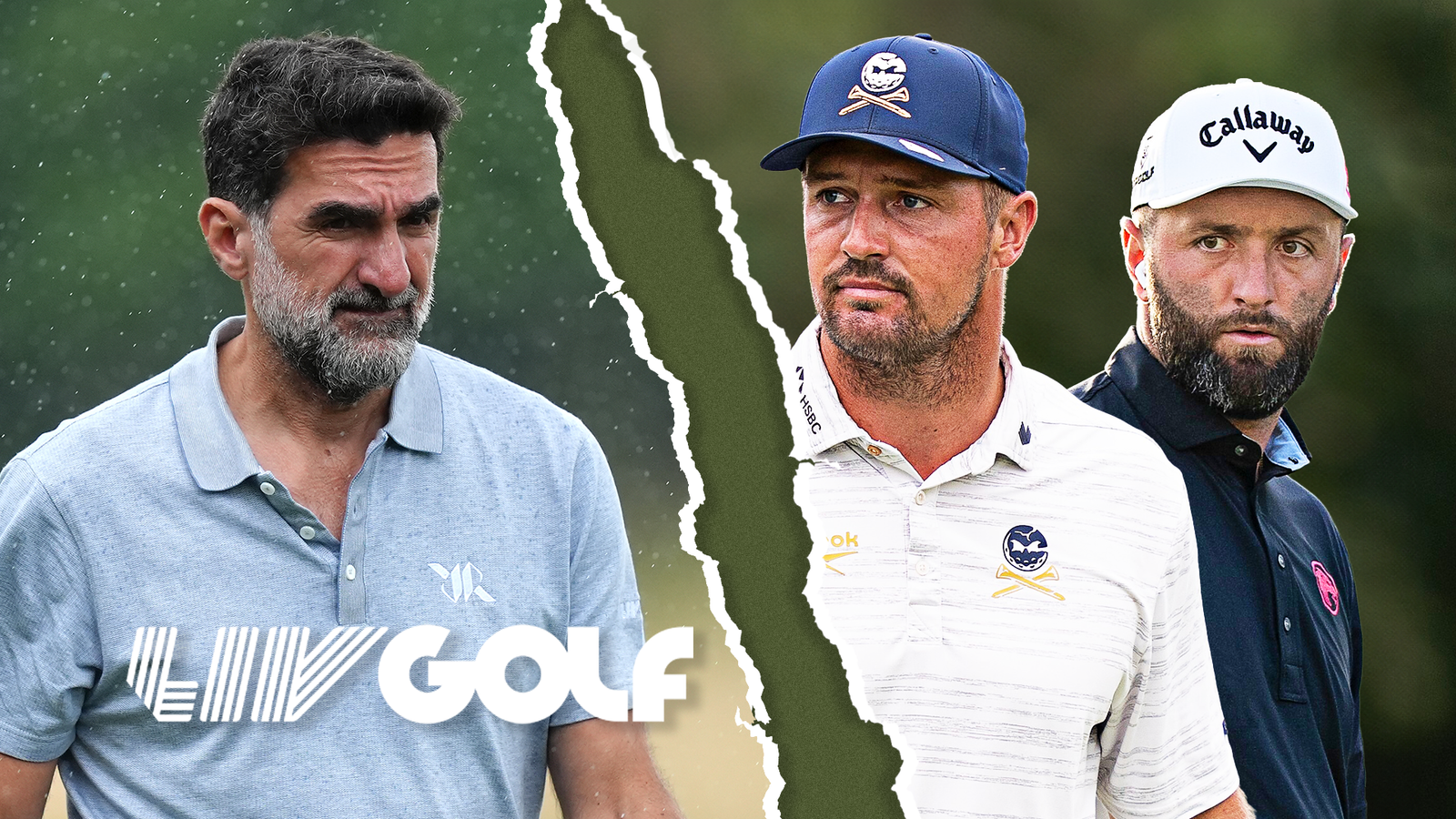
Saudi Arabia’s Public Investment Fund will withdraw its multi-billion dollar backing of LIV Golf at the end of the 2026 season, throwing the breakaway series into uncertainty. In a statement released on Thursday, the PIF said the “substantial investment required is no longer consistent with the current phase of PIF’s investment strategy.” The fund added that it remains committed to deploying capital in sports, but that LIV’s long-term funding needs no longer align with its priorities. Yasir Al-Rumayyan, the PIF governor who co-founded LIV in 2021 and served as its most powerful figure, has stepped down from the board. The PIF’s statement did not mention Al-Rumayyan or LIV by name in connection with the decision, but the message was clear: the world’s most aggressive sovereign wealth fund has concluded that the league is no longer worth sustaining.
LIV Golf’s ‘Strategic Evolution’
On the same day, LIV Golf announced a “strategic evolution” that includes a newly established independent board of directors. The board is led by Gene Davis, described as a “leading corporate governance and strategic advisory professional,” and Jon Zinman, who has “expertise in driving financial and operational transformation for companies navigating complex reorganisations.” The league said it is seeking to “attract and secure long-term capital” and is “totally up for sale.” Davis stated that LIV has “built something truly differentiated – a global league with passionate fans, world-class talent, and demonstrated commercial momentum.” He and Zinman see “a clear opportunity to help the league formalise its structure” and position it for growth. However, the announcement conspicuously omitted any mention of PIF or Al-Rumayyan, underscoring the fund’s exit.
Players Explore Return Paths
With LIV’s financial backing evaporating, representatives for multiple LIV players have contacted the PGA Tour to discuss a potential return, according to sources familiar with the conversations. The PGA Tour has indicated that a path back exists, but the conditions are expected to be considerably more restrictive than those granted to Brooks Koepka earlier this year. Koepka returned via the ‘Returning Member Program’, a performance-based pathway for players who had been away for at least two years and had won a major between 2022 and 2025. Only three other LIV players qualified: Cam Smith, Jon Rahm, and Bryson DeChambeau. All three passed on the offer, and the window closed on February 2 with no guarantee of a second opportunity. A PGA Tour source said the program is not expected to be renewed, adding: “The situation is different now.”
The Complicated Cases of Rahm and DeChambeau
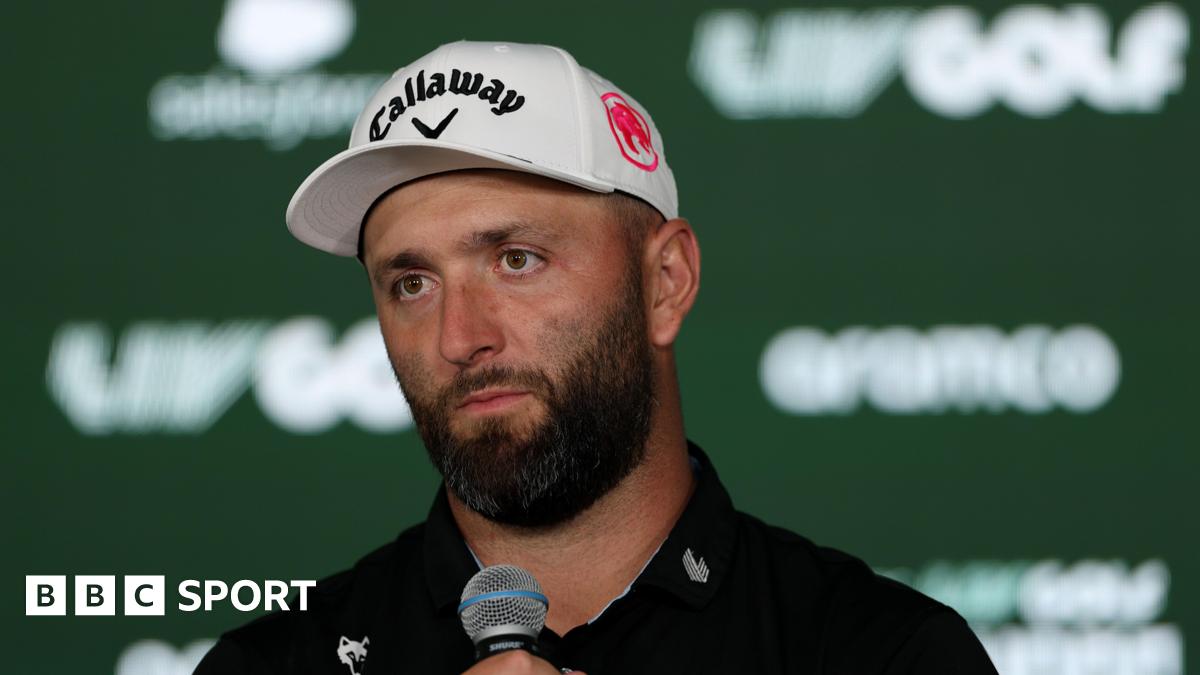
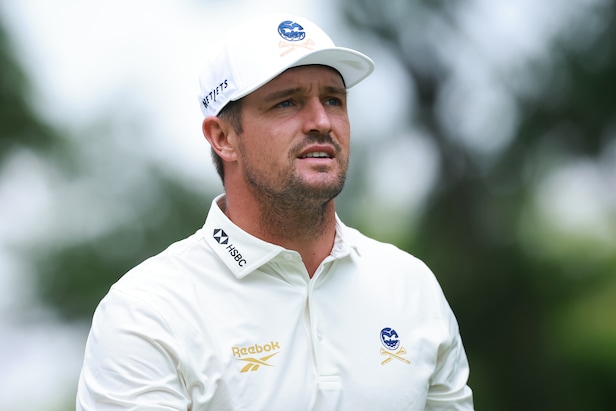
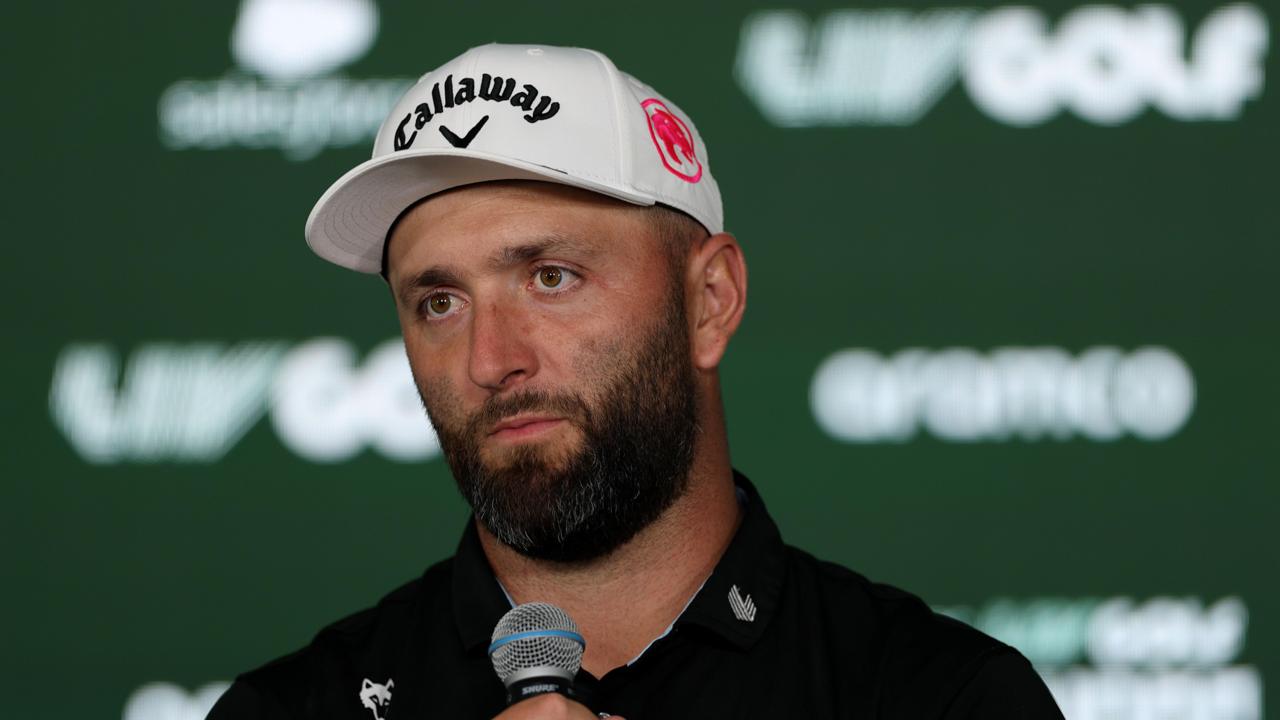
Jon Rahm and Bryson DeChambeau present the most complex reinstatement scenarios. Rahm is in an ongoing dispute with the DP World Tour over membership reinstatement, a matter that carries added weight because his 2027 Ryder Cup eligibility runs through the European circuit. The DP World Tour has been working to find him a path back, but Rahm has been unapologetic and given no indication of softening his position. On the PGA Tour, resentment lingers: many believe Rahm’s defection at the end of 2023 prolonged the conflict by a full year, giving LIV the validation it was running out of time to find. DeChambeau, meanwhile, approached LIV about a new deal before the Masters, seeking a figure well above Rahm’s reported $300 million contract. LIV did not engage at that level. Sources say DeChambeau’s view of the league has shifted, and he now regards it as having underdelivered on its initial vision. His representatives have reached out to the PGA Tour to explore options, though his return is complicated by his involvement in the antitrust suit against the tour. He has previously described feeling out of place on the PGA Tour, but is reportedly open to changes introduced by CEO Brian Rolapp.
The PGA Tour’s Dilemma
A PGA Tour that includes Rahm and DeChambeau would be a stronger product, boosting ratings, sponsor interest, and the depth of marquee events. Officials around Rolapp recognize that, but they also recognize the difficulty of readmitting players who declined a defined pathway back. Readmitting them now—not because they have reconsidered the tour’s benefits, but because LIV’s collapse has eliminated their alternatives—would carry a different meaning than a routine reinstatement. Internally, there is concern that such a move would signal the tour is willing to revise its own framework under pressure. Rolapp, in the early stages of his tenure, is trying to consolidate authority and credibility. The 11 players who joined the antitrust suit against the PGA Tour, including DeChambeau, Phil Mickelson, Talor Gooch, and Ian Poulter, are expected to face additional scrutiny. Rolapp told the Wall Street Journal: “I don’t necessarily have scar tissue, but there are plenty of people around our tour who do. It has to be accounted for in some shape or form.”
What Comes Next for LIV Golf
Whether LIV can secure replacement capital is an open question. PIF has committed in excess of $5 billion to the league since its 2022 launch, with limited evidence of a path to profitability and no meaningful television rights deal in a major market. Any prospective investor would inherit a venture that the world’s most aggressive sovereign wealth fund concluded was no longer worth sustaining. LIV CEO Scott O’Neil has already signaled that, should a future exist, it may not look like the present. In the interim, there is the potential that contracts may go unfulfilled, more events may be reduced or canceled, and players weighing a return to the PGA Tour or DP World Tour will be doing so against a closing window. The path off the LIV roster may not move as quickly as the path onto it once did.
A League at a Crossroads
LIV Golf’s announcement of a new board and its search for investors represents a last-ditch effort to survive without Saudi backing. But the league’s future hinges on whether it can find a buyer willing to take on a venture that has burned through billions with no clear route to profitability. For the players, the timeline is the most immediate concern: even in a best-case scenario involving new ownership, due diligence and restructuring would likely extend well beyond the current funding runway. As LIV’s 13 team captains—including DeChambeau and Rahm—huddle to discuss their options, the sport faces a period of realignment. The PGA Tour, having weathered the storm, now holds the upper hand. But the manner in which it handles the return of LIV’s stars will set a precedent for years to come.
The bottom line
- PIF will end its funding of LIV Golf after the 2026 season, citing a shift in investment strategy.
- LIV Golf has formed an independent board and is actively seeking new investors, but faces a difficult sale given its lack of profitability.
- Multiple LIV players have contacted the PGA Tour about returning, but the tour’s ‘Returning Member Program’ has expired and will not be renewed.
- Jon Rahm and Bryson DeChambeau face the most complicated paths back, with Rahm’s Ryder Cup eligibility at stake and DeChambeau’s antitrust suit adding friction.
- The PGA Tour is wary of setting a precedent by readmitting players on terms dictated by circumstance rather than its own framework.
- LIV’s future remains uncertain, with potential contract defaults, event cancellations, and a narrowing window for players to secure their next moves.


Digne's costly handball gifts Forest 1-0 win over Aston Villa in Europa League semi-final first leg
RCB vs GT: Pace Attack Takes Center Stage in High-Stakes IPL Clash
Rajasthan Royals Post 225, Delhi Capitals Chase in Jaipur Thriller