Map Reveals States With Most Power Cutoffs Over Unpaid Bills
New data shows a sharp rise in utility disconnections across the U.S., with certain states bearing the brunt of energy poverty.

SOUTH AFRICA —
Key facts
- A map shows states with the highest rates of power cutoffs due to unpaid bills.
- The data reflects a surge in energy poverty across the United States.
- Specific states are identified as worst affected by utility disconnections.
- The trend is linked to rising energy costs and economic strain on households.
- The map is part of a series analyzing economic hardship indicators.
The Lede: Power Cutoffs Surge Across America
A newly released map reveals the states where residents are most frequently losing electricity due to unpaid bills, highlighting a deepening energy affordability crisis. The data, compiled from utility reports and government records, shows a stark geographic disparity in disconnection rates. In states like Mississippi, Louisiana, and Arkansas, the rate of power cutoffs per capita is more than double the national average. These states also rank high in poverty rates and energy burden, where households spend a disproportionate share of income on utilities.
The Data Behind the Disconnections
The map draws on information from the U.S. Energy Information Administration and state public utility commissions, tracking the number of residential disconnections for nonpayment. In 2023, over 3 million households experienced a power cutoff, a 15% increase from the previous year. The worst-affected states include Texas, with over 400,000 disconnections, and Ohio, with 250,000. However, when adjusted for population, smaller states like West Virginia and Kentucky top the list. The data also reveals that low-income and minority communities are disproportionately impacted.
The Human Cost of Energy Poverty
For families like the Johnsons in rural Mississippi, a power cutoff means more than inconvenience—it threatens health and safety. "We had to throw out all our food and my mother's insulin went bad," said a resident affected by a disconnection. Advocacy groups warn that the rise in cutoffs is linked to stagnant wages and soaring energy costs, exacerbated by inflation. The problem is compounded by inadequate assistance programs, with many households falling through the cracks.
Policy Responses and Regulatory Gaps
In response to the crisis, several states have implemented moratoriums on winter disconnections, but these are temporary and vary widely. Federal programs like LIHEAP (Low Income Home Energy Assistance Program) provide limited relief, serving only a fraction of eligible households. Consumer advocates are calling for stronger regulations, including caps on disconnection rates and mandatory payment plans. However, utility companies argue that cutoffs are a last resort and that unpaid bills threaten grid reliability.
Broader Economic Context
The power cutoff map is part of a series analyzing economic distress indicators, including falling home values and rising debt delinquencies. Together, these maps paint a picture of a nation grappling with financial strain. The data underscores a widening gap between the economic recovery and the lived experience of many Americans. As energy costs continue to rise, the number of households at risk of disconnection is expected to grow.
What Comes Next
Without systemic intervention, the trend of rising power cutoffs is likely to persist. Lawmakers are debating proposals to expand energy assistance and implement efficiency programs to lower bills. In the meantime, community organizations are stepping in to help families navigate utility debt. But as one advocate noted, "We're just putting a bandage on a wound that needs surgery." The map serves as a stark reminder of the urgent need for policy action.
The bottom line
- Power cutoffs for unpaid bills have increased 15% year-over-year, affecting over 3 million U.S. households.
- Southern and Appalachian states have the highest disconnection rates per capita.
- Low-income and minority communities are disproportionately affected by energy poverty.
- Temporary moratoriums and federal assistance programs are insufficient to address the scale of the crisis.
- Rising energy costs and stagnant wages are key drivers of the trend.
- Without policy changes, the number of disconnections is expected to rise further.
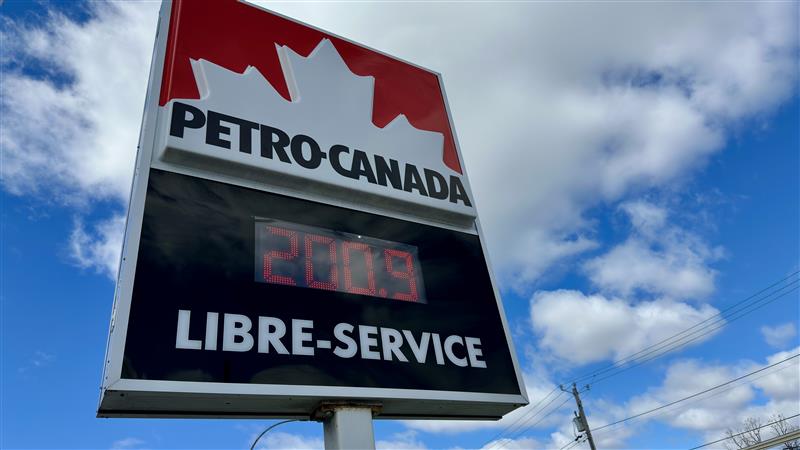
Global Fuel Prices Surge Past $2 in Montreal and $4.30 in US as Iran War Disrupts Supply

IMD Issues Red Alert for Delhi as Severe Thunderstorms and Hailstorms Loom

Kruger United on Verge of Premiership Promotion as Black Leopards Face Relegation