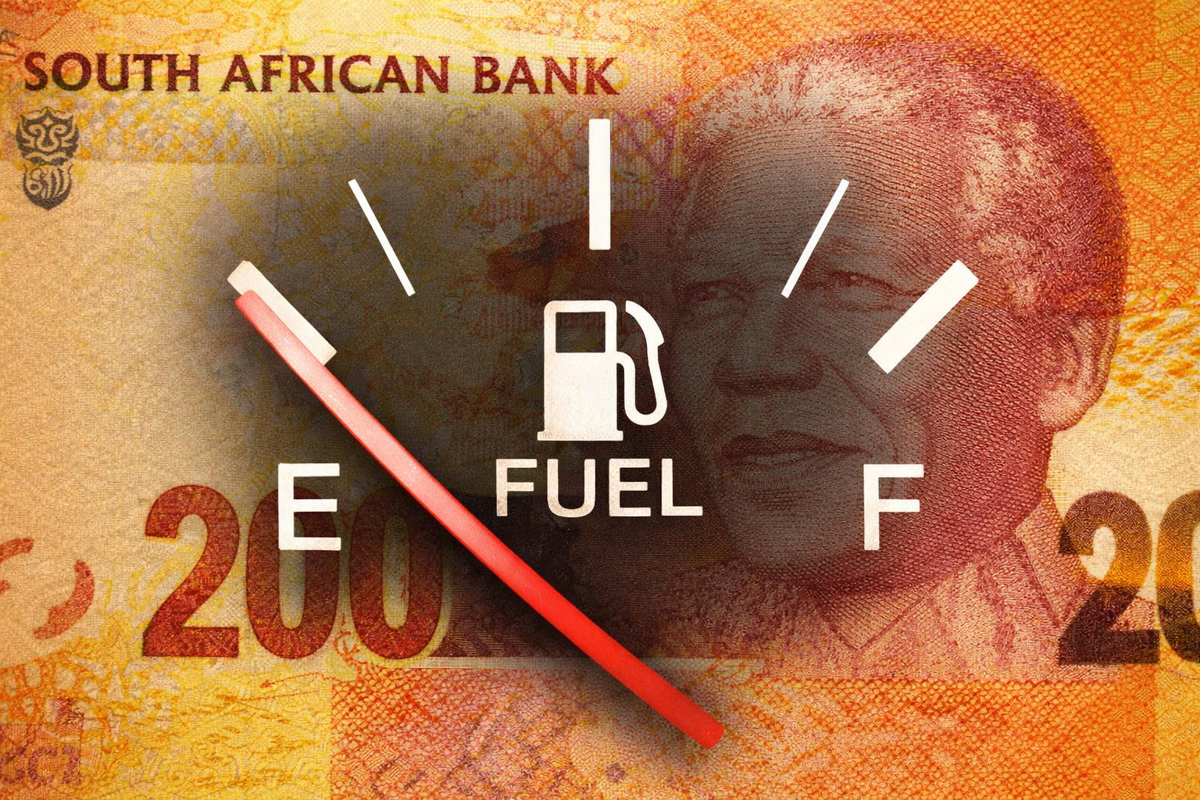
South Africa Extends Fuel Levy Cut but Excludes Paraffin, Sparking Union Ire
MISA warns millions of households face unbearable winter costs as illuminating paraffin is left out of the extended relief.
SOUTH AFRICA —
Key facts
- The general fuel levy cut has been extended to June 2026.
- Illuminating paraffin is excluded from the extended fuel levy cut.
- MISA is calling for a private-sector moratorium on retrenchments.
- MISA spokesperson Phakamile Hlubi-Majola expressed disappointment over the exclusion.
- Millions of South Africans rely on paraffin for lighting, cooking, and heating.
- An economist warns inflation could hit 5% amid spiralling fuel costs.
Union Condemns Exclusion of Paraffin from Extended Fuel Levy Relief
The Motor Industry Staff Association (MISA) has voiced strong disappointment over the exclusion of illuminating paraffin from the general fuel levy cut, which the Treasury extended through June 2026. The trade union argues that the omission places an unbearable burden on millions of South Africans who depend on paraffin for lighting, cooking, and heating as winter approaches. MISA spokesperson Phakamile Hlubi-Majola stated that protecting workers and households must be the cornerstone of South Africa’s response to global instability. She welcomed the extension of fuel levy relief but stressed that the exclusion of paraffin undermines the measure's effectiveness.
Union Calls for Moratorium on Retrenchments Amid Rising Fuel Costs
MISA is also urging the private sector to commit to a moratorium on retrenchments, arguing that rising fuel costs should not be used as an excuse for mass job losses. The union believes that companies must absorb the shock rather than shed workers during a period of economic strain. “Rising fuel costs cannot be used as an excuse to shed jobs,” Hlubi-Majola said. The call comes as fuel prices continue to climb, squeezing both households and businesses.
Economist Warns of 5% Inflation as Fuel Costs Spiral
An economist has warned that inflation could hit 5% amid spiralling fuel costs, adding pressure on the South African Reserve Bank’s monetary policy. The warning underscores the broader economic impact of the fuel price surge, which is already eroding consumer purchasing power. The extension of the fuel levy cut provides some relief, but analysts caution that the measure may be insufficient to curb inflationary pressures. The exclusion of paraffin, a key energy source for low-income households, could exacerbate inequality.
Millions of Households Face Winter Without Paraffin Relief
MISA highlighted that millions of South Africans rely on illuminating paraffin for basic needs such as lighting, cooking, and heating. With winter approaching, the exclusion of paraffin from the levy cut means these households will face higher costs at a time when energy demand peaks. The union’s criticism reflects a broader concern that the government’s relief measures are not reaching the most vulnerable. The decision to exclude paraffin has drawn sharp rebuke from labour groups and social activists.
Treasury Extends Relief but Price Shock Looms
The Treasury’s extension of the general fuel levy cut aims to cushion consumers from the impact of rising global oil prices. However, the relief is partial, and motorists and households are still expected to face significant price increases at the pump. The move comes amid mounting pressure on the government to address fuel affordability, with some analysts calling for more targeted subsidies. The exclusion of paraffin has become a flashpoint in the debate over how best to distribute relief.
Global Instability and Domestic Pressures Shape Fuel Policy
South Africa’s fuel price dynamics are heavily influenced by global oil market volatility, which has been exacerbated by geopolitical tensions. The government’s response, including the levy cut extension, reflects a balancing act between fiscal constraints and social needs. MISA’s call for a retrenchment moratorium adds a labour dimension to the fuel crisis, linking energy costs to job security. The union’s stance signals that the fuel price issue is not merely economic but also a matter of social justice.
The bottom line
- The fuel levy cut extension excludes illuminating paraffin, affecting millions of low-income households.
- MISA is demanding a private-sector moratorium on retrenchments linked to rising fuel costs.
- An economist warns inflation could reach 5% due to spiralling fuel prices.
- The Treasury’s partial relief may not be enough to prevent a winter price shock.
- The exclusion of paraffin has become a major point of contention between unions and the government.



Orange-Level Warnings Issued as Severe Weather Threatens South Africa's Interior

China Opens Zero-Tariff Market to 53 African Nations, Excluding Taiwan-Linked Eswatini

Kruger United on the Verge of Premiership Promotion as Black Leopards Face Relegation