Marcell Ozuna's $12 Million Gamble Turns into a Liability for the Pirates
The veteran designated hitter's.162 average and.466 OPS have turned Pittsburgh's offseason power fix into a glaring lineup hole.
SOUTH AFRICA —
Key facts
- Marcell Ozuna signed a one-year, $12 million contract with the Pittsburgh Pirates, including a $16 million mutual option for 2027 with a $1.5 million buyout.
- Ozuna is batting.162 with a.466 OPS, two home runs, eight RBI, and a negative bWAR through the first month of the season.
- The Pirates ranked last in MLB with only 117 home runs in the previous season, prompting the signing.
- Ozuna's expected stats are also poor, and his wRC+ at DH is 47, last in baseball.
- The Braves, who declined to re-sign Ozuna, used the saved money to add Robert Suarez, Mike Yastrzemski, and re-sign Raisel Iglesias and Ha-Seong Kim.
- Ozuna's off-field issues include two arrests (domestic violence and DUI) while with the Braves, leading to a 20-game MLB suspension.
- The Pirates reportedly had interest in Kyle Schwarber before he re-signed with the Phillies, and chose Ozuna over franchise icon Andrew McCutchen.
A Disastrous Start for Pittsburgh's Designated Hitter
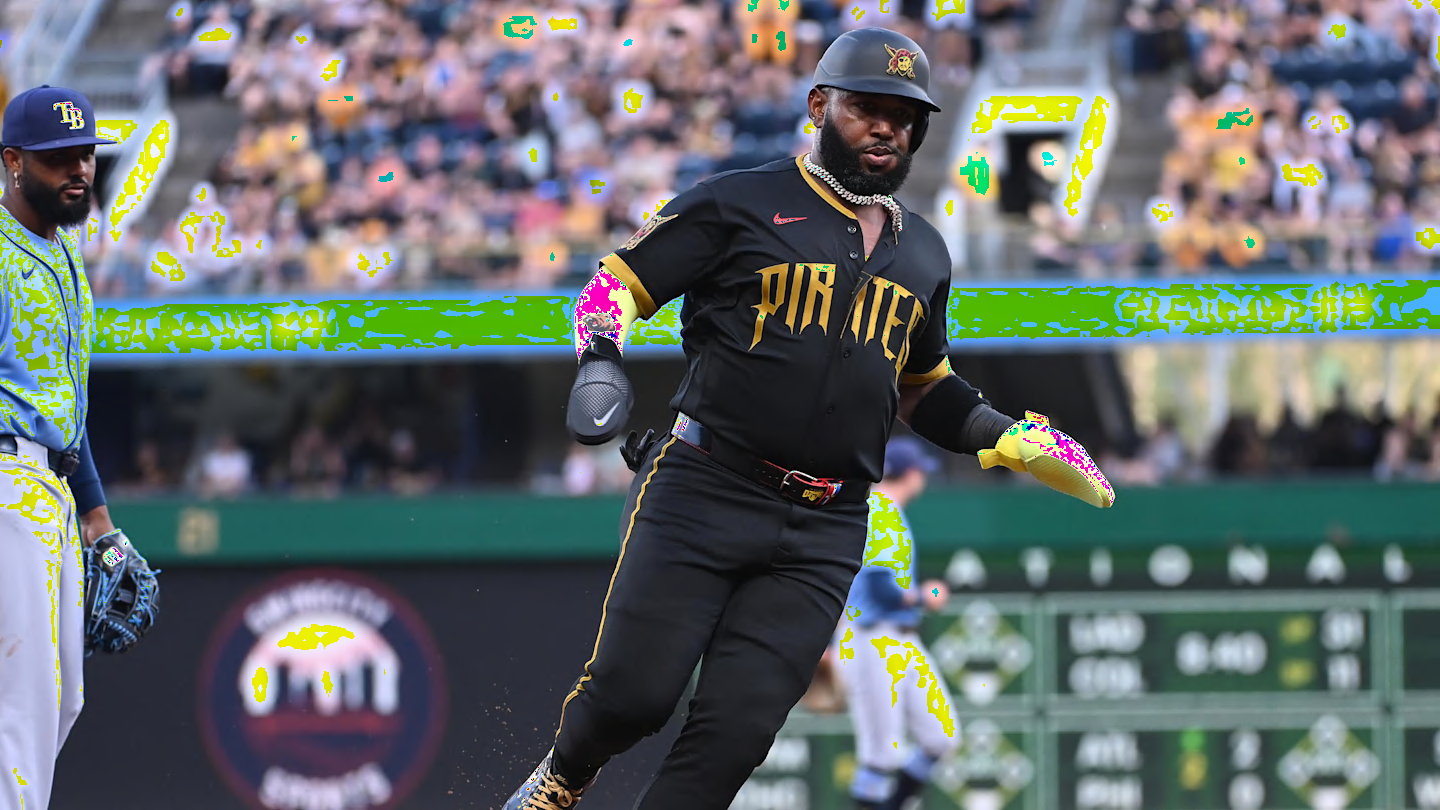
The Pittsburgh Pirates' offseason bet on Marcell Ozuna was supposed to inject immediate power into a lineup that ranked dead last in home runs. Instead, the 35-year-old designated hitter has become the weakest link, posting a.162 batting average and a.466 OPS through the first month of the season. With just two home runs and eight RBI, Ozuna's negative bWAR underscores a performance that has turned the DH spot into a liability. The Pirates committed $12 million to Ozuna on a one-year deal, a significant sum for a franchise not known for heavy spending. The contract includes a $16 million mutual option for 2027 with a $1.5 million buyout, but the early returns have been brutal. Ozuna's struggles are not just a statistical blip; they represent a fundamental failure of the team's offseason strategy.
The Logic Behind the Signing and Its Collapse
When the Pirates signed Ozuna in February, the logic seemed sound. The team needed power after hitting only 117 home runs last season, the fewest in Major League Baseball. Ozuna, despite a down 2025 with the Atlanta Braves, still managed 21 home runs. The hope was that his veteran bat could raise the floor of a thin offense. But the theory has been bullied by reality. Ozuna is not stabilizing the lineup; he is dragging it down. The DH role is meant to hide a defensive liability while keeping a dangerous bat in the lineup. Instead, the Pirates are hiding a problem. Ozuna's expected stats are equally poor, and his 47 wRC+ at DH is the worst in baseball. The team can no longer afford to treat at-bats as experiments; every wasted lineup spot undermines their push for contention.
Fan and Analyst Backlash Over McCutchen Snub
The decision to sign Ozuna over franchise icon Andrew McCutchen has drawn heavy criticism from fans and analysts. McCutchen, a beloved figure in Pittsburgh, represented both clubhouse leadership and proven production. The Pirates' front office, led by Ben Cherington, chose Ozuna in a desperate bid to add power, but the move has backfired. Compounding the frustration, the Pirates reportedly had interest in Kyle Schwarber before he re-signed with the Philadelphia Phillies. Unable to attract top free agents due to a history of losing and limited spending, Pittsburgh settled for Ozuna. The result is a player who is not hitting, running, or defending, and whose off-field baggage includes two arrests while with the Braves.
Ozuna's Off-Field Troubles and Braves' Strategic Escape
Ozuna's tenure with the Braves was marred by two arrests: one for domestic violence and another for a DUI. MLB suspended him for 20 games, and while he claimed to have turned his life around, the Braves chose not to retain him. Instead, general manager Alex Anthopoulos opted for a DH-by-committee approach, using the saved money to bolster the bullpen with Robert Suarez and Raisel Iglesias, and add depth with Mike Yastrzemski and Ha-Seong Kim. The Braves' strategy has paid off. Drake Baldwin, Dominic Smith, and Kyle Farmer have combined to outproduce Ozuna by a wide margin. Baldwin, who also catches, has taken most of the DH at-bats and outperformed Ozuna significantly. The Braves' bullpen is fortified, and their lineup has greater depth, even if some pieces have yet to click.
The Stakes for Pittsburgh's Season
The Pirates are no longer a rebuilding team that can afford to waste at-bats. With a core of interesting young players, every lineup spot matters. Ozuna's presence is not just a statistical drag; it is a psychological weight on a team trying to establish a winning culture. The $12 million is already spent, but the question is whether the Pirates will compound the mistake by continuing to give Ozuna prime at-bats. If the team keeps running him out there because of the contract, it is not patience but stubbornness. Ozuna was supposed to make the Pirates feel more dangerous. Instead, he has become the easiest part of the lineup to question. The leash cannot be endless just because the front office does not want to admit the obvious.
What Comes Next for Ozuna and the Pirates
Ozuna's recent four-game hitting streak, including a three-hit, three-RBI game, offers a glimmer of hope. But prior to that, his OPS was nearly 300 points lower than his 2025 mark. Without the coaching staff that helped him turn around his season in Atlanta, Ozuna faces an uphill battle to regain his form. The Pirates must decide whether to continue with Ozuna or explore alternatives. The team has a long history of chasing fool's gold, and Ozuna could be the latest example. If he can reach a.750+ OPS, he might justify the contract, but the early evidence suggests otherwise. For now, Pittsburgh's offseason power fix looks painfully misguided.
A Cautionary Tale for Small-Market Teams
The Ozuna saga underscores the risks small-market teams face when they try to buy power on the cheap. The Pirates' desperation to add offense led them to overlook Ozuna's declining performance and character concerns. The result is a $12 million mistake that could cost them games and credibility. As the season progresses, the Pirates must weigh the sunk cost against the opportunity cost of continuing to play Ozuna. The Braves, by contrast, have shown that a disciplined approach to roster construction can yield better results. For Pittsburgh, the lesson is clear: in baseball, as in life, you cannot build a contender on a foundation of fool's gold.
The bottom line
- Marcell Ozuna's.162 average and.466 OPS have made him a liability for the Pirates, undermining their offseason goal of adding power.
- The Pirates chose Ozuna over franchise icon Andrew McCutchen, a decision that has drawn widespread criticism.
- Ozuna's off-field issues, including arrests for domestic violence and DUI, were known risks that the Pirates accepted.
- The Braves, who let Ozuna walk, have used the savings to strengthen their bullpen and depth, outperforming Pittsburgh's DH production.
- The Pirates' $12 million investment is already a sunk cost, but continuing to play Ozuna could compound the mistake.
- The situation highlights the challenges small-market teams face in balancing risk and reward when pursuing free agents.


FlySafair Birthday Sale Returns with 50,000 R12 Seats Amid Jet Fuel Crisis
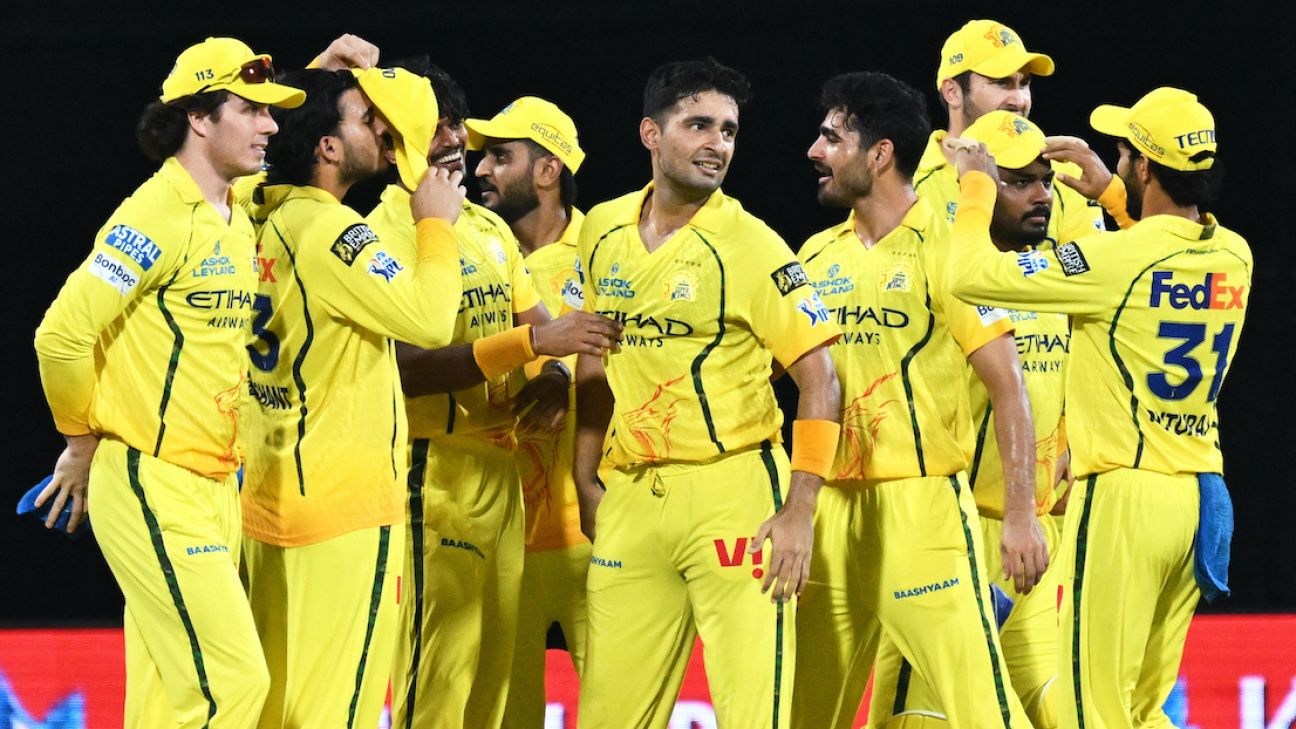
DC vs CSK: Lungi Ngidi Returns to Venue of Near-Fatal Injury as Delhi Capitals Seek Playoff Boost

Gobert vs. Wembanyama: French Basketball's Mentor-Protege Duel Headlines Spurs-Timberwolves Series
